Winter Elk Feeding Sites in Oregon
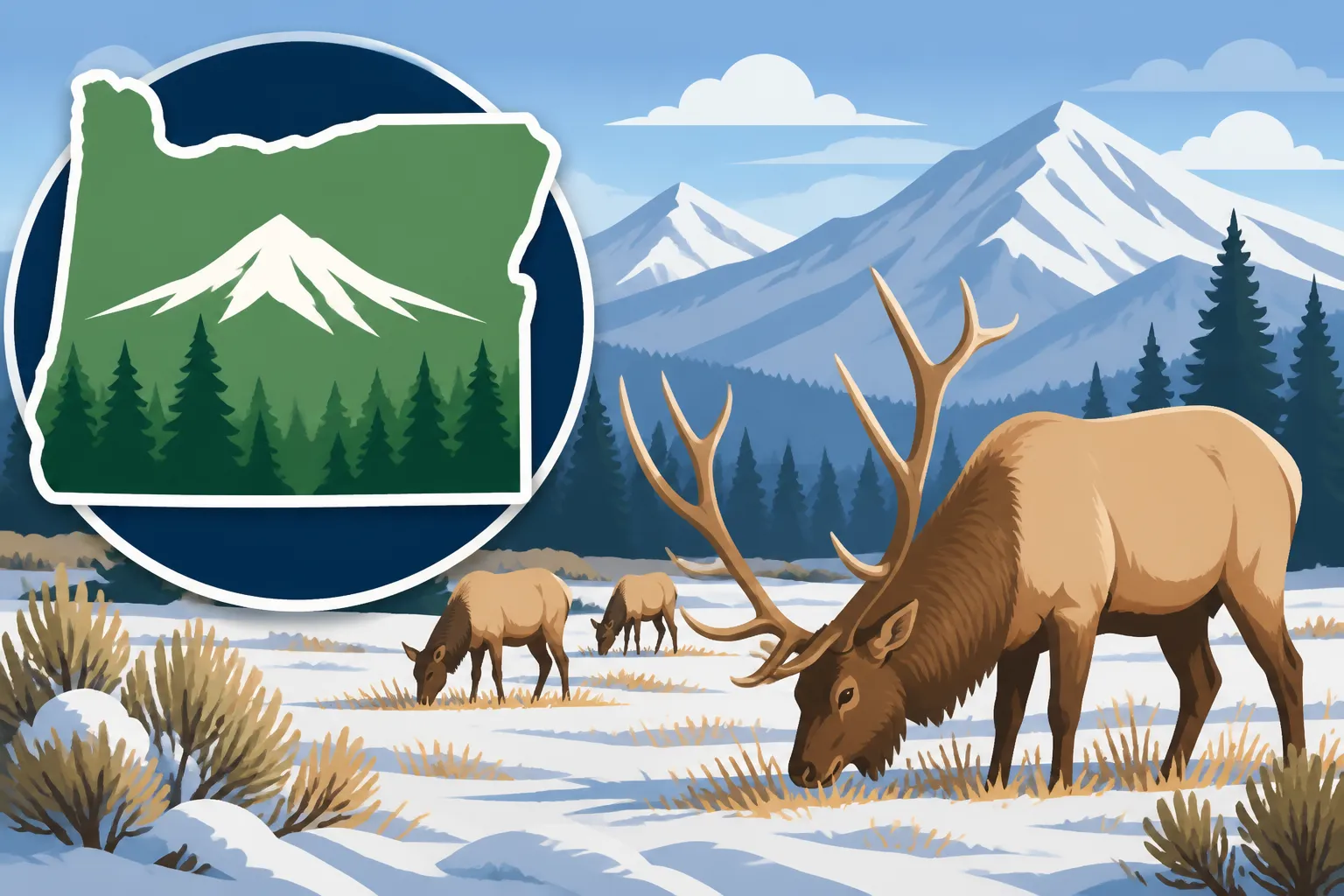
Winter in Oregon can be a tough season for elk, and for those of us who hunt them, it means a complete shift in strategy. Gone are the bugling, chasing bulls of the rut, replaced by a much quieter, energy-conserving animal trying to survive the cold and snow. Figuring out where these magnificent creatures go when the snow flies is one of the biggest puzzles we face, and it's essential for both ethical hunting and successful scouting. This guide is all about peeling back the layers to understand where elk feed during Oregon's winter months, from natural havens to state-managed sites, and how you can use this knowledge to become a more effective and responsible hunter.
Understanding Winter Elk Behavior and Habitat Needs
When the snow starts piling up in the high country, elk aren't just looking for food; they're looking for survival. Their entire existence shifts into a mode of energy conservation, and their choice of winter habitat directly reflects this need. It's a completely different ballgame than the early season hunts, and understanding these fundamental changes is key.
The Urge to Conserve Energy
Imagine trying to wade through waist-deep snow all day long while trying to find enough calories just to break even. That's essentially the challenge elk face in a harsh Oregon winter. Their primary goal becomes minimizing energy expenditure. This means they'll choose areas where movement is easier, where they can find thermal cover from bitter winds, and where they don't have to expend precious calories digging through deep snow for forage. You'll notice they move less, often bedding for longer periods, and when they do move, it's typically along established game trails that offer the path of least resistance. This drive for energy conservation is why they descend from higher elevations and seek out south-facing slopes, which get more sun and shed snow faster. They're constantly making choices that stack the odds in their favor, whether that's bedding down in a thick stand of fir during a blizzard or seeking out a sun-drenched ridge on a cold, clear day.
Key Nutritional Requirements in Winter
Just like us, elk need specific nutrients, but in winter, the quality and availability of forage plummet. Lush green grasses and forbs are long gone, replaced by tougher, less digestible browse. Elk switch their diets, becoming more reliant on woody browse like bitterbrush, serviceberry, and young conifer shoots. However, these aren't nearly as calorie-dense as their summer diet. They're trying to find "fast food" that's relatively easy to access and provides enough energy to keep them warm and sustain basic metabolic functions. This is why areas with diverse vegetation, even if it's mostly dormant, become critical. They're looking for pockets where persistent greens might be found, or where particular browse species are abundant enough to make the effort of feeding worthwhile. Knowing what plants provide sustenance during these lean months can help you identify prime feeding areas even when they look barren to the untrained eye.
Snow Depth and Its Impact on Movement
Snow isn't just cold; it's a massive barrier to movement and food access. Even a foot of powder can significantly increase the energy an elk expends to move a short distance. When snow depths reach two feet or more, it becomes extremely difficult for them to travel or paw through for buried forage. This is why you often see elk "yarding up" or congregating in areas with less snow, typically at lower elevations. Shallow, powdery snow might be manageable, but heavy, wet snow, or crusted snow, can be devastating, sometimes literally trapping animals. The varying snowfall across Oregon's diverse terrain, from the heavy, wet snow of the Cascades to the drier, lighter snow of the high desert, dictates where elk will winter. A subtle difference in elevation or aspect can mean the difference between deep, impassable snow and barely any at all, and elk are masters at finding these subtle differences. Understanding how snow depth influences where elk can and cannot go is perhaps the most critical factor in locating their winter feeding grounds.
Identifying Natural Winter Feeding Sites
While there are designated feeding areas, most elk in Oregon still rely on natural habitats to get through the winter. These natural feeding sites share common characteristics that make them attractive and, more importantly, survivable for elk during the lean months. Learning to "read" the landscape for these features is a skill that takes time, but it's invaluable.
South-Facing Slopes and Sun-Drenched Ridges
One of the most reliable places to find wintering elk is on south-facing slopes and sun-drenched ridges. Why? It's simple thermodynamics. These areas receive the most direct sunlight throughout the day, causing snow to melt faster and expose crucial forage earlier than north-facing slopes. The sun also provides warmth, reducing the chilling effect of winter winds and allowing elk to conserve energy by basking in the sun. Think of those patches of ground that become clear of snow days before anywhere else – these are gold for wintering wildlife. On a chilly February morning, an elk can absorb solar radiation, reducing the energy it needs to produce body heat. These slopes also tend to dry out faster, which can mean an earlier emergence of green-up, providing much-needed fresh forage, even if it's just a few tender shoots. When you're glassing for deer in juniper draws or looking for elk, always prioritize these sun-exposed areas.
Lower Elevation Basins and River Bottoms
As winter progresses and snow builds up in the higher elevations, elk naturally gravitate towards lower elevation basins and river bottoms. These areas often receive less snow accumulation than the mountains, and what snow does fall might melt quicker due to lower elevation and proximity to unfrozen water. River bottoms, in particular, provide access to riparian browse species that can remain available even under moderate snow cover. Willows, dogwood, and other brushy plants along waterways offer a vital food source. Furthermore, these basins can act as natural windbreaks, providing crucial thermal cover from harsh winter winds, making them a more comfortable place to weather a storm. The milder microclimates found in these sheltered areas are a huge draw, allowing elk to graze and conserve energy more effectively than on an exposed ridge in a blizzard. You'll often find critical Oregon Winter Range Closures in these very areas, put in place to protect stressed animals from disturbance.
Sheltered Timber Stands and Old Growth Pockets
Beyond food, thermal cover is paramount in winter. Dense timber stands, especially those with significant old-growth components, provide incredible shelter from wind, snow, and extreme cold. The thick canopy of conifers intercepts snowfall, leaving the ground underneath relatively clear or with significantly less snow accumulation. This makes moving around and finding browse much easier for elk. These stands also act as natural windbreaks, reducing the wind chill factor and helping elk retain body heat. When a bitter north wind is howling, an elk bedded down in a thick stand of fir or cedar is far more protected than one out in the open. These areas might not be primary feeding grounds themselves, but they are crucial bedding and staging areas adjacent to open feeding sites. Elk will often move from the thermal cover of the timber to feed in nearby open patches or on sunnier slopes, then retreat back to the timber to bed down and digest, conserving warmth.
ODFW-Managed Winter Feeding Programs and Areas
While most elk rely on natural forage, the Oregon Department of Fish and Wildlife (ODFW) manages several winter feeding programs. These aren't just about giving elk a handout; they serve specific conservation and management purposes, playing a critical role in certain regions of the state. It's important for hunters to understand these programs, not just for finding elk, but for respecting the health and management goals of the herds.
The Purpose of Supplemental Feeding
ODFW's supplemental feeding programs primarily aim to achieve several specific management goals, which are often misunderstood by the public. First and foremost, these programs are critical for mitigating depredation on private agricultural lands. When deep snow pushes elk off public land, they often head for private fields and haystacks, leading to significant conflicts with landowners. By providing a concentrated food source on state lands, ODFW can draw elk away from these agricultural areas, saving farmers and ranchers considerable losses. Secondly, feeding can help manage disease by concentrating animals in areas where they can be observed and, if necessary, treated or managed to prevent widespread outbreaks. It's generally not about boosting herd numbers directly, but rather about herd health, preventing starvation in extreme conditions, and reducing human-wildlife conflict. Knowing these specific goals helps us understand the importance and limitations of these feeding sites.
Specific Oregon Winter Feeding Locations
Oregon is home to a few well-known winter feeding sites, each with its own history and management focus. The Jewell Meadows Wildlife Area in northwest Oregon is perhaps the most famous, providing supplemental feed to Roosevelt elk and offering popular viewing opportunities. Similarly, the Starkey Experimental Forest and Range in eastern Oregon also has designated feeding programs as part of its ongoing research into elk behavior and forest management, though public access and specific rules differ. The White River Wildlife Area near Mt. Hood is another example, managed to provide winter range and minimize elk conflicts with private lands. These sites are typically well-marked and have specific regulations for public access, especially during winter. While they do concentrate elk, they are not always open to hunting, and in many cases, hunting is strictly prohibited in or around the immediate feeding zones to prevent habituated animals from being taken. Always make sure to check current ODFW regulations for any specific area you plan to visit.
Rules and Restrictions Around Feeding Sites
Because ODFW winter feeding sites are managed for specific purposes, there are often strict rules and restrictions in place. Access to the immediate feeding areas might be restricted to observation only, sometimes from designated viewing platforms, especially during the peak winter months. This is to minimize disturbance to the elk, which are already under stress, and to prevent them from becoming too habituated to human presence in a negative way. Hunting is frequently prohibited within certain boundaries around these sites, often extending for a quarter-mile or more, to maintain a safe refuge for the animals and to prevent ethical dilemmas with habituated elk. Furthermore, activities like dog walking, snowmobiling, or other recreational disturbances may be limited or banned entirely during critical winter periods. These rules are in place to ensure the effectiveness of the feeding program and the well-being of the elk. It's our responsibility as hunters and outdoors enthusiasts to respect these guidelines fully. Remember that Oregon's 300-Foot Rule Beside an Open Road is a general guideline, but these feeding areas will often have much larger buffer zones.
Accessing Winter Elk Habitat for Scouting and Future Hunts
Understanding where elk spend their winters isn't just academic; it's a powerful tool for ethical hunting and effective scouting. Knowing these areas can inform your hunt planning for next season and help you develop a deeper appreciation for the challenges these animals face. However, accessing these sensitive areas requires responsibility and careful planning.
Responsible Scouting Practices
Scouting for elk in winter means changing your approach significantly. Instead of crashing through thick timber, think quiet observation. Use quality optics like binoculars and spotting scopes to scan distant slopes from vantage points that minimize your impact. The goal is to see without being seen, and certainly without disturbing the animals. Elk are conserving energy, and any unnecessary disturbance forces them to move, burning precious calories. This is especially true on designated winter range. Pay close attention to areas where snow depth is minimal, where south-facing slopes are soaking up the sun, and where you see fresh tracks leading into sheltered timber. These observations can reveal patterns that will be invaluable when hunting season rolls around again. Always remember, winter range is a delicate ecosystem, and our presence needs to be as light as possible. Learning how to properly Scouting With Trail Cameras on Oregon Public Land can also be a valuable, low-impact way to gather information.
Using Digital Tools for Winter Range Identification
Modern technology has revolutionized how we can identify and understand winter elk habitat. Digital mapping platforms and hunting apps offer layers that show public land ownership, topography, vegetation types, and even historic winter range data. Platforms like GoHunt, for instance, provide valuable information and map layers that can highlight crucial wintering areas, helping you narrow down your search from the comfort of your home. You can often see historical data on snow depths, identify south-facing aspects, and trace potential migration corridors without ever stepping foot in the woods. This "e-scouting" is an incredibly powerful first step. When you start your planning, consider using these tools to identify potential spots. Learning how to effectively utilize E-Scouting Oregon Units With Satellite Imagery is not just for summer scouting; it's perhaps even more critical for winter, allowing you to identify those crucial habitat features remotely.
Respecting Winter Range Closures and Private Land
Perhaps the most critical aspect of accessing winter elk habitat is respecting established closures and private land boundaries. Many areas in Oregon are closed to vehicle or even foot traffic during winter months to protect vulnerable wildlife. These Oregon Winter Range Closures are in place for a reason: to give elk and other animals the undisturbed space they need to survive until spring. Ignoring these closures not only harms the animals but also jeopardizes future access for all hunters. Similarly, private timber lands and agricultural properties may have their own access rules or be completely closed during winter. Always double-check current regulations for travel management areas and private land permits. Tools like GoHunt or the ODFW hunting access map can clearly show these boundaries. Remember, gaining permission on Oregon By-Permission Land is a year-round responsibility, not just for hunting season. Our collective adherence to these rules is vital for maintaining good relationships with landowners and ensuring the longevity of our hunting heritage.
Comparative Overview of Winter Elk Feeding Sites
To help visualize the differences and benefits of various winter elk feeding sites, here's a quick comparison.
| Feature | Natural Winter Feeding Sites (e.g., South-facing slopes, river bottoms) | ODFW-Managed Winter Feeding Programs (e.g., Jewell Meadows) |
|---|---|---|
| Primary Food Source | Dormant browse, residual grasses, early green-up, forbs | Supplemental feed (hay, pellets) provided by ODFW |
| Elk Concentration | Varies; moderate to high depending on conditions and habitat quality | Very high; large numbers of elk congregate consistently |
| Human Interaction | Low to moderate; depends on remoteness and accessibility | High; often designed for public viewing and education |
| Hunting Status | Generally open (subject to unit regulations and private land rules) | Often closed to hunting in the immediate vicinity |
| Purpose | Natural survival, adaptation to seasonal conditions | Depredation mitigation, disease management, public viewing |
| Forage Diversity | High; varied natural vegetation | Low; concentrated on provided feed, little natural grazing |
| Scouting Value | High; reveals natural movement patterns and habitat preferences | Low for hunting; good for observing elk behavior/health |
| Access Rules | Standard public land rules; subject to Checking Oregon Road Closures Before You Go | Specific, often strict, seasonal access rules and viewing areas |
Disclaimer
This article is for general informational purposes only and does not constitute professional advice. Laws, prices and regulations vary by location and change over time. Consult a qualified professional for guidance on your specific situation.