Bighorn Pneumonia Die-Offs in Oregon
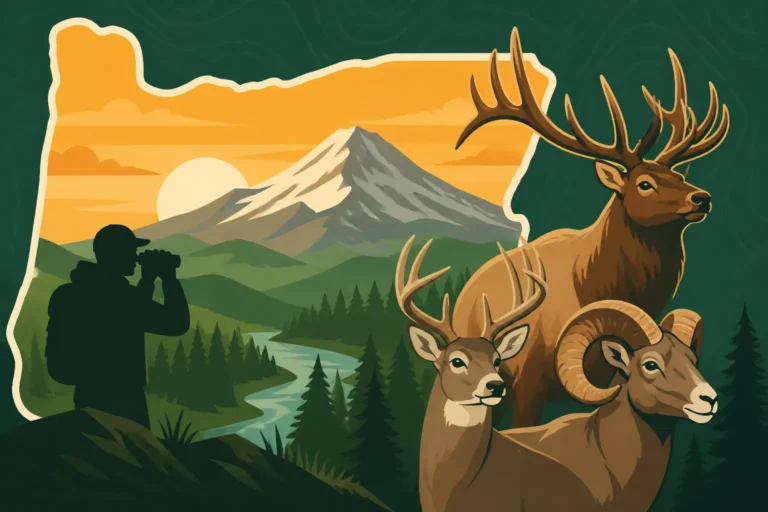
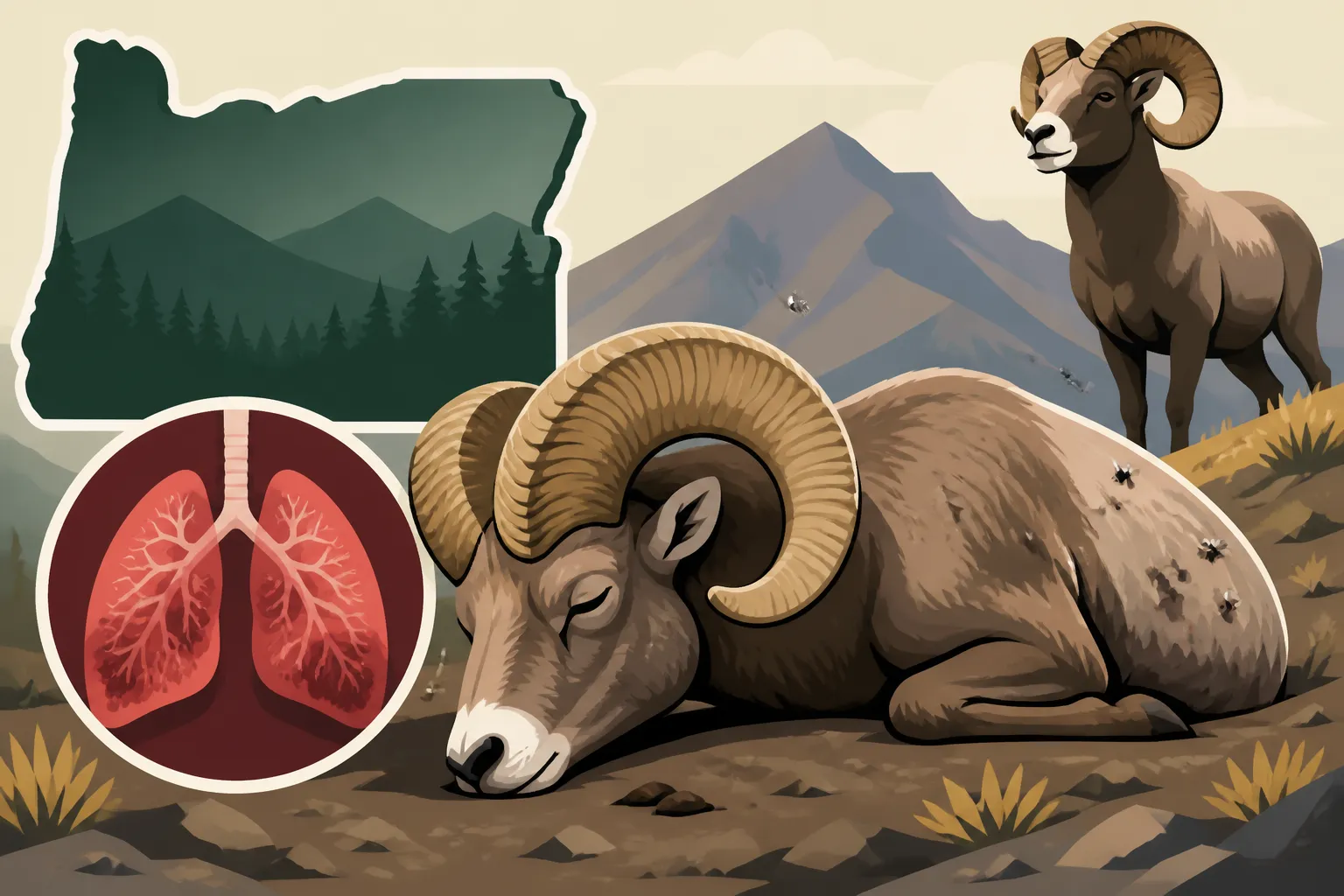
The heartbreak of finding a bighorn ram, majestic in life, succumbed to a preventable disease is a heavy burden for any hunter or wildlife enthusiast. For years, Oregon's iconic bighorn sheep populations have faced a silent, devastating threat: pneumonia outbreaks. These aren't just isolated incidents; they are deeply complex challenges that undermine conservation efforts and remind us of the delicate balance between wildlife, habitat, and human activity. This guide will delve into the harsh realities of bighorn pneumonia die-offs in Oregon, exploring what causes them, their profound impact, and the ongoing struggle to protect these magnificent animals.
Understanding the Silent Threat of Bighorn Pneumonia
Bighorn sheep pneumonia isn't just a simple cough; it's a relentless, often fatal respiratory illness that can sweep through an entire herd, wiping out a significant percentage of its members. The disease is particularly insidious because it targets even the strongest animals, leaving conservationists and hunters grappling with significant population losses and recovery challenges.
The Bacterial Culprit and Transmission
The primary culprits behind these devastating outbreaks are specific strains of bacteria, most notably Mycoplasma ovipneumoniae (M.ovi), which is carried by domestic sheep. While domestic sheep often show no ill effects from these bacteria, when M.ovi is transmitted to wild bighorns, it triggers a severe and often lethal pneumonia. Transmission typically occurs through direct contact between wild and domestic sheep, but it can also happen indirectly through shared water sources or foraging areas, though direct contact is the most efficient and common route. What makes M.ovi so dangerous is its ability to compromise the bighorn's respiratory system, leading to chronic lung damage and susceptibility to secondary infections, ultimately proving fatal for many.
Once M.ovi enters a bighorn herd, it establishes itself as a chronic infection, especially in lambs. These lambs, even if they survive the initial infection, can become carriers, shedding the bacteria and infecting subsequent generations. This cycle means that even after an acute die-off event, the disease can linger, causing recurring lamb mortality and preventing population recovery. For more on the causes, you can read our guide on why domestic sheep threaten bighorns.
Symptoms and Progression in Bighorns
When a bighorn sheep contracts pneumonia, the symptoms can vary in severity. Initially, you might observe coughing, nasal discharge, and lethargy. The animal might appear dull, isolate itself from the rest of the herd, or show reduced foraging activity. As the disease progresses, these symptoms worsen, often leading to difficulty breathing, severe weight loss, and a general decline in physical condition. In lambs, the disease is particularly ruthless; they often develop severe pneumonia shortly after birth, leading to high mortality rates within their first year of life.
The progression of the disease is often rapid and aggressive. Unlike other illnesses where some individuals might develop immunity and recover, M.ovi pneumonia frequently overwhelms the bighorn's immune system, making a full recovery rare in severely affected animals. The lingering effects can also leave survivors weakened and more vulnerable to other environmental stressors, predators, or less severe health issues that they would normally shake off. This combination of high mortality and chronic debility in survivors makes bighorn pneumonia a truly devastating threat to herd viability.
Why It's So Devastating for Wild Sheep
The unique susceptibility of wild bighorn sheep to pathogens carried by domestic sheep is a major ecological puzzle and a conservation nightmare. Wild sheep simply haven't evolved the same immunities to these particular bacteria as their domestic counterparts. This immunological naivety means that even a brief interaction between a domestic sheep and a bighorn can have catastrophic consequences for the wild herd. When an outbreak occurs, it's not uncommon for 30-70% of a herd to perish, and lamb survival can drop to near zero for several years following an initial event.
Beyond the immediate mortality, these die-offs have long-term repercussions. They can create genetic bottlenecks, reducing the overall genetic diversity of a population, which makes them even more vulnerable to future diseases or environmental changes. Moreover, the loss of experienced breeding ewes and mature rams can disrupt the social structure of a herd and slow down reproduction for years, hindering recovery. This is a primary reason why state agencies like ODFW often struggle to rebuild populations, even with intensive management efforts, long after the initial infection has passed.
The Undeniable Role of Domestic Sheep
The scientific consensus is clear: domestic sheep are the primary source of the bacteria responsible for bighorn pneumonia outbreaks. This isn't a matter of blame, but a factual reality based on extensive research and observed disease dynamics. The proximity and interaction between these two species, even if fleeting, create a high-risk scenario for wild bighorns.
The Clear Link: Pathogen Transfer
Numerous studies have unequivocally demonstrated the direct link between contact with domestic sheep and pneumonia outbreaks in wild bighorns. Domestic sheep, even apparently healthy ones, can carry and shed the M.ovi bacteria. When wild bighorns wander into areas grazed by domestic sheep, or domestic sheep stray onto bighorn habitat, the bacteria can jump species. What's benign for a domestic sheep can be a death sentence for a bighorn. This pathogen transfer doesn't require direct nose-to-nose contact; simply sharing a trail, a waterhole, or even grazing in the same area days apart can be enough for transmission to occur.
This phenomenon is so well-documented that it forms the bedrock of most bighorn management strategies in the Western United States, including here in Oregon. The challenge lies in managing vast landscapes where domestic livestock grazing is a long-standing economic activity, often overlapping with historical and reintroduction sites for bighorn sheep. This is why discussions around Why Domestic Sheep Threaten Bighorns are so crucial and often contentious among stakeholders.
Grazing Allotments and Overlap Concerns
Oregon's vast rangelands and national forests have historically supported both domestic livestock grazing and native wildlife. Many areas designated for domestic sheep grazing, known as grazing allotments, either overlap with or are adjacent to existing or potential bighorn sheep habitats. These areas present persistent challenges for preventing disease transmission. Forest Service and Bureau of Land Management (BLM) lands, where many of Oregon's bighorns reside, are also subject to historical grazing permits.
Managing these overlaps requires careful planning and, often, difficult decisions. Efforts include establishing buffer zones, modifying grazing rotations, or even retiring grazing permits in critical bighorn areas. However, these measures face economic and logistical hurdles, as ranching families often depend on these allotments for their livelihoods. The desire for more Public Land Hunting in Oregon: Forest, BLM and State for bighorns is often directly impacted by these land-use conflicts. Agencies, landowners, and conservation groups are continuously trying to find solutions that support both wildlife and local economies.
Herd Health and Immunity Differences
The fundamental difference in immune response between domestic and wild sheep is central to the problem. Domestic sheep, through generations of exposure and selective breeding, have developed a degree of tolerance or immunity to pathogens like M.ovi. They can carry the bacteria without exhibiting severe disease. Wild bighorns, however, have not had this same evolutionary path. Their immune systems are simply not equipped to handle the same bacterial strains that are commonplace in domestic sheep.
This disparity means that even a small population of domestic sheep with a low prevalence of M.ovi can pose a significant risk to a much larger, robust bighorn herd. The wild sheep, once exposed, often experience severe clinical disease and high mortality. This difference underscores why simply monitoring the health of domestic herds isn't enough; physical separation remains the most effective strategy to prevent these devastating die-offs.
Impact on Oregon's Bighorn Herds
Pneumonia outbreaks have left an indelible mark on Oregon's bighorn sheep populations, leading to significant declines and hindering the recovery of these iconic species across the state. The dreams of drawing a coveted bighorn tag, something many hunters track using tools like GoHunt, are directly impacted by these population struggles.
Historical Die-Off Events and Locations
Oregon has a history marked by heartbreaking bighorn die-offs. One of the most significant occurred in the John Day River canyon in the early 1990s, where an entire herd was decimated by pneumonia, tracing back to contact with domestic sheep. This event alone set back decades of recovery efforts. More recently, herds in the Hells Canyon and Lookout Mountain units have also experienced severe outbreaks. For instance, in 2015-2016, the Lookout Mountain herd suffered substantial losses, with lamb recruitment dropping dramatically, directly affecting future hunting opportunities and conservation goals.
These events are particularly frustrating because bighorn sheep reintroductions and population growth are slow and arduous processes. The state of Oregon has invested considerable resources into reestablishing and bolstering bighorn numbers, bringing animals from other states and carefully managing their new habitats. Each die-off event represents a massive setback, not just in terms of animal numbers, but in the time, effort, and money poured into these conservation initiatives. It's a stark reminder of the ongoing fragility of these populations.
Population Declines and Recovery Challenges
Following a major pneumonia outbreak, bighorn populations often plunge, sometimes by more than half. The immediate loss of adults is devastating, but the prolonged effect on lamb survival is what truly cripples a herd's ability to recover. With lambs succumbing to chronic M.ovi infections, recruitment – the number of young animals that survive to breeding age – plummets. This can lead to years, sometimes even decades, of slow or stagnant growth, even if no further outbreaks occur. Many hunters use resources like GoHunt to understand these long-term trends and the impact on Oregon Bighorn Sheep Tag Numbers.
Consider the example of the Lostine Canyon herd in the Wallowa-Whitman National Forest. While these are Rocky Mountain bighorns, they too face similar challenges. After an outbreak, the remaining healthy animals must overcome reduced herd size, potentially fragmented habitat, and the lingering presence of carrier animals, which can continue to infect new lambs. This makes the path to recovery extremely difficult and explains why the state often focuses on protecting existing healthy herds and preventing any new disease introductions.
Genetic Bottlenecks and Long-Term Effects
Beyond the raw numbers, pneumonia die-offs can inflict severe genetic damage on bighorn populations. When a large percentage of a herd dies, especially during a severe outbreak, the surviving animals represent a much smaller gene pool. This creates a "genetic bottleneck," reducing the overall genetic diversity of the population. Low genetic diversity can make a herd less resilient to future diseases, environmental changes, or even just random demographic fluctuations. It essentially puts all the herd's eggs in fewer baskets.
The long-term effects of these bottlenecks mean that even if a herd eventually recovers its numbers, it may be a less robust and adaptable population than before the die-off. This is a critical concern for conservationists working on California Bighorn Reintroduction in Oregon projects, as maintaining healthy genetic diversity is key to the long-term success of any reintroduction. The goal isn't just to have bighorns present, but to have healthy, self-sustaining, and genetically diverse populations that can thrive for generations to come.
Management Strategies and Ongoing Challenges
Managing bighorn sheep populations in the face of pneumonia is incredibly complex, requiring a multifaceted approach that often involves difficult choices and collaboration between various stakeholders. ODFW, along with federal agencies and conservation groups, employs several strategies, but none are without their challenges.
Separation and Buffer Zones
The most effective strategy to prevent bighorn pneumonia outbreaks is physical separation between wild and domestic sheep. This involves establishing buffer zones where domestic sheep grazing is restricted or prohibited, creating a physical barrier to prevent contact. These zones are often identified based on bighorn range, movement patterns, and potential interaction points. In areas where bighorns have been reintroduced, careful consideration is given to ensure adequate separation from existing domestic sheep operations.
However, implementing these buffer zones isn't simple. It often requires modifying or retiring grazing allotments, which can be contentious for ranchers who hold permits. The sheer scale of the landscape and the nomadic nature of both wild and domestic sheep also make complete separation difficult to enforce. While some successes have been seen, maintaining effective buffers over the long term, especially with the challenges of natural movement and changing land use, remains a significant hurdle.
Test-and-Cull Programs and Their Controversies
In herds where M.ovi has already been introduced and some animals become chronic carriers, "test-and-cull" programs have been explored. This involves capturing bighorns, testing them for the presence of M.ovi, and then removing or culling the infected animals to try and eliminate the pathogen from the herd. The idea is to break the transmission cycle and protect the remaining healthy sheep and future generations.
These programs are highly controversial. While scientifically sound in principle, the ethical implications of culling wild animals, especially a cherished species like bighorn sheep, are significant. The logistical challenges are also immense, requiring intensive capture efforts and accurate testing. Furthermore, there's always the risk of reintroduction of the pathogen if separation from domestic sheep isn't absolute. Due to these complexities, ODFW and other agencies approach such drastic measures with extreme caution, often preferring prevention over intervention when possible. These decisions are frequently discussed at Oregon Commission Meetings on Hunting Rules.
Vaccine Research and Development
Given the difficulties of physical separation and test-and-cull programs, significant research is underway to develop a vaccine for M.ovi in bighorn sheep. A successful vaccine could revolutionize bighorn conservation, offering a way to protect herds even if occasional contact with domestic sheep occurs. Researchers are exploring different vaccine candidates, but developing an effective, safe, and easily administrable vaccine for a wild species like the bighorn is a monumental task.
Challenges include the logistical difficulty of vaccinating wild animals on a large scale, ensuring long-term immunity, and developing a vaccine that is effective against the various strains of M.ovi. While promising, a widely available and effective vaccine is still likely years away, meaning current management strategies remain the primary defense against pneumonia outbreaks.
Cooperative Efforts: Agencies, Landowners, Non-profits
Solving the bighorn pneumonia crisis requires a collaborative approach involving federal and state wildlife agencies (like ODFW), private landowners, ranching communities, and conservation non-profit organizations. ODFW works with the U.S. Forest Service and BLM to implement grazing management plans and establish separation protocols on public lands. Conservation groups like the Wild Sheep Foundation and Oregon Wild Sheep Foundation play a crucial role by funding research, advocating for policy changes, and sometimes even purchasing grazing permits to create bighorn-friendly landscapes.
Landowners are also vital partners. Voluntary agreements to remove domestic sheep from critical bighorn habitats, or to implement enhanced biosecurity measures, demonstrate a shared commitment to conservation. These cooperative efforts, though often slow and challenging, are the best hope for achieving long-term solutions that protect Oregon's bighorns while respecting diverse land uses. These complex issues highlight why comprehensive data, which tools like GoHunt often compile, is crucial for all stakeholders to make informed decisions.
What Hunters Can Do to Help
Hunters are often the most passionate advocates for wildlife and play a critical role in conservation efforts. When it comes to bighorn pneumonia, our vigilance and support can make a tangible difference in protecting these magnificent animals.
Understanding the Regulations
First and foremost, it's essential for all hunters, especially those with an interest in big game like bighorns, to understand and adhere to all hunting regulations. This includes understanding permit requirements, season dates, and specific rules regarding behavior in bighorn habitats. While Oregon Pronghorn Application Odds or Oregon Rocky Mountain Elk Season Structure might be your primary focus, knowing the rules around bighorns even if you're not specifically hunting them, is important for respecting their habitat. Familiarize yourself with ODFW's guidelines on bighorn range and any special precautions they advise for those recreating in these areas.
Moreover, if you are lucky enough to draw one of the incredibly rare Oregon Bighorn Sheep and Goat Applications and succeed, careful attention to mandatory harvest reporting is crucial. Accurate data on harvest locations and health observations during your hunt provides ODFW with invaluable information for monitoring herd health and distribution. This detailed understanding of the rules and careful reporting contributes directly to the agency's ability to manage and protect these vulnerable populations.
Reporting Sick or Dead Animals
One of the most important contributions hunters can make is to be the eyes and ears in the field. If you encounter sick or dead bighorn sheep during your outdoor pursuits, it is absolutely critical to report your observations to ODFW immediately. Look for signs of pneumonia such as coughing, nasal discharge, lethargy, or any abnormal behavior. When reporting, provide as much detail as possible: the exact location (GPS coordinates are best), date and time of observation, the number of animals involved, and a description of their condition.
Do not approach sick or dead animals too closely, especially if you have pets with you, as disease transmission to other species, while rare, is a possibility. Reporting these incidents promptly allows ODFW biologists to investigate, collect samples, and assess the extent of a potential outbreak. This vital information is part of the broader Oregon Wildlife Disease Surveillance program and helps inform management decisions to prevent further spread.
Supporting Conservation Initiatives
Beyond direct observation and reporting, hunters can actively support organizations and initiatives dedicated to bighorn sheep conservation. The Wild Sheep Foundation and the Oregon Wild Sheep Foundation are two excellent examples of non-profit groups that work tirelessly to raise funds for habitat improvement, research into pneumonia, and advocating for policies that benefit wild sheep. Donating to these organizations, participating in their volunteer efforts, or simply becoming a member helps amplify their impact.
Another way to contribute is by purchasing wildlife-themed license plates or tags, where a portion of the proceeds often goes directly to wildlife management. Engaging in public comments when ODFW or federal agencies propose land-use changes or management plans that affect bighorn habitat is also vital. Your voice, informed by a passion for hunting and conservation, can make a difference in shaping decisions that benefit these incredible animals. Hunters often rely on information from platforms like GoHunt to stay updated on these issues and opportunities to get involved.
Table: Bighorn Pneumonia Impacts and Management Strategies
To summarize the multifaceted challenge of bighorn pneumonia, here's a look at the key impacts and the corresponding management approaches:
| Aspect of Concern | Impact of Pneumonia Die-Offs | Primary Management Strategies | Challenges & Considerations |
|---|---|---|---|
| Population Numbers | Severe declines (30-70% mortality), particularly in lambs. Slow recovery. | Physical separation of wild and domestic sheep (buffer zones). | Economic impact on ranchers, scale of landscape, sheep movement. |
| Herd Health | Chronic infections, reduced fitness, susceptibility to other diseases. | Test-and-cull (controversial), vaccine research, herd monitoring. | Ethical concerns, logistical difficulty, cost, vaccine development timeline. |
| Genetic Diversity | Genetic bottlenecks, reduced adaptability, long-term vulnerability. | Reintroduction of new genetics (from other healthy herds). | Finding healthy donor herds, stress of capture/relocation. |
| Habitat Use | Bighorns may avoid areas with perceived domestic sheep risk. | Modifying grazing allotments, land acquisition for bighorn habitat. | Balancing multiple land uses, funding for acquisitions. |
| Hunting Opportunities | Reduced tag numbers, limited or cancelled seasons. | Careful management of tags (e.g., Oregon Bighorn Sheep Tag Numbers), focus on herd health first. | Hunter disappointment, need for transparency on management decisions. |
| Conservation Costs | High costs for monitoring, research, reintroductions, management. | Funding from hunting licenses, conservation groups, federal grants. | Consistent funding, public support. |
Disclaimer
The information provided in this article is for general informational purposes only and does not constitute professional veterinary or wildlife management advice. While we strive to provide accurate and up-to-date information, wildlife diseases and management strategies are complex and constantly evolving. Always consult with the Oregon Department of Fish and Wildlife (ODFW) or other qualified experts for specific guidance regarding bighorn sheep populations, disease management, or hunting regulations in Oregon.