Oregon Poaching Reporting Reward
There's a deep-seated frustration many ethical hunters in Oregon experience: encountering or suspecting poaching and feeling utterly powerless to stop it. It’s a gut-punch to see someone disrespect wildlife and the rules we all follow, especially when you pour so much effort and passion into ethical hunting. This guide aims to empower you by detailing Oregon's Poaching Reporting Reward system, explaining how it works, what to report, and how you can make a real difference in protecting our precious wildlife.
Understanding Poaching in Oregon: More Than Just a Missed Tag
When we talk about poaching, it's not just about someone forgetting to validate a tag or miscounting a bird. We're talking about illegal activities that directly undermine conservation efforts, steal opportunities from law-abiding hunters, and often result in significant waste of game. It's a serious problem that affects every single one of us who cares about Oregon's wildlife. The feeling of seeing a magnificent bull elk or a beautiful mule deer taken illegally can leave a lasting, bitter taste.
Defining What Constitutes a Wildlife Violation
Oregon has clear laws designed to protect its wildlife resources, and any breach of these laws can be considered a violation. This isn't just about big game; it extends to fishing, trapping, and even protected non-game species. Common examples include hunting or fishing without the proper licenses or tags, taking animals out of season, exceeding bag limits, using illegal methods (like spotlighting at night, shooting from a paved public road, or using prohibited weapons), or wasting game meat. It can also involve knowingly providing false information on applications or reports, or even trespassing to hunt. Knowing the regulations, which you can always double-check with resources like GoHunt's detailed unit breakdowns, is key to both hunting legally yourself and identifying when others aren't.
The Impact of Illegal Activities on Wildlife and Legitimate Hunters
The consequences of poaching reach far beyond a single illegally taken animal. When poachers operate, they don't follow harvest quotas or management plans. This can disrupt delicate ecosystems, particularly for species like the Oregon Mule Deer and the Herd Range Decline, where every legal harvest is carefully managed. For heavily managed populations or those with strict quotas, even a few illegal takes can have a disproportionate impact, potentially leading to reduced tag opportunities for everyone else in future seasons. It also creates a sense of unfairness among those who spend countless hours scouting, learning Reading an Oregon Hunt Area Boundary, and following every regulation to the letter, only to see someone else cheat the system. Poaching is essentially stealing from all Oregonians and future generations who value healthy wildlife populations.
Oregon's Turn In Poachers (TIP) Program and Reward System
Oregon recognized long ago that the best eyes and ears in the field belong to those who are out there enjoying it the most. That's why the state established the Turn In Poachers (TIP) program, administered by the Oregon State Police (OSP) Fish & Wildlife Division. This program isn't just a hotline; it's a vital tool designed to encourage citizens to report wildlife and habitat crimes, offering real incentives for doing so.
How the TIP Program Incentivizes Reporting
The core of the TIP program is its reward structure, designed to motivate individuals to step forward with information that leads to a citation or arrest. Rewards aren't automatic, though; they are typically issued upon successful prosecution or resolution of the case. The OSP evaluates each reported violation, and if your information proves critical in securing a conviction, you may be eligible for a reward. This system acts as a powerful deterrent, letting would-be poachers know that the hunting community is watching and willing to act.
Understanding Reward Options: Cash and Preference Points
The rewards offered through the TIP program are twofold: cash or Oregon hunt preference points. The exact amount or number of points can vary significantly depending on the severity of the violation, the species involved, and the level of assistance your information provides. Cash rewards can range from $50 up to $1,000 or even more for exceptionally egregious or large-scale poaching operations.
Alternatively, if you're an active hunter, you might opt for preference points. These points can be invaluable, especially for drawing highly sought-after tags in Oregon's controlled hunts. For instance, if you provide information that leads to a poaching conviction, you could receive bonus preference points for a specific species, such as deer or elk. These points are typically awarded in addition to any points you may already possess and do not typically purge your existing points, unlike when you draw a tag through the regular Oregon Controlled Hunt Draw Explained. This can be a fantastic way to boost your odds for future hunts without having to apply for a "point-only" option. It's an interesting alternative to cash, especially for those dedicated to improving their odds for a dream hunt, and understanding What Happens to Points When You Draw is helpful when considering this option.
| Violation Category | Typical Cash Reward Range | Preference Points (Option) |
|---|---|---|
| General Fish & Wildlife | $50 – $200 | 5 |
| Big Game (Deer, Elk) | $200 – $1,000 | 10 |
| Bighorn Sheep, Goat, Moose | Up to $1,000 | 15 |
| Habitat Destruction/Pollution | Varies, often higher | Case-by-case |
| Chronic Poachers/Commercial | Varies, often higher | Case-by-case |
Note: Reward amounts are estimates and can vary based on case specifics and OSP discretion.
The Reporting Process: What to Do When You See Something Suspect
It can be intimidating to report a potential poaching incident. You might worry about retaliation, or perhaps you're unsure if what you saw even qualifies as a violation. Let me assure you, the Oregon State Police are there to help, and they handle these reports with the utmost seriousness and discretion. Your safety and confidentiality are paramount.
Observing and Documenting the Incident Safely
The very first and most crucial step is to prioritize your own safety. Never confront a suspected poacher. These individuals are breaking the law and may be unpredictable or armed. Keep a safe distance and observe without drawing attention to yourself. Your role is to be an eyewitness, not an enforcer.
Once you are safe, focus on gathering as much detailed information as possible. The more specifics you can provide, the better the chances for OSP to act. Here’s a checklist of key details to look for:
- Location: Be as precise as possible. GPS coordinates are ideal, but crossroads, mile markers, unique landmarks (like a distinctive rock formation, a specific clearcut, or a powerline crossing), or even a prominent tree are incredibly helpful. If you use a hunting app like GoHunt, marking a waypoint on your phone can provide exact coordinates.
- Date and Time: When exactly did the incident occur?
- Description of Suspect(s): Number of people, gender, approximate age, hair color, clothing, any distinguishing features.
- Vehicle Information: Make, model, color, license plate number (this is huge!), any distinguishing features like bumper stickers, lift kits, or damage.
- Description of the Violation: What exactly did you see? (e.g., "shot a deer after dark," "trespassed into a closed timber gate," "filleted fish on the riverbank and dumped carcasses"). Be specific. Was there a carcass, a gut pile, spent shell casings?
- Species Involved: What kind of animal or fish? How many?
- Weapons Used: Type of firearm, bow, net, etc.
Remember, even if you only have a few pieces of this information, it's still worth reporting. Don't feel like you need a complete dossier to make a call.
How to Officially Report a Wildlife Violation
Oregon makes it relatively straightforward to report a wildlife violation, and you have several channels at your disposal.
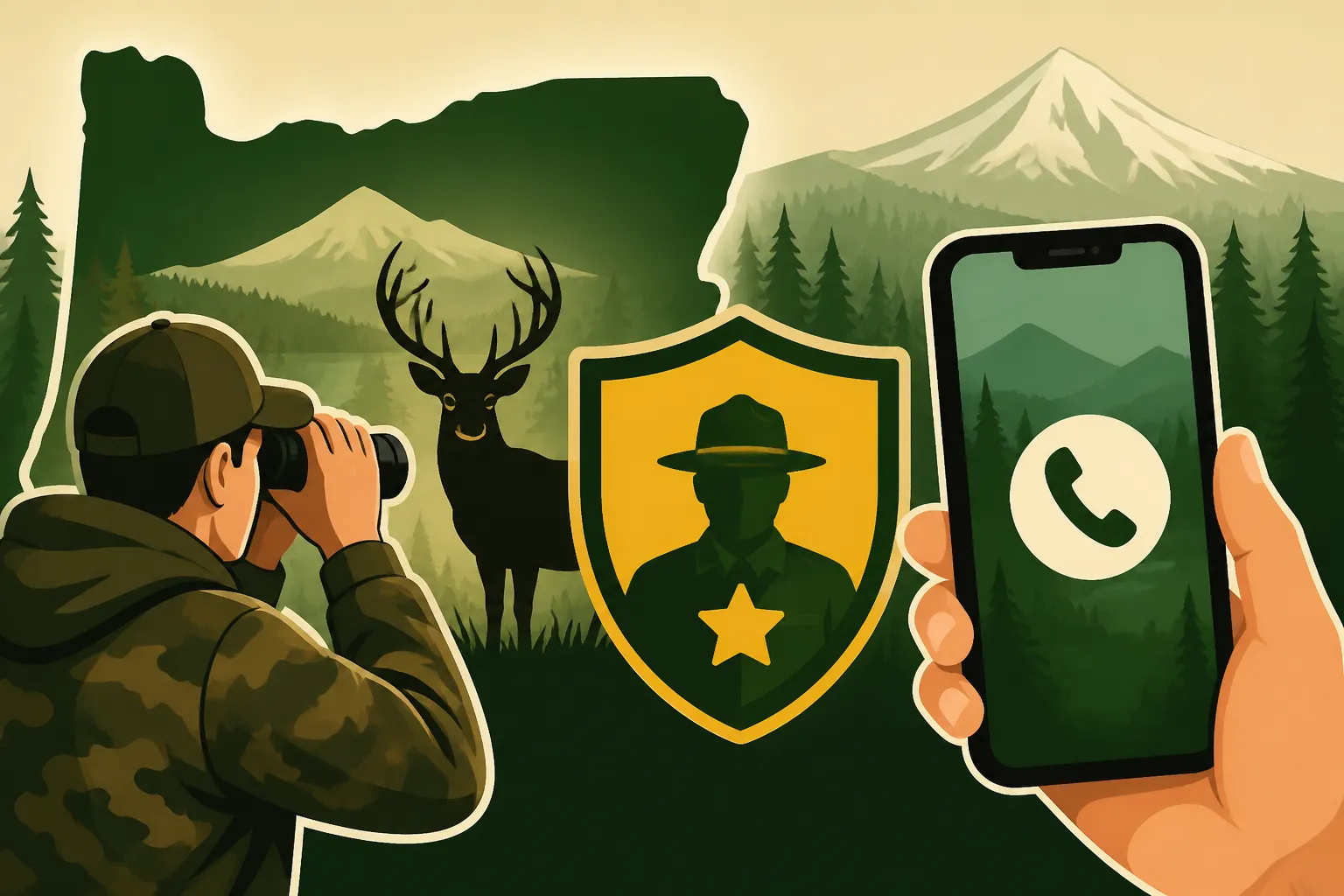
- TIP Hotline: The most direct method is to call the *Oregon State Police (OSP) TIP Line at OSP (or 1-800-452-7888). This number connects you directly to the OSP Fish & Wildlife Division, ensuring your report goes to the right people immediately. This is especially critical for active or unfolding situations.
- Email: For less urgent situations, you can send an email with your detailed report to TIP@osp.oregon.gov.
- Online Reporting Form: The OSP website also provides an online reporting form. This can be convenient if you have a lot of details to type out or prefer a digital method.
- Local OSP Office: If you know your local OSP office or a specific Fish & Wildlife Trooper, you can contact them directly.
When you report, be prepared to calmly and clearly relay all the information you've gathered. The OSP dispatcher or officer will guide you through the process and ask any follow-up questions. It’s also helpful to be familiar with the regulations yourself, so understanding resources like the annual Oregon Regulation Pamphlet Release Date and reviewing the rules for your hunt area is always a good idea. Knowing what constitutes a legal method, like adhering to Oregon's 300-Foot Rule Beside an Open Road, helps you identify when something is amiss.
The Role of Oregon State Police in Enforcement
The Oregon State Police Fish & Wildlife Division troopers are the front-line defense against wildlife crime. These dedicated officers are trained specialists, often working in remote areas, and they rely heavily on tips from the public. Once you submit a report, OSP troopers will assess the information, initiate an investigation, and, if warranted, pursue leads, collect evidence, and apprehend suspects. They have the authority to issue citations, make arrests, and confiscate illegally taken game or equipment. Without citizen involvement through programs like TIP, catching poachers would be far more difficult and less effective.
Protecting Your Identity and Encouraging Participation
It's completely normal to have reservations about reporting someone, especially when it comes to wildlife crimes. Thoughts of "What if they find out it was me?" or "Is it really worth the hassle?" can weigh heavily. However, the system is designed to protect you, and your participation is crucial for conservation.
Anonymity and Confidentiality for Informants
One of the most important assurances of the TIP program is that your identity can remain completely confidential. When you call the TIP Line or submit a report, you have the option to remain anonymous. OSP takes this very seriously, understanding that fear of retaliation is a major barrier to reporting. Your name and contact information are not released to the public or the suspect. This commitment to confidentiality helps ensure that people feel safe coming forward with information. The legal system is robust in protecting informants, recognizing their vital role in law enforcement.
Overcoming Hesitations: Why Your Report Matters
It's easy to dismiss a suspicious incident as "someone else's problem" or to think that one report won't make a difference. But every single report, even if it seems small, contributes to a larger picture. OSP might receive multiple reports on the same individual or area, which helps them build a case. Your report could be the missing piece of the puzzle. Imagine you've spent weeks E-Scouting Oregon Units With Satellite Imagery and physically Public Land Scouting in Oregon Before the Draw Results for a particular hunt, only to have your efforts undermined by poachers. Your report directly helps ensure that those who break the law face consequences, and that ethical hunting opportunities are preserved. It's about protecting the heritage we all share and ensuring that species like Oregon Black Bear Populations Across Oregon and Roosevelt Elk in Western Oregon continue to thrive under responsible management.
The Broader Impact of an Active Citizenry
An active and engaged citizenry reporting wildlife violations sends a clear message: poaching is not tolerated in Oregon. When the public actively participates in programs like TIP, it creates a powerful deterrent effect. Poachers become more hesitant to act, knowing that eyes are everywhere, from the deep timber where you might be Still-Hunting Blacktails in Wet Oregon Coastal Brush to the remote rimrock where you're Glassing Eastern Oregon Rimrock for Mule Deer. This collective vigilance helps support the work of ODFW and OSP, ensuring that the resources allocated to wildlife management are not wasted countering illegal activities. It reinforces the ethical principles of fair chase and responsible stewardship that are at the heart of our hunting tradition, strengthening the community of conservationists who rely on accurate information from sources like GoHunt to make their hunting plans.
Disclaimer
Please note that this guide provides general information based on current Oregon regulations and programs. Hunting laws and regulations can change, and it is always your responsibility to consult the official Oregon Department of Fish and Wildlife (ODFW) regulations and publications for the most accurate and up-to-date information before participating in any hunting activities or reporting violations. The reward amounts and specific program details can be subject to change.