Once-in-a-Lifetime Rules for Oregon Sheep
Oh, the Oregon bighorn sheep tag. Just uttering those words conjures images of rugged peaks, incredible canyons, and an elusive trophy that most hunters only ever dream of. It’s the ultimate lottery win in the hunting world, a true "bucket list" animal for so many of us who cherish the wild places of this state. But with such rarity comes a specific set of rules, particularly the infamous "once-in-a-lifetime" clause, that can be a real head-scratcher. Many hunters get confused about what this truly means for their application future. This guide is here to untangle those rules, clarify the implications, and help you understand what happens when you beat the astronomical odds and draw that coveted Oregon sheep tag.
Understanding Oregon's Bighorn Sheep Tags and Their Rarity
Drawing an Oregon bighorn sheep tag isn't just winning a hunt; it's gaining entry into an incredibly exclusive club, a privilege few hunters ever experience. The sheer majesty of these animals, combined with the breathtaking, often remote, landscapes they inhabit, makes them one of Oregon's most sought-after big game species.
The Dream of a Bighorn Sheep Tag
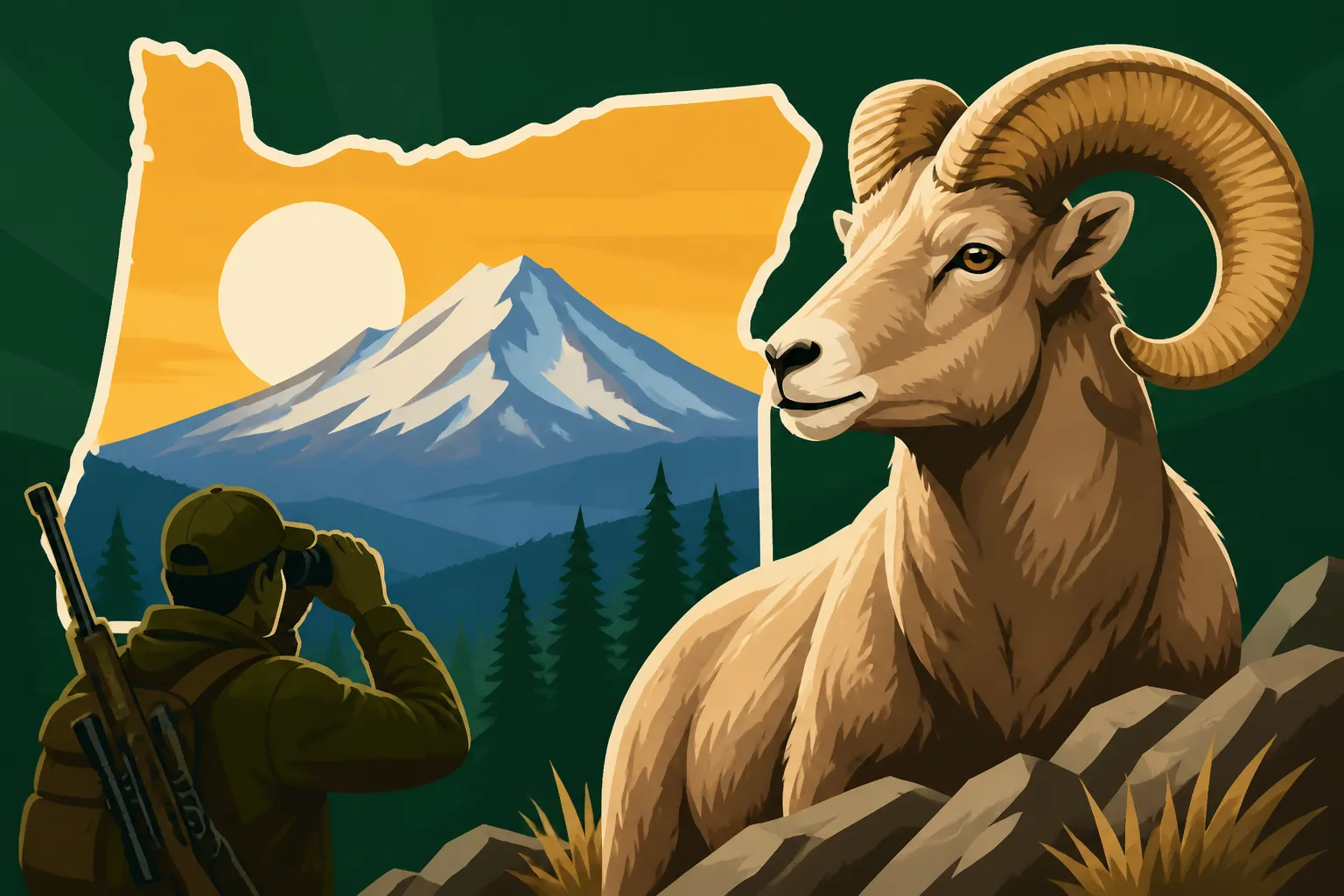
For years, many of us have poured over maps, studied population reports, and imagined what it would be like to pursue a bighorn ram in its natural element. Oregon is home to two distinct subspecies: the California Bighorn, found in the high desert canyons and rimrock country of places like the John Day River canyon, and the Rocky Mountain Bighorn, which roam the dramatic, towering peaks of the Wallowa Mountains, particularly around units like the Lostine or Snake River.
The allure isn't just the animal itself, but the hunt. It’s a physically demanding, mentally taxing endeavor that often takes you into some of the most remote and challenging terrain in the state. Imagine glassing a distant canyon wall, finally spotting that tell-tale white rump patch, and then embarking on a stalk that will test every ounce of your skill and endurance. It's a true test of a hunter, and the reward is not just a trophy, but an experience that imprints itself on your soul.
Why Bighorn Tags Are So Scarce
The reason these hunts are so rare, and thus so highly regulated, boils down to population numbers and dedicated conservation efforts. Unlike deer or elk, where tags are issued by the tens of thousands across various seasons and methods, bighorn sheep populations are much smaller and more susceptible to disease, habitat loss, and predation. For a deep dive into where these animals live and thrive, you can look into the history of California Bighorn Sheep Numbers in Oregon and Rocky Mountain Bighorn Herds in the Wallowas.
The Oregon Department of Fish and Wildlife (ODFW) manages bighorn sheep populations with extreme care, ensuring that only a very limited number of tags are issued each year. This controlled approach prevents over-harvest and allows the herds to maintain healthy demographics. We're talking about a handful of tags annually across the entire state, sometimes as few as 10-20 tags total for both subspecies combined, including resident and non-resident allocations. This scarcity is precisely why the draw odds are so incredibly low, often in the single digits of a percentage point, or even less than 1%. It's a stark contrast to general season deer or elk tags, which are often available over-the-counter or through a draw system that grants many more opportunities. The limited tags are a necessary measure to protect these magnificent animals for future generations, making every single tag issued a precious commodity.
The "Once-in-a-Lifetime" Rule in Detail
This is where the rubber meets the road for Oregon bighorn sheep applicants. The phrase "once-in-a-lifetime" isn't just a figure of speech; it's a hard and fast rule that dramatically impacts your future hunting opportunities for these specific animals in Oregon.
What "Once-in-a-Lifetime" Truly Means for Oregon Hunters
Let's clear up the biggest misconception right away: for bighorn sheep in Oregon, the "once-in-a-lifetime" rule means that once you successfully draw a bighorn sheep tag, you can never apply for or be issued another bighorn sheep tag in Oregon again. This is regardless of whether you harvest a ram or not during your hunt.
Think about that for a moment. It's not about successfully killing a sheep; it's about drawing the tag itself. The moment your name is pulled in that lottery, your opportunity to pursue bighorn sheep in Oregon, through the controlled hunt system, is effectively over. This rule is enshrined to maximize the number of individual hunters who get to experience this rare opportunity. ODFW's philosophy is to provide one chance at this unparalleled hunt to as many different hunters as possible, rather than allowing a few lucky individuals to draw multiple tags over their lifetime.
This distinction is incredibly important. Many hunters, familiar with the elk and deer draw system, assume that if they don't harvest, they can simply apply again. Not so with bighorn sheep. If you draw the tag, even if you go home empty-handed, that was your one shot through the lottery system. It puts an immense amount of pressure and significance on that single opportunity, emphasizing the need for meticulous planning and effort if you're fortunate enough to draw.
Impact on Preference Points and Future Applications
Another critical difference between bighorn sheep and other big game species in Oregon is the absence of a traditional preference point system. When applying for deer or elk controlled hunts, you accumulate preference points for unsuccessful applications, which increase your odds in subsequent years. Once you draw, those points are typically purged, and you start accumulating them again for future applications. For a better understanding of how points work in other draws, you can read about What Happens to Points When You Draw.
However, for bighorn sheep, there are no preference points. Every single applicant, every year, starts on an equal footing. It's a pure lottery system, meaning a brand-new hunter with zero application history has the exact same statistical chance of drawing a bighorn sheep tag as someone who has applied for 40 years straight. This might seem frustrating to those who have applied diligently for decades, but it ensures that everyone gets a fair, albeit slim, shot at this incredibly rare tag.
Since there are no points, there's nothing to purge. Once you draw that sheep tag, your name is simply removed from the pool of eligible applicants for future bighorn sheep hunts in Oregon. You won't accumulate "no-draw" points because they don't exist for sheep. This once again underscores the profound significance of drawing that tag; it’s truly a one-time deal.
For those serious about understanding the odds and making informed decisions, even in a pure lottery, resources like GoHunt can be incredibly valuable. While it can't change the lottery nature of the sheep draw, it offers tools to research historical tag allocations, success rates, and unit breakdowns, helping you understand the landscape you're putting your name into. This allows you to evaluate which units might historically offer a few more tags, or which might be less popular, though for sheep, "less popular" is still incredibly competitive.
Navigating the Application Process and Maximizing Your Chances
Given the rarity and the "once-in-a-lifetime" rule, applying for an Oregon bighorn sheep tag requires a specific mindset. It's about understanding the process, being realistic about the odds, and being fully prepared if, by some miracle, your number comes up.
The Application Strategy for Bighorn Sheep
The application period for most Oregon controlled hunts, including bighorn sheep, typically runs through May 15th each year. This is a crucial deadline that you absolutely cannot miss if you want a chance at these tags. You'll apply through the ODFW's electronic licensing system, just as you would for any other controlled hunt. For specific instructions, you can refer to the guide on Oregon Bighorn Sheep and Goat Applications.
Since there's no point system for sheep, your "strategy" isn't about building points, but rather making a choice, or choices, based on your desired experience and the available units. While the odds are incredibly long for any unit, some units might have slightly more tags than others in a given year, or offer a different type of terrain or access. Many applicants will also throw their hat in the ring for the highly coveted Oregon Mountain Goat Draw Odds tags, which also fall under the once-in-a-lifetime rule.
When applying, remember that every application is a roll of the dice. Your best bet is to carefully review the current year's hunting regulations, which are usually released well before the application period, often after Oregon Commission Meetings on Hunting Rules. Pay close attention to the specific units and the number of tags allocated. Even though it's a lottery, using a platform like GoHunt to look at historical data and unit information can give you a better feel for the areas. While it won't increase your chances of drawing, it helps you visualize the hunt you'd be getting into.
It's also worth noting that non-residents face even steeper odds due to a limited percentage of tags allocated to them, as detailed in Oregon Sheep Draw Odds for Nonresidents, compared to Oregon Sheep Draw Odds for Residents. Regardless, the dream is real for everyone.
What to Do If You Draw the Coveted Tag
If you defy the odds and your name appears on the Oregon Draw Results Release Date list for an Oregon bighorn sheep tag, congratulations! You've just won one of the most exclusive hunting opportunities in North America. But the real work, and the real fun, is just beginning.
Firstly, recognize the profound responsibility that comes with this tag. You have been granted an opportunity that thousands of other hunters will never get. Your immediate focus should turn to intense physical conditioning. Bighorn country is steep, rocky, and unforgiving. Weeks, if not months, of rigorous hiking, backpacking, and cardio will be essential.
Next, dive deep into scouting. If possible, make multiple trips to your unit well before the season opens. Use mapping tools, including layers from GoHunt, to identify potential sheep habitat, water sources, and access points. E-scouting is a great starting point, but boots-on-the-ground reconnaissance is critical. Look for historical sheep sign, escape routes, and bedding areas.
For many, given the "once-in-a-lifetime" nature, hiring a reputable guide becomes a serious consideration. A guide can offer invaluable experience in navigating complex terrain, spotting sheep, and understanding their behavior in a specific unit. If you're considering this, research options carefully, as detailed in Hiring a Registered Oregon Hunting Guide. They can help you maximize your single chance at success.
Remember, this isn't just a hunt; it's a monumental undertaking. Ensure your optics are top-notch, your rifle is sighted in, and your gear can withstand the rigors of sheep country. This is the hunt of a lifetime, and it deserves every ounce of preparation you can give it.
Comparing Oregon's Tag Systems
To help illustrate the unique nature of Oregon's once-in-a-lifetime sheep tags, let's look at how they stack up against other big game tags in the state.
| Tag Type | Preference Points | Once-in-a-Lifetime Rule | Draw Odds (General) | Primary Goal of System |
|---|---|---|---|---|
| Bighorn Sheep / Mountain Goat | No | Yes (if you draw) | Extremely Low (<1-5%) | Give many individuals one unique opportunity |
| Controlled Elk / Deer | Yes | No (points purged) | Moderate to Low (5-50%) | Reward persistence, manage harvest, provide quality hunts |
| General Season Deer / Elk | N/A | No | 100% (OTC or high draw) | Provide broad access, manage large populations |
| Bear / Cougar | No | No | Varies (OTC to controlled) | Manage predator populations, provide additional opportunity |
Disclaimer
The information provided in this guide is for general informational purposes only and does not constitute legal advice. Hunting regulations and rules, particularly those set by the Oregon Department of Fish and Wildlife (ODFW), can change. Always consult the most current official ODFW hunting regulations pamphlet and related resources before applying for or participating in any hunt. It is the hunter's responsibility to understand and comply with all applicable laws and regulations.