Oregon Draw Results Release Date
That moment when you've applied for an Oregon controlled hunt and the May 15th deadline has come and gone, you're left with that gnawing feeling of anticipation. Will all those preference points finally pay off? Did you pick the right unit this year? The waiting can be excruciating, but knowing when and how to check your results can help ease some of that suspense. This comprehensive guide will walk you through everything you need to know about the Oregon draw results release date, what to expect, and what to do next.
Understanding the Oregon Controlled Hunt Draw Timeline
Hunting in Oregon, especially for sought-after species like mule deer and Rocky Mountain elk, often means navigating the controlled hunt draw system. It's a process that demands patience and a keen understanding of the timeline. From application to drawing, each step has its own set of anxieties and expectations.
The Application Window and Deadline
The journey to an Oregon controlled hunt tag begins long before the season opens, typically in the spring. For most big game species, the Oregon Department of Fish and Wildlife (ODFW) sets a very specific application period, with a hard deadline of May 15th. This date is absolutely critical; miss it, and you're out of luck for that year's draw, no matter how many preference points you've accumulated.
Many seasoned hunters mark this date on every calendar they own. It's the last chance to submit your choices for deer, elk, antelope, bighorn sheep, and mountain goat hunts across the state. Whether you're applying for the first time or meticulously strategizing your Oregon Preference Points and How They Work for a trophy hunt, getting your application in on time is non-negotiable. Don't let the thought of "I'll do it later" cost you a year of opportunity. You can find detailed instructions and requirements for applying in our article about the Oregon Controlled Hunt Application Deadline.
The Waiting Game: What Happens After You Apply
Once you've submitted your application and the May 15th deadline has passed, a period of quiet anticipation begins. It feels like an eternity, doesn't it? ODFW's systems are busy processing thousands upon thousands of applications, verifying license purchases, preference point totals, and cross-referencing choices. It's not an instant process; there's a lot of data to sort through to ensure fairness and accuracy.
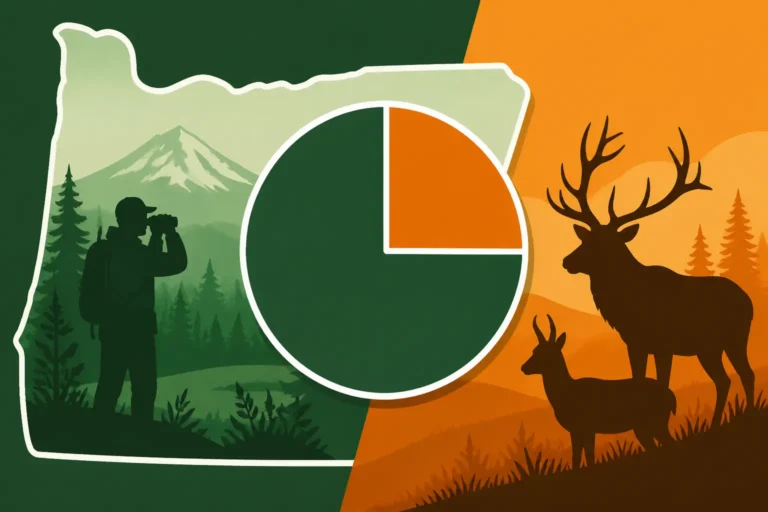
During this time, you might find yourself checking your ODFW account login more often than necessary, or refreshing forums to see if anyone has heard a whisper. The system is crunching numbers, applying the 75/25 split (75% of tags awarded by preference points, 25% by random draw), and ensuring all the rules are followed. While it’s tempting to overthink your choices or regret a particular unit selection, at this point, all you can do is wait for the official announcements.
When to Expect Your Oregon Draw Results
This is the question that keeps every controlled hunt applicant on the edge of their seat: When will I know if I drew a tag? The ODFW has a pretty consistent schedule, but it's always good to be prepared.
The Official Release Date for Oregon Big Game
While ODFW doesn't typically announce a specific minute and second for the release, the general timeframe is quite reliable. You can usually expect the Oregon Draw Results Release Date to fall in mid-June. Historically, this has often been around the second or third week of the month, but it's crucial to understand that exact dates can sometimes shift slightly based on internal processing schedules.
I remember one year, it felt like the results came out a day earlier than anticipated, and my phone started blowing up with texts from buddies who'd already checked. The collective sigh of relief (or groan of disappointment) echoes across the hunting community when those results finally drop. Don't stress yourself by expecting them on June 1st; mark your calendar for the middle of the month, and consider anything earlier a bonus.
How You'll Be Notified and Where to Check
When the results are officially posted, ODFW primarily uses two methods to inform applicants. The most common and direct way is through their online licensing system. You'll need to log into your account, and there should be a prominent notification or section dedicated to your controlled hunt results. It's often under a "Controlled Hunt Applications" or "Draw Results" tab within your profile.
Additionally, ODFW typically sends out email notifications. However, these emails can sometimes be delayed or, regrettably, end up in your spam folder. So, while an email is a nice heads-up, the most reliable and often fastest way to get your results is by directly logging into your ODFW online account. Many hunters also rely on third-party services like GoHunt for notifications and in-depth draw odds analysis. GoHunt often compiles this information quickly, providing an easy-to-digest summary of your draw outcome and what it means for your preference points. For a detailed walkthrough of the entire process, check out our guide on How to Apply for an Oregon Controlled Hunt.
Decoding Your Oregon Draw Results
Once you've navigated to the results page, the immediate rush of adrenaline is usually followed by either pure elation or a familiar feeling of "maybe next year." Understanding what the results mean for your hunting season is the next crucial step.
Understanding Successful and Unsuccessful Outcomes
If you're among the fortunate hunters who drew a tag, your results will clearly state "Successful" or "Tag Awarded" for one of your chosen hunts. This is the moment you've been dreaming of, the culmination of your application strategy and, perhaps, years of accumulating points. A successful draw means you've secured the permit to hunt that specific animal in that particular unit during the designated season. Congratulations! This is when the real planning begins – scouting, gear prep, and maybe even a victory dance.
For the majority, however, the result will likely be "Unsuccessful" for all your choices. This can be deflating, especially if you had high hopes or thought you had enough points. But don't despair! An unsuccessful draw isn't a total loss. It means you've automatically accrued another preference point for that species, which is vital for improving your odds in future draws. It's a marathon, not a sprint, especially for prime units. Our comprehensive article, Oregon Controlled Hunt Draw Explained, breaks down the entire draw process, including the point system and how tags are allocated.
The Role of Preference Points in Future Draws
Preference points are the currency of controlled hunts in Oregon. When you are unsuccessful in the draw, you gain one preference point for that species, provided you applied for a controlled hunt as your first choice. These points are designed to give loyal applicants a better chance over time. The more points you have, the higher you climb in the preference point hierarchy, theoretically increasing your odds of drawing a coveted tag.
For popular units and species, it can take many years to accumulate enough points to guarantee a draw, or even just have a reasonable chance. This phenomenon is often referred to as "point creep," where the number of points needed to draw a tag gradually increases over time as more hunters accumulate points. Keeping track of your points and understanding the historical draw odds is crucial for long-term planning. Resources like GoHunt are invaluable here, providing detailed historical draw data and predictive tools to help you strategize your future applications and understand the impact of point creep on your chosen units. Learning about Oregon Preference Points and How They Work will give you a significant edge in future draw applications.
What to Do After the Results Are Out
Whether you're celebrating a successful draw or planning for next year, the release of draw results marks a new phase in your hunting journey. It's time to shift gears and put a plan into action.
If You Drew a Tag: Planning Your Hunt
This is the exciting part! If you've drawn that coveted tag, it's time to transition from hoping to actively preparing. First things first: confirm your tag is correctly printed or downloaded if required by ODFW. Then, dive headfirst into planning. This might include:
- Intensive Scouting: Start immediately. If it's an elk tag in the Coast Range, consider doing some E-Scouting Oregon Units With Satellite Imagery to identify potential bedding areas, feeding zones, and travel corridors. For Eastern Oregon mule deer, this means glassing rimrock and juniper draws. Even if you've hunted the unit before, conditions change.
- Gear Check: Go through your hunting pack, rifle, archery setup, and clothing. Make sure everything is in top condition. Are your boots broken in? Is your rain gear still waterproof for those inevitable coastal downpours?
- Physical Preparation: Oregon hunts, especially for elk, can be physically demanding. Start a fitness regimen if you haven't already. Whether you're planning for Oregon Elk Hunting Tactics for the November Rifle Seasons or a demanding backcountry archery hunt, physical conditioning is key to success and enjoyment.
- Logistics: Plan your travel, accommodation, and any necessary time off work. Coordinate with hunting partners. Figure out your Public Land Scouting in Oregon Before the Draw Results schedule.
The earlier you start preparing, the better positioned you'll be for a successful and enjoyable hunt.
If You Didn't Draw: Exploring Other Options
An unsuccessful draw can feel like a setback, but it's definitely not the end of your hunting season. Oregon offers a variety of other opportunities.
- General Season Tags: For deer and elk, Oregon offers general season tags that can be purchased over-the-counter. While these hunts are often more crowded and may be in less desirable areas than controlled hunts, they still offer a fantastic opportunity to get out in the field. Our article on Oregon General Season Versus Controlled Hunt Tags offers a deep dive into these options.
- Point-Only Applications: If you know you're aiming for a high-point unit in the future and don't want to burn your points on a long-shot draw, you can apply for a "point only" during a specific window. This allows you to accumulate a preference point without actually applying for a hunt. Understanding the Oregon's Point-Only Application Window is vital for this strategy.
- Hunting Other Species: Don't forget about other game animals! Oregon also has general season tags available for predators like coyotes, and controlled or general tags for Oregon Cougar and Bear Tags. These hunts can be incredibly rewarding and keep you sharp for your next big game pursuit.
- Research for Next Year: Use the time to research new units, analyze historical draw data, and refine your strategy for the next application period. GoHunt is an excellent platform for this, offering tools to analyze draw odds and strategize your next move based on current point requirements.
Remember, every year is a new opportunity to learn, adapt, and enjoy the pursuit of wild game in Oregon.
Common Pitfalls and Troubleshooting
Even with all the information at your fingertips, the controlled hunt draw process can present a few challenges. Being aware of these common pitfalls can save you a lot of frustration.
Missing Notifications and Checking Your Account
One of the most common issues hunters face is either missing the ODFW email notification or not realizing the results are out because they weren't checking their account. It's easy for ODFW emails to get filtered into spam or promotions folders, especially if you don't frequently interact with the ODFW email address.
To avoid this, make it a habit to log into your ODFW online licensing system account regularly in mid-June. Don't wait for an email; be proactive. You can typically see your application status and results directly in your profile. If you've been anxiously waiting, a quick login check can confirm your fate long before an email might arrive. It's your responsibility as a hunter to confirm your draw results, so make that direct login your primary method.
Understanding Point Creep and Odds
Another area that causes a lot of head-scratching is "point creep." This refers to the gradual increase in the number of preference points required to draw a specific controlled hunt tag. Each year, more hunters apply and accumulate points, which pushes the average point total needed for a successful draw higher and higher. This means a unit you might have drawn with 8 points five years ago could now require 12 or more.
Point creep can be incredibly frustrating, as it feels like the goalpost is constantly moving. It makes long-term planning challenging, but it's a reality of popular controlled hunts. This is where tools like GoHunt truly shine. They aggregate historical draw data, allowing you to see the trend of point creep for specific units over several years. By analyzing this data, you can make more informed decisions about which units to apply for, when to use your accumulated points, and whether a hunt is truly within your realistic reach. Delve deeper into this topic with our article on Oregon Point Creep in Popular Units to better understand its impact on your draw strategy.
| Event | Typical Timeframe | Action to Take |
|---|---|---|
| Controlled Hunt Application | April 1 – May 15 | Submit your application online, review choices. |
| Draw Results Release | Mid-June (typically 2nd-3rd week) | Log into ODFW account; check for email notification. |
| If Successful | Post-Results | Confirm tag, start scouting, gear prep, physical training. |
| If Unsuccessful | Post-Results | Check preference points, consider general season, plan for next year. |
| Point-Only Application Window | Mid-June – December 1 | If no general season hunt, purchase a point for next year. |
Disclaimer
The information provided in this guide is for informational purposes only and is based on general Oregon hunting regulations and common practices. Hunting regulations, dates, and application processes can change. It is the sole responsibility of the hunter to consult the most current Oregon Department of Fish and Wildlife (ODFW) regulations, proclamations, and official resources before applying for any tag or engaging in hunting activities. Always prioritize safety, ethical hunting practices, and adherence to all local, state, and federal laws.