Special Permits for Closed Roads
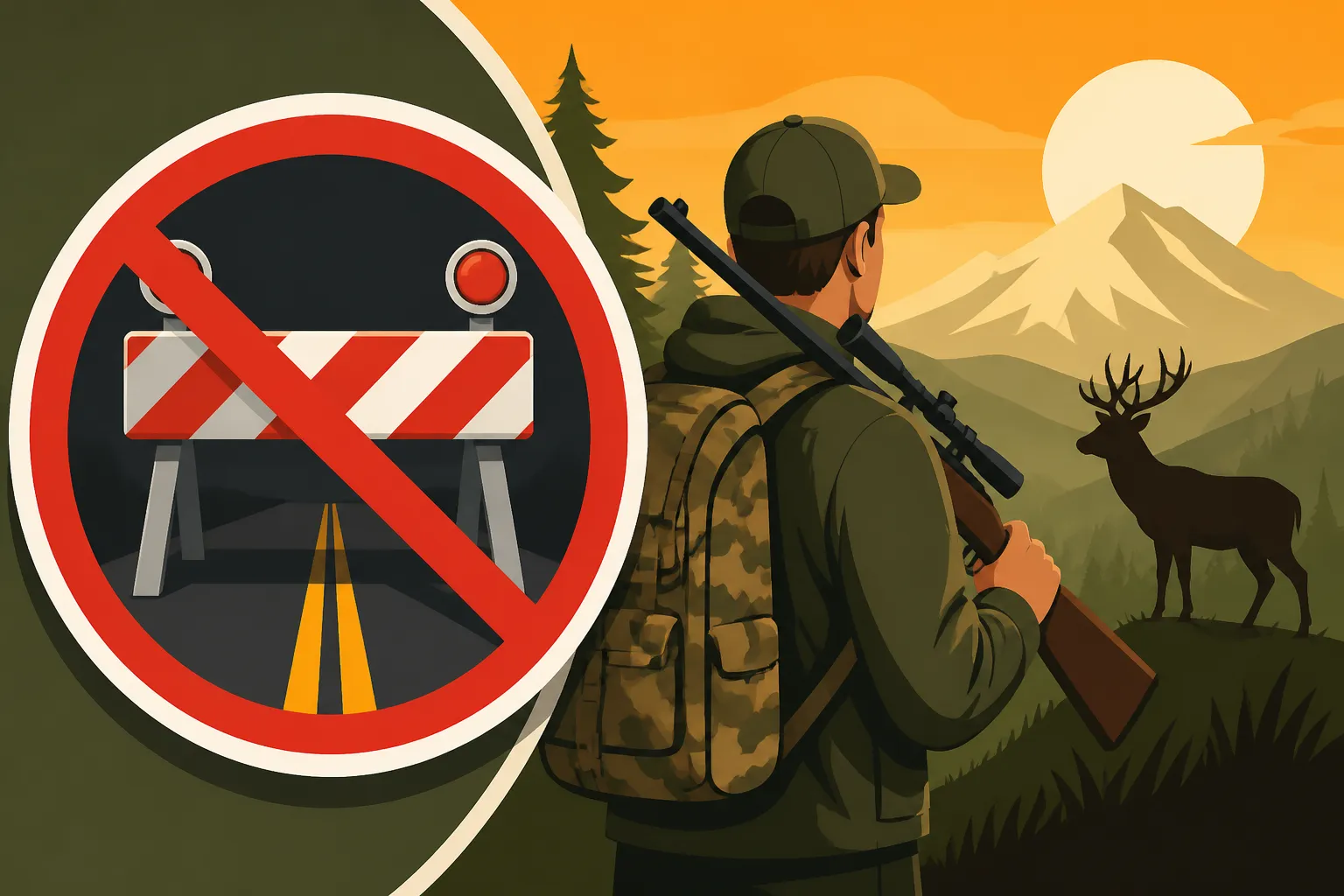
There’s nothing quite like the crushing disappointment of rising before dawn, driving for hours into what you think is prime hunting country, only to slam into a locked gate or a clearly marked "Road Closed" sign. It feels like all your scouting and planning just evaporated. In Oregon, these closures are a common reality, often putting some of the best habitat out of reach. But what if there was a way to push past those barriers? This guide will delve deep into the world of special permits for closed roads, exploring how you might gain critical motorized access to areas most hunters can only dream of reaching on foot.
Understanding Why Roads Close in Oregon's Hunting Lands
The reasons behind road closures in Oregon are varied and often multifaceted, designed to balance conservation, public safety, and resource management. It's rarely a conspiracy to keep hunters out, but rather a necessary measure to protect the very resources we cherish.
Protecting Wildlife and Habitat Integrity
One of the most common and vital reasons for road closures, especially on public lands managed by the Oregon Department of Fish and Wildlife (ODFW), the U.S. Forest Service (USFS), or the Bureau of Land Management (BLM), is wildlife protection. These closures often coincide with critical periods for animals, such as winter range, calving, or fawning seasons. For instance, many winter range closures affect specific units in Eastern Oregon, preventing disturbance to deer and elk when they are most vulnerable and trying to conserve energy. Driving vehicles into these sensitive areas can stress animals, forcing them to expend precious calories fleeing, which can lead to higher mortality rates.
Furthermore, some areas are closed to motorized traffic to reduce overall human pressure. Less road access often means less hunting pressure and disturbance, allowing game animals to feel safer and utilize more of their available habitat. This can lead to healthier, less wary populations that are vital for long-term hunting opportunities. If you're looking to understand these dynamics more, exploring topics like Elk Behavior After a Wildfire or Winter Range Closures That Affect Late Hunts can shed more light on why these measures are so important.
Managing Commercial Timber and Forest Operations
Another significant factor in road closures, particularly on state forests and vast private timberlands, is active commercial logging and other forest operations. Imagine a massive log truck hurtling down a winding gravel road that's also being used by hunters. It's a recipe for disaster. Timber companies close roads for safety during active harvesting, hauling, and replanting operations. These areas might be undergoing new road construction, graveling, or intense machinery use, making them unsafe for public vehicle access.
Beyond safety, closed roads also help protect infrastructure. Logging roads, while robust, are expensive to maintain. Unrestricted public access, especially during wet weather, can lead to rapid deterioration, creating massive ruts and washouts that hinder logging operations and increase maintenance costs significantly. Companies like Weyerhaeuser or Hancock Forest Management, who own vast tracts across Oregon, manage thousands of miles of these roads, and their closures are often dynamic, changing with operations.
Environmental Protection and Road Deterioration
Oregon's diverse landscapes, from the wet Coast Range to the arid High Desert, present unique environmental challenges. Road closures are frequently implemented to prevent environmental damage. For example, during heavy rains or snowmelt, gravel roads can quickly become saturated and prone to severe erosion, leading to sediment runoff into critical fish-bearing streams. To prevent this, agencies often institute seasonal closures, protecting water quality and aquatic habitats.
Additionally, roads might be closed for ecological restoration projects, such as culvert replacements to improve fish passage or efforts to re-vegetate sensitive areas. Deterioration due to vehicle traffic, especially off-road use, can also destroy delicate plant communities, spread invasive species, and compact soils, impacting the long-term health of the forest or rangeland. Understanding these factors helps us appreciate the necessity behind many of these seemingly frustrating closures.
Types of Special Permits for Motorized Access
While many roads are simply off-limits, there are indeed avenues to gain special motorized access. However, it's crucial to understand that these opportunities are generally limited, sometimes highly competitive, and vary greatly depending on the land manager.
ODFW Travel Management Area (TMA) Permits
In certain ODFW Travel Management Areas (TMAs) across Oregon, particularly those designed to disperse hunting pressure or protect specific game populations, there are very specific, limited motorized access permits available. These permits aren't for every closed road, but for designated, controlled access within the TMA. The goal here is often to provide a unique, quality hunting experience by limiting the number of vehicles in an area at any given time, thereby reducing disturbance to animals.
Access in these TMAs is usually determined by a special draw or a quota system, much like drawing a controlled hunt tag. Hunters might apply for specific "motorized access permits" for a given unit or sub-unit, often tied to a particular hunt. The number of permits issued is extremely low compared to demand, making them highly sought after. Information on these rare opportunities is usually found within the annual ODFW Big Game Regulations or on their website. It's vital to research these well in advance of the application deadlines. Knowing how to interpret these regulations and maps is critical; for a deeper dive, check out our article on Reading a Travel Management Area Map Before You Drive.
Federal Land Agency Permits USFS & BLM
For most hunters, obtaining a special motorized access permit for general hunting purposes on roads closed by the U.S. Forest Service (USFS) or the Bureau of Land Management (BLM) is exceedingly rare, almost non-existent. These agencies typically implement road closures for conservation, safety, or resource protection across broad areas, and granting individual permits for general hunting access would run counter to those objectives.
However, there can be very specific, limited exceptions. For instance, individuals with documented disabilities might qualify for a specific permit under the Americans with Disabilities Act (ADA) to access certain closed roads if it's deemed a reasonable accommodation for their hunting activities. This isn't a general pass, but a tailored solution for specific circumstances. Occasionally, for very large organized events or scientific research, an administrative permit might be issued, but these do not apply to individual hunters seeking better access. It's always worth contacting the local Ranger District or BLM Field Office directly to inquire about any specific, legitimate needs, but manage your expectations – general hunting access on closed federal roads is generally not granted.
Private Timber Company Access Agreements
This is often where the most significant opportunities for special motorized access permits lie for the average hunter. Large private timberland owners in Oregon, such as Weyerhaeuser, Stimson Lumber, and Hancock Forest Management, control vast areas of productive forest land. Historically, many of these lands were open to public access, but due to issues like wildfire risk, illegal dumping, road damage, and commercial conflicts, many companies have moved to permit systems.
These permits typically come with a fee and can range from annual passes to daily permits for specific gates or areas. The process usually involves applying online through the company's dedicated portal. For example, Weyerhaeuser's recreational access program, often known as "Weyerhaeuser Access Permits," can be purchased for various regions across their landholdings. Hancock Forest Management also offers similar fee-based programs. These permits will specify:
- Designated Access: Which specific roads or gates you can use.
- Timeframes: When you can access the property (e.g., during hunting season, specific days of the week).
- Vehicle Types: Whether ATVs, UTVs, or only full-size vehicles are allowed.
- Activities: What activities are permitted (hunting, fishing, hiking, shed hunting).
These permits are invaluable for hunters seeking to access less-pressured areas, particularly in Western Oregon's Coast Range and Cascade foothills, which can be difficult to hunt without some motorized access. It's a trade-off, of course, as these permits come at a cost, but they can open up significant opportunities beyond what's available on purely public land. Be aware that even with a permit, some areas may still be designated as Walk-In Only Gates on Industrial Timber.
Navigating the Application Process and Rules
Obtaining a special permit for closed roads isn't as simple as picking one up at the local store. It requires diligent research, adherence to deadlines, and a thorough understanding of the specific rules that come with it.
Researching Permit Availability and Deadlines
The absolute first step is research, and it needs to happen early. Don't wait until the week before opening day. For ODFW-managed TMAs, start by reviewing the current year's Big Game Regulations pamphlet as soon as it's released, usually in late spring. Pay close attention to unit-specific regulations and any sections pertaining to "controlled access" or "special motorized use." The ODFW website is also a primary source for announcements and application periods for any unique permits.
For private timber companies, you'll need to visit their specific websites directly. Companies like Weyerhaeuser and Hancock Forest Management often have dedicated recreation sections where they announce permit sales, access dates, and detailed maps. These permits can sometimes sell out quickly, especially for prime hunting seasons, so mark your calendar as soon as you see the sales window open. Many hunters find tools like GoHunt invaluable for identifying land ownership boundaries and overlaying them with potential access points, helping them pinpoint which private timber companies to investigate. This kind of E-Scouting Oregon Units With Satellite Imagery can save you countless hours of driving.
Understanding Permit Restrictions and Responsibilities
Once you've identified a potential permit, it's critical to understand every single restriction and your responsibilities as a permit holder. Ignoring these rules isn't just a minor infraction; it can lead to hefty fines, revocation of your permit, and even the loss of access for all hunters in the future. Key things to look out for include:
- Specific Roads and Gates: Permits will often delineate exactly which roads you can use and which gates you are authorized to open (and must re-lock). Straying from these designated routes is usually prohibited.
- Vehicle Type: Some permits allow only ATVs or UTVs, while others may allow full-size trucks. Ensure your vehicle complies.
- Dates and Times: Access might be limited to certain months, days of the week, or even daylight hours. Respect these timeframes rigidly.
- Speed Limits: Roads, especially on private timberland, often have posted speed limits, sometimes as low as 15-20 MPH, for safety due to blind corners, logging traffic, or uneven surfaces.
- Leaving Gates as Found: If you open a gate to pass through, you must close and lock it behind you, even if you don't see anyone else around. This is paramount for preventing unauthorized access and maintaining the integrity of the property.
- No Off-Road Travel: Staying strictly on designated roads is non-negotiable. Driving off-road leads to environmental damage and is a quick way to lose access privileges.
- Fire Restrictions: Always be aware of current fire restrictions, especially during dry seasons. Operating vehicles in high fire danger areas comes with severe risks.
- Trash and Waste: Pack out everything you pack in, and then some. Leave the land cleaner than you found it.
These rules are in place for a reason, and responsible behavior by hunters is the only way these limited access programs will continue to be offered.
Utilizing Digital Tools for Permit Planning
In today's hunting world, digital mapping platforms are indispensable, especially when dealing with complex land ownership and road access. Services like GoHunt allow you to overlay layers showing public and private land boundaries, as well as identified roads, including those often marked as closed. This capability is gold for researching permit opportunities.
Before applying for any permit, use these tools to visualize the access you'd be gaining. For example, if a permit opens up a specific gated road, use the satellite imagery and topographical maps on platforms like GoHunt to see what terrain that road accesses. Are there promising clearcuts, ridge lines, or water sources that would become accessible? This detailed pre-planning can significantly increase your chances of success. Furthermore, many agencies now offer downloadable geo-referenced PDF maps of Travel Management Areas or specific forests, which can be loaded onto your phone or GPS device for offline navigation, helping you stay on the correct roads once you have your permit in hand.
| Permit Source | Typical Purpose | General Availability for Hunters | Key Restrictions/Notes |
|---|---|---|---|
| ODFW (Travel Mgmt Areas) | Wildlife protection, dispersed pressure | Very Limited (Draw/Quota System) | Specific units, often tied to a controlled hunt, highly competitive. |
| USFS/BLM (Federal Lands) | Conservation, resource protection | Extremely Rare (Special Circumstances) | Usually only for ADA accommodation or administrative needs, not general hunting. |
| Private Timber Companies | Controlled access for recreation, safety | Moderate (Fee-Based) | Paid permits required, specific gates/roads, seasonal, strict rules. |
Maximizing Your Hunt with Permitted Access
Securing a special permit for a closed road is a golden ticket. It means you've got access to areas that most other hunters can't easily reach, which can be a game-changer for your hunting success and experience.
Strategic Scouting and Hunt Planning
Once you have that coveted permit, your scouting and hunt planning take on a whole new dimension. You're no longer limited to foot access from heavily-trafficked main roads. Use your motorized access to push deeper into the unit, reaching pockets of habitat that receive significantly less pressure. This allows you to explore areas that might hold more mature animals or undisturbed populations.
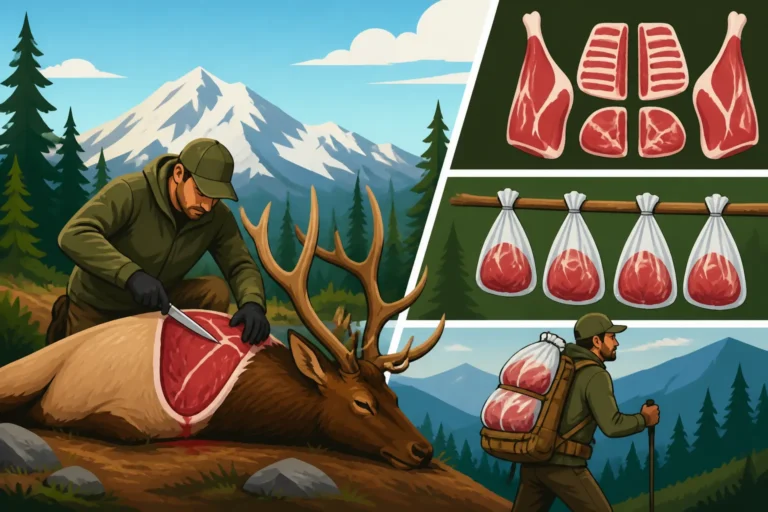
Think about how you'll use this access strategically. Maybe it's to get your camp set up in a more remote location, or to drastically cut down on your hiking time to an overlooked basin. For instance, if you have access to a gated logging road, you might use it to quickly get to a high point, allowing you to spend more time glassing Eastern Oregon Rimrock for Mule Deer or still-hunting in wet coastal brush where blacktails thrive. This kind of deep access can also be crucial for Packing Out an Elk in Oregon's Wilderness Units if you're lucky enough to fill a tag far from the main road. The fewer miles you have to carry meat on your back, the better your chances of getting it out fresh.
Ethical Considerations and Respect for Access
The privilege of special road access comes with a profound responsibility. These permits are often offered on a trial basis or with the understanding that misuse by a few can jeopardize access for all. It's imperative to be a model of ethical conduct and respect for the land and the rules.
This means not only strictly adhering to every term of your permit—staying on designated roads, respecting speed limits, and leaving gates exactly as you found them—but also going above and beyond. Pack out all your trash, and if you see litter left by others, consider packing that out too. Report any observed violations of permit rules or poaching directly to the land manager or ODFW. The future of these valuable access opportunities literally depends on hunters demonstrating that they can be responsible stewards of the land. Remember, these roads are closed for a reason, and our careful use of permits ensures those reasons (like wildlife protection) are not undermined.
Disclaimer
The information provided in this guide is for general informational purposes only and does not constitute legal advice. Hunting regulations, permit availability, and land access rules in Oregon are subject to change by the Oregon Department of Fish and Wildlife (ODFW), federal agencies (USFS, BLM), and private landowners. Always consult the most current ODFW hunting regulations, specific land manager websites, and private timber company policies before planning any hunt or attempting to access restricted areas. It is the hunter's responsibility to know and obey all applicable laws and regulations.