Judging Bear Size Without a Reference
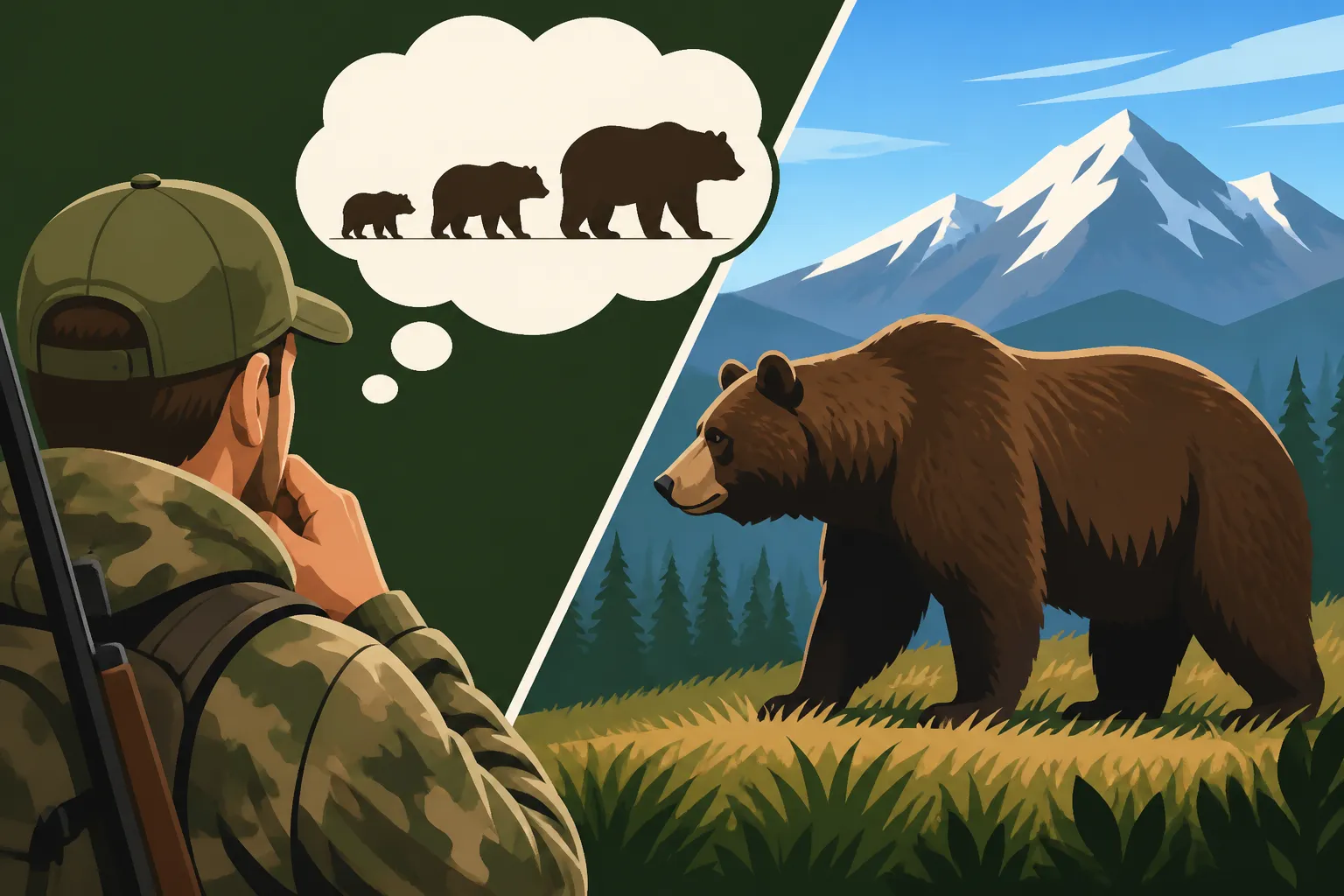
You've just spotted movement in the dense undergrowth, your heart leaps into your throat, and then there it is – a black bear. But in that split second of adrenaline, how do you tell if it's a mature boar worthy of your tag or just a smaller, younger bear that needs a few more years? Without a truck parked next to it, or even a tree stump for comparison, judging bear size in the wild can feel like trying to guess the weight of a fish in murky water. This guide will walk you through the subtle, yet crucial, indicators seasoned Oregon bear hunters use to accurately estimate a bear's size when you have no reference point at all.
The Tricky Business of Judging Bear Size in the Wild
Let's be honest, few things are as exciting, and simultaneously confusing, as spotting a bear when you're out hunting. The sheer thrill of it, combined with the fact that these animals often appear far larger or smaller than they actually are, makes judging their size a real challenge. You're trying to make a quick, ethical decision, and without something nearby to offer scale, your brain can easily play tricks on you. This isn't just a beginner's struggle; even experienced hunters can misjudge, especially if they're only seeing the animal for a short window or in tricky light.
Optical Illusions and the "Big Head, Small Body" Phenomenon
One of the most common optical illusions hunters fall prey to is the "big head, small body" effect. A young bear, say a 100-pound two-year-old, can look surprisingly large when it pokes its head out from behind a log or a clump of salal. Their heads tend to be more prominent in proportion to their developing bodies, and their ears look relatively large and round. This can make you think you're looking at a more substantial animal than you actually are. Conversely, a truly large, mature bear often has a head that, while big, appears smaller relative to its massive body. Their ears might seem almost "lost" on the sides of their skull, looking disproportionately small. It's a mental game that requires you to actively fight against your initial impressions.
Terrain and Distance Distortions
The environment itself is a master of disguise when it comes to judging animal size. A bear spotted across a canyon can look tiny, while one that appears suddenly on a logging road at 50 yards can seem like a monster. Add to this the variable topography of Oregon's hunting grounds – steep slopes, rolling hills, or dense timber stands – and your depth perception is constantly being challenged. A bear walking uphill might appear to sag more, giving the illusion of a bigger belly, while one moving downhill could look more compact. Even the type of vegetation can fool you. A bear moving through short, sparse grass will look different than one weaving through tall sword ferns or thick manzanita. It's crucial to understand that your eyes are constantly fighting against these natural distortions, which is why a systematic approach to judging is so important.
Key Indicators for Estimating Bear Size Without a Reference
Since you can't carry a measuring tape into the woods (and even if you could, good luck getting a bear to stand still for it!), you have to become adept at reading the bear's own body language and proportions. It's about looking beyond the initial "whoa!" factor and breaking down the animal into its component parts.
Body Proportions and Shape
This is arguably the most critical factor. A large, mature bear simply carries itself differently than a smaller one.
- Barrel Body vs. Lanky Frame: Think of a big bear as a "barrel on legs." They have a deep, thick chest and a substantial body that often hangs low to the ground. Their belly might even sag noticeably, especially if they've been feeding heavily. Smaller, younger bears tend to be lankier, with a more athletic, leaner appearance. Their legs look longer relative to their body length, and their chest isn't as profound.
- Neck Thickness: A mature bear will often have a thick, muscular neck that blends almost seamlessly into its shoulders. There's not a distinct "neck line" like you'd see on a deer. Younger bears, on the other hand, typically have a more defined, slender neck that stands out from their shoulders.
- Rear End and Hips: A big bear often has a broad, well-muscled rear end. Their hips might appear blocky and wide. Smaller bears will have narrower hips and a more tapered rear, lacking that solid, powerful build.
- Overall Length: When a big bear walks, it often looks "long." Imagine a sturdy table, not a stool. Their front and rear legs appear relatively close to the ends of their body, not bunched up under a smaller frame.
Head Size and Ear Placement
The head offers some of the most reliable cues, even without a direct reference.
- Ears Relative to Head: This is a classic indicator. On a small, young bear, the ears will appear large and prominent, almost like two round tennis balls sticking off the sides of its head. They might even seem to sit high up. On a truly big bear, the ears will look small and almost "lost" on the sides of its massive, blocky skull. They often appear to sit wider apart and lower down, making the head look like a robust football rather than a soccer ball with ears tacked on.
- Muzzle Length: While not always definitive, larger bears tend to have a longer, broader muzzle. Smaller bears might have a more pointed or delicate muzzle.
- Facial Features: The eyes of a large bear can appear relatively small against its broad face, whereas a younger bear's eyes might seem more prominent.
Behavior and Gait
How a bear moves can tell you a lot about its age and size.
- Deliberate vs. Playful: Large, older bears often move with a deliberate, confident, almost slow pace. They've seen it all, they're not easily spooked, and they conserve energy. They might amble along, stopping frequently to sniff. Younger bears, especially yearlings or two-year-olds, tend to be more energetic, sometimes even playful or skittish. They might dart around, stand up frequently, or move with a quicker, less settled gait.
- Head Carriage: A big bear often carries its head low, sometimes almost parallel to its back, giving it a powerful, hulking appearance. Smaller bears are more likely to carry their heads higher.
- Sway in the Walk: Large bears, due to their mass and musculature, often have a more pronounced "swagger" or sway in their walk, especially through their shoulders and hips. It's a heavy, powerful movement.
Tracks and Scat as Pre-Sighting Clues
While these aren't "in-the-moment" visual cues, understanding what a bear's sign looks like can prepare you for what you might encounter. When you're Scouting With Trail Cameras on Oregon Public Land or just ranging through a new unit, pay attention to the bear tracks. A mature boar's front paw pad alone can be 5-6 inches wide, sometimes even more. The claws on the front paw will typically be longer than the pad. If you find tracks consistently over 4.5 inches wide, you're likely in big bear country. Similarly, the size and consistency of scat can indicate a larger animal, especially if it's substantial and filled with berry seeds, huckleberry season being prime time for bears to pack on the pounds. This kind of intel, even before you lay eyes on an animal, can greatly inform your expectations and decisions.
Here’s a quick visual breakdown to help solidify these points:
| Characteristic | Small/Young Bear (e.g., 100-150 lbs) | Large/Mature Bear (e.g., 250+ lbs) |
|---|---|---|
| Overall Build | Lanky, athletic, longer-legged appearance, less body depth. | Barrel-chested, deep body, often appears "blocky" or "hulking," belly might sag. |
| Head Shape | More pointed muzzle, ears appear large and prominent, high on the head, like "Mickey Mouse ears." | Broad, blocky head, ears appear small relative to head size, set wide apart and lower, almost "lost." |
| Neck | More defined, slender neck, distinct from shoulders. | Thick, muscular neck, blends smoothly into massive shoulders. |
| Legs | Appear long and spindly relative to the body. | Shorter-looking relative to the deep body, sturdy and powerful. |
| Rear End | Narrower hips, tapered. | Broad, muscular, blocky hindquarters. |
| Movement/Gait | Often quicker, more hesitant, potentially skittish or playful, higher head carriage. | Deliberate, slower, powerful stride, often a noticeable "sway," head carried lower. |
| Typical Appearance | More triangular shape when walking, lighter muscle tone. | More rectangular or rounded shape when walking, heavily muscled. |
Practical Tips for Developing Your Eye for Bear Size
Developing a keen eye for judging bear size isn't something that happens overnight. It takes practice, observation, and a conscious effort to apply these principles every time you see a bear, whether it's in the field or in a photo.
Utilizing Optics to Break Down the Bear's Features
Your binoculars or spotting scope aren't just for locating animals; they're essential tools for detailed assessment. When you spot a bear, resist the urge to just admire it. Instead, immediately get your optics on it and methodically scan its body from head to tail.
- Focus on Ears and Head: First, assess the ears relative to the head. Are they big and round, or do they look small on a massive skull? This is often the quickest indicator.
- Scan the Body: Move down to the neck, shoulders, and belly. Does the neck blend into the shoulders? Is the chest deep and full, or is it a leaner, more youthful frame? Does the belly sag, or is it tucked up?
- Observe Movement: If the bear is moving, watch its gait. Is it a slow, deliberate waddle, or a quicker, more nervous pace? How does its head sit while it walks?
For hunters using tools like GoHunt, understanding the specific bear habitat in different Oregon units can guide your scouting efforts. Knowing if you're in an area known for larger, older bears, perhaps in certain parts of the Coast Range or Cascades as discussed in Oregon Black Bears in the Coast Range and Cascades, can influence what you're looking for and calibrate your expectations.
Practice, Practice, Practice
There's no substitute for time in the field. Even outside of bear season, every time you see a deer, elk, or even a domestic animal, practice breaking down its proportions.
- Off-Season Observation: During spring and summer, take your optics out to areas where bears are known to frequent, like berry patches or green-up slopes. Spend hours simply observing. Don't hunt, just watch and mentally apply these judging criteria. You'll begin to notice the subtle differences between sows with cubs and lone boars, for instance. This kind of casual observation, without the pressure of a tag in your pocket, will sharpen your skills immensely. If you're looking for where bears might be feeding as they emerge from dens, check out Spring Bear Hunting Timing by Elevation for insights on prime locations.
- Analyzing Photos and Videos: Look at photos and videos of bears online, in magazines, or shared by other hunters. Actively try to judge their size before looking at the caption or knowing the story. Compare photos of known large bears to known small bears. Pay attention to how different lighting and angles affect their appearance. This virtual practice is a great way to hone your eye from home.
Developing a Mental Checklist in the Moment
When that adrenaline hits and you've got a bear in your sights, it's easy to forget everything you've learned. Having a quick mental checklist can keep you focused.
- Ears: Are they prominent or small relative to the head? (Small = good sign for big bear)
- Neck: Is it slender or thick and merged with shoulders? (Thick = good sign)
- Body: Is it a barrel or lanky? Does the belly sag? (Barrel/sagging = good sign)
- Gait: Is it slow and deliberate, or fast and nervous? (Slow = good sign)
- Overall Impression: Does it look like a "grown-up" bear or a "teenager"?
By running through these questions quickly, you can make a more informed decision. Remember that Judging a Boar From a Sow at Distance also involves looking for physical cues, as boars often have a larger, more blocky head and thicker neck than sows of similar weight. Understanding these differences further refines your ability to judge overall size and age.
In the end, accurately judging bear size without a reference is a skill built on a combination of knowledge, observation, and disciplined analysis. It's about taking the emotion out of that exciting moment and letting the bear's body tell you its story.
Disclaimer
Hunting is an inherently risky activity. This information is provided for educational purposes only and should not be considered a substitute for professional training, experienced guidance, or official Oregon Department of Fish and Wildlife regulations. Always prioritize safety, adhere to all local, state, and federal hunting laws, and ensure you have the appropriate licenses and tags. Conditions in the field can change rapidly, and hunters must use their own judgment and take full responsibility for their actions.