Sharing an Area With Another Outfitter
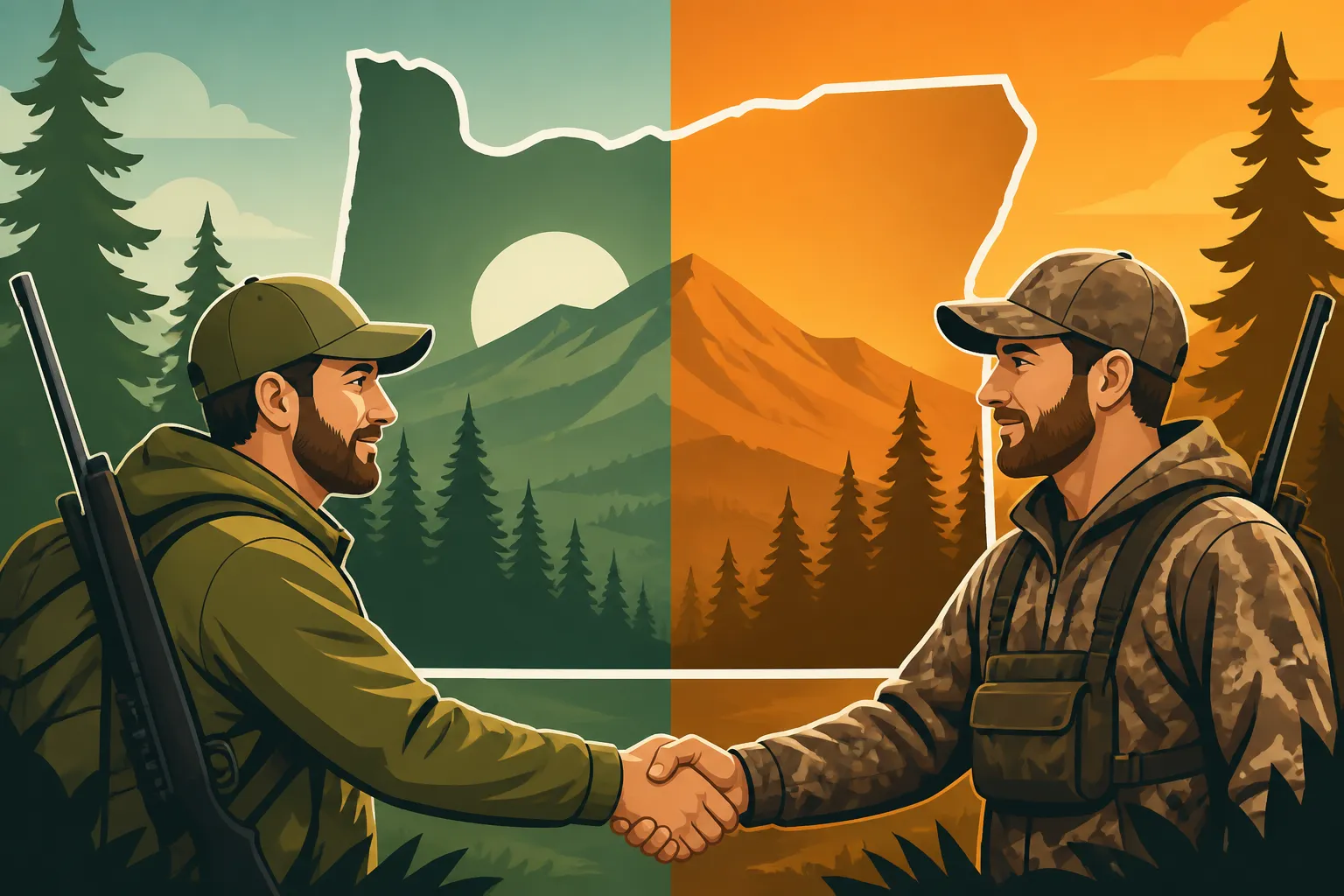
It's a common frustration: you've planned, saved, and invested in a guided hunt in Oregon, envisioning a pristine, solitary experience, only to find another outfitter's camp just over the ridge, or worse, their hunters pushing game right into your setup. This situation can be incredibly deflating, making you wonder if you truly got what you paid for. This guide will help you understand why this happens, what to expect when sharing hunting areas, and how to ask the right questions to minimize surprises on your next guided Oregon adventure.
Understanding Public Land Use and Outfitter Permits
When you book a guided hunt, especially in a state like Oregon with vast public lands, it's crucial to understand the foundational rules of those lands. The wilderness, national forests, and Bureau of Land Management (BLM) acreage are there for everyone, and that includes more than just your outfitter.
The Reality of Public Land Access
The core principle of public land is, as the name suggests, public access. This means that while your outfitter might have an incredible spot or a well-honed strategy, they do not, and legally cannot, claim exclusive rights to a piece of public ground. They operate under special use permits issued by agencies like the U.S. Forest Service or the BLM. These permits allow them to conduct commercial guiding operations within designated areas, often specifying the number of clients or trips they can run.
However, these permits do not typically grant a private lease on public resources. Think of it like a fishing guide on a public river; they have a permit to operate, but other fishing guides and recreational anglers can still use the same waters. It's perfectly legal for multiple outfitters, as well as independent, do-it-yourself hunters, to be present in the same general hunting unit or even a specific drainage. This can be a hard pill to swallow when you've invested significant time and money into what you hoped would be a secluded experience, but it's the reality of public land hunting.
The frustration you feel is completely valid. You're out there seeking a wild, remote experience, a chance to connect with nature without the constant reminder of other human presence. When another vehicle pulls up to the trailhead you thought was yours, or you hear distant shots that aren't from your group, it can definitely detract from that ideal. Understanding that public land permits are about permission to operate, not exclusivity, is the first step in managing your expectations.
Private Land Guiding Versus Public Land
Here's where the distinction truly matters. When you book a guided hunt on private land, the outfitter typically has either ownership or exclusive leasing rights to that property. This means they can control who hunts there, and you can reasonably expect a much higher degree of solitude and exclusivity. They have a vested interest in managing game and hunter pressure on their specific acreage, often resulting in a more controlled and predictable hunting experience.
Conversely, a guided hunt on public land means the outfitter is essentially providing their expertise, equipment, and logistical support on land that is open to you anyway. While they might have intimate knowledge of a particular area, a network of trail cameras, or a robust camp setup, they are simply utilizing the public resource. The value comes from their skill and effort, not from a guarantee of private access. Therefore, if your primary goal is absolute solitude and no chance of seeing another hunter, a public land hunt, even with a guide, might not deliver that specific outcome.
Some savvy outfitters combine the best of both worlds, securing exclusive leases on private parcels adjacent to or within large tracts of public land. This allows them to offer a hybrid experience, potentially starting on private ground or using it as a sanctuary, and then venturing onto public land. Always clarify this distinction when Questions to Ask an Oregon Outfitter about potential crowding. It's a key factor in understanding what your investment buys you in terms of a private experience versus a guided public land adventure.
How Outfitters Manage Overlap and Expectations
Reputable outfitters are well aware of the potential for overlapping hunting parties, and they generally have strategies in place to manage it. Their goal is still to provide a quality experience, even within the confines of shared public resources.
Camp Placement and Rotations
A good outfitter will carefully consider camp placement. They'll look for secluded spots that offer natural barriers, strategic access to hunting grounds, and a buffer from other potential users. In units known for high pressure, they might choose more remote or harder-to-reach locations for their spike camps or main base camp to ensure a sense of wilderness for their clients. Some outfitters even work on a rotation system, where they might use certain areas earlier in the season and then move to different zones later, allowing areas to "rest" and game to settle back down.
Consider a multi-day elk hunt in the Blue Mountains. An outfitter might have a permitted area covering several drainages. They'll try to keep their groups separated by putting one camp up Smith Creek and another up Jones Creek, far enough apart that you won't hear each other's camp activities or directly interfere with glassing efforts. They might also rotate their daily hunting routes, sending one group north one day and south the next, to avoid running into another client group or independent hunters in the same basin. These are thoughtful strategies designed to minimize direct conflict and enhance the quality of your hunt, even if total isolation isn't guaranteed.
It's not always easy, though. Weather patterns can push game into unexpected areas, forcing guides to adapt on the fly. Unforeseen closures or other outfitters moving into an adjacent, accessible spot can also throw a wrench in the best-laid plans. This is where a guide's experience and adaptability truly shine, as they try to navigate these shared spaces effectively.
Setting Client Expectations
The most ethical and professional outfitters are upfront about the potential for encountering other hunters, especially on public land. They understand that transparency is key to client satisfaction. They'll likely discuss this possibility during your initial conversations or within their booking materials. They know that managing your expectations before you arrive in camp is far better than having you discover it in the field and feel disappointed.
An outfitter might tell you something like, "Look, we're hunting a popular unit in the Ochocos. While we'll be deep in the backcountry, it's possible you might see another hunter or even another outfitter's clients at some point. Our strategy is to go where others aren't willing to go, or to hunt smart and avoid known bottlenecks." This kind of candor helps you prepare mentally for the reality of shared resources. The term "exclusive use" is rarely applicable to public land, so don't expect it unless it's explicitly guaranteed as part of a private land package. Focus instead on the "quality hunting experience" they promise – one that provides opportunities and a well-guided effort, even if you're not the only person in the entire unit.
When you're researching potential outfitters, platforms like BookYourHunt can sometimes offer insights into how outfitters describe their hunts and what past clients have experienced regarding crowding. Reading client testimonials carefully can often reveal if an outfitter consistently delivers on their promise of a "remote" or "secluded" experience, or if encountering other hunters is a common theme.
Identifying and Handling Encounters in the Field
Even with the best planning, encounters with other hunters—guided or unguided—are part of the public land experience. Knowing how to identify them and, more importantly, how to react gracefully, can make a significant difference in your hunt.
Recognizing Other Outfitter's Operations
Sometimes it's obvious you've stumbled upon another guided operation. You might see a wall tent camp with multiple vehicles parked discreetly nearby, or a specific brand of pack frame or horse tack that indicates a professional outfit. Other times, it might be more subtle: a string of specific calls that your guide doesn't use, or hunters moving through the timber with a coordinated pattern that suggests experienced direction. Of course, many of the hunters you encounter will be independent DIY groups, often just as skilled and prepared as a guided party.
The key is not to jump to conclusions, but to simply be aware. If you see a camp, it's generally good etiquette to give it a wide berth. If you cross paths with hunters in the field, a polite nod or a quiet greeting is usually sufficient. Remember, everyone is out there for their own experience, and respecting personal space is paramount. Your guide will often have a sense of who else might be in the general area based on other permits or local knowledge. They might have a specific plan for avoiding these areas or for adapting if an encounter occurs.
The purpose isn't to police the woods, but to be an observant and courteous hunter. Knowing the difference between another hunter walking by and someone actively disrupting your hunting lane helps you and your guide respond appropriately. Understanding Oregon's Wildlife Management Units and New Hunt Areas and Reading an Oregon Hunt Area Boundary can also help you understand the scale of the area and why encounters are sometimes inevitable.
What to Do If Crowding Becomes an Issue
If you feel that another hunting party, particularly another outfitter's group, is genuinely compromising your hunt – perhaps by constantly pushing game out of your area, setting up too close, or repeatedly moving into your established hunting lanes – your first step is to communicate with your guide. They are your primary advocate and the professional hired to manage these situations.
Your guide might:
- Re-strategize: They might suggest moving to a different ridge, shifting your timing, or pursuing game in an unexpected direction to evade the pressure.
- Communicate: In some cases, if the other party is also a permitted outfitter, your guide might know them and be able to have a polite, professional conversation to clarify intentions and minimize interference. This informal communication can often resolve issues without escalation.
- Educate: They might simply explain that this level of pressure is normal for the unit or season, and that adapting to it is part of the hunt.
It's crucial not to take matters into your own hands by confronting other hunters. This can escalate a situation unnecessarily and could even lead to safety concerns. If you believe a genuine violation of regulations or permit conditions is occurring (e.g., someone illegally operating without a permit, or deliberate harassment), your guide can advise on the appropriate channels to report such issues to the relevant land management agency or the Oregon State Police. Such situations are rare, but your guide is best equipped to handle them. Tools like GoHunt can provide detailed maps and overlays showing public and private land boundaries, which can sometimes help you understand the landscape of pressure points.
Asking the Right Questions Before You Book
Preventative measures are always best. By asking targeted questions during the booking process, you can set accurate expectations and choose an outfitter whose approach aligns with your desired experience.
Key Questions for Your Outfitter
Before you commit, arm yourself with a list of questions that go beyond just success rates and camp amenities. Here are some crucial ones to ask, especially concerning shared hunting areas:
| Question | Why It Matters |
|---|---|
| "How do you ensure a quality experience if other outfitters or independent hunters are in the same general area?" | This probes their strategy for managing pressure and maintaining hunt quality. |
| "What's your typical strategy for dealing with other hunting parties, guided or DIY, if we encounter them?" | Shows their approach: avoidance, communication, or adaptation. |
| "What's the typical hunting pressure like in the specific unit or area we'll be hunting?" | Helps you understand if it's a generally crowded unit or if they hunt secluded spots. |
| "Do you utilize any private land access, and if so, what percentage of the hunt will be on private versus public land?" | Clarifies potential for true exclusivity. |
| "What measures do you take to avoid camp-to-camp interference with other outfitters?" | Details their logistical planning to ensure your camp feels isolated. |
| "How far apart are your different client camps if you have multiple groups out at once?" | Provides a sense of the buffer zone they maintain. |
These questions aren't meant to imply distrust, but rather to ensure transparency and align expectations. An honest outfitter will appreciate your thoroughness and provide clear answers. If an outfitter is vague or dismissive about the possibility of other hunters, that might be a Red Flags When Booking a Hunt.
Researching the Unit and Outfitter
Beyond your direct conversation with the outfitter, conduct your own research. Understand the specific Oregon's Wildlife Management Units and New Hunt Areas you'll be hunting. Some units are simply more popular and accessible than others, naturally leading to more hunter traffic. Websites like GoHunt offer a wealth of information on unit statistics, draw odds, and hunter density, which can give you a clearer picture of what to expect. While they won't tell you about specific outfitter locations, they can inform you about overall pressure.
Use satellite imagery tools for E-Scouting Oregon Units With Satellite Imagery to identify potential pinch points, accessible roads, or areas that might draw a lot of hunters. This can help you visualize the terrain and understand the challenges your guide might face in keeping you isolated. Also, make sure to verify your guide is properly registered through the Oregon Marine Board, which oversees outfitter operations. You can find out more about Checking an Oregon Guide's Registration to ensure they are legitimate and operating legally.
Finally, don't underestimate the power of references. Ask for a list of past clients and reach out to them. Ask about their experience with other hunters in the field and how the outfitter managed those encounters. This firsthand feedback is invaluable. Remember, Booking Lead Times for Oregon Hunts can be significant, so start your research early to ensure you have ample time to make an informed decision.
Table: Public vs. Private Land Guided Hunts in Oregon
Understanding the differences between public and private land guided hunts is key to setting your expectations correctly when it comes to sharing hunting areas.
| Feature | Public Land Guided Hunt | Private Land Guided Hunt |
|---|---|---|
| Exclusivity | Limited; other outfitters and DIY hunters may be present. | High; often exclusive access to the property. |
| Cost (Shape) | Generally more accessible; value is in guide's expertise. | Typically higher due to property access fees/ownership. |
| Potential for Crowding | Moderate to High, depending on unit popularity and accessibility. | Low; usually only your hunting party and the guide's staff. |
| Guide's Role | Navigation, game knowledge, logistics, adapting to pressure. | Game management, property knowledge, ensuring solitude. |
| Land Ownership | Federal (USFS, BLM) or State lands. | Privately owned land, often leased by the outfitter. |
| Primary Appeal | Wilderness experience, challenging hunt, diverse landscapes. | Controlled environment, potentially higher success odds, privacy. |
This table illustrates that while both offer guided experiences, the nature of that experience, especially concerning shared space, differs significantly. Knowing what you value most in your hunt – pure solitude versus the challenge of public land hunting with expert guidance – will help you choose the right path. Keep in mind that What an Oregon Guided Elk Hunt Costs will vary greatly between these two types of operations.
Disclaimer
This article is for general informational purposes only and does not constitute professional advice. Laws, prices and regulations vary by location and change over time. Consult a qualified professional for guidance on your specific situation.