Fitness Expectations on an Oregon Wilderness Hunt
Embarking on an Oregon wilderness hunt isn't just about drawing a tag or buying the right rifle; it's a profound physical and mental challenge that many hunters underestimate. The steep slopes, dense timber, and unpredictable weather of Oregon's backcountry will test every fiber of your being, and if you're not prepared, it can quickly turn a dream hunt into a miserable struggle or, worse, a dangerous situation. This guide will walk you through the very real fitness expectations you should have before you ever step foot into Oregon's wild heart, helping you understand what it truly takes to succeed and enjoy your time in the mountains.
The Harsh Realities of Oregon Wilderness Terrain
When we talk about "wilderness," it’s important to understand that Oregon’s version is often brutal and relentless. This isn't a stroll through a manicured park; it's a place where every step is earned, and every gain in elevation feels like a battle. The terrain itself will be your first and most persistent challenge.
Elevation Changes and Steep Grades
Imagine a treadmill set to an incline you'd never voluntarily choose, and then imagine carrying a pack while navigating unstable ground. That's a good starting point for understanding Oregon's elevation. Whether you're chasing Roosevelt elk through the Coast Range or hiking for mule deer in the remote corners of the Wallowas, you will encounter relentless uphill and downhill sections. These aren't gentle inclines; they are often steep, unforgiving grades that can quickly sap your energy. Your lungs will burn, your leg muscles will scream, and your knees, especially on the descent, will take a pounding.
For example, a typical day might involve climbing 1,500 to 2,000 vertical feet just to reach a good glassing point, only to descend into a canyon and immediately start climbing another face. This isn't a one-time event; it's often repeated throughout the day, day after day. The air can be thinner at higher elevations in Eastern Oregon, making those climbs feel even harder. Many hunters only experience flatland hunting or easily accessible areas, and the shock of true mountain hunting can be a rude awakening. It's not just about covering distance; it's about the vertical feet you accrue.
Unforgiving Undergrowth and Obstacles
Beyond the sheer up and down, Oregon's wilderness is often a tangled mess of obstacles designed to trip you, snag you, and wear you down. In Western Oregon, especially in the Coast Range or Cascades, you'll be pushing through dense thickets of rhododendron, salal, vine maple, and devil's club. This isn't "walking through the woods"; it's more akin to swimming through a thorny jungle, sometimes on hands and knees. Every step might require you to push aside heavy brush, step over massive blowdowns, or navigate slippery moss-covered rocks.
In Eastern Oregon, while the brush might be less dense, you'll still face challenges like vast juniper stands, sagebrush that grabs at your ankles, and rugged rimrock that demands careful foot placement. Rockslides are common, making some slopes unstable and treacherous. You'll likely encounter numerous stream crossings, fallen logs, and areas where recent wildfires have left a chaotic maze of burnt timber. All of these elements demand excellent balance, agility, and constant mental focus, which compounds the physical effort. It’s physically exhausting to fight through dense cover for hours on end, even without carrying extra weight.
Variable Weather Conditions
Oregon is famous for its unpredictable weather, and in the wilderness, these conditions aren't just an inconvenience—they become a significant part of the physical challenge. You might start a September elk hunt in 70-degree sunshine, only to have a cold front move in overnight, dropping temperatures into the 30s with rain, or even snow at higher elevations. Rain Gear That Actually Stays Dry is not a luxury; it’s a necessity, because wet clothes quickly lead to being cold, which dramatically increases your energy expenditure and risk of hypothermia.
Heavy rain can turn trails into slick mud slides and make already treacherous slopes even more dangerous. Snow not only adds weight to your steps but also hides obstacles and makes navigation more difficult, demanding more energy with every stride. Conversely, early season heat waves, especially in Eastern Oregon, can lead to dehydration and heat exhaustion, especially when combined with strenuous activity. You're constantly fighting to regulate your body temperature, which burns calories and tires you out faster. The ability to perform effectively in diverse and sometimes extreme weather conditions is a testament to true wilderness fitness.
Physical Demands Beyond Just Walking
While the terrain itself presents a formidable obstacle, the true test of an Oregon wilderness hunt goes far beyond simply walking. You'll need strength, endurance, and mental fortitude that far exceeds what many consider "fit."
Carrying Heavy Loads Over Distance
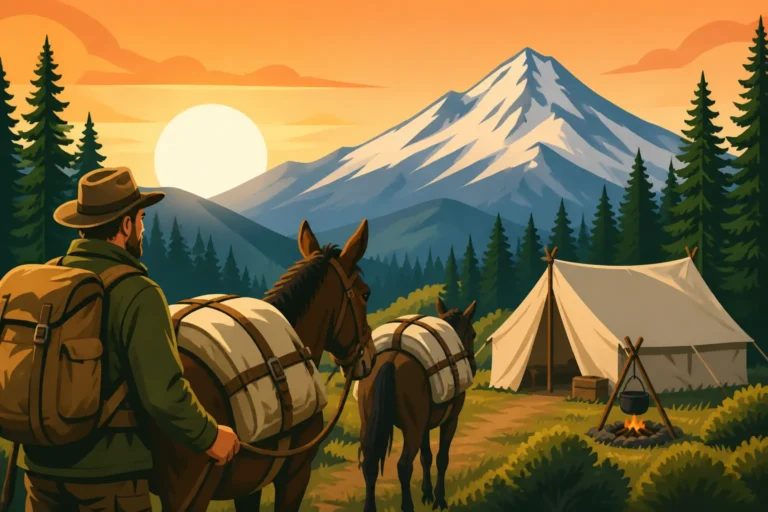
This is where many hunters, even those who consider themselves in shape, truly falter. Day packs for a full day of hunting can easily weigh 20-30 pounds with water, food, optics, and emergency gear. But that's just the beginning. The real challenge comes when you're successful and need to pack out an animal. An average quarter of a bull elk can easily weigh 70-100 pounds, and you'll have four of them, plus the head, hide, and possibly additional meat. Packing Out an Elk in Oregon's Wilderness Units isn't a single trip; it's usually multiple grueling trips over that same steep, brushy terrain you just struggled through with a light pack.
Imagine trying to hike up a 30-degree slope, stepping over blowdowns, all while carrying a pack that weighs more than your toddler. Your core, shoulders, and legs must be strong enough to manage this immense weight without losing balance or succumbing to exhaustion. It’s not just about lifting the weight; it's about maintaining stability and forward momentum for miles, often in the dark, and usually after you've already had a long, physically demanding day of hunting. Many a hunter has had to leave meat in the woods because they simply couldn't physically get it out, a devastating and preventable outcome.
The Mental and Physical Grind of Persistence
Wilderness hunting is as much a mental game as it is a physical one. You will be tired. You will be uncomfortable. You might be wet, cold, hungry, and frustrated. The animals aren't always where you expect them, and success often requires pushing through incredible fatigue, doubt, and discomfort. This isn't a quick sprint; it's a marathon that might last for several days, if not a week or more.
The mental grind of persistent effort—getting up before dawn, hiking all day, making good decisions while exhausted, and doing it all again tomorrow—demands immense resilience. Your body will want to quit, and your mind will try to convince you to go back to camp. But it's in those moments of pushing through that many hunts are won. This kind of persistence is not innate; it's built through preparation, both physical and mental. Hunters who are truly prepared can maintain focus, make smart decisions, and keep moving forward even when their bodies are screaming for rest. This is a critical factor for success, especially on longer backcountry trips, often requiring you to carry a First Aid Kit Items for a Remote Hunt to deal with the minor scrapes and sprains that come with pushing your limits.
Specific Muscle Groups and Movements
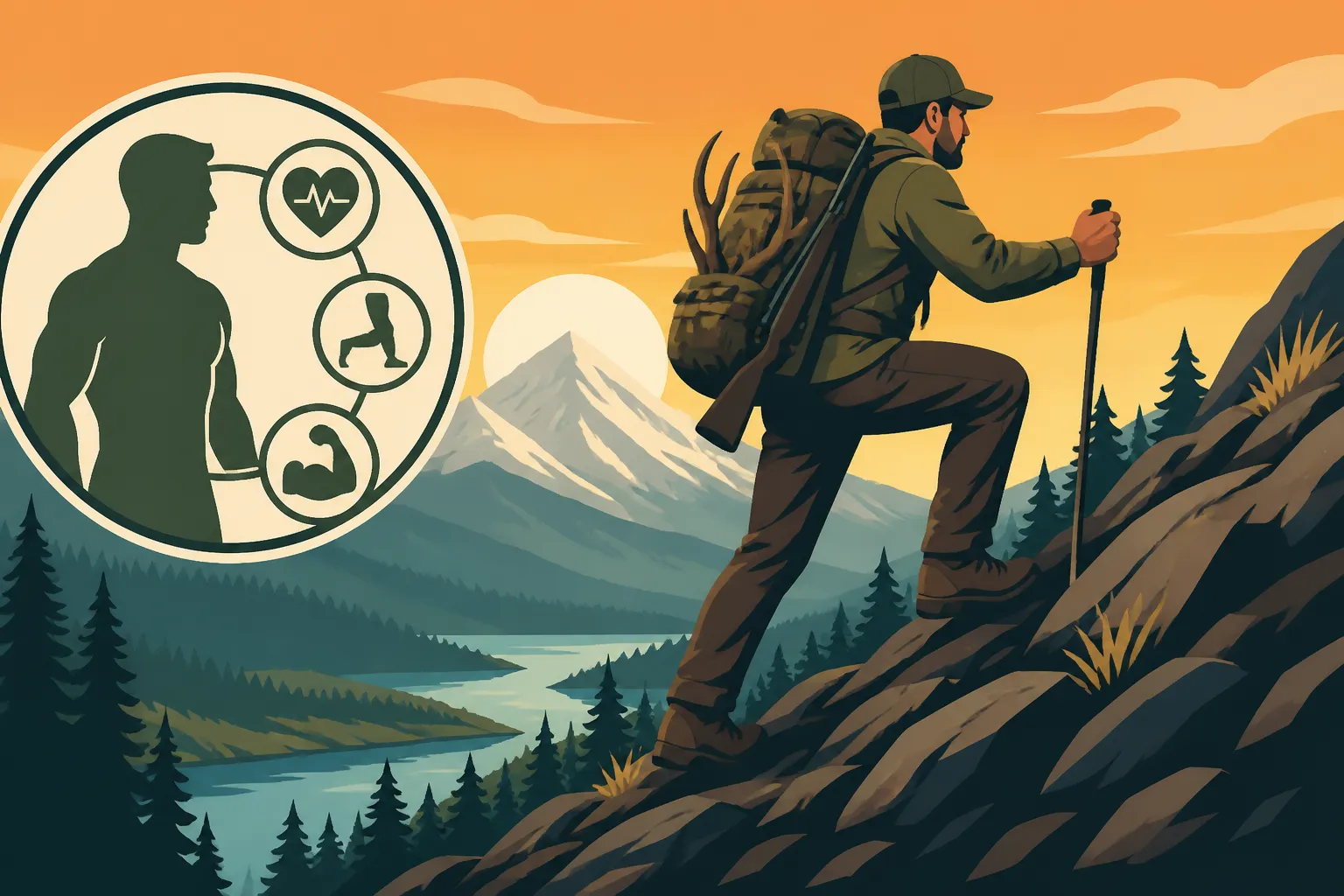
A balanced fitness approach is key because wilderness hunting taxes a wide array of muscle groups in unusual ways. It’s not just about strong legs for hiking; it’s about a strong core for stability when traversing uneven ground, powerful shoulders for carrying a heavy pack or drawing a bow repeatedly, and excellent ankle and knee stability to prevent injury on slippery, rocky, or brushy terrain.
Think about these specific demands:
- Legs: Quads, hamstrings, and calves are constantly engaged for climbing, descending, and stepping over obstacles.
- Core: Essential for maintaining balance, especially with a heavy pack, and for transferring power from your lower to upper body.
- Shoulders and Back: Crucial for carrying your pack, but also for holding your rifle steady after a long climb, or for executing a smooth draw with a bow. Bow Draw Weight for Elk requires consistent upper body strength, not just a one-time lift.
- Ankles and Knees: These joints take a tremendous amount of abuse. Strong supporting muscles and ligaments are vital to prevent twists, strains, and falls.
A weakness in any of these areas can quickly become a liability in the backcountry. Your body needs to be a well-tuned machine, capable of a wide range of movements and sustained effort under duress.
Assessing Your Current Fitness and Building a Plan
So, how do you know if you're ready, and what do you do if you're not? The journey to wilderness readiness starts with an honest look in the mirror and a commitment to incremental improvement.
Honest Self-Assessment: Where Do You Stand?
Before you even think about buying new gear or planning your first training hike, take a moment for a brutal self-assessment. Are you truly active? Do you regularly engage in strenuous physical activity that gets your heart rate up and challenges your muscles? Or do you mostly sit at a desk, go for occasional walks, and hit the gym a few times a week with moderate effort?
It’s easy to romanticize the idea of being "hunt fit," but Oregon's wilderness will quickly expose any weaknesses. Ask yourself:
- Can I hike 5-8 miles in hilly terrain with a 20-pound pack without feeling completely spent?
- How do my knees and ankles feel after a long day of uneven walking?
- Could I continue if I were wet, cold, and tired, and still needed to hike another 3 miles?
- Do I have the upper body strength to lift 70 pounds onto my back and walk with it?
Be realistic. It’s okay if you're not a world-class athlete right now, but acknowledging your starting point is the first step toward building an effective training plan. This introspection helps you set achievable goals and avoid disappointment or injury in the field. If you're considering a guided hunt, especially through resources like BookYourHunt, being upfront about your fitness level will help the outfitter tailor the experience or advise on what level of exertion to expect.
Training Regimen for Wilderness Readiness
Once you know where you stand, you can start building a targeted training plan. The goal isn't just to be "fit" but to be hunt fit—meaning your body is conditioned for the specific demands of the backcountry. Physical Training for an Oregon Elk Hunt is a great resource.
Here's a breakdown of what a comprehensive training regimen should include:
-
Cardiovascular Endurance: This is your foundation.
- Hiking with a Pack: Start with short hikes on varied terrain with a light pack (10-15 pounds) and gradually increase distance, elevation, and pack weight. Aim for 3-5 miles with 30-40 pounds, or more if you can, 2-3 times a week.
- Stair Climber/Incline Treadmill: These are excellent for simulating mountain climbs, especially if you don't have access to hills. Wear your hiking boots and a pack.
- Running/Jogging: If your joints can handle it, adding running can boost your overall cardiovascular capacity.
- Cycling/Swimming: Good cross-training options to give your joints a break while maintaining cardio.
-
Strength Training: Focus on functional movements.
- Compound Lifts: Squats, deadlifts, lunges, and overhead presses work multiple muscle groups simultaneously, mimicking real-world movements.
- Core Work: Planks, Russian twists, and medicine ball exercises build the core stability essential for pack carrying and balance.
- Grip Strength: Hanging, farmer's carries, and plate pinches are vital for handling gear and climbing.
-
Flexibility and Mobility: Don't neglect stretching and foam rolling to prevent injuries and maintain range of motion. Tight hips, hamstrings, or shoulders can lead to pain and limit performance.
-
Practice on Uneven Ground: Whenever possible, train on trails, off-trail, and in conditions that mimic hunting environments. This builds proprioception (your body's awareness in space) and strengthens stabilizer muscles.
Start months, not weeks, before your hunt. Consistency is more important than intensity in the beginning. Gradually push your limits, listening to your body to avoid overtraining or injury.
| Training Type | Focus Area | Benefits for Wilderness Hunting |
|---|---|---|
| Cardiovascular | Heart, Lungs, Stamina | Sustained effort, climbing hills, covering long distances |
| Strength Training | Muscles, Connective Tissue | Carrying heavy packs, lifting meat, stable shooting |
| Core Strength | Abdominals, Lower Back | Balance on uneven terrain, preventing back strain |
| Endurance Hiking | Legs, Mental Toughness | Day-after-day performance, pushing through fatigue |
| Flexibility/Mobility | Joints, Range of Motion | Injury prevention, agility over obstacles |
Nutrition, Hydration, and Recovery
Your fitness journey isn't just about what you do in the gym or on the trail; it's also about how you fuel and recover your body. What you eat, how much water you drink, and how much quality sleep you get all play a massive role in your ability to perform and prepare.
- Nutrition: Focus on a balanced diet rich in lean proteins, complex carbohydrates, and healthy fats. This provides sustained energy for your workouts and helps your muscles repair and grow. Avoid processed foods, excessive sugar, and empty calories that will leave you feeling sluggish. Think of your body as a high-performance vehicle; it needs premium fuel.
- Hydration: Drink plenty of water throughout the day, every day, not just when you're exercising. Dehydration severely impacts physical performance and cognitive function. Carry water during your training hikes and learn to gauge your water intake. In the field, you'll need to know Finding Water on a Digital Map Before You Hunt and how to purify it.
- Recovery: This is often the most overlooked aspect of training. Your muscles need time to repair and adapt. Incorporate rest days, light activity (like walking), stretching, and adequate sleep into your routine. Overtraining can lead to injury and burnout, sabotaging your efforts before you even get to the hunt. Quality sleep is when your body does most of its repair work, so prioritize 7-9 hours nightly.
Gear That Supports Your Fitness Journey
While fitness is paramount, the right gear acts as an extension of your physical capabilities, supporting your efforts and preventing unnecessary drain on your energy. Think of it as investing in your performance.
The Right Boots and Layering System
Your feet are your most valuable asset in the wilderness, and poorly chosen footwear can destroy a hunt. You need Boots for Wet Coastal Hunting that offer ankle support, excellent traction on varied surfaces, and are waterproof and breathable. Break them in thoroughly before your hunt to avoid blisters, which can quickly turn a strenuous hike into agony. Don't cheap out on socks either; merino wool blends manage moisture and prevent friction.
Similarly, a proper layering system is critical for managing your body temperature, whether you're working up a sweat climbing a hill or sitting still in freezing temperatures. Starting with a moisture-wicking base layer, adding insulating mid-layers, and finishing with a waterproof/windproof outer shell allows you to adjust to rapidly changing conditions without overheating or getting cold. Every layer should be lightweight and packable, and crucially, function as advertised.
Pack Frame Selection for Heavy Loads
If you anticipate success on an Oregon wilderness hunt, especially for elk, a high-quality external or internal frame pack designed for carrying heavy loads is non-negotiable. This is distinct from a lightweight day pack. These packs are engineered to transfer weight efficiently to your hips, protecting your shoulders and back, and making those arduous trips with meat considerably more manageable. Features like adjustable torso length, robust hip belts, and compression straps are vital.
Spending time training with your actual pack, weighted down, will not only strengthen your body but also help you fine-tune its fit and learn how to pack it efficiently. A poorly fitting or inadequate pack can create pressure points, restrict movement, and lead to early fatigue or injury, especially when you're loaded down with a quarter of a bull. Investing in a good pack is an investment in your ability to get your harvest out of the field.
Navigation and Communication Tools
While not directly fitness gear, reliable navigation and communication tools indirectly support your physical output by reducing mental stress and wasted energy. Constantly checking a paper map, getting lost, or worrying about a lost hunting partner adds significant mental load, which translates to physical fatigue. Modern GPS devices, satellite communicators, and mapping apps like those found through GoHunt, combined with a solid understanding of how to use them, are invaluable.
Knowing precisely where you are, where you need to go, and being able to communicate in an emergency reduces unnecessary detours and the panic that can set in when disoriented. E-Scouting Oregon Units With Satellite Imagery is a fantastic preparatory step that helps you identify terrain features, potential routes, and water sources long before you ever set foot in the field, making your actual hunting trips more efficient and less physically taxing. Having a clear plan and the tools to execute it means you can focus your physical energy on hunting, not on navigating or worrying.
Disclaimer
This article is for general informational purposes only and does not constitute professional advice. Laws, prices and regulations vary by location and change over time. Consult a qualified professional for guidance on your specific situation.