Emergency Evacuation From a Backcountry Camp
Finding yourself in a serious medical emergency or a perilous situation deep in Oregon's vast backcountry is a nightmare no one wants to face. When miles of rugged terrain separate you from help, knowing how to initiate an emergency evacuation can literally be the difference between life and death. This guide will walk you through the critical steps, necessary preparations, and what to expect when a remote hunting trip takes an unexpected, dangerous turn.
The Reality of Backcountry Emergencies in Oregon
Oregon's backcountry, from the dense, wet coastal ranges to the high, rugged peaks of the Wallowas and the vast sagebrush deserts of the southeast, offers unparalleled hunting experiences. But this raw beauty comes with inherent risks. Cell service is often non-existent, trails can be miles from any road, and weather can change dramatically in minutes. It's a place where minor injuries can become critical, and critical events can quickly turn catastrophic if you're unprepared. The isolation is part of the appeal for many hunters seeking true wilderness, but it also amplifies every potential problem.
Common Scenarios Leading to Evacuation
Emergencies in the backcountry aren't always dramatic falls off a cliff. Often, they start subtly and escalate. A rolled ankle that seemed manageable on flat ground becomes excruciating on a steep, rocky descent. A sudden, severe allergic reaction to a bee sting, or an unexpected heart issue, can quickly render someone incapacitated. Dehydration, hypothermia, or heatstroke, if left unchecked, can lead to confusion and collapse. Of course, hunting accidents, though rare, are also a grave concern, ranging from accidental self-inflicted injuries during field dressing to a stray bullet wound from another party. Even a sudden, severe weather event like a whiteout blizzard or a flash flood can necessitate an urgent evacuation. It’s not just about a traumatic injury; sometimes, it's an insidious illness that creeps up on you far from medical care.
The Psychological Toll and Quick Decision-Making
When an emergency strikes, the initial shock can be paralyzing. Fear, panic, and the sudden weight of responsibility for yourself or a hunting partner can cloud judgment. This is why mental preparedness is just as crucial as physical fitness or gear selection. You need to be able to make swift, rational decisions under immense pressure. One of the biggest challenges is fighting the urge to "tough it out" or delay calling for help, especially when the situation feels ambiguous. Many people hesitate, thinking they'll recover, or not wanting to cause a fuss, only to have their condition worsen significantly. This hesitation often wastes precious time that could be critical for a successful rescue. Recognizing when a situation has crossed the line from manageable difficulty to a true emergency requiring outside intervention is a skill in itself.
Pre-Trip Planning: Your First Line of Defense
Proper planning before you even step foot into the wilderness is undeniably the most critical component of surviving a backcountry emergency. It’s not just about packing the right gear; it’s about having a comprehensive strategy for when things go wrong. Thinking through potential scenarios and having a plan dramatically reduces the time it takes to react and increases the chances of a positive outcome. If you're considering a guided hunt, remember that reputable outfitters will have these plans in place. When booking an Oregon hunt with an outfitter, always ask about their emergency protocols.
Essential Communication and Navigation Tools
In Oregon's vast unpopulated areas, your cell phone is often just a camera. You need reliable communication devices. A satellite messenger (like a Garmin inReach or Zoleo) is paramount. These devices allow you to send SOS messages to a monitoring center, communicate via text with emergency contacts, and often track your location. Some also offer weather updates. A personal locator beacon (PLB) is another option; it's a simpler, one-way device that sends a distress signal directly to rescue authorities but lacks two-way communication. A good quality GPS unit or a smartphone with downloaded offline maps (like what GoHunt offers for e-scouting) is also non-negotiable for knowing your exact coordinates, which is vital for communicating your location to rescuers. Don't forget extra batteries or a power bank for all electronic devices.
| Device Type | Key Features | Pros | Cons |
|---|---|---|---|
| Satellite Messenger | Two-way text, SOS, tracking, weather forecasts | Comprehensive communication, detailed SOS | Requires subscription, can be slower than PLB for initial SOS |
| Personal Locator Beacon (PLB) | One-way SOS signal to rescue services | Direct to rescue, generally more robust | No two-way communication, no tracking or weather |
| Satellite Phone | Voice calls, text, data (limited) | Full voice communication | Very expensive, bulky, often requires line of sight |
| Two-Way Radio (VHF/UHF) | Line-of-sight communication with partners | Instant communication within range | Limited range, requires line of sight, not for emergency services |
Crafting a Detailed Trip Plan and Sharing It
Never, ever go into the backcountry without leaving a detailed trip plan with a trusted person back home. This isn't just a suggestion; it's a lifeline. Your plan should include:
- Your exact route: Trails, roads, intended camping locations, and potential bail-out points. E-Scouting Oregon Units With Satellite Imagery can help you map this out accurately.
- Your vehicle description: Make, model, color, license plate, and where it will be parked.
- Your timeline: Expected start and end dates, and check-in times.
- Who is with you: Names, emergency contacts, and any relevant medical conditions.
- Your communication devices: What you're carrying and how it works.
- What to do if you don't check in: Clear instructions for your contact person on when to alert authorities and what information to give them.
This "outside contact" acts as your primary safety net. They are the ones who know you're overdue and can initiate the rescue process, even if you can't.
Understanding Oregon's Remote Terrain and Access Points
Before you embark on a hunt, thoroughly research the specific area you'll be in. What are the nearest roads, hospitals, or ranger stations? Are there any Oregon Wilderness Areas Open to Hunting with special rules regarding motorized travel or rescue access? Use maps to identify potential landing zones for helicopters or areas where a ground team might be able to reach you more easily. For example, in the vast Wallowa-Whitman National Forest, access points can be few and far between. Understanding the topography – where steep canyons lie, where dense timber makes travel difficult, or where open sagebrush might allow for quicker visibility – is critical. This knowledge helps you describe your location more effectively during an emergency and can even influence where rescuers decide to approach from. Consider where you might set up Multi-Day Camps in Oregon's Roadless Country to minimize daily travel distance from primary access points.
Initiating an Emergency Evacuation in the Oregon Backcountry
When an emergency hits, the moment of activation is critical. There’s no undoing it, so make sure you’re prepared to take this step when necessary. Delaying could worsen the situation, but crying wolf can also tie up valuable resources.
Activating Your Emergency Device
If you have a satellite messenger, follow its specific instructions for activating the SOS function. This typically involves holding a button for a few seconds. Once activated, the device will send your GPS coordinates and an alert message to a 24/7 monitoring center. Depending on the device, you may then be able to communicate directly with the center via text, allowing them to gather more information about your situation (e.g., type of emergency, number of injured, specific injuries). Be prepared to provide clear, concise details. If you have a PLB, activation is similar, but remember it's one-way communication, so you'll primarily be waiting for rescue once activated. Always keep your emergency device accessible, not buried deep in your pack, and ensure it's fully charged.
What to Expect During a Rescue Operation
Once an SOS is received and verified, Search and Rescue (SAR) teams will be deployed. This could involve local sheriff's departments, volunteer SAR groups, Forest Service personnel, or even the National Guard for helicopter operations. The response time will vary greatly depending on your location, weather conditions, time of day, and the severity of the emergency. In Oregon's remote corners, it can take many hours, or even days, for rescuers to reach you.
- Be patient: Rescues are complex and dangerous for rescuers.
- Stay put: Unless there's an immediate, life-threatening reason to move (e.g., rockfall, rising water), stay exactly where you are. Moving makes it harder for rescuers to find you.
- Signal: If possible, create a clear signal for ground or air teams. Three fires in a triangle, three blasts of a whistle, or waving a bright piece of clothing can attract attention.
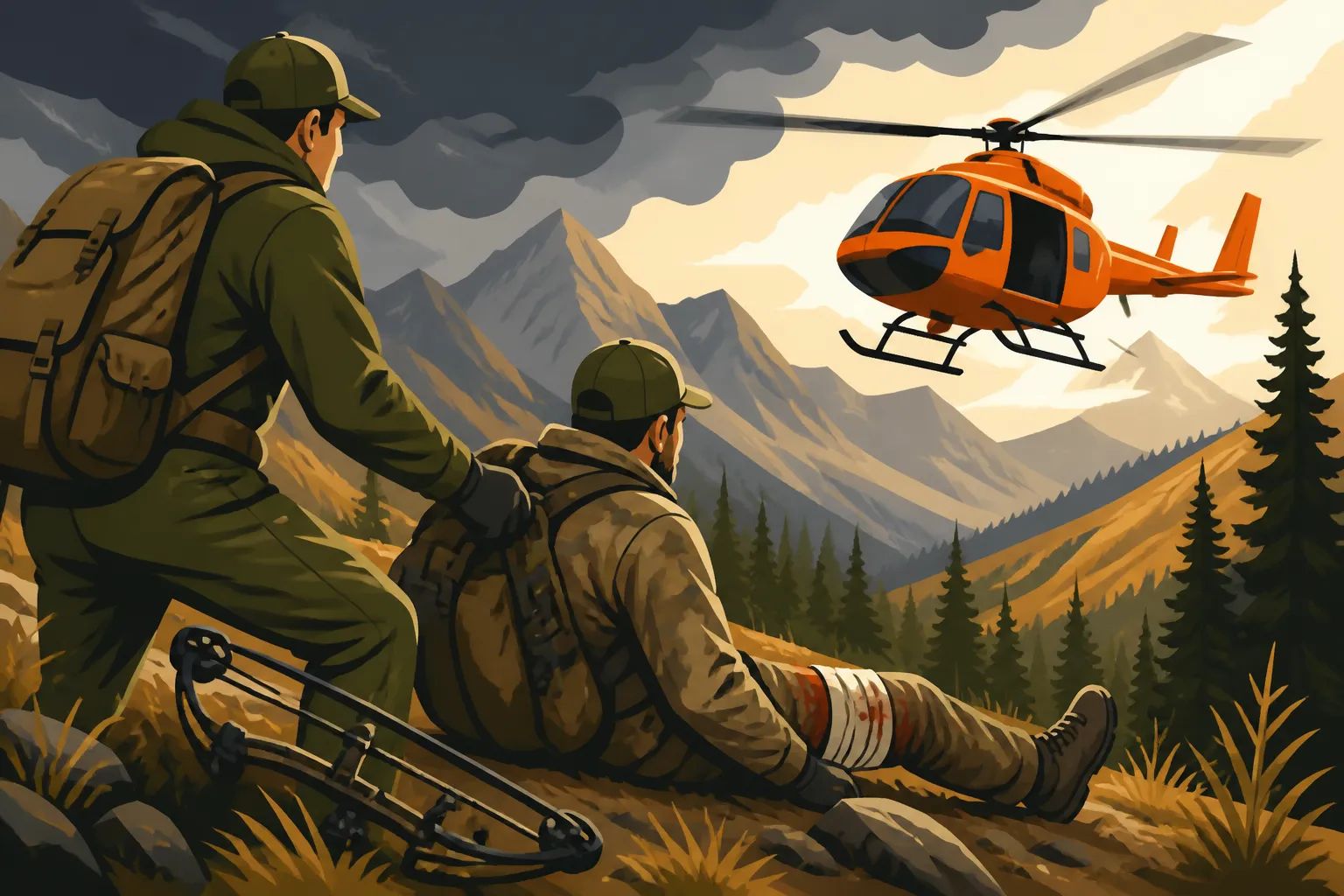
- Prepare for arrival: Clear an area for a helicopter if possible and safe to do so. Be ready to communicate any changes in the patient's condition.
Rescuers will assess the situation, provide initial medical care, and determine the safest extraction method, which could be by foot, litter, horse, or helicopter.
Self-Evacuation Versus Professional Rescue
This is often the hardest decision to make: can you, or your party, safely self-evacuate, or do you need to call for professional help?
- Self-Evacuation: Only attempt if the injury is minor, the terrain is manageable, and you have adequate supplies, time, and physical capability. For instance, a twisted ankle near a known road might allow for a slow, painful walk out. A sprained wrist may also be manageable if it doesn’t impact mobility.
- Professional Rescue: If there's a serious injury (e.g., compound fracture, severe bleeding, head trauma), incapacitating illness, you're lost, or rapidly deteriorating weather makes self-rescue impossible or too risky, call for help immediately. The decision to call for help should be made proactively, not as a last resort when the situation has become dire. Think about Medical Insurance for Remote Hunts if you're concerned about costs, though most SAR operations in Oregon are free.
After the Emergency: Debriefing and Prevention
Surviving an emergency is just one part of the journey. The aftermath involves reflection, reporting, and learning to prevent future incidents. It's a critical step that often gets overlooked in the relief of a safe return.
Reporting Incidents and Lessons Learned
Once safely out of the backcountry, it’s important to report the incident to the relevant authorities, even if no formal rescue was required. This allows SAR teams to understand common hazards, assess their response capabilities, and improve future operations. For you and your hunting partners, a thorough debriefing is essential. What went wrong? What went right? What could have been done differently? Perhaps you realize you needed a more robust first-aid kit, or your communication device wasn't as intuitive to use under stress as you thought. Maybe you needed to adjust your Physical Training for an Oregon Elk Hunt to better prepare for the rugged terrain. Documenting these lessons can be invaluable for yourself and for sharing with others to prevent similar incidents.
Legal and Financial Considerations
In Oregon, formal Search and Rescue operations are generally free to the individual. SAR teams are often comprised of dedicated volunteers. However, this doesn't mean there are no financial considerations. If you had to be transported by ambulance from a trailhead to a hospital, or required extensive medical care, those costs would fall to your insurance. Additionally, if your emergency involved any negligence or violation of hunting regulations, there could be legal repercussions, though this is rare in genuine accidents. Understanding your insurance coverage, including any specific clauses for emergency medical transport or remote area coverage, is a wise move before heading out on a serious hunt. For nonresidents, especially those planning extensive trips, looking into additional travel or medical evacuation insurance might be prudent. If you used an outfitter, their Oregon Guide Insurance Minimums should be part of your questions before booking, to understand their coverage for incidents.
This article is for general informational purposes only and does not constitute professional advice. Laws, prices and regulations vary by location and change over time. Consult a qualified professional for guidance on your specific situation.