Camp Food and Dietary Requests
One of the often-overlooked but incredibly important aspects of planning an Oregon hunting trip, especially when going with an outfitter, is camp food and how to handle any dietary requests. Many hunters get so caught up in gear lists and hunt strategies that they forget to consider what they'll actually be eating, leading to discomfort or even serious issues if allergies are involved. This guide will walk you through setting realistic expectations, communicating effectively, and strategizing your meals to ensure a satisfying and safe experience in the field.
The Reality of Camp Food on an Oregon Hunt
Stepping into an outfitter's camp for an Oregon hunt, whether it's for elk in the rugged Blues or blacktail in the dense Coast Range, brings with it a certain set of expectations about food. It's usually not a gourmet experience, and for good reason. Understanding the practicalities helps manage your expectations.
Standard Camp Cuisine Expectations
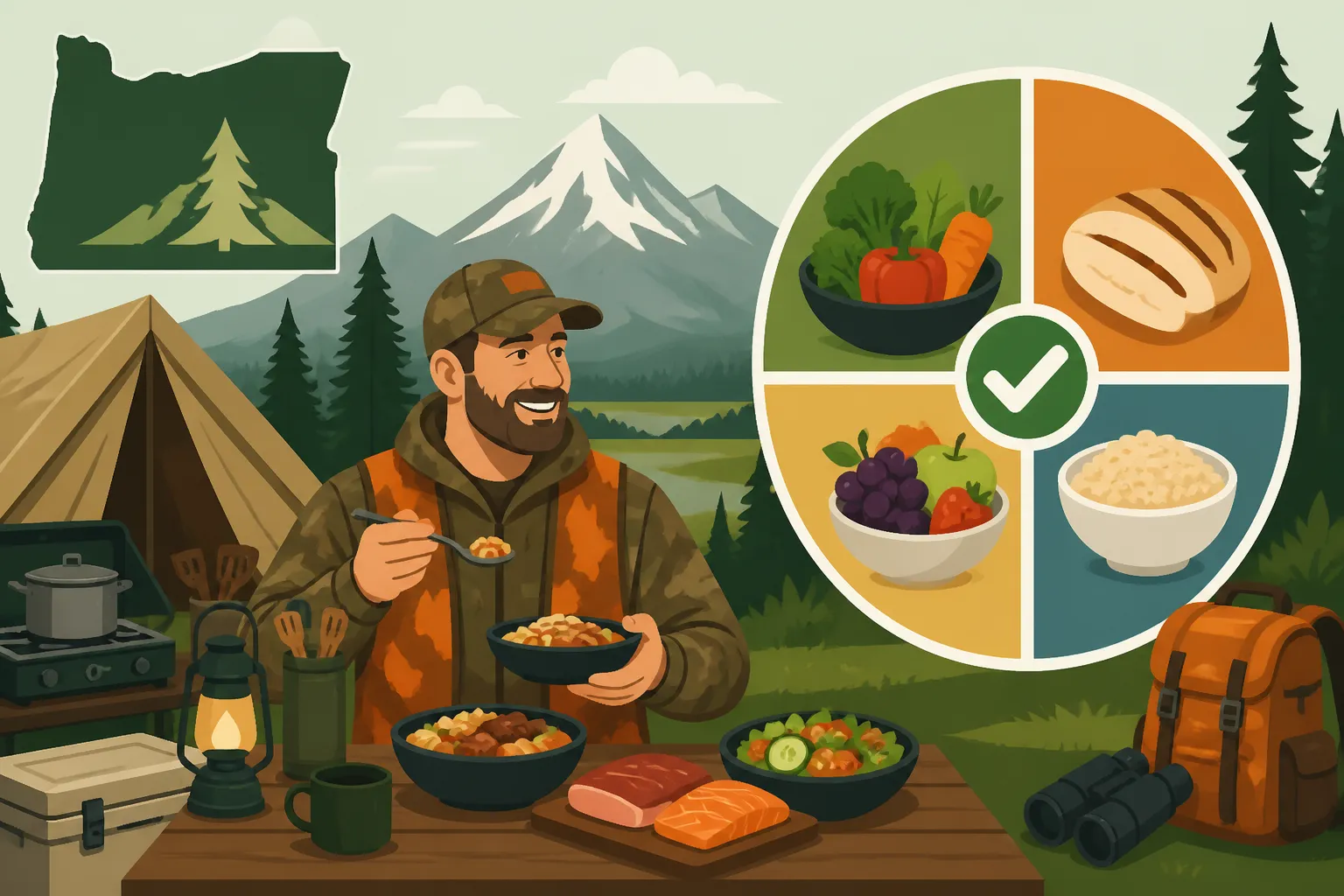
Outfitters generally aim to provide hearty, calorie-dense meals designed to fuel strenuous days in the field. Think comfort food that travels well and can be prepared with limited resources. Breakfasts might feature pancakes, eggs, bacon, or breakfast burritos. Lunches are often packed for the field – sandwiches, jerky, granola bars, fruit. Dinners tend to be robust affairs like chili, stews, pasta with meat sauce, or roasted chicken, often accompanied by rice, potatoes, or bread. The focus is on providing sustenance, not necessarily culinary adventure.
The choices made by outfitters for camp cuisine are highly practical. Ingredients need to be durable, often shelf-stable, and provide maximum energy for demanding hunts. They're chosen because they are relatively easy to cook in rustic settings, sometimes over open fires or on propane stoves in wall tents, and can feed a group efficiently. Guides are primarily focused on getting you on game and ensuring safety, not on being a five-star chef. This means simple, proven recipes take precedence over complex dishes that require special attention or ingredients.
It's also worth noting the significant difference between a drive-in base camp and a backcountry spike camp. A base camp, accessible by vehicle, might offer more variety, potentially including fresh produce, baked goods, and even some fresh meat beyond wild game. In contrast, a backcountry spike camp, deep in a wilderness area accessible only by foot or pack animal, will rely heavily on lighter, more durable items like dehydrated meals, mountain house rations, and simpler, non-perishable staples. When considering a hunt that involves Backpack Camps in Oregon Wilderness, you'll definitely see this difference in meal planning.
The Logistical Hurdles for Dietary Requests
While outfitters strive for client satisfaction, accommodating highly specific dietary requests in a remote hunting camp presents significant logistical challenges. Imagine a small propane stove in a canvas tent, limited cooler space, and no grocery store for miles. This isn't your home kitchen with a dedicated pantry and endless options. Fresh ingredients are often trucked in once, sometimes days before the hunt, making it difficult to source specialized items or replace spoiled ones.
Outfitters typically purchase groceries in bulk, planning meals for their entire group well in advance. This strategy is cost-effective and efficient, but it means deviating from the standard shopping list for one individual can be complicated and expensive. Asking for a niche ingredient that requires a special trip to a health food store in the nearest town can put a strain on their time and budget, especially if that town is hours away from the trailhead.
Furthermore, safety is a genuine concern, particularly with severe allergies. In a busy, often compact camp kitchen, cross-contamination is a real risk. Guides, while often experienced outdoorsmen, are generally not trained chefs or experts in managing complex allergic reactions or dietary protocols. They might not have separate cooking surfaces, utensils, or dedicated prep areas for specific diets. This reality means hunters with life-threatening allergies need to be especially proactive and prepared.
Proactive Communication is Key for Dietary Needs
When it comes to dietary requests, the old adage "forewarned is forearmed" couldn't be more accurate. The success of accommodating your needs hinges entirely on early and clear communication.
When and How to Speak Up
The absolute best time to discuss any dietary needs is before you even book your hunt. This is not a conversation for the week before you leave, nor is it something to casually mention at the trailhead. When you're making initial inquiries to potential outfitters, whether through a platform like BookYourHunt or directly via their website, explicitly state your requirements. This allows the outfitter to honestly assess if they can reasonably accommodate you within their operational constraints and, if necessary, adjust the hunt package or even recommend another outfitter better suited to your needs.
Be specific in these initial discussions. Instead of saying, "I'm a picky eater," explain exactly what you need. For example, "I have a severe tree nut allergy and need to ensure there are no nuts in any food prepared for me," or "I follow a strict ketogenic diet and will need high-fat, low-carb options, or I'd like to bring my own supplements." This detailed information allows the outfitter to factor your needs into their planning. Ensure these discussions, and any agreements made, are clearly reflected in your Guide Contracts and Deposits in Oregon.
Once you've booked, follow up with the outfitter in writing – an email is perfect for this. Reiterate your dietary needs clearly. This creates a paper trail for both parties and serves as a reminder for the outfitter as the hunt date approaches. Especially if you're booking far in advance, as is common for many popular Oregon hunts, a quick check-in a month or two before the season, perhaps when reviewing last-minute details related to Booking Lead Times for Oregon Hunts, can be incredibly helpful to ensure nothing falls through the cracks.
Detailing Your Specific Requirements
When you communicate your dietary needs, distinguish clearly between preferences and absolute, non-negotiable necessities. A preference for organic vegetables is very different from a life-threatening shellfish allergy. Prioritize safety and health above all else.
For allergies and severe intolerances, like celiac disease (gluten allergy), dairy intolerance, or nut allergies, be explicit about the severity. Do you need a completely separate cooking surface and utensils to prevent cross-contamination, or are trace amounts acceptable? This level of detail is critical for your safety. Remember, while outfitters want to provide a great experience, they are not medical professionals, and relying on them for perfect allergen management in a rustic camp can be risky.
For dietary choices, such as being vegetarian, vegan, or adhering to religious dietary laws (e.g., kosher, halal), provide examples of foods that are acceptable. "I am vegetarian" is a good start, but "I require plant-based protein sources such as beans, lentils, tofu, or veggie burgers, and avoid all meat, poultry, and fish" is far more actionable. Similarly, for low-carb or paleo diets, suggesting staple foods like lean meats (if you consume them), specific vegetables, and healthy fats is much more helpful than just stating the diet name.
Before even contacting an outfitter, you can use online resources. Tools like those on GoHunt, while primarily focused on unit research and strategy, can also indirectly help you understand the type of country you'll be in, which might influence food packing choices if you plan to supplement meals. Then, use this knowledge to have a direct and detailed conversation with the outfitter about their specific abilities to accommodate your needs.
Here's a quick reference table for common dietary needs and considerations in a hunting camp setting:
| Dietary Need/Preference | Key Considerations for Outfittern | Hunter's Proactive Steps |
|---|---|---|
| Severe Allergy (e.g., Peanuts, Shellfish) | ABSOLUTE no-go on allergen. High risk of cross-contamination in shared kitchens. | Communicate immediately and in writing. Clarify severity. Consider bringing all your own safe meals/snacks. Carry epi-pen. |
| Gluten-Free (Celiac Disease) | Requires separate prep surfaces, utensils. Gluten often in many packaged goods. | Communicate immediately and in writing. Offer to bring GF breads, pasta, snacks. Confirm flour alternatives. |
| Lactose Intolerance/Dairy Allergy | Dairy in many comfort foods (cheese, butter, sauces, milk). | Communicate early. Request dairy-free alternatives or bring your own (e.g., non-dairy milk powder). |
| Vegetarian/Vegan | Requires planning for protein sources beyond meat. | Communicate early and explicitly list acceptable plant-based proteins. Offer to bring specific items (e.g., dehydrated beans, lentils, tofu jerky). |
| Keto/Low-Carb | Requires focus on fats, proteins; avoids most grains, sugars, starches. | Communicate early. May require specific meats/fats. Bringing supplements/snacks is highly recommended. |
| Religious Dietary Laws | Specific animal preparation, food combinations, or restrictions (e.g., Kosher, Halal). | Communicate very early. May be difficult to accommodate in a rustic setting; bringing own sealed meals may be best. |
| General Picky Eater | Outfitter's priority is calorie-dense, accessible food for all. | Be realistic. Offer to bring your preferred snacks. Don't expect special meals; be adaptable. |
Practical Strategies for Managing Your Meals
Even with the best communication, hunting camp isn't home. Taking some personal responsibility for your food can significantly improve your experience and ease the burden on your outfitter.
Supplementing Your Camp Meals
One of the smartest things you can do, especially if you have very specific dietary needs or preferences, is to bring a supply of your own shelf-stable snacks, protein bars, and even dehydrated meals. This isn't a slight against your outfitter; rather, it’s a proactive measure to ensure you always have safe and appealing options. Think of it as a personal insurance policy against hunger or dietary mishaps. If you're heading into a backcountry hunt, be mindful of the weight this adds to your pack, but prioritize your health. Packing Meat Out in the Dark is a chore, but packing enough food to sustain yourself is essential.
Consider bringing specific items you know you'll rely on. If you prefer a particular brand of gluten-free cracker, a unique condiment that makes everything taste better, or a protein powder that fits your diet, pack it securely. Clearly label all your personal food items to avoid confusion in a communal camp setting. Small, vacuum-sealed bags of your preferred coffee, tea, or spices can also make a big difference in personal enjoyment without adding much bulk.
Always discuss with your guide what personal food items you plan to bring. Ask if there's available, safe storage space for them, especially if refrigeration is limited or you need to keep allergens separate. In expedition-style or Backpack Camps in Oregon Wilderness, every ounce of gear, including food, is carefully calculated. Your outfitter might be able to suggest how best to integrate your personal provisions with the communal supplies or advise on weight restrictions if you’re utilizing pack stock. This type of discussion is a great point to bring up when asking Questions to Ask an Oregon Outfitter before your trip.
Maintaining a Positive Camp Atmosphere
While your dietary needs are important, maintaining a positive and respectful attitude within the camp is equally vital for a successful hunt. Outfitters and their staff work incredibly hard to provide a good experience, often under challenging conditions.
Be realistic and flexible. Hunting camp is not a five-star restaurant, nor is your guide a personal chef. Appreciate the effort made to accommodate you, even if the food isn't exactly what you'd prepare at home. A little gratitude goes a long way in fostering good relations with your guide and fellow hunters. Remember, everyone is there for the hunt itself.
If a meal doesn't quite work for you, or if there's a minor oversight, address it calmly and respectfully with your guide. Don't make a big public scene or complain incessantly. Politely explain the issue and perhaps suggest using one of the supplementary items you brought. A constructive conversation is always better than critical remarks.
Finally, consider offering to help. If your specific dietary needs require a bit of extra meal prep, or if you can assist with cleanup, offer your help. This shows you're a team player and can help alleviate any added burden your requests might place on the camp staff. Especially if cross-contamination is a concern for you, being hands-on with your own meal preparation, with the guide's permission, can ensure your food is handled safely.
Understanding Outfitter Capabilities
It's important to differentiate what an outfitter can and cannot reasonably provide regarding camp food and dietary requests. Their primary expertise is guiding, not catering to complex culinary needs.
Guide's Role and Limitations
Outfitters are skilled at navigating the rugged terrain of Oregon, tracking game, and ensuring client safety. Their cooking skills are typically practical and functional, aimed at feeding a hungry hunting party efficiently. They operate within constraints of budget, logistics, and their own culinary experience. Expecting them to be a gourmet chef, a nutritionist, and an allergy expert all rolled into one is unrealistic and sets everyone up for disappointment.
The remoteness of many Oregon hunting locations significantly impacts food preparation. In a typical spike camp or Backpack Camps in Oregon Wilderness, fresh produce and specialized ingredients are often unavailable. Food needs to be non-perishable or easily preserved, limiting options to more basic, hearty fare. Power for advanced cooking appliances is also often non-existent. The environment itself dictates the simplicity of the menu.
While many outfitters are becoming more aware of common dietary needs, not all will have extensive experience with very specific or niche requirements. Some smaller, family-run operations might be less equipped to handle complex requests than larger outfits with more staff and resources. It's crucial to thoroughly vet your outfitter, checking their references and ensuring they are properly registered, as detailed in Checking an Oregon Guide's Registration, which speaks to their overall professionalism and attention to client needs.
Potential Costs for Special Requests
Be prepared for the possibility that highly specific or unusual dietary requests might incur additional costs. Sourcing specialized ingredients, requiring extra shopping trips, or necessitating separate meal preparation time can add to an outfitter's expenses. They might have to purchase smaller quantities of specific items, which are often more expensive per unit, or dedicate staff time to cater to individual needs outside of their standard bulk meal planning.
It is absolutely vital to discuss any potential additional charges for special dietary requests upfront. Clarify if these costs are already factored into the overall Oregon Guided Elk Hunt Price Ranges or if they will be an extra fee. Some outfitters might have a set "special diet" charge to cover the increased effort and expense, while others might offer a slight discount if you opt to bring a significant portion of your own food and reduce their grocery load. This kind of transparency should be part of the detailed conversation about What an Oregon Guided Hunt Package Includes.
Remember, an outfitter's business model is built around efficiency and standardized operations. Any deviation from that standard, however well-intentioned, often translates to increased cost or effort for them. Acknowledging this and being willing to discuss it openly and fairly contributes to a smoother hunting experience for everyone involved. For researching potential outfitters and their service offerings, you might use platforms like BookYourHunt, which often have filtering options or contact forms that can help you initiate these conversations about specific needs and potential costs before committing to a booking.
Disclaimer
This article is for general informational purposes only and does not constitute professional advice. Laws, prices and regulations vary by location and change over time. Consult a qualified professional for guidance on your specific situation.