European Mount Versus Shoulder Mount
After a successful hunt in Oregon, that rush of adrenaline eventually settles, leaving you with a profound sense of accomplishment and a fantastic story. But then comes the moment you start wondering: how do I preserve this memory in a way that truly honors the animal and fits your home or hunting den? For many hunters, the big decision between a European mount and a traditional shoulder mount can feel overwhelming, especially when you're still processing the hunt itself and dealing with the immediate demands of meat care. This guide aims to break down these two popular taxidermy options, helping you understand the nuances of each so you can choose the perfect way to immortalize your hard-earned trophy.
Understanding the European Mount
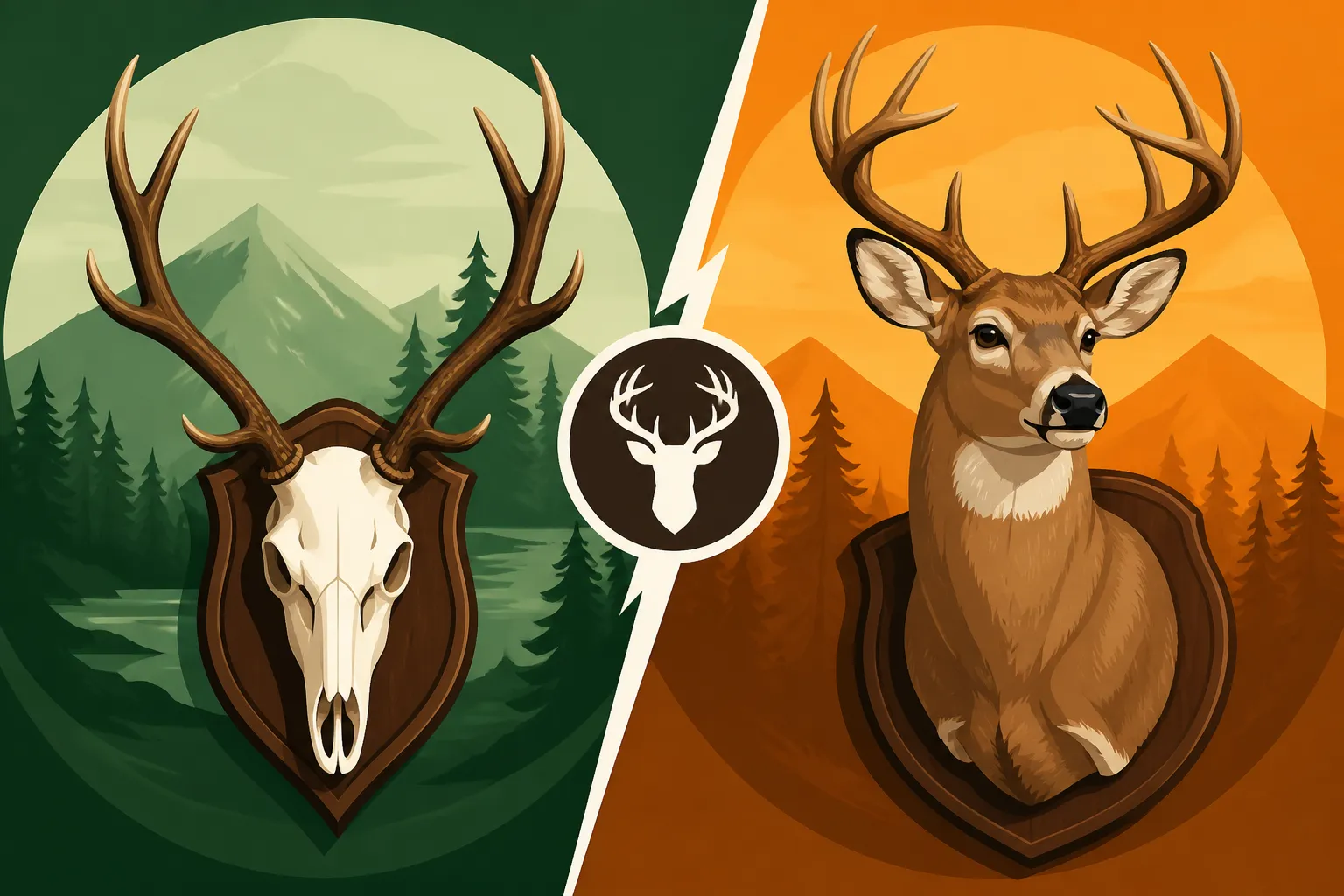
The European mount, often simply called a "skull mount," is a classic, understated way to display a big game trophy. It focuses solely on the cleaned skull and antlers (or horns) of the animal, showcasing the natural bone structure. It's a method that has gained immense popularity over the years, not just for its aesthetic appeal but also for its practicality.
The Process of Creating a European Mount
Creating a European mount involves stripping all flesh, tissue, and brain matter from the skull, leaving behind pristine bone. This isn't a task for the faint of heart, or for someone without ample space and a strong stomach. Many hunters choose to do this themselves, especially for smaller animals like blacktail deer, but for larger game like elk, or if you prefer a professional finish, a taxidermist or a dedicated skull cleaner is often the best route.
The initial step in the field is crucial. After Field Dressing an Elk in Warm Early-Season Weather or a deer, you'll need to carefully remove the head from the carcass. For a European mount, you'll typically cut just behind the base of the skull, leaving the atlas and axis vertebrae attached to allow for easier handling and cleaning later, though some prefer to remove the entire skull. The next immediate step is to get the head cooled down. If you're on a multi-day hunt, keeping the skull cool and out of direct sunlight is paramount to prevent bacteria from setting in and creating stains or odors that are incredibly difficult to remove later. Many hunters will skin the head and carefully remove as much flesh as possible with a knife in the field, then bag it and pack it out with the rest of the meat.
Back at home, or at the taxidermist's shop, the skull typically goes through one of several cleaning methods. The most common DIY method involves maceration (letting bacteria naturally clean the skull in water) or boiling. Boiling, while quicker, can sometimes damage the delicate nasal bones and can "grease" the skull, making it harder to get a pure white finish. Professional taxidermists often use dermestid beetles, which are highly efficient and incredibly thorough at cleaning every crevice without damaging the bone. Once clean, the skull is degreased – a critical step, especially for bears or older animals that have more fat in their bone structure – and then whitened, often with hydrogen peroxide. This is an artistic process as much as it is a scientific one, aiming for a natural, clean look.
Pros and Cons of European Mounts
European mounts offer several distinct advantages that make them a favorite for many Oregon hunters. Firstly, they are generally far more affordable than shoulder mounts. This can be a huge consideration, especially after factoring in other hunt costs like tags, fuel, and gear. Secondly, they take up significantly less space. You can often fit several European mounts on a wall where only one shoulder mount might go. This is a big plus for those living in smaller homes or apartments, or for hunters who harvest multiple animals over the years and want to display them all. They also have a rustic, natural aesthetic that appeals to many, highlighting the raw beauty of the animal's bone and antler structure. They are relatively low maintenance once cleaned and finished, requiring only occasional dusting.
However, there are some downsides. The cleaning process, if done improperly, can result in a smelly, greasy, or stained skull. If you opt for DIY, it can be a messy and time-consuming endeavor. While less expensive than a shoulder mount, the cost for a professional European mount can still vary quite a bit, so it's always wise to get quotes from reputable Taxidermists in Oregon Hunting Towns. Another consideration is that some people simply prefer the lifelike presentation of a shoulder mount, finding European mounts a bit too stark or clinical. The mount doesn't convey the animal's full size or musculature, focusing instead on the head structure itself.
Delving into the Shoulder Mount
The shoulder mount is arguably the most iconic form of big game taxidermy. This method involves meticulously preserving the animal's hide, head, and neck, and mounting it onto a sculpted form to recreate a lifelike representation of the animal. It captures the essence and grandeur of the animal in a way that no other method can.
The Detailed Process of a Shoulder Mount
The journey to a magnificent shoulder mount begins immediately after the harvest. The most critical field step for a shoulder mount is the caping process – carefully skinning the animal from behind the front legs, up the neck, and over the head, ensuring there's ample hide to work with. If you're unsure about this, it's always best to leave extra hide rather than too little, as a taxidermist can always trim excess, but can't add more. A common guideline for elk or larger deer is to cut a "cape line" around the circumference of the animal, roughly 6-8 inches behind the front legs. Then, make a cut up the back of the neck to the skull, and careful cuts around the eyes, nose, and mouth. Many outfitters on platforms like BookYourHunt can provide excellent guidance on this field preparation, or even do the initial caping for you.
Once the cape is removed, it must be thoroughly salted and dried, or taken to a taxidermist or game processor for freezing or professional tanning as soon as possible. Improper care in the field can lead to hair slippage, where the hair falls out due to bacterial decomposition, rendering the cape unusable for a mount. This is particularly important for animals harvested in warmer climates or early in the season. Getting a Carcass Off the Ground Fast and into a cool environment applies equally to the cape as it does to the meat.
At the taxidermy studio, the cape undergoes a tanning process to preserve the hide permanently. This makes it pliable, durable, and resistant to decay. A form, typically made of polyurethane, is selected to match the animal's exact measurements, which you or your guide should have taken in the field. The tanned hide is then stretched and carefully fitted over this form. The taxidermist then painstakingly works on the intricate details – setting the eyes, sculpting the nose and mouth, and recreating the muscle definition of the neck and shoulders. This artistry requires immense skill and attention to detail to bring the animal back to a lifelike state. The process is lengthy, often taking many months from field to finished product, so patience is definitely a virtue here.
Pros and Cons of Shoulder Mounts
The primary benefit of a shoulder mount is its unparalleled ability to capture the majesty and lifelike presence of the animal. A well-executed shoulder mount can truly bring your hunting memory to life, showcasing the animal's full size, coloration, and impressive rack. Imagine that bull elk, harvested in the remote forests of the Wallowas, looking as if he just stepped out of the timber, right there in your living room. They are a statement piece, a focal point in any room, and a constant reminder of a significant achievement.
However, shoulder mounts come with their own set of considerations. The most significant is the cost; they are considerably more expensive than European mounts due to the complex, labor-intensive process and the materials involved. Expect to invest a substantial amount for a quality shoulder mount, especially for larger game like elk. Another major factor is space. A full shoulder mount of a Roosevelt elk or a large mule deer takes up a lot of room, both horizontally and vertically. You need adequate wall space, and enough clearance for the antlers. This can be a challenge for hunters with limited display areas. How Many Pack Trips a Bull Elk Takes might be a consideration for getting the cape out in pristine condition, as dragging it out can cause damage. Finally, shoulder mounts require more ongoing care, including periodic cleaning and protection from direct sunlight, dust, and pests to ensure their longevity.
Choosing Your Trophy Display: Factors to Consider
Deciding between a European mount and a shoulder mount often boils down to a blend of personal preference, practical considerations, and the unique story of your hunt. There's no single right answer, only the right choice for you.
Cost and Budget Realities
Let's be realistic, hunting isn't a cheap hobby, and preserving your trophy adds to the overall investment. A European mount, even done professionally, will be a fraction of the cost of a shoulder mount. If budget is a primary concern, or if you're looking to display multiple trophies without breaking the bank, the European mount is a fantastic, respectable, and budget-friendly option. For example, the cost of a high-quality Oregon Guided Elk Hunt Price can be substantial, and adding an expensive mount on top might strain the wallet.
Consider getting quotes from several local taxidermists. Don't just go for the cheapest option; look at their portfolio, read reviews, and ask about their turnaround times. A cheap mount done poorly will be a lasting disappointment. Sometimes, resources like GoHunt forums or community sections can be good places to ask for local taxidermist recommendations and get an idea of current pricing structures.
Space, Aesthetics, and Home Decor
This is where the rubber meets the road for many. Do you have a dedicated "man cave" or a large living room with high ceilings? Or are you trying to subtly incorporate your trophy into a more contemporary living space? Shoulder mounts demand space and attention. They are dominant pieces. A large elk shoulder mount can command an entire wall. If you're short on space, or if your significant other has strong opinions on wildlife decor, a European mount might be the more harmonious choice. They offer a cleaner, more minimalist look that can blend into various decor styles without overwhelming a room.
Think about the overall aesthetic you're aiming for. A rustic cabin vibe might welcome a grand shoulder mount, while a modern urban home might feel more appropriate for the understated elegance of a European mount. It’s your memory, but it’s also a piece of art that will live in your home.
The Animal and the Hunt Itself
Sometimes, the animal or the hunt dictates the display. Was it an absolutely monumental bull elk with incredible antler mass that you stalked for days through the dense timber of the Oregon Coast Range? That might warrant the full grandeur of a shoulder mount to truly capture its magnificence. Was it a beautiful blacktail deer, taken on a quick morning hunt, whose antlers hold sentimental value but perhaps aren't record-breaking? A European mount could be a perfect way to remember that specific experience without overstating it.
Consider the health and condition of the hide. If the cape was significantly damaged during the hunt, perhaps by a bullet exit wound in the neck, or if there was substantial hair slippage due despite your best efforts at Field Dressing in 70-Degree September Heat, a European mount might be the only viable option. While a taxidermist can sometimes work magic with damaged capes, it often adds to the cost and may not achieve the desired quality.
| Feature | European Mount (Skull Mount) | Shoulder Mount |
|---|---|---|
| Appearance | Cleaned skull and antlers/horns; natural bone structure. | Lifelike head, neck, and shoulders; hide, eyes, nose recreated. |
| Space Required | Minimal; fits easily on shelves or smaller wall areas. | Significant; requires large wall space, protrudes substantially. |
| Typical Cost | Lower (e.g., a few hundred dollars). | Higher (e.g., typically over a thousand dollars for larger game). |
| Preparation Time | Faster turnaround, especially if done professionally. | Longer, often 6-18 months or more for professional taxidermy. |
| Field Prep | Remove head, clean off large flesh, cool. | Careful caping (skinning), salting/freezing cape immediately. |
| Maintenance | Low; occasional dusting. | Moderate; dusting, protection from sun/pests, professional cleaning. |
| Emotional Impact | Focuses on the "trophy" antlers/horns; clean, classic. | Captures the essence and majesty of the animal; lifelike. |
| DIY Feasibility | More feasible for DIY cleaning (boiling, maceration). | Rarely DIY; requires professional tanning and sculpting skills. |
Post-Harvest Care and Getting to the Taxidermist
Regardless of your final decision, proper care of your trophy in the field is paramount. A poorly cared-for trophy is nearly impossible for even the best taxidermist to salvage.
Immediate Field Care for the Head
The moment you harvest your animal, your internal clock starts ticking, especially if the weather is warm. For any kind of mount, the head needs to be cooled down as quickly as possible. If you decide on a European mount, skinning the head down to the skull in the field and removing as much flesh and muscle as you can without damaging the bone is a great first step. This reduces the amount of material that can spoil. Then, get it bagged in breathable material (like a game bag, not plastic) and packed out with the rest of your game meat. Remember, for a successful European mount, the cleaner the skull starts, the better the end result. If you're Quartering and Packing an Elk Alone, don't forget the skull is another heavy component.
For a shoulder mount, the field care for the cape is even more critical. After carefully Caping a Bull for a Shoulder Mount, the hide needs to be completely salted. This means rubbing a generous amount of non-iodized salt into every inch of the flesh side of the cape. Let it sit for a day or two, then shake off the excess moisture and re-salt. The goal is to dry out the hide completely to prevent bacterial growth. Alternatively, if you can get it to a taxidermist or freezer within a few hours, you can simply roll it up, flesh side in, and freeze it. This is often the safest bet if you're unsure about proper salting or pressed for time. When you're driving long distances home from Eastern Oregon, ensure the cape is kept cold, similar to how you would care for your Coolers, Ice and the Drive Home From Eastern Oregon.
Working with a Professional Taxidermist
Finding a reputable taxidermist is crucial for either type of mount. Don't just pick the first name you find. Ask other hunters for recommendations, check online reviews, and look at portfolios of their past work. You want someone who demonstrates skill, attention to detail, and a passion for their craft. A great resource for finding local talent can sometimes be found on hunting forums that GoHunt or other similar platforms host, where hunters share their experiences with various taxidermists.
When you drop off your trophy, be clear about your intentions. Discuss whether you want a European or a shoulder mount. Review their pricing, estimated turnaround time, and deposit requirements. A good taxidermist will walk you through the options, show you different forms and poses for a shoulder mount, and answer all your questions. They might also advise on the best way to handle the rest of the animal, such as connecting you with a local meat processor for your Elk Meat Yield From a Roosevelt Bull or Deer Meat Yield From a Blacktail. Remember, this is an investment in preserving a memory, so choosing the right professional is just as important as the hunt itself.
Disclaimer
This article is for general informational purposes only and does not constitute professional advice. Laws, prices and regulations vary by location and change over time. Consult a qualified professional for guidance on your specific situation.