Paying by Card Versus Cheque
When you're finally ready to book that dream Oregon elk hunt or secure a coveted blacktail deer trip, the last thing you want to stress over is how to actually pay for it. It might seem like a minor detail, but choosing between pulling out the credit card or writing a good old-fashioned cheque can have real implications for your financial security, convenience, and even the cost of your adventure. This guide aims to break down the pros and cons of each payment method, helping you navigate the sometimes-confusing world of outfitter deposits and balances with confidence.
The Convenience and Protection of Paying by Card
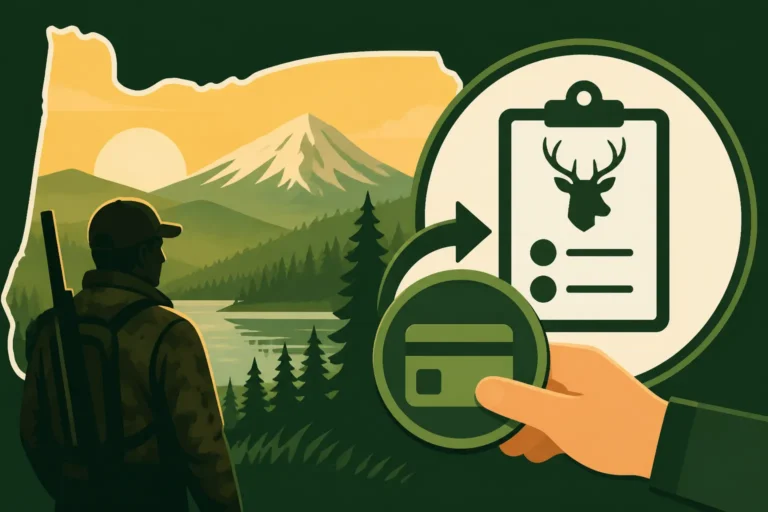
Let's face it, in our modern world, swiping or entering card details feels almost second nature. When it comes to booking a substantial expense like a guided hunting trip, a credit card offers a blend of convenience and protection that can be very appealing, especially for those larger deposits.
Instant Transactions and Booking Security
One of the most immediate benefits of using a credit card is the speed of the transaction. You've discussed the dates with your outfitter, confirmed the details, and now you can secure your spot in moments. This instant confirmation can be a huge relief, particularly if you're trying to snag a popular time slot or one of those hard-to-find Landowner Preference Tags that an outfitter might have access to. There's no waiting for mail, no wondering if your payment got lost, and no anxiety about the spot being taken by someone else while your cheque is in transit.
Beyond speed, credit cards offer a layer of security that cheques simply can't match. Most major credit card companies provide robust fraud protection. If there's an unauthorized charge or, heaven forbid, a dispute with the service you paid for, you often have the option to initiate a chargeback. This means your credit card company can reverse the transaction while they investigate. This is an invaluable safety net when you're committing a significant amount of money to an outfitter, especially if it's your first time working with them or if they're a new operation. It provides a peace of mind that your funds aren't just gone the moment they leave your account. Reputable booking platforms, like BookYourHunt, often leverage these secure online payment systems, adding another layer of trust to the transaction process.
Rewards Programs and Budget Management
For many savvy consumers, credit cards aren't just about spending; they're about earning. If you have a rewards card, putting a large deposit or the full cost of a guided hunt on it can quickly rack up points, miles, or cashback. Imagine earning enough miles for a future flight to eastern Oregon for a mule deer hunt, or getting a substantial cashback bonus that helps offset the cost of new gear, like a better rangefinder for Glassing Sage and Juniper for Eastern Oregon Mule Deer. These perks can genuinely add value to your purchase, turning a necessary expense into a beneficial one.
Furthermore, credit cards can offer a degree of flexibility in budget management. While the ideal scenario is always to pay off your balance immediately, a credit card can allow you to spread out payments over a billing cycle or two if needed. This can be helpful if you're managing cash flow around other large expenses or waiting for a specific payday. Of course, this needs to be approached with discipline to avoid interest charges, but the option exists. For hunters who might be budgeting for a What an Oregon Guided Elk Hunt Costs over several months, this flexibility can be a real game-changer, allowing them to book early and plan their finances accordingly.
Potential Downsides: Fees and Interest
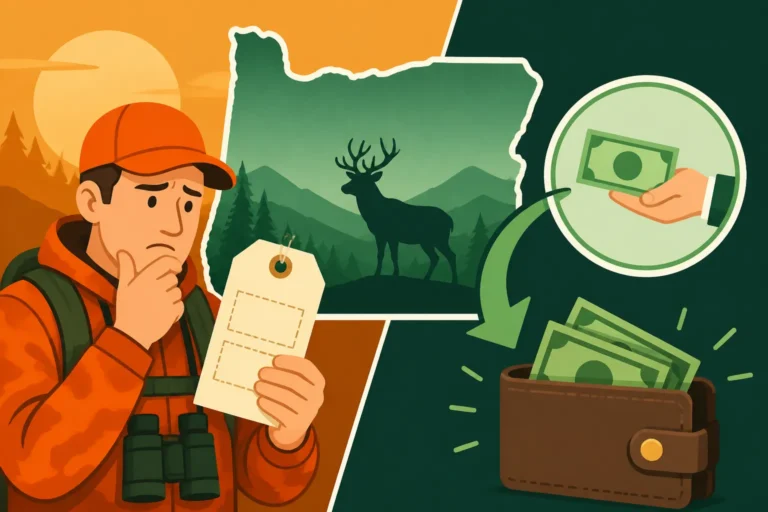
As with anything, the convenience and protection of credit cards often come with a trade-off. The most common downside when dealing with outfitters is the potential for processing fees. Credit card companies charge businesses a percentage of each transaction, and many small businesses, including independent guides, choose to pass this fee on to the customer. This can sometimes add anywhere from 2% to 4% to the total cost of your hunt, which for a multi-thousand-dollar trip, can translate into hundreds of extra dollars. It's crucial to ask your outfitter upfront if they charge a credit card processing fee.
Another consideration, particularly if you don't pay off your balance immediately, is interest. If you carry a balance on your credit card, you'll start accruing interest charges, which can significantly increase the total cost of your hunt. While the flexibility to pay over time can be a benefit, the financial cost of doing so can quickly outweigh any rewards earned if you're not careful. It’s important to treat booking a hunt like any other major financial commitment and ensure you have a plan to manage the debt.
The Traditional Reliability of Paying by Cheque
For generations, cheques were the standard way to handle large financial transactions, and they still hold a place in many business dealings, including with hunting outfitters. While they might lack the instant gratification of a credit card, cheques offer a different set of advantages, particularly for those who prefer a more direct, fee-free approach.
Avoiding Processing Fees
The biggest appeal of paying by cheque, from both the hunter's and the outfitter's perspective, is often the absence of processing fees. When you write a cheque, there are no third-party companies taking a cut of the transaction. This means the outfitter receives the full amount, and they, in turn, don't have to charge you extra to cover their costs. For a significant payment like an Oregon Guided Deer Hunt Costs or the balance for your Oregon Guided Elk Hunt Price, this can represent a tangible saving, keeping more money in your pocket for gas, gear, or perhaps even an extra day in the field pursuing Waterfowl and Upland Birds as a Second Season.
Many outfitters, especially those who have been in the business for years, often prefer cheques for this very reason. It simplifies their accounting and maximizes their revenue per client. They're often happy to offer this option, and sometimes even encourage it, which can be a subtle indicator of their transparency and desire to keep costs down for their clients. It's always worth asking if a cheque payment offers a discount or avoids a surcharge.
Clear Paper Trail and Funds Management
When you write a cheque, you create a physical record. The cheque stub, the canceled cheque image on your bank statement, and the date it was cashed all provide a clear, undeniable paper trail. For some, this tangible record offers a sense of control and clarity that digital transactions can't quite replicate. It's easy to see when the money left your account and when the outfitter received it, which can be helpful for personal budgeting and record-keeping, especially if you're also tracking other hunting-related expenses like buying new Rain Gear That Actually Stays Dry or preparing for a multi-day backcountry camp.
Furthermore, paying by cheque means the funds are held in your account until the cheque is actually deposited and clears. This allows you to retain control of your money for a slightly longer period, which can be beneficial if you're carefully managing cash flow. It also gives you a definitive point where the money officially leaves your possession, which for some, feels more secure than a potentially reversible digital transaction that might be less transparent on their bank statement.
Drawbacks: Delays and Lack of Immediate Protection
While cheques offer their own benefits, they also come with distinct disadvantages. The most obvious is the delay. Once you mail a cheque, it takes time to reach the outfitter, and then more time for them to deposit it, and still more time for it to clear your bank. This entire process can take anywhere from several days to a couple of weeks. If you're trying to book a last-minute hunt or secure a highly competitive spot, this delay can be a critical issue, potentially causing you to miss out. This is a common frustration for hunters trying to secure popular Oregon Roosevelt Elk Rifle Seasons in November dates.
Another significant drawback is the lack of immediate protection compared to credit cards. Once a cheque clears, the money is typically gone from your account with far fewer avenues for recourse if a problem arises. If an outfitter suddenly became unresponsive or failed to deliver on their contractual obligations, recovering funds paid by cheque can be a much more arduous process, often involving legal action rather than a simple chargeback. While you can usually stop payment on a cheque before it's cashed, once the funds have been transferred, your options are limited. This makes the due diligence of Checking an Oregon Guide's Registration even more critical when paying by cheque.
Making the Best Payment Choice for Your Oregon Hunt
Deciding between a card and a cheque isn't just about personal preference; it's about making an informed decision that aligns with your financial comfort, the outfitter's policies, and the specific terms of your hunt.
Assessing Your Outfitter's Policies
The first and most important step is always to communicate directly with your chosen outfitter. Ask them what payment methods they accept and if there are any fees associated with credit card payments. Some outfitters, especially smaller, family-run operations, might strongly prefer cheques due to the costs associated with credit card processing. Others, particularly those that work with booking agencies or have a more sophisticated online presence, might be fully equipped to handle credit card payments without passing on significant fees.
For example, a seasoned guide focusing on Calling Roosevelt Elk in Oregon Rainforest Timber might primarily accept cheques, whereas an outfitter specializing in Horse and Llama Packing Into Oregon Backcountry with an online booking system might prefer cards. Don't assume; always ask. This direct conversation not only clarifies payment options but also opens a dialogue, which is crucial for building trust before your hunt. It's also a good opportunity to ask about their deposit structure, cancellation policies, and Hunt Dates Written Into the Agreement.
Hybrid Approaches and Booking Platforms
It's not always an either/or situation. Many hunters and outfitters utilize a hybrid approach. For instance, you might use a credit card for the initial deposit to secure your spot quickly and benefit from the fraud protection, especially if you're booking well in advance. Then, you might pay the remaining balance closer to the hunt date with a cheque to avoid any credit card processing fees on the larger portion of the payment. This can be an excellent way to get the best of both worlds.
Platforms like BookYourHunt and GoHunt act as intermediaries, offering a secure online portal for transactions. These platforms often manage the payment processing, providing a level of security and convenience for both parties. They can streamline the initial booking process, taking deposits and sometimes even the full payment, giving hunters confidence that their funds are handled professionally. However, even when using such platforms, always understand their specific terms and conditions regarding payments, refunds, and cancellations. These services are invaluable for discovering outfitters that offer Drop Camp Services in Oregon Wilderness or full-service guided trips.
Understanding Contractual Terms
Regardless of your chosen payment method, the most critical element is the written contract with your outfitter. This document should clearly outline the total cost of the hunt, the deposit amount, the schedule for balance payments, and the cancellation and refund policy. It should also specify what happens if an Unfilled Tags and Partial Refunds situation arises, or what is covered in the event of unforeseen circumstances like weather delays.
A well-drafted contract provides the legal framework for your hunt and protects both you and the outfitter. Always read it thoroughly before signing and making any payments. If you have any questions or concerns, address them before committing. A good outfitter will be transparent and willing to clarify all terms. Remember, a payment is a commitment, and a clear understanding of your agreement is your best defense against potential issues. This applies whether you're arranging a private land hunt with a What Oregon Ranch Access Fees Run or navigating public land access within a Reading a Travel Management Area Map Before You Drive.
Here’s a quick comparison of the two payment methods:
| Feature | Credit Card | Cheque |
|---|---|---|
| Convenience | Instant, online booking | Slower, requires mail/delivery |
| Security | Fraud protection, chargeback options | Clear paper trail, but limited post-clearance recourse |
| Cost | Potential processing fees, interest if balance carried | Typically no extra fees for hunter |
| Speed | Immediate transaction | Can take days to weeks to clear |
| Record-Keeping | Digital statements, online history | Physical copy, bank statement image |
| Flexibility | Earning rewards, short-term budget management | Funds remain in account until cleared |
| Outfitter Preference | Varies, some pass on fees | Often preferred to avoid processing costs |
Ultimately, the best payment method for your Oregon hunting trip comes down to your personal priorities and the specific arrangements with your outfitter. If speed, convenience, and robust consumer protection are paramount, and you're comfortable with potential fees or managing credit card debt, a credit card is likely your go-to. If you prioritize avoiding extra fees, prefer a tangible paper trail, and aren't in a rush, a cheque might be the more suitable, traditional option. Always communicate clearly with your outfitter, understand your contract, and choose the method that makes you feel most secure and confident as you prepare for your next big adventure.
Disclaimer
This article is for general informational purposes only and does not constitute professional advice. Laws, prices and regulations vary by location and change over time. Consult a qualified professional for guidance on your specific situation.