What Happens if You Fill Early
You've just put in the hard work, the hours of scouting, the early mornings, and the late nights. You've walked miles of rough terrain, perhaps through thick timber or across wide-open sagebrush. Finally, it all comes together: you've successfully harvested your deer or elk. That surge of adrenaline is quickly followed by immense satisfaction. But then a thought might creep in: "Wait, I just filled my tag on day one of a seven-day hunt. Now what?" This guide will walk you through the exciting, yet sometimes logistical, reality of filling your Oregon big game tag much earlier than anticipated and how to make the most of the rest of your trip.
The Sweet Taste of Success and the Immediate Aftermath
There’s truly nothing like the feeling of a successful hunt. The culmination of all your effort resulting in a filled tag is what we all dream of. But an early fill brings its own set of considerations, and the hunt isn't truly over until that meat is cared for and your tag is properly reported.
Congratulations, Now What?
The first thing, of course, is to ensure the animal is humanely dispatched and that you take a moment to appreciate the animal and the experience. Once that's settled, the real work begins. You'll immediately move into the field dressing process. This isn't just a chore; it's a critical step to ensure the quality of your meat. In Oregon, especially during early seasons, temperatures can be quite warm, making quick and efficient field dressing paramount. You need to get those internal organs out to allow the carcass to cool down as fast as possible. If you're hunting in a remote area, having a plan for Field Dressing an Elk in Warm Early-Season Weather or Gutless Method on a Bull Elk is crucial. Every minute counts when the sun is beating down.
After field dressing, your next immediate step is to attach your tag to the animal. In Oregon, the rules are clear: the tag must be validated and securely attached immediately after harvest. This means tearing out the correct notch for the month and day, and signing it. Don't delay this step; it's a legal requirement. Once that tag is on, it officially marks the end of that particular big game hunt for you.
Your Tag is Filled: The Legalities
Once your tag is validated and affixed to your animal, it's considered "filled." This means you cannot use that same tag again, nor can you "help" a buddy by pretending it's their animal or vice-versa. The integrity of the tag system relies on each hunter only harvesting one animal per tag issued. This is why proper tagging is so important and why wildlife enforcement officers take it very seriously.
Beyond the immediate tagging, Oregon has mandatory harvest reporting requirements. This isn't something you can forget about. Whether you harvested an animal or not, you are required to report your hunt results by a specific deadline. Missing this deadline carries a $25 Oregon Reporting Penalty Costs You and will require you to pay it before you can apply for or purchase licenses and tags in the future. Many hunters simply report online through the Oregon Department of Fish and Wildlife (ODFW) electronic licensing system when they get home, but it’s something to keep in mind, even in the jubilation of an early fill. Make a note to yourself, or set a reminder on your phone, to complete this important step by the deadline.
Managing Your Time and Resources After an Early Harvest
An early success might feel like hitting the jackpot, but it also shifts your focus from hunting to management. This is where pre-hunt planning truly pays off, especially regarding meat care and how the rest of your planned trip unfolds.
Logistics of Meat Care
This is often the most critical and challenging aspect of an early fill. If you're deep in the backcountry, suddenly you have hundreds of pounds of meat that needs to be cooled and transported. Quartering and Packing an Elk Alone is a monumental task, and if you planned on multiple days of hunting before packing out, your timeline just accelerated dramatically. You might have to make extra trips, or call for help from non-hunting partners.
The goal is always to get the meat cooled as quickly as possible. This means skinning the animal, quartering it, and getting the quarters into game bags, ideally hanging in the shade where air can circulate. If you're in warmer weather, having a plan for Cooling Meat in a Truck Bed with plenty of ice is non-negotiable. Knowing the nearest town with an ice machine or a butcher shop for processing is invaluable. Some hunters even bring large coolers filled with block ice to their initial camp just in case of an early success, allowing them to load quarters directly into the ice while they figure out the next steps. Don't forget to protect your meat from flies and scavengers during this process; game bags are a must.
Camp Life Continues or Changes
When you fill a tag early, especially if you're on a multi-day trip with hunting partners, it changes the dynamic of your camp. If you're the only one who harvested, you now have a choice: do you stay and assist your partners, or do you focus solely on getting your meat processed and head home?
Often, hunters choose to stay and support their group, perhaps helping with scouting, calling, or simply setting up camp. Just because you can't carry a weapon and hunt doesn't mean you can't be an invaluable member of the team. However, the pressing need to care for the meat might force you to break camp early, or at least dedicate a significant portion of your remaining time to driving to a processor, dropping off quarters, and getting ice. This is a conversation you should have before the hunt, setting expectations with your partners about how an early success will be handled. Will everyone pitch in to get the meat out, even if they haven't filled their tag yet? Or will you take on the primary responsibility for your own harvest?
Options for the Remainder of Your Hunt
Just because your big game tag is filled doesn't mean your outdoor adventure has to end. Oregon offers a wealth of other opportunities, or simply a chance to enjoy the peace of the wilderness.
Transitioning to Other Pursuits
Oregon offers a "Sports Pac" license which can include tags for various small game, birds, and even fishing. If you have those additional tags or validations, an early big game success can be a perfect segue into other types of hunting.
- Predator Calling: Many units that hold deer and elk also have healthy populations of coyotes and bobcats. If you've got a predator call, whether it's an electronic caller (check Electronic Calls and What Oregon Allows) or a mouth call, you can spend some quality time calling coyotes. This can be exhilarating and helps manage predator populations, which is beneficial for big game herds.
- Bird Hunting: Depending on the season and location, you might have opportunities for grouse, quail, or even Chukar Country Footwear and Fitness in eastern Oregon. Carrying a bird shotgun in your vehicle or camp, along with the appropriate tags, can turn an early end to your big game hunt into a new kind of adventure.
- Scouting for Next Season: There’s no better time to scout than when you’re already in the field. Without the pressure of actively hunting, you can explore new areas, look for fresh sign, identify bedding areas, and locate water sources. This pre-season reconnaissance can give you a significant advantage for future hunts. Many hunters use digital mapping tools like GoHunt to mark waypoints, game trails, and potential stand locations. Even simply observing deer and elk behavior without the intent to harvest can be incredibly educational. E-Scouting Oregon Units With Satellite Imagery is great, but boots-on-the-ground scouting is king.
- Fishing: Oregon's rivers and lakes are world-renowned. If you brought your fishing gear, you might discover a fantastic trout stream or a lake teeming with bass, turning your hunt into a mixed outdoor excursion.
Heading Home Early
Sometimes, the most practical option is simply to head home. Especially if you’ve traveled a long distance, getting that meat into a freezer or to a processor efficiently might be your top priority. The thought of a long drive home with coolers full of meat can be daunting, so ensuring you have enough ice and a plan for How Long Meat Keeps on the Drive Home is essential.
If you are camping with others who are still hunting, communicate your plans clearly. Maybe you can leave the camp setup for them and just take your personal gear and meat. Or, if everyone in your party has filled their tags, you might all decide to break camp and head out together. This can save on fuel, reduce travel time for the meat, and allow you to get back to your regular routine sooner. There’s no shame in calling a successful hunt early; in fact, it’s often a sign of good planning and efficient execution.
Planning Ahead for the Unexpected Early Success
The best way to handle an early fill is to anticipate it. Incorporating discussions and preparations into your pre-hunt routine can turn a potential logistical headache into a smooth transition.
What to Discuss with Your Hunting Partners
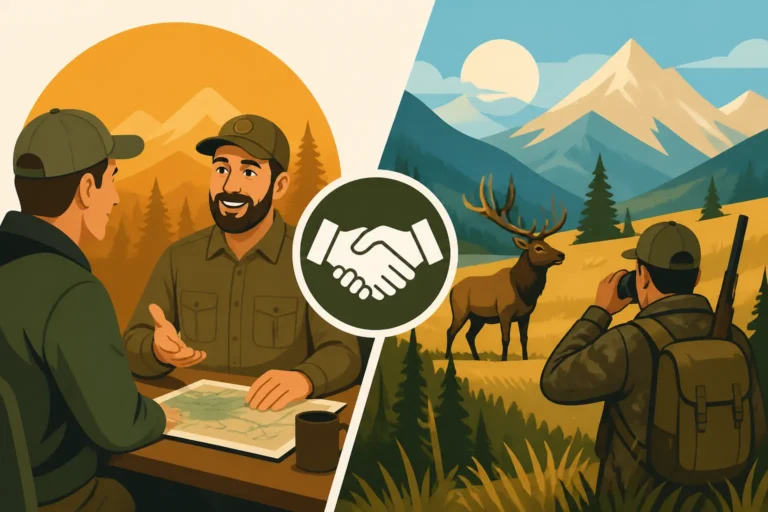
Before you even leave home, sit down with your hunting buddies and talk about "what if" scenarios. This isn't just about safety; it's about logistics and expectations.
- Meat Handling Plan: Who helps with the pack out? Will you share the load, literally? If one person fills their tag on day one, is the rest of the group expected to help quarter and pack, or will that person handle their own animal? Discussing Pack Frame Load Weight for One Hunter and who has what gear for packing can make a huge difference.
- Camp Protocol: If someone fills early, do they stay in camp? Do they leave? What responsibilities change? Having these conversations ensures there are no hard feelings or misunderstandings when the excitement of the harvest settles.
- Contingency Funds: An early fill might mean an unexpected trip to a meat processor or buying a lot of ice. Having a little extra cash set aside, or agreeing on how shared expenses will be handled, can alleviate stress.
Researching Local Services
Before you even step foot in your hunting unit, do a little homework on the nearest towns. Use resources like BookYourHunt or GoHunt to not just research units, but to identify the support services available.
| Service Type | Why You Need It | What to Look For | Pre-Hunt Action |
|---|---|---|---|
| Meat Processor | Timely processing of your harvest | USDA certified, cold storage, pricing, availability during season | Call ahead for hours, processing times, and drop-off procedures during peak season. |
| Taxidermist | Preserving your trophy | Experience with big game, pricing, caping/freezing options | Get contact info and understand their requirements for caping and freezing a cape. |
| Ice/Cold Storage | Essential for meat cooling and transport | Availability of block ice, commercial freezers, cold locker rental | Locate grocery stores, convenience stores, or storage facilities. |
| Lodging/Motels | If you need to stay while meat is processed | Pet-friendly (if bringing a dog), extended stay options | Have a few numbers handy, especially if your camp breaks down early. |
| Vehicle Repair | Just in case of unexpected breakdowns | Reputable mechanic, tire shop | Identify a few options in the nearest sizable town. |
Knowing where these services are located, their operating hours, and even making a quick call before the season starts can save you a tremendous amount of stress and time. Imagine the frustration of finally getting your elk to town, only to find the local processor is closed until Monday, and you’re stuck with a perishable animal on a Friday afternoon. Don’t let an early success turn into a logistical nightmare. Be prepared, and you'll enjoy every aspect of your hunting trip, from the trigger pull to the delicious meals months later.
Disclaimer
This article is for general informational purposes only and does not constitute professional advice. Laws, prices and regulations vary by location and change over time. Consult a qualified professional for guidance on your specific situation.