Lodging and Meals on an Oregon Hunt
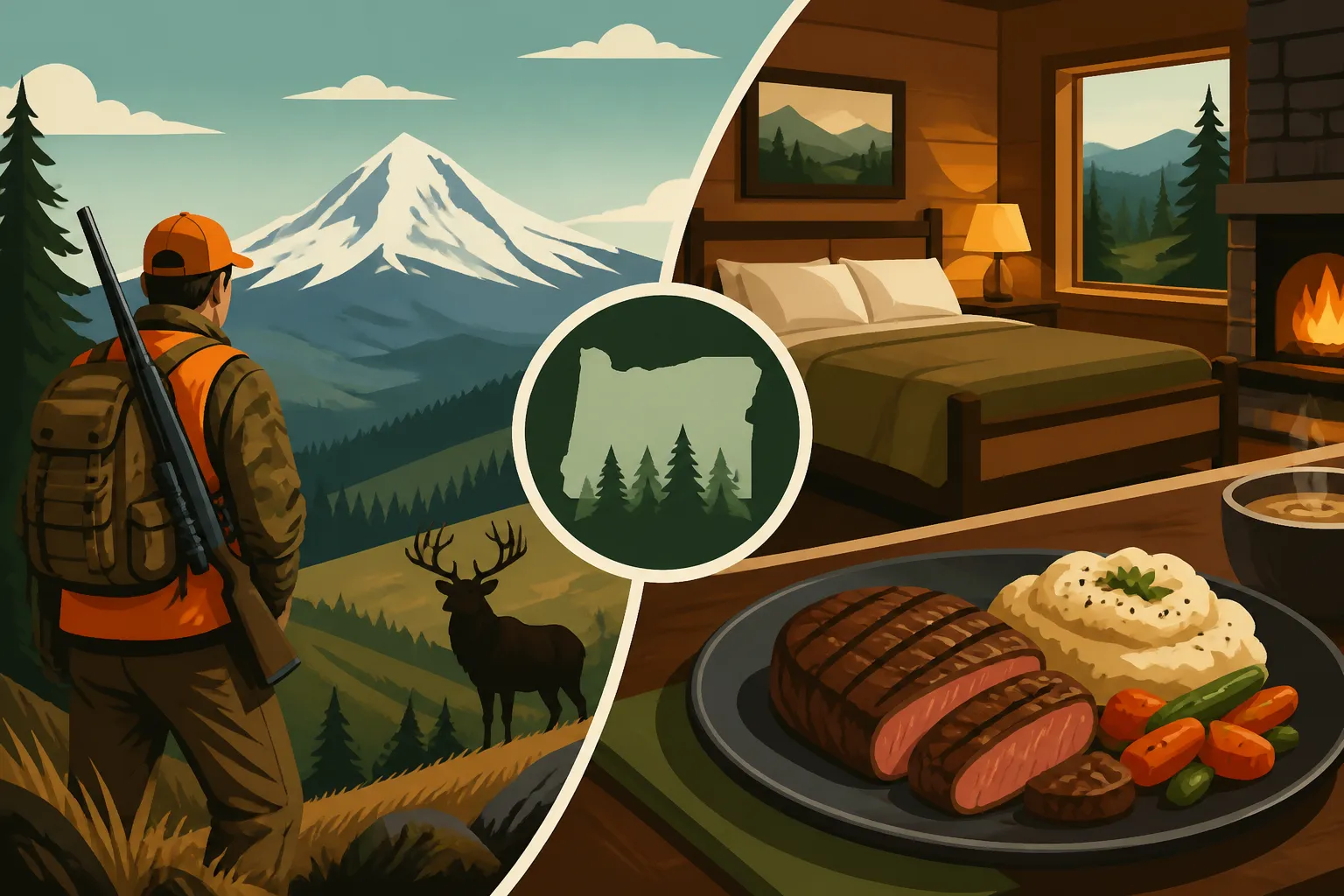
Trying to figure out where you'll lay your head and what you'll eat on an Oregon hunting trip can feel like a hunt in itself, especially when you're already juggling tags, seasons, and unit boundaries. It's a common struggle – balancing the desire for rugged adventure with the need for comfort and practicality. This guide aims to break down the lodging and meal considerations for your Oregon hunt, helping you make informed decisions that enhance your experience in the field.
Choosing Your Base Camp: Lodging Options for Oregon Hunters
Deciding where you'll stay is more than just picking a spot; it sets the tone for your entire hunt. Oregon offers a diverse landscape, and with it, a diverse range of lodging options, each with its own benefits and drawbacks depending on your hunting style and the area you're targeting. From deep wilderness spike camps to cozy motel rooms, understanding your choices is the first step to a comfortable and effective hunt.
Backcountry Bivouacs and Spike Camps
For the truly immersive Oregon hunting experience, especially if you're chasing elk or deep-country mule deer, nothing beats a backcountry bivouac or a spike camp. This involves carrying all your gear on your back, hiking miles from the nearest road, and setting up a minimalist camp. Think small tents, lightweight sleeping bags, and freeze-dried meals. The biggest advantage here is unparalleled access to remote areas, allowing you to be right where the game lives, often before other hunters even start their daily hike in. Imagine waking up to a bull bugling just over the ridge, or glassing a basin from your tent flap as the sun rises. This style demands physical fitness and a solid understanding of wilderness survival, but the rewards are often worth the effort. Consider reading up on Multi-Day Camps in Oregon's Roadless Country to get a better idea of what this entails.
While incredibly rewarding, these camps come with challenges. You're completely self-reliant, meaning every piece of gear, every drop of water, and every calorie of food must be carefully planned and carried. Weather can turn on a dime in Oregon's mountains, making robust, lightweight shelter paramount. Furthermore, packing out an animal from miles deep in the backcountry requires significant effort, often necessitating multiple trips with heavy loads. It's an experience that tests your limits but often defines the most memorable hunts.
Front-Country Campgrounds and RV Living
For many hunters, a more accessible yet still authentic experience comes from utilizing front-country campgrounds or living out of an RV or truck camper. Oregon's National Forests and BLM lands offer countless designated campgrounds, many with basic amenities like picnic tables, fire rings, and vault toilets. Some even have potable water, though checking current availability is always wise. The convenience of driving right to your camp, having a larger living space, and storing more gear makes this a popular option, especially for deer hunters in Eastern Oregon or those chasing elk in more roaded areas. You can pull in your RV, set up a comfortable camp, and still be just a short walk or drive from prime hunting areas. This option also provides a more robust base if the weather takes a turn for the worse, offering more shelter than a lightweight tent.
However, these areas can see more hunting pressure, especially on opening weekend. Noise from neighboring camps can be an issue, and you're often limited by road access to get deeper into the unit. Booking ahead is often necessary for popular campgrounds, particularly during peak hunting seasons. If you're looking for tips on setting up a substantial base, Wall Tent and Stove Camp Setup might give you some ideas for a more elaborate front-country setup. It's a balance between comfort and solitude, and choosing the right campground can make all the difference. Many hunters use mapping tools like those found on GoHunt to scout for suitable public land camping spots near their target areas, identifying potential pull-offs or established sites.
Motel Stays and Town Amenities
Sometimes, after a long day of hiking through dense timber or glassing vast expanses, a hot shower and a real bed are non-negotiable. Staying in a motel or hotel in a nearby town offers a level of comfort and convenience that other options simply can't match. This is particularly appealing for hunters who prioritize rest and recovery, or those targeting units close to small towns like Burns, Lakeview, or Enterprise. You get access to restaurants, grocery stores, and often cell service, allowing you to recharge and resupply with ease. Plus, having a secure place to store your gear overnight without worrying about weather or critters adds peace of mind.
The downside, of course, is the cost, which can add up quickly over a multi-day hunt. You're also often driving more each day, commuting from town to your hunting grounds, which eats into valuable hunting time and gas money. While convenient for personal comfort, it doesn't always lend itself to early morning starts right in the heart of the action. However, for hunters who value the ability to dry out gear, take a hot shower, and enjoy a sit-down meal, motels can be an excellent choice. This strategy is often employed when hunting areas where game may be more accessible from maintained roads or when hunters are not planning extensive backcountry excursions.
Private Rentals and Home-Away-From-Home Comforts
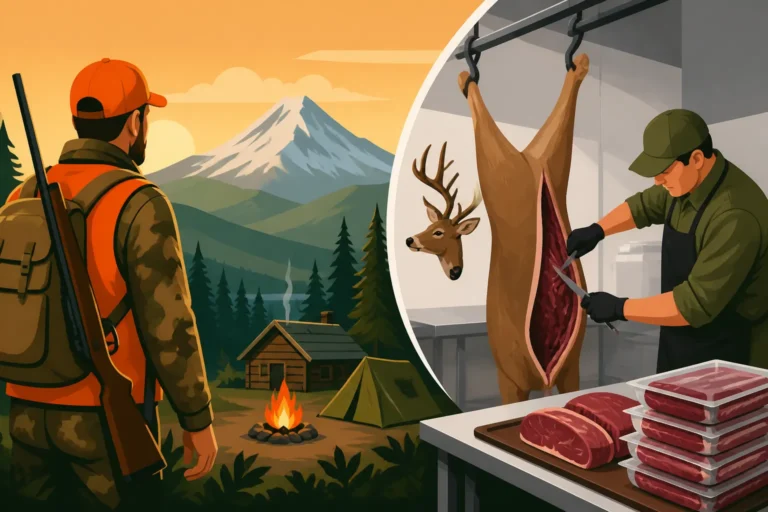
For groups or families, or those looking for an extended stay with more amenities than a motel, private rentals (like cabins or vacation homes) can be a fantastic option. These often come with kitchens, multiple bedrooms, and living areas, offering a true home-away-from-home feel. You can cook your own meals, spread out your gear, and enjoy a communal space after a day in the field. They provide a comfortable base, especially if you're hunting a less remote unit or bringing non-hunting companions. The ability to process some of your own game right there, with access to a fridge and running water, is also a huge plus. This can be especially helpful when considering Butchering Your Own Deer at Home.
The main challenges are availability and cost. Private rentals need to be booked well in advance, especially for popular hunting seasons, and they can be quite expensive. Location can also be a factor; while some might be close to public land access, others might require a longer drive to get to your hunting area. However, the added space, privacy, and amenities often make it a worthwhile investment for a comfortable and enjoyable hunt, especially when shared among a group. If you're considering a guided hunt, many outfitters, found on platforms like BookYourHunt, offer lodges or cabins as part of their package, blending this comfort with expert guidance.
Fueling the Adventure: Meal Planning for Success
What you eat on your hunt can drastically impact your energy levels, focus, and overall enjoyment. Meal planning needs to align with your lodging choice and the physical demands of your hunt. A carefully considered food strategy ensures you have the sustained energy to tackle whatever Oregon's wild country throws your way.
Backcountry Rations: Lightweight and High-Energy
When every ounce counts, backcountry meals are all about maximizing calories and nutrition while minimizing weight. Freeze-dried and dehydrated meals are king here, offering convenience and a quick preparation time with just hot water. Think oatmeal packets, instant coffee, jerky, nuts, dried fruit, and high-calorie bars for snacks throughout the day. These foods are designed to be easily digestible and provide sustained energy for long hikes and strenuous activity. The goal isn't gourmet dining, but efficient fuel. Learning to pack smart is vital, as discussed in Backpack Camps in Oregon Wilderness.
Beyond the main meals, don't underestimate the power of dense, calorie-rich snacks. Chocolates, energy gels, and even small amounts of cured meats can provide crucial boosts. Water purification is also a critical component of backcountry meal planning; carrying a filter or purification tablets is essential, as reliable natural water sources might be scarce or contaminated, especially in Eastern Oregon's drier units. Always have a backup method for purifying water, and know the area you're hunting to identify potential water sources on your map.
Car Camp and Motel Meals: Freshness and Convenience
With a vehicle or a motel room as your base, your meal options expand considerably. This is where coolers become your best friend. You can bring fresh fruits, vegetables, sandwich meat, eggs, and even steaks or burgers for camp cookouts. Propane stoves, griddles, and cooking utensils allow for a much wider range of hot meals. Imagine grilling a hearty breakfast before heading out, or simmering a warm chili in the evening. This style of meal planning significantly enhances comfort and morale, especially during longer hunts. This level of planning is also crucial for things like Getting Meat Out Before It Spoils, ensuring you have what you need to handle game.
If staying in a motel or private rental with a kitchen, your options are almost limitless. You can prepare full, balanced meals just like at home. This is great for hunters who have specific dietary needs or simply prefer home cooking over restaurant fare. Planning meals that are easy to prepare after a tiring day, such as one-pot wonders or pre-marinated meats, can save time and energy. Don't forget coffee – a good brewing setup can be a game-changer for early mornings.
Eating Out: A Taste of Local Oregon
For those staying in or near towns, embracing the local culinary scene can be a part of the hunting adventure. Oregon's small towns often boast charming diners, burger joints, and occasionally, surprisingly good local eateries. These can be a great way to refuel, relax, and hear local gossip or hunting tips from other patrons. Plus, it saves you the hassle of cooking and cleaning up after a long day in the woods. After all, sometimes you just need someone else to do the dishes.
However, eating out frequently can quickly become an expensive proposition, and choices might be limited in very small communities. It also means less control over portion sizes and nutritional content, which might be a consideration for maintaining peak performance during a demanding hunt. A smart strategy is to mix it up: cook most of your meals at camp or your rental, and treat yourself to a restaurant meal every few days. This balances cost, convenience, and the desire for a bit of local flavor.
Logistics and Comfort: Practical Considerations
Beyond just choosing a place to sleep and food to eat, there are several logistical considerations that can make or break the comfort and success of your Oregon hunt. Thinking through these details beforehand can save you headaches and ensure a smoother trip.
Budgeting for Lodging and Food
The cost of lodging and food can be a significant portion of your overall hunting budget. Backcountry camping is generally the most economical for lodging, often only requiring a basic tent and sleeping bag. Front-country campgrounds might have nominal fees, while motels and private rentals can range from moderate to quite expensive. For food, preparing your own meals is almost always cheaper than eating out, even with the upfront cost of groceries. Building a detailed budget that accounts for nightly rates, grocery runs, and any planned restaurant meals will help prevent surprises. Remember to factor in fuel costs for traveling to and from your chosen lodging, especially if you're commuting from a town to a more remote unit. Using tools like GoHunt for e-scouting can also help identify areas that might have more affordable camping options, or units that are less spread out, reducing fuel consumption.
Water Sources and Purification
Regardless of your lodging choice, access to clean drinking water is paramount. In the backcountry, this means carrying a reliable water filter, purification tablets, or a portable UV sterilizer. Always have a backup method. In front-country campgrounds, check if potable water is available and plan to bring extra if it's not. For motel or rental stays, tap water is usually safe, but having a refillable water bottle is still a good idea for carrying into the field. Never assume a natural water source is safe without purification; giardia and other pathogens are common. Familiarize yourself with the water sources available in your hunting unit by studying maps before you go.
Keeping Food Fresh in the Field
Cooler management is an art form for car campers and those staying in motels. Good quality coolers, like those from popular outdoor brands, are essential for keeping food and drinks cold for extended periods. Layering ice, frozen water bottles, and even dry ice strategically can prolong freshness. Drain melted water regularly and keep coolers out of direct sunlight. For fresh meat that you harvest, quick cooling and proper storage are critical. Refer to resources like Cooling Meat in a Truck Bed and Ice Chest Size for an Elk for specific advice on handling game meat in the field, ensuring it's kept at safe temperatures until you can get it to a processor or your home freezer.
| Lodging Type | Key Advantages | Key Disadvantages | Meal Style Typically Supported |
|---|---|---|---|
| Backcountry Camp | Deep access to remote areas, solitude, low cost | High physical demand, minimal comfort, limited gear | Lightweight, dehydrated/freeze-dried, high-calorie snacks |
| Front-Country Camp | Drive-up access, more gear capacity, moderate comfort | Can be crowded, amenities vary, still exposed to elements | Cooler-based, propane stove cooking, fresh ingredients possible |
| Motel/Hotel | Maximum comfort, hot showers, town amenities | Costly, commuting time, less "hunting vibe" | Restaurants, grocery store prepared, microwave meals |
| Private Rental | Home-like amenities, privacy, group friendly | High cost, need to book ahead, potentially remote | Full kitchen cooking, fresh ingredients, meal prep for the week |
Staying Connected and Prepared
While the goal of hunting is often to disconnect, having a way to communicate in an emergency is always wise. Cell service is spotty to non-existent in much of Oregon's hunting country, especially in the national forests and wilderness areas. Consider bringing a satellite messenger or a two-way radio (and understanding Two-Way Radios and Legal Use While Hunting) for emergencies. Also, pack a comprehensive first-aid kit, and let someone know your trip plan, including your hunting unit and expected return time. This is part of being a responsible hunter and ensuring your safety, no matter where you're lodging or what you're eating. The remote nature of many Oregon hunts means self-reliance and preparedness are key.
Disclaimer
This article is for general informational purposes only and does not constitute professional advice. Laws, prices and regulations vary by location and change over time. Consult a qualified professional for guidance on your specific situation.