What to Budget for Tips in Oregon
One of the most common unspoken anxieties for anyone planning a guided hunt in Oregon, or anywhere for that matter, is figuring out how much to tip. It feels like this secret handshake, doesn't it? You want to show appreciation for hard work and good service, but you also don't want to overpay or, worse, stiff someone who earned it. This guide aims to pull back the curtain on tipping etiquette in the Oregon hunting world, helping you understand the factors involved and how to budget for this important part of your trip.
Why Tipping Guides is Standard Practice in Oregon Hunting
Let's be honest, the hunting industry, especially guided hunts, operates on a service model where tips are a significant part of a guide's income. It's not just a bonus; it's often factored into their overall compensation. Guides, outfitters, and camp staff pour their heart and soul into making your hunt successful and comfortable, and a tip acknowledges that dedication.
The Guide's Investment and Hard Work
Think about everything your guide does, often long before you even arrive. They've scouted the unit for months, perhaps years, learning game patterns, travel corridors, and bedding areas. They've checked trail cameras, glassed endless hillsides, and navigated logging road closures. When you're in camp, they're often up before you and going to bed long after, making sure everything is ready for the next day. They're tracking game, packing out heavy loads in tough country, cooking, cleaning, and sometimes even being a therapist when you miss that shot of a lifetime. This isn't just a job for many; it's a passion, and that level of commitment deserves recognition.
A good guide is also often a master of many trades. They are skilled hunters, certainly, but they're also often expert trackers, proficient with first aid, knowledgeable about local flora and fauna, and exceptional hosts. When you're out in the vastness of Oregon's public lands, or even on private ranches, their expertise is invaluable. They ensure your safety, maximize your opportunities, and handle all the logistical headaches so you can focus on the hunt. For those considering a Guided Versus DIY Hunting in Oregon adventure, understanding this dedication is key.
The Role of Tips in the Hunting Industry Economy
The economics of a guided hunt often involve a lot of moving parts. The fees you pay to the outfitter cover permits, insurance, equipment, food, fuel, and a portion of the guide's wage. However, tips often form a substantial part of a guide's personal income, much like in the restaurant or hospitality industry. It's an incentive system that rewards excellent service and hard work directly from the client.
This system encourages guides to go above and beyond, knowing that their extra effort will be directly compensated. It creates a direct link between the quality of your experience and their earnings. From the outfitter's perspective, it helps manage costs by allowing a variable compensation structure that flexes with client satisfaction. Without tips, many dedicated guides simply wouldn't be able to make a living doing what they love, especially in regions like Oregon where hunting seasons can be intense but relatively short.
Factors Influencing Your Tip Amount
Deciding on the right tip isn't always a straightforward calculation. Several factors can and should influence how much you ultimately decide to give. It’s a personal decision, but understanding these elements can help you arrive at a fair amount.
Guide Performance and Effort
This is, arguably, the biggest factor. Did your guide put in maximum effort every day? Were they knowledgeable, patient, and good company? Did they go the extra mile, even if the hunting was tough or the weather turned nasty? A guide who works tirelessly to put you on game, who remains positive and encouraging despite challenges, and who genuinely enhances your experience, warrants a more generous tip. Conversely, if you felt they were disengaged, lazy, or ill-prepared, it's reasonable to adjust your tip down.
Consider a tough Oregon Elk Hunting Tactics for the November Rifle Seasons hunt where the weather is miserable, but your guide still wakes up early, builds a fire, has hot coffee ready, and keeps you motivated. Or perhaps they spent extra time helping you blood trail a deer in difficult terrain, even staying out past dark. These are the efforts that really make a difference and should be reflected in your tip.
Success Versus Effort
It's crucial to separate success from effort. While everyone wants to harvest an animal, a guide cannot control the animals themselves, nor the weather, nor sometimes even your shooting. A great guide can do everything right – put you in prime habitat, read the sign perfectly, call in an animal – and still, you might not seal the deal. This is hunting, after all.
Your tip should primarily reflect their effort and service, not necessarily whether you filled your tag. Did they give you opportunities? Did they provide a safe, enjoyable, and well-organized hunt? If the answer is yes, then a generous tip is still warranted, even if you came home empty-handed. However, if they consistently put you in poor spots, made obvious errors, or simply didn't try, then a smaller tip is appropriate. It's a subtle but important distinction that experienced hunters understand.
Camp Staff and Support Crew
Often overlooked, but equally vital to your experience, are the camp staff, wranglers, and cooks. These individuals ensure you have a comfortable bed, hot meals, and a clean camp. If you're on a backcountry hunt that involves Horse and Llama Packing Into Oregon Backcountry, the wranglers are the backbone, ensuring your gear and meat are moved safely. Their hard work allows your guide to focus solely on hunting.
When budgeting for tips, remember to include these unsung heroes. A common practice is to tip the lead guide, who then often distributes a portion to the staff, or you can give separate tips directly to individuals who made a significant impact on your comfort and overall experience. It's always a good idea to clarify the outfitter's policy on this when you book, or simply ask your head guide on arrival how tipping for the entire crew usually works.
Common Tipping Percentages and Structures
While there are no hard and fast rules, general guidelines exist within the Oregon hunting community regarding tipping. These often revolve around a percentage of your hunt cost, though the exact figure can vary based on the type of hunt and the level of service.
Percentage of Hunt Cost
Many hunters use a percentage of the total hunt cost as a baseline for their tip. This range can typically run from about 10% to 20% of your total package price. For a standard guided hunt in Oregon, a tip in the 15% range is often considered a good showing for solid service. If your guide went above and beyond, if the hunting was exceptionally difficult but productive due to their skill, or if they just made the entire experience unforgettable, moving towards the higher end of that scale or even slightly beyond is well-deserved.
For example, if you booked an Oregon Guided Elk Hunt Price Ranges hunt for a specific species, take that initial cost and calculate your tip from there. This approach ensures fairness across different price points for hunts. However, this is just a starting point; remember to consider all the other factors mentioned above. A simple way to mentally track this is to earmark a certain amount for tips when you are doing your initial financial planning for the trip.
Tipping for Specific Roles and Services
Sometimes, you might be on a hunt where multiple people contribute directly to your experience, or you're utilizing services like Oregon Drop Camps and Pack-In Services that involve distinct roles. In these cases, it can be helpful to think about tipping for specific roles.
| Role | Service Provided | Tipping Consideration (Example) |
|---|---|---|
| Head Guide | Primary hunting expertise, decision-making, direct client interaction | Largest portion of tip, reflects overall hunt experience |
| Assistant Guide/Spotter | Secondary hunting support, glassing, packing | Smaller portion than head guide, still significant for effort |
| Cook | All meals, camp comfort | Often a separate, smaller cash tip directly for their service |
| Wrangler/Packer | Care for stock, packing gear/meat, camp logistics | Separate cash tip, especially if they handle your animal |
| Other Camp Staff | General camp chores, cleaning, fire tending | A smaller, general tip, or included in head guide's distribution |
It's common to give the majority of your tip to your primary guide, who may then share it with other camp staff. However, many hunters prefer to give separate cash tips to the cook, wrangler, or assistant guides if they felt those individuals significantly enhanced their experience. If you’re ever unsure, a discreet question to your outfitter or head guide at the beginning of the trip about their preferred tipping method can save you any awkwardness later.
When to Adjust Your Tip
While the percentage guidelines offer a good starting point, there are definitely times when you should adjust your tip, either up or down, to reflect the reality of your experience.
Exceptional Service or Extraordinary Circumstances
There are times when a guide truly goes above and beyond, turning a challenging situation into a success, or making an unforgettable memory even without a kill. Perhaps your guide managed to Blood Trailing in Oregon Rainforest Understory a difficult animal for hours, or they showed incredible patience with a new hunter. Maybe they brought specialized equipment, like a top-tier spotting scope or went out of their way to make sure a youth hunter had an amazing time. These are the moments that warrant an increased tip.
Consider a scenario where unexpected severe weather hits, and your guide not only keeps you safe but manages to adapt the hunt plan, find new spots, and still provides an incredible experience despite Mother Nature's best efforts. Or maybe you had a minor medical emergency, and your guide handled it with professionalism and calm. These extraordinary efforts are worth recognizing with a more generous gratuity. They’re not just guiding; they’re problem-solving, risk-managing, and often, truly caring for your well-being.
Subpar Performance or Safety Concerns
On the flip side, sometimes the service simply isn't what you expected or paid for. If your guide was consistently late, unprepared, seemed disengaged, or made unsafe decisions, it's appropriate to reduce your tip. A tip is a reward for service, and if the service was poor, the reward should reflect that. This is never an easy conversation, but your feedback, through a reduced tip, can sometimes be a powerful message.
For instance, if your guide repeatedly put you in situations that felt unsafe, neglected basic camp duties, or showed a lack of knowledge for the Oregon's Wildlife Management Units and New Hunt Areas you were hunting, these are serious concerns. Another example would be a guide who spent more time on their phone than focused on the hunt, or who was constantly complaining. While you might still provide a base tip (after all, they are still doing a job), a significant reduction sends a clear signal about your dissatisfaction. When booking, checking an Oregon Guide's Registration Through the Marine Board and asking Questions to Ask an Oregon Outfitter can help avoid these situations.
Group Hunts and Shared Tips
When hunting with a group, tipping can sometimes get a little murky. Typically, each hunter contributes to the tip, often based on a percentage of their individual cost. However, if you are all hunting with the same guide or team, you might decide to pool your tips and present them as a lump sum. This can feel more cohesive and ensure everyone contributes fairly.
Always discuss tipping with your fellow hunters before the end of the trip. Agree on a percentage or a total amount that everyone feels comfortable with, and decide how it will be presented. This prevents any awkwardness or misunderstandings at the last minute. If you booked through a platform like BookYourHunt, you might find guidance on group tipping practices in the outfitter's reviews or terms. Just ensure transparency within your group to make it a smooth process.
Alternatives to Cash Tips and Thoughtful Gestures
While cash is king for tips, and generally preferred by guides, sometimes there are other ways to show appreciation or supplement a cash tip. These thoughtful gestures can go a long way, especially for guides who truly love their profession.
Gift Certificates or Gear
A gift certificate to a reputable outdoor store can be a thoughtful gesture, especially if you know your guide has been eyeing a particular piece of gear. Perhaps they mentioned needing a new pair of waterproof boots or a specific piece of camp equipment. While not a replacement for a cash tip, it can be a nice bonus. Just make sure it's something they genuinely want or can use, not just something you happen to have lying around.
Another option is bringing a quality piece of gear that you know will be useful in the field. Maybe a high-end headlamp, a durable knife, or even some good quality insulated gloves for those cold Oregon mornings. The key here is specificity and utility. A generic gift can feel less personal than a well-chosen item that shows you listened and appreciated their craft.
Writing a Positive Review or Reference
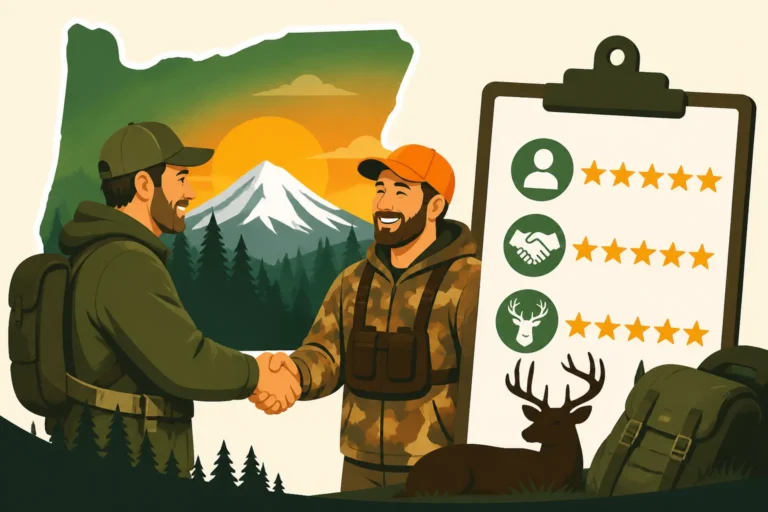
In today's interconnected world, a glowing online review can be incredibly valuable for a guide or outfitter. Platforms where hunters research and book trips, like GoHunt or BookYourHunt, thrive on client feedback. A detailed, positive review that highlights your guide's strengths and the exceptional aspects of your trip can directly lead to more business for them. This costs you nothing but a few minutes of your time and can have a significant impact on their future bookings.
Beyond online reviews, offering to be a direct reference for future clients is another powerful gesture. Many outfitters provide potential clients with a list of past hunters to call for honest feedback. Being a positive reference, especially if you had a great experience, helps build their reputation and secure new bookings. This isn't just about praising them; it's about helping them grow their business, which is a substantial form of appreciation.
Photos and Shared Memories
Hunters love memories, and guides are no different. Sharing high-quality photos of your successful hunt, especially those that feature your guide, can be a cherished gift. Often, guides are so busy helping clients they don't get many great shots themselves. Offering to send them a selection of your best photos (especially if you have a good camera or editing skills) allows them to capture and share those moments.
Beyond photos, a simple thank-you card or a handwritten note expressing your gratitude can mean a lot. In an age of digital communication, a personal, tangible note stands out. It shows genuine thought and appreciation, making the guide feel truly valued for their hard work and dedication. It's a small gesture that can have a lasting impact.
Budgeting for Your Oregon Guided Hunt, Including Tips
When you're planning an Oregon guided hunt, it's easy to focus solely on the outfitter's advertised price. However, savvy hunters know that the true cost involves several other components, and budgeting for tips is a critical one. Ignoring this can lead to an awkward financial squeeze at the end of a fantastic trip.
Breaking Down the Full Cost
Your guided hunt budget should include more than just the outfitter's fee. Here's a quick rundown of typical expenses:
- Outfitter Fee: The core cost of your guided trip.
- Licenses and Tags: Oregon Big Game Tag Costs for Residents and Nonresidents and hunting licenses. These can add up, especially for non-residents.
- Travel Expenses: Fuel, flights, accommodation before/after the hunt, and any shuttle services.
- Gear and Supplies: Any new hunting gear, clothing, ammunition, and personal items.
- Meat Processing & Shipping: The cost to process your game and get it home. Getting Meat Home From Oregon can involve significant expense.
- Taxidermy: If you plan to mount your trophy.
- Tips: The focus of this article!
When you're comparing What an Oregon Guided Elk Hunt Costs from different outfitters, always remember to factor in these additional expenses. A cheaper base price might not be cheaper once you add everything else in.
Setting Aside Funds for Gratuities
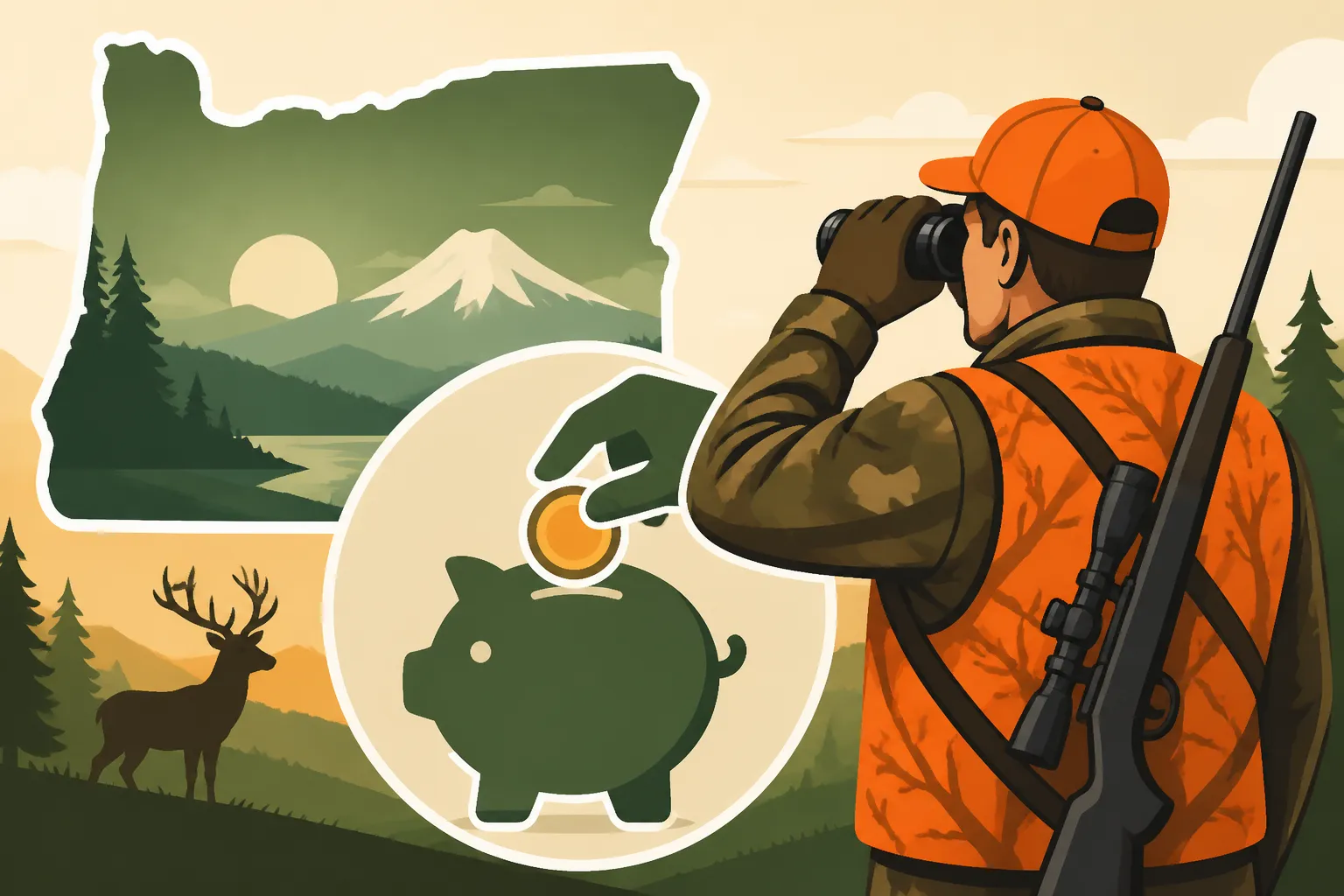
It’s always best to budget for your tip in advance. When you're saving for your hunt, set aside an additional 15-20% of the outfitter's fee specifically for gratuities. This way, the money is there, and you don't have to scramble or shortchange your guide at the end of your trip. Many hunters prefer to bring cash for tips, as it's often easiest for guides to distribute and use immediately. Make sure to get smaller denominations too, if you plan on tipping various staff members individually.
Imagine you've just had an amazing week chasing elk in the Wallowas, and your guide worked tirelessly. You don't want the last memory of your trip to be you desperately trying to find an ATM or worrying about how to pay your appreciation. Having the cash ready and discreetly set aside ensures a smooth, respectful, and appreciative departure from camp. It's a small detail that speaks volumes about your preparation and respect for the guide's profession.
Asking About Tipping Policies Upfront
Don't be shy about asking your outfitter about their tipping policies when you book your trip. A professional outfitter will be transparent and can provide guidance on what is customary for their operation and whether tips are shared among the staff. This can help you budget more accurately and avoid any surprises.
Some outfitters might even include a recommended tipping guideline in their pre-hunt information packets or contracts. If they don't, a simple email or phone call to clarify is perfectly acceptable. It shows you're a prepared and considerate client, which is always a good impression to make. Understanding the full financial picture, including tips, is an important part of planning a successful and enjoyable Oregon Archery Elk Hunting Oregon's August and September Seasons or any other guided adventure.
Disclaimer
This article is for general informational purposes only and does not constitute professional advice. Laws, prices and regulations vary by location and change over time. Consult a qualified professional for guidance on your specific situation.