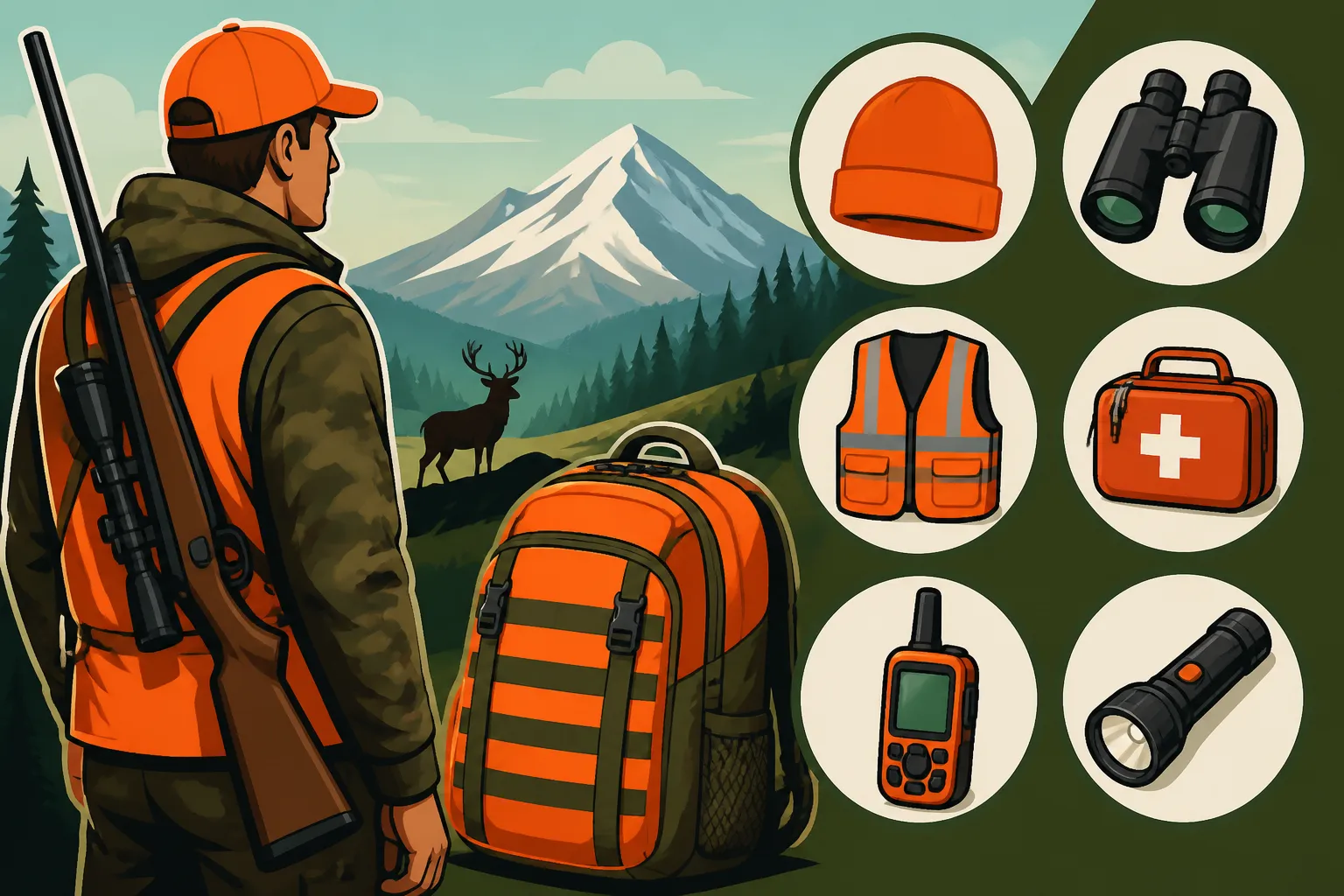
Safety Equipment an Oregon Guide Must Carry
Heading out into Oregon's vast and often rugged wilderness for a hunt is an incredible adventure, but it's one that comes with inherent risks. Remote terrain, unpredictable weather, and the sheer challenge of big game hunting mean that safety should always be top of mind, not just for you but for any guide you might hire. It's completely understandable to wonder what safeguards are in place, especially when you're trusting someone else with your well-being in the backcountry. This guide will walk you through the essential safety equipment an Oregon hunting guide is expected to carry, and why these measures are so crucial for a successful and secure hunt.
The Core Purpose of Guide Safety Regulations
When you hire an Oregon hunting guide, you're not just paying for their expertise in tracking animals or navigating the landscape. You're also investing in their ability to keep you safe, come what may. Oregon, like many states, understands the unique challenges of guided hunts in remote areas, and as such, has put regulations in place to ensure a minimum standard of safety. These aren't just bureaucratic hurdles; they are foundational requirements designed to protect everyone involved, transforming a potentially dangerous situation into a manageable one.
Protecting Clients in Remote Environments
Imagine being miles deep in the Elkhorn Wildlife Area, far from any road, and suddenly a client slips on wet rocks, sustaining a serious injury. Without proper safety gear and training, that scenario could quickly turn critical. Guides operate in places where cell service is non-existent, and help can be hours or even a full day away. Their responsibility extends far beyond merely putting you on game; it encompasses every aspect of your well-being, from preventing accidents to managing emergencies. Having the right equipment on hand means they can address medical issues, communicate for help, navigate back to safety, or even construct emergency shelter if conditions demand it. It's about mitigating the unknown in an environment that often feels entirely untamed. This proactive approach allows hunters to focus on the hunt, knowing their guide is prepared for adversities.
Ensuring Guide Preparedness and Accountability
These regulations also place a significant emphasis on the guide's own preparedness and accountability. It's not enough for a guide to say they're experienced; they must demonstrate a commitment to safety through tangible means. This often includes maintaining specific certifications, having certain types of insurance, and, of course, carrying a defined list of safety equipment. For instance, the Oregon Marine Board, which registers and oversees guide operations, sets forth requirements that ensure guides are not only knowledgeable about the outdoors but also proficient in emergency response. This framework holds guides to a professional standard, reassuring clients that their chosen outfitter has invested in the necessary tools and training to lead safe excursions. It also provides a clear benchmark, so when you're researching potential outfits, perhaps on platforms like BookYourHunt, you can confirm their adherence to these fundamental expectations.
Essential Safety Equipment Mandated by Oregon
Oregon's guide regulations, particularly those enforced by the Oregon State Marine Board, outline specific types of safety equipment that must be carried. These requirements are largely focused on ensuring communication, medical readiness, and navigational capability, which are the cornerstones of safe backcountry operations.
Communication Devices for Emergency Situations
In Oregon's vast hunting units, particularly those in the Coast Range or the expansive Wallowas, cell service is often a distant dream. This makes reliable emergency communication paramount. Guides are typically required to carry communication devices that function where traditional cell phones won't. This can include satellite phones, which allow for direct calls or text messages even from the most remote locations, or two-way radios that can communicate with base camps or other hunting parties within a certain range. The ability to call for help, update loved ones, or coordinate an extraction in an emergency is literally life-saving. Imagine a situation where you're deep in the Eagle Cap Wilderness Hunting Access and a severe weather system rolls in unexpectedly; a guide with a satellite phone can quickly get vital information or request assistance before conditions worsen. Understanding Two-Way Radios and Legal Use While Hunting is also crucial for coordinating within a hunting party, ensuring everyone stays connected.
First Aid and Medical Preparedness
Accidents happen, even to the most careful hunters and guides. A slipped knife, a twisted ankle on uneven terrain, or a sudden allergic reaction are all possibilities in the field. This is why a well-stocked and comprehensive first aid kit is not just recommended, but typically a mandatory item for Oregon guides. Beyond just band-aids and antiseptic wipes, these kits often contain trauma dressings, splinting materials, pain relievers, and sometimes even prescription medications for emergencies. Crucially, the guide themselves must often hold current certifications in first aid and CPR, or even wilderness first responder training. This ensures they don't just have the kit, but possess the knowledge and skills to effectively use its contents until professional medical help can be reached. For more detailed insights into what might be in such a kit, consider reading First Aid Kit Items for a Remote Hunt. The combination of a robust kit and competent medical training is truly invaluable.
Navigation Tools for Backcountry Travel
Getting lost in Oregon's dense forests or sprawling high desert can quickly become dangerous, especially with changing weather or dwindling daylight. Guides are expected to be expert navigators, and their toolkit reflects this. Mandatory navigation equipment usually includes traditional paper maps of the specific hunting area, a compass, and often a reliable GPS unit. While GPS units are incredibly helpful, guides are trained to not solely rely on electronics, as batteries can die and signals can be lost. Therefore, proficiency with map and compass remains a critical skill. This ensures that even if all technology fails, the guide can still confidently lead their party out of the wilderness. This is especially important in areas with complex topography or limited landmarks, like some of the units accessible from Hells Canyon Access for Oregon Hunters. A guide who can accurately pinpoint your location, plot a course, and identify key features on a map provides immense peace of mind.
Beyond the Basics: Recommended Additional Safety Gear
While Oregon's regulations establish a solid baseline for guide safety equipment, many experienced guides go above and beyond these minimums. They understand that every bit of preparedness can make a difference in a critical situation. These additional items often address a wider range of potential emergencies or enhance comfort and survivability during an unexpected overnight stay.
Shelter and Survival Essentials
An unexpected turn of events – a sudden blizzard, a lost trail, or an injured party member unable to move – can force an unplanned overnight stay in the backcountry. In such scenarios, basic shelter and survival essentials become critical. Many guides carry lightweight emergency tarps or bivy sacks, fire starters (such as waterproof matches, lighters, or ferro rods), and extra cordage. These items allow them to quickly construct a rudimentary shelter, build a warming fire, and signal for help if necessary. It’s about being prepared for a night that was never supposed to happen. Think about a late fall hunt in the Cascades; an unexpected cold front combined with deep snow can rapidly turn dangerous, making emergency shelter a high priority. When planning Backpack Camps in Oregon Wilderness, considering these items is key for independent hunters and guides alike.
Water Purification and Food Supply
Dehydration and lack of sustenance can quickly sap energy and impair judgment, compounding any emergency situation. While a typical day hunt might only require personal water bottles, a responsible guide will often carry additional water purification methods, such as a water filter or purification tablets, to ensure access to safe drinking water for an extended period. They might also pack extra high-energy food bars or freeze-dried meals that can provide critical calories if a hunt extends unexpectedly or an emergency requires an overnight stay. This forethought means that even if a rescue takes longer than anticipated, the party can remain hydrated and nourished, maintaining their strength and morale. Services like GoHunt, which offer detailed unit breakdowns, often highlight water sources (or lack thereof), providing a subtle hint at the importance of this gear.
Personal Protective Equipment
Beyond the gear for the group, a guide also often carries personal protective equipment tailored to the specific hunt and environment. This can include extra layers of high-quality rain gear that actually stays dry in persistent coastal downpours, durable boots suited for steep, rocky terrain, and even specialized eye protection. For guides operating in areas with dense brush, a sturdy pair of work gloves might be invaluable. These items protect the guide from the elements and potential hazards, ensuring they remain capable and effective throughout the hunt and any emergency that might arise. A guide cannot care for their clients if they themselves are incapacitated by exposure or injury.
Maintaining and Preparing Your Safety Equipment
Simply owning safety equipment isn't enough; it must be meticulously maintained and readily accessible when needed. Professional guides understand that their gear is only as good as its condition and their familiarity with it. This dedication to readiness is a hallmark of a truly reliable guide service.
Pre-Trip Checks and Inventory
Before every single guided trip, a diligent Oregon guide will conduct a thorough inventory and check of all their safety equipment. This isn't a quick glance; it's a systematic process. Batteries in GPS units and satellite phones are checked and often replaced, first aid kits are restocked with any used or expired items, and communication devices are tested for functionality. Maps are updated, and compasses are verified. This ritual ensures that when they head out, there are no surprises regarding the readiness of their critical gear. It's a non-negotiable step, reflecting the high stakes involved in leading clients into the wilderness. Imagine being on an elk hunt in the Blue Mountains, and realizing your guide's satellite phone battery is dead just as you need to coordinate for Packing Out an Elk in Oregon's Wilderness Units—that's a nightmare scenario that proper pre-trip checks prevent.
Training and Skill Refreshers
Having the right gear is only half the battle; knowing how to use it under pressure is the other. Professional guides don't just carry a first aid kit; they regularly refresh their CPR and first aid certifications. They practice their navigation skills with map and compass, even when GPS is available, to keep those fundamental abilities sharp. They might participate in wilderness survival courses or advanced medical training specific to remote environments. This ongoing commitment to training ensures that if an emergency arises, they can respond calmly, competently, and effectively, maximizing the chances of a positive outcome. It’s an investment in their own skills, and ultimately, an investment in their clients' safety.
The Role of the Client in Safety
While your guide bears the primary responsibility for safety, a successful and secure hunt is truly a partnership. As a client, you also have a vital role to play in contributing to the overall safety of the expedition. Being informed and prepared yourself can make a significant difference.
Discussing Expectations and Concerns
Before your hunt even begins, engage in open and honest communication with your guide. Ask about their safety protocols, what equipment they carry, and their emergency plan. Discuss any personal medical conditions or allergies you have. Clarify the physical demands of the hunt and whether you feel adequately prepared. A reputable guide will welcome these questions and be transparent about their preparations. This dialogue isn't just about satisfying your curiosity; it's about building trust and ensuring that both you and your guide are on the same page regarding expectations and potential challenges. If you're using a platform like BookYourHunt to find a guide, this conversation often happens as part of the booking process.
Personal Responsibility and Gear
Even with a highly prepared guide, you still have personal responsibility for your own well-being. This includes bringing appropriate personal gear, such as proper footwear, layers of clothing suitable for Oregon's varied weather, and any personal medications you require. Familiarize yourself with the area you'll be hunting, even if just by reviewing maps. Ensure you are in adequate physical condition for the demands of the hunt, especially for challenging terrain or multi-day expeditions. For instance, preparing for Physical Training for an Oregon Elk Hunt is crucial for both enjoyment and safety. A prepared client is not a burden in an emergency but an asset, capable of following instructions and contributing to a safer outcome for everyone. Always remember to inform someone at home of your trip plan, including your hunting area and expected return, which is also covered in Leaving a Trip Plan With Someone at Home.
| Equipment Type | Mandatory (Typically by ODFW/Marine Board) | Highly Recommended (Experienced Guides) | Purpose |
|---|---|---|---|
| Communication | Satellite phone or two-way radio | Emergency beacon (PLB/SPOT), backup cell (if any service) | Emergency contact, trip updates |
| Medical | Comprehensive First Aid Kit, Guide w/ current First Aid/CPR | Trauma kit, personal meds for client/guide | Immediate care for injuries/illnesses |
| Navigation | Topographical maps, compass, GPS unit | Backup GPS, altimeter, extra batteries | Staying found, plotting course |
| Survival | Emergency bivy/tarp, fire starter, cordage, headlamp | Unplanned overnight shelter, warmth, light | |
| Sustenance | Adequate daily water/food | Water filter/purifier, extra high-energy food | Hydration, nutrition for extended stays |
| Personal PPE | Proper clothing for conditions | Extra layers, gloves, sturdy boots, rain gear | Protection from elements, injury prevention |
Disclaimer
This article is for general informational purposes only and does not constitute professional advice. Laws, prices and regulations vary by location and change over time. Consult a qualified professional for guidance on your specific situation.