Hiring a Registered Oregon Hunting Guide
So, you've decided to tackle the incredible hunting opportunities Oregon offers, but you're feeling overwhelmed by the sheer scale of the landscape, the intricate regulations, or maybe you just want to maximize your chances of success and enjoyment. It's a completely understandable feeling; Oregon is a vast, wild place with some truly world-class big game, but navigating it alone can feel like a monumental task. This comprehensive guide will walk you through everything you need to know about hiring a registered Oregon hunting guide, ensuring you're well-prepared, informed, and ultimately, set up for a memorable and ethical hunting experience.
Why Consider a Registered Oregon Hunting Guide?
Let's be real, the idea of chasing elk through the dense Coast Range timber or glassing for mule deer across Eastern Oregon's vast sagebrush flats can be exhilarating, but it can also be incredibly daunting. Many seasoned hunters, myself included, have stood at a trailhead feeling a mix of excitement and apprehension, wondering if we've truly done enough homework. This is where a registered Oregon hunting guide often comes into their own. They're not just someone with a truck and a rifle; they're professionals who dedicate their lives to understanding these animals, their habitats, and the unique challenges Oregon presents.
Navigating Oregon's Complex Regulations and Terrain
Oregon's hunting regulations are, to put it mildly, a beast. From understanding unit boundaries and specific weapon restrictions to navigating the nuances of general season versus controlled hunts, it's a labyrinth. Throw in the complexities of private timberland access programs, varying fire restrictions, and constantly changing public land rules, and you've got a recipe for confusion. A good guide lives and breathes these regulations. They can tell you exactly what's legal, what's ethical, and how to stay on the right side of the law, saving you hours of pamphlet-reading and potential headaches. They know the difference between a yellow gate and a green one, and where you absolutely cannot drive your vehicle.
Beyond the paperwork, Oregon's terrain itself is a significant challenge. Whether you're climbing the steep, brushy hillsides of the Tillamook State Forest for blacktail or traversing the rocky rimrock country of the Ochoco National Forest for mule deer, it's physically demanding. Guides know the safe routes, the hidden canyons, and the most efficient ways to cover ground without wearing yourself out by noon on the first day. They understand the microclimates and how they affect animal movement, which can be a game-changer when you're facing unexpected weather. Trying to figure this out on your own often means wasted days, missed opportunities, and potentially getting yourself into a tough spot far from help.
Maximizing Success and Minimizing Guesswork
Let's face it, most of us only get a few days a year to hunt, and we want to make the most of them. When you're paying for a tag and investing your precious time and energy, the last thing you want is to spend half your hunt scouting areas that are devoid of animals or making rookie mistakes that cost you a shot. A registered guide significantly increases your odds of success because they've already done the legwork. They've scouted pre-season, they know migration patterns, feeding areas, and bedding sites. They track current animal behavior and adjust their strategy based on real-time conditions.
This isn't to say a guided hunt guarantees an animal, because nothing in hunting is ever guaranteed, and that's part of the wild appeal. However, it does mean you're entering the field with a solid plan, based on recent intel and years of accumulated wisdom. Instead of wondering "Am I in the right spot?" you can focus on the hunt itself – calling, still-hunting, glassing, and honing your own skills. It's about turning guesswork into informed decisions, allowing you to concentrate on execution rather than perpetually second-guessing your location or strategy.
The Value of Local Expertise and Experience
There's something irreplaceable about local knowledge. Guide services often operate in the same units year after year, sometimes for generations. This means they know the land like the back of their hand, often understanding nuances that no map or satellite image can convey. They know where the animals move when hunting pressure increases, what draws them in during a dry spell, or where they seek cover during a storm. This intimate understanding of the habitat, the game, and even the local weather patterns is a treasure trove of information.
Beyond just finding animals, a guide brings a wealth of experience to the entire hunting process. They can teach you Calling Bull Elk During Oregon's Archery Season techniques that actually work for that specific herd, show you how to read sign in challenging terrain, or help you execute a perfect stalk. When it comes to the moment of truth, they can assist with shot placement guidance, tracking, and the often-arduous task of field dressing and packing out an animal. They've navigated countless scenarios, from lost hunters to unexpected gear failures, and they have the wisdom to handle whatever the Oregon wilderness throws at you. Their presence can transform a potentially overwhelming challenge into a manageable and educational experience.
What Does "Registered" Mean in Oregon? Understanding the Requirements
The term "registered" isn't just a fancy add-on; it's a critical legal distinction in Oregon for anyone offering paid hunting guide services. Unlike some states with less oversight, Oregon takes its outfitter and guide regulations seriously to protect both the consumer and the state's natural resources. It's not enough for someone to simply claim they're a guide; they must meet specific state requirements.
The Role of the Oregon Marine Board
In Oregon, the agency responsible for regulating and registering guides and outfitters isn't what you might expect. It's actually the Oregon State Marine Board. While it might seem odd for a board typically associated with boats and waterways to oversee hunting guides, this agency is tasked with ensuring professional standards and consumer protection for all types of guided outdoor recreation, including hunting, fishing, and whitewater rafting. This centralized authority helps maintain consistency and accountability across various outdoor guiding industries.
The Marine Board's oversight means that any individual or business offering guiding services for compensation must jump through a series of hoops. This process is designed to vet their qualifications, ensure they have proper insurance, and hold them accountable to a code of conduct. This is why it's absolutely crucial to specifically ask if a guide is "registered with the Oregon Marine Board" and to verify that registration. A reputable guide will be transparent about this and eager to share their registration details. You can even check their status on the Marine Board's website.
Key Requirements for Guides and Outfitters
Becoming a registered guide in Oregon involves several significant requirements. It's not a simple process, which is exactly why you should value those who have gone through it. First and foremost, guides must carry appropriate liability insurance. This isn't just for their protection; it's for yours. Accidents can happen in the backcountry, and this insurance offers a layer of financial protection in unforeseen circumstances. Imagine being deep in the mountains and an unexpected injury occurs; you want to know your guide is properly covered.
Furthermore, guides are typically required to possess first aid and CPR certifications. This is a non-negotiable safety measure. When you're hours, or even days, from the nearest medical facility, having someone trained in emergency care can literally be a lifesaver. Beyond these tangible requirements, there are often ethical and professional standards that registered guides are expected to uphold, ensuring a higher level of conduct and integrity in their operations. These requirements extend to proper equipment, safe practices, and adherence to all wildlife regulations. The Oregon Marine Board actively outlines Oregon Marine Board Guide Registration Requirements, which are essential reading for anyone considering hiring a professional.
Why an Unregistered Guide is a Major Risk
Hiring an unregistered guide in Oregon is a gamble you absolutely do not want to take, even if they offer a cheaper rate. This isn't just about bending the rules; it can put you, your hunt, and your finances at serious risk. An unregistered guide is operating illegally. If they are caught, their operation will be shut down, potentially leaving you stranded, out of your money, and without the hunt you paid for. This could happen in the middle of your trip, ruining the experience entirely.
More critically, an unregistered guide likely lacks the mandatory liability insurance. If you or someone in your hunting party is injured, or if there's damage to property, you could be left footing enormous bills with no recourse. They also probably haven't met the first aid and safety training requirements, meaning they might not be equipped to handle an emergency in the remote wilderness. Beyond the legal and safety aspects, an unregistered guide often operates without proper permits for public lands, which means they could be trespassing or operating outside of permitted areas, jeopardizing your hunt and potentially leading to fines or legal issues for you as well. Always take the time to Checking an Oregon Guide's Registration before you commit.
Different Types of Guided Hunts Available in Oregon
Not all guided hunts are created equal, and understanding the different options can help you align your expectations and budget with the services offered. Oregon's varied terrain and species support a range of guiding styles, from luxurious full-service experiences to more DIY-focused support.
Fully Outfitted vs. Semi-Guided Hunts
A fully outfitted hunt is often what people imagine when they think of hiring a guide. This is the "turnkey" experience. Typically, it includes everything from food and lodging (whether that's a cozy lodge, a comfortable wall tent camp, or a spike camp deep in the backcountry), to transportation in the field, all necessary hunting gear (except your personal weapon and ammo), and, of course, the guide's full attention and expertise. They'll handle all the camp chores, cook meals, and focus entirely on putting you on an animal. When you harvest, they'll assist with field dressing, quartering, and packing out your game. This option is fantastic for those who want to maximize their hunting time, minimize logistical headaches, or who are new to a specific type of hunting or terrain. It allows you to immerse yourself in the hunt without worrying about setting up camp or cooking dinner after a long day.
On the other hand, a semi-guided hunt is a more hands-off approach, designed for hunters who want some professional assistance but prefer to handle much of the logistics themselves. In a semi-guided scenario, the outfitter might provide pre-scouted areas, maps, advice on tactics, and potentially transportation to a general hunting area. They might help you set up camp or provide a basic camp, but you'll be responsible for your own cooking, personal gear, and often the actual hunting on your own or with your party. The guide might check in periodically, offer tips, or be available for recovery assistance once an animal is down. This option is generally less expensive and suits more experienced hunters who know their way around the backcountry but want some local intel or a higher likelihood of being in productive areas. It's a great middle-ground if you enjoy the independence of a DIY hunt but want to cut down on some of the inherent risks and learning curves.
Drop Camps and Pack-In Services
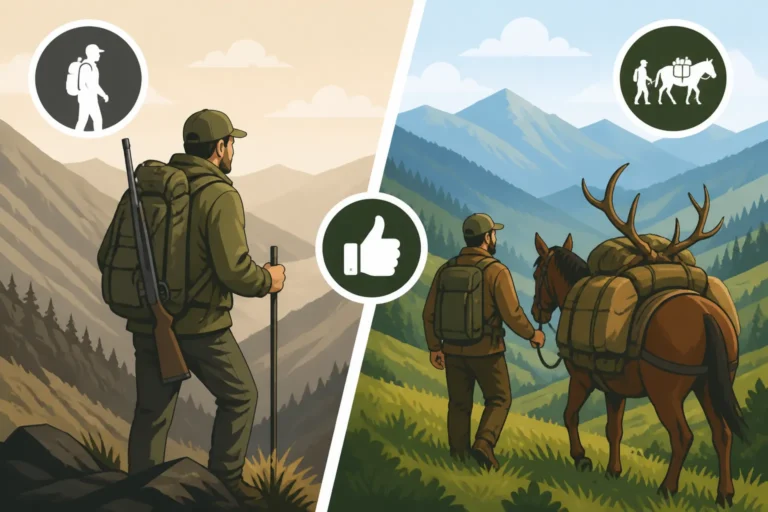
For the truly adventurous hunter who craves a deep backcountry experience but lacks the horses, mules, or sheer muscle power to pack in a full camp, drop camps are an excellent solution. With a drop camp service, an outfitter will pack you, your gear, and all your supplies (including food, tents, cooking equipment, etc.) into a pre-designated remote location in the wilderness, set up your camp, and then leave you to hunt independently. They'll typically arrange a specific date and time to return and pack you and any harvested game back out. This is a phenomenal way to access pristine, unpressured hunting grounds that are otherwise inaccessible without stock.
Similarly, pack-in and pack-out services offer a flexible solution for hunters who are perfectly capable of hunting and setting up their own basic camp, but need help with the heavy lifting of getting in or, more importantly, getting out with a trophy animal. Imagine being a few miles deep in the Eagle Cap Wilderness and dropping a bull elk; the sheer physical effort of packing that meat out alone is monumental. Hiring a pack service means you can focus on the hunt itself, knowing that if you're successful, professional help is just a satellite phone call away to bring in stock and haul out your hard-earned game. This service is invaluable for preserving meat quality and ensuring your hard work isn't undone by logistical challenges. Just be aware of Oregon Wilderness Rules That Ban Motorized Carts, as your guide will be using traditional stock for these services.
Private Land vs. Public Land Hunts
The distinction between hunting on private land versus public land with a guide in Oregon is significant, affecting everything from hunting pressure to success rates and cost.
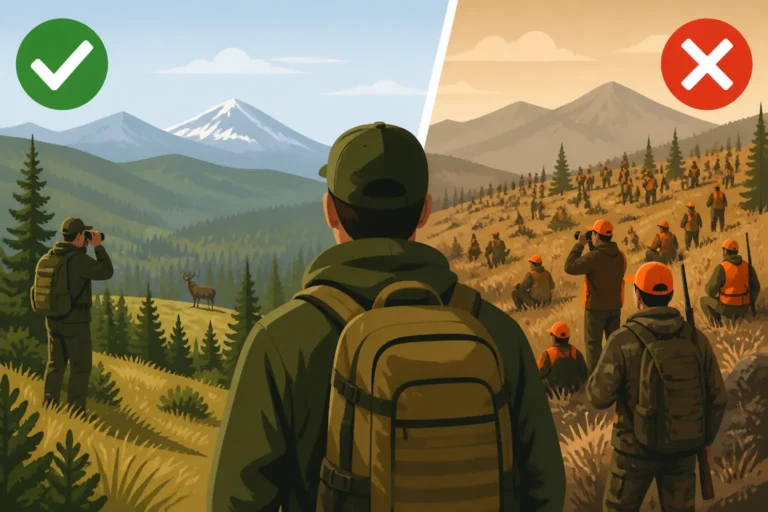
Public Land Hunts: Many guides operate on vast tracts of public land, including National Forests (like the Umatilla or Ochoco National Forests) and Bureau of Land Management (BLM) areas. These hunts offer the classic rugged, wild experience. The advantages include access to immense landscapes, often less crowded than private parcels, and the challenge of truly fair-chase hunting. Guides who specialize in public land hunting are masters of understanding game movement in response to pressure, navigating vast areas, and finding animals that have gone deep into remote country. The downside can be higher hunting pressure, and success rates can vary more widely due to the sheer size and accessibility of the land. However, for many hunters, the satisfaction of harvesting an animal on public land is paramount. These guides often have special use permits to operate on these federal lands.
Private Land Hunts: Other outfitters have exclusive access or leases on private ranches and timber company lands. Hunting on private land often means significantly less hunting pressure, potentially higher animal densities, and the ability to manage herds for quality. Some ranches might offer guaranteed tags or a higher likelihood of drawing a desirable tag. Companies like Weyerhaeuser and Hancock Forest Management often have permit systems that guides can utilize or lease. The benefits are clear: a more controlled environment, potentially higher success rates, and sometimes more luxurious lodging options. The trade-off is typically a higher price point, as the outfitter has to factor in the cost of land access. These hunts are often perfect for hunters seeking a more predictable experience or those with physical limitations who benefit from easier access. It's vital to confirm what type of land your guide operates on, and if it's private, understand the terms of access, such as those found in Weyerhaeuser and Hancock Permit Systems.
Deciphering the Cost: What to Expect from an Oregon Guided Hunt
The cost of a guided hunt in Oregon is one of the most frequently asked questions, and for good reason. It's a significant investment, and understanding what influences the price, what's included, and what hidden costs might arise is crucial for budgeting and setting realistic expectations. There's no single price tag; rather, it's a spectrum that depends on many variables.
Factors Influencing Pricing
Several key elements determine the price of an Oregon guided hunt. First, the species you're hunting plays a huge role. Elk hunts, particularly for trophy bulls, are almost always more expensive than deer hunts, simply due to the animal's size, difficulty in finding them, and the physical demands of the hunt. Pursuing a Roosevelt elk in the Coast Range often demands a higher price than a blacktail buck hunt in similar terrain due to the challenge and prestige.
Hunt duration is another major factor; a five-day hunt will naturally cost more than a three-day hunt. The type of hunt (fully outfitted, semi-guided, drop camp) also greatly impacts the price, as outlined earlier. A fully outfitted camp with gourmet meals and luxurious lodging will command a premium over a basic drop camp where you handle your own food.
Location and terrain are also critical. Remote, wilderness hunts requiring pack animals and extensive logistics will be more costly than hunts accessible by truck on private land closer to civilization. The reputation and success rate of the outfitter also contribute; highly sought-after guides with consistent trophy success often charge more. Lastly, inclusions such as meat processing, taxidermy preparation, or even shuttles to and from an airport can add to the overall package price. Generally, prices will range from a few thousand dollars for a shorter, less intensive deer hunt, to significantly more for a multi-day, fully outfitted trophy elk expedition. For a deeper dive into these figures, you can look up specific details like What an Oregon Guided Elk Hunt Costs.
Understanding Deposits, Cancellations, and Hidden Fees
When booking a guided hunt, you'll almost always be required to pay a deposit upfront, which can range from a substantial percentage of the total cost. This secures your dates and helps the outfitter cover initial planning and scouting expenses. Understand that deposits are usually non-refundable or only partially refundable, especially if you cancel close to the hunt date. Outfitters often have strict cancellation policies because a cancellation means lost revenue and a missed opportunity to book another client in that slot. Always review the contract carefully for these terms. It's wise to consider purchasing hunt insurance to protect your investment in case unforeseen circumstances force you to cancel.
Beyond the advertised package price, be diligent about asking about potential hidden fees or additional costs. These can include:
- Tag and License Costs: You are almost always responsible for purchasing your own Oregon hunting license and tags. This is a separate expense from the guide's fee.
- Travel Expenses: Airfare, fuel for driving, and pre- and post-hunt lodging in a hotel are typically not included.
- Meat Processing and Taxidermy: While guides will assist with field dressing, the cost of professional meat processing or taxidermy work is usually extra.
- Shipping Costs: If you're a non-resident, shipping meat or trophies home can be a significant additional expense.
- Gratuities/Tips: As discussed below, tipping is customary and expected.
- Trophy Fees: Some outfitters, especially on private land or for specific high-value animals, might charge an additional "trophy fee" if you harvest an animal meeting certain criteria (e.g., a bull elk over a certain antler score). Clarify this upfront!
It's absolutely essential to get a detailed written contract outlining all inclusions and exclusions, payment schedules, and cancellation policies before you send any money.
Tipping Etiquette and Additional Expenses
Tipping is a customary and expected part of a guided hunting experience, and it's important to budget for it. A guide's income often heavily relies on tips, and it's a way to acknowledge their hard work, long hours, and expertise. The general rule of thumb for a good guide is to tip between 10-20% of the total hunt cost. For example, on a several thousand dollar hunt, this could easily be several hundred dollars. This tip is typically given at the end of the hunt, usually in cash.
Consider the exceptional effort your guide puts in: they might be up before dawn, scouting, cooking, navigating, tracking, and staying out until after dark, all while ensuring your safety and trying to put you on game. They also handle the less glamorous tasks like packing out heavy quarters in challenging conditions. If there's a separate packer or cook in camp, they might also receive a smaller, separate tip. Always bring enough cash for tips, as credit card processing can be difficult in remote areas.
Other additional expenses to consider include:
- Pre- and Post-Hunt Meals: While the guide covers meals during the hunt (if fully outfitted), your travel days might involve restaurant meals.
- Alcohol/Drinks: While some outfitters might include basic beverages, special requests for alcoholic drinks are usually an extra cost.
- Personal Gear: You'll need quality gear, from rainwear to optics. These are one-time investments but certainly part of your overall hunting expense.
- Game Processing Supplies: Coolers and ice for the drive home are essential, particularly if you're coming from Eastern Oregon. Consider the logistics for Coolers, Ice and the Drive Home From Eastern Oregon.
The Vetting Process: How to Choose the Right Oregon Guide
Choosing a hunting guide isn't like picking a hotel; it's a personal relationship for the duration of your hunt, and their experience, personality, and ethics can make or break your trip. Don't rush this process. Doing your homework upfront will save you potential heartache and ensure a much more enjoyable and successful adventure.
Researching and Verifying Credentials
The first step in vetting any Oregon hunting guide is to thoroughly research their operation and, critically, verify their credentials. Start by looking for guides who specialize in the species and type of hunt you're interested in (e.g., Archery Elk Hunting Oregon's August and September Seasons versus a rifle hunt). Online platforms like BookYourHunt or GoHunt can be excellent resources to find lists of registered outfitters, read client reviews, and compare services. These platforms often aggregate information, making your initial search much easier.
Once you have a few potential guides in mind, immediately confirm their registration status with the Oregon State Marine Board. As mentioned, this is non-negotiable. You can usually do this through an online search on the Marine Board's website using the guide's name or business name. This verifies they are legally operating and have met the state's minimum requirements for insurance and training. Don't rely solely on their website's claims; cross-reference it. Also, inquire about any necessary permits they hold for operating on public lands (e.g., National Forest special use permits). A reputable guide will have these in order and be transparent about them.
Asking the Right Questions Before You Book
Once you've narrowed down your choices, it's time to get on the phone and have a detailed conversation. This is your chance to ask specific questions and get a feel for the guide's personality and communication style. Here's a table of essential questions to ask:
| Category | Key Questions to Ask |
|---|---|
| Credentials & Experience | Is your business registered with the Oregon Marine Board? What is your registration number? Do you have current first aid/CPR certifications? How long have you been guiding in this specific unit/area? What permits do you hold for public land use? |
| Hunt Specifics | What species do you primarily guide for? What is the typical group size for your hunts (e.g., one-on-one, two-on-one)? What are the physical demands of this hunt? What kind of shot distances should I be prepared for? What is your typical daily schedule during the hunt? |
| Logistics & Inclusions | What is included in the package price (food, lodging, transportation, gear)? What is explicitly not included? Where will we be staying (lodge, wall tent, spike camp)? What are the arrangements for field dressing, quartering, and packing out game? What are your procedures for handling a harvested animal? |
| Success Rates | What are your opportunity rates (chances of seeing legal game)? What are your harvest rates (chances of killing legal game)? Be wary of "guaranteed" claims. Ask for statistics over the past few seasons, not just banner years. |
| References & Reviews | Can you provide a list of recent references (clients from the last 1-2 seasons)? Where can I find independent reviews of your service (e.g., BookYourHunt, GoHunt forums)? |
| Contract & Payment | Can I see a sample contract? What are the payment terms, deposit amount, and cancellation policy? Are there any additional fees (trophy fees, processing, shipping)? How much do clients typically tip? |
Don't be shy about asking for references and actually calling them. A good guide will be happy to provide contact information for past clients. When you call references, ask about their overall experience, the guide's knowledge, the quality of the camp, the food, and how emergencies or difficult situations were handled. Ask if they would hunt with that guide again. This direct feedback is invaluable. Platforms like GoHunt often have user forums where you can ask for opinions on specific outfitters too.
Red Flags to Watch Out For
While most guides operate ethically and professionally, there are some red flags that should make you pause and reconsider. The biggest one is, as mentioned, a guide who is unwilling or unable to verify their Oregon Marine Board registration. If they brush off the question or provide vague answers, walk away. This is non-negotiable.
Another major red flag is any guide who makes guaranteed kill claims. Hunting is inherently unpredictable, and any guide promising a guaranteed harvest is either unethical or operating illegally. They might be setting up high-fence hunts (which are often illegal or highly restricted for certain species in Oregon) or simply being dishonest. Ethical guiding focuses on providing opportunities, not certainties.
Be wary of excessively low prices that seem too good to be true. While everyone loves a bargain, significantly cheaper rates than competitors can indicate cutting corners on safety, equipment, land access, or even legality. It might also mean they're trying to undercut established outfitters without offering a comparable service.
Lack of a clear, written contract is also a major concern. A professional outfitter will always provide a detailed contract outlining all terms, conditions, inclusions, and exclusions. If they're vague about payment terms, cancellation policies, or what's included, that's a sign of potential trouble. Finally, trust your gut. If a guide's communication feels off, they're hard to get a hold of, or you just have a bad feeling after talking to them, it's probably best to look elsewhere. You want to feel comfortable and confident with the person who will be leading you into the wilderness.
Preparing for Your Guided Oregon Hunting Adventure
Booking a guided hunt is just the beginning; proper preparation on your part is essential to make the most of the experience. Your guide will provide much of the expertise, but your personal readiness directly impacts your enjoyment and success.
Physical Fitness and Gear Expectations
Oregon hunting, whether for elk in the steep Cascades or mule deer in the high desert, is physically demanding. Do not underestimate it. Your guide will push you, not out of malice, but to get you into the best possible positions. A lack of physical fitness can limit your ability to keep up, stalk effectively, or endure long days in the field, potentially costing you opportunities. Start a fitness regimen well in advance: cardio, strength training, and especially hiking with a weighted pack are crucial. Simulating the terrain you'll encounter can make a huge difference. Consider specific training for Physical Training for an Oregon Elk Hunt.
Your guide will provide a detailed gear list, and it's imperative you adhere to it. Quality gear, especially for clothing, boots, and optics, is not an option in Oregon's varied and often unpredictable weather. Rain gear that actually stays dry is worth its weight in gold in Western Oregon, while layered clothing for rapidly changing temperatures is critical in Eastern Oregon. Don't skimp on boots; they are your foundation. Make sure they are well broken in to avoid blisters. While your guide might provide some communal gear, your personal items, from sleeping bags to headlamps, need to be reliable. Always double-check your rifle or bow setup. Ensure your rifle is sighted in and you've practiced shooting from various field positions, or that your bow is tuned and you're consistently accurate.
Understanding Your Contract and Responsibilities
As emphasized earlier, your hunting contract is a legally binding document. Read it thoroughly, understand every clause, and don't hesitate to ask your guide for clarification on anything that's unclear before you sign it and pay your deposit. Pay close attention to:
- Hunt Dates and Duration: Confirm these are exactly what you agreed upon.
- Inclusions and Exclusions: What exactly is the guide providing, and what are you responsible for?
- Payment Schedule and Cancellation Policy: Understand when payments are due and what happens if you need to cancel or if the guide cancels.
- Refunds and Rescheduling: What are the terms for these situations?
- Liability Clauses: Be aware of what you are agreeing to regarding potential risks.
Beyond the contract, you have certain responsibilities as a client. Be on time, follow your guide's instructions (they are the expert in the field), be honest about your physical limitations, and maintain a positive attitude, even when the hunting is tough. Communicate openly with your guide about your expectations, preferences, and any concerns you might have. Remember, they are working hard to provide you with the best possible experience, and a good client-guide relationship is built on mutual respect and clear communication. Also, ensure you are fully aware of all Oregon hunting regulations that apply to you and the hunt.
Post-Hunt Logistics: Meat and Trophy Care
The hunt doesn't end when the animal is down; in fact, some of the hardest work begins then. A good guide will be invaluable in assisting with the post-harvest logistics, but it helps to know what to expect. They will typically assist with field dressing the animal quickly and efficiently to ensure the meat cools down as fast as possible, especially if you're hunting in warm early-season weather. They will then help quarter the animal and prepare it for packing out. If you're in truly remote country, this could involve multiple trips with pack frames. Consider the complexities of Quartering and Packing an Elk Alone versus having a guide assist.
Once the meat is out of the field, your guide can often provide recommendations for local meat processors who specialize in wild game. These processors can cut, wrap, and freeze your meat to your specifications. If you're hoping for a shoulder mount or a European mount, your guide will also help with caping and preparing the hide and antlers for transport to a taxidermist. Discuss these preferences with your guide before the hunt so they know your intentions and can guide you accordingly when it comes time to field dress. For non-residents, shipping meat and trophies home requires careful planning, often involving specialized coolers, dry ice, and coordination with shipping companies. Your guide can often facilitate this process or provide local contacts to help you get your valuable harvest home safely. Remember to ask your guide about these arrangements beforehand to avoid last-minute stress.
Specific Guided Opportunities for Oregon's Big Game
Oregon boasts incredible diversity in its big game populations, offering unique challenges and rewards for hunters. Whether you dream of coastal rainforest or high desert sage, there's likely a guided hunt suited to your ambition.
Guided Elk Hunts: Roosevelt and Rocky Mountain
Oregon is one of the few states where you can hunt both Roosevelt and Rocky Mountain elk, each offering a distinct experience.
Roosevelt Elk: Found predominantly in Western Oregon's Coast Range and Cascade Mountains, Roosevelt elk are majestic creatures that thrive in dense, often wet, timber. A guided Roosevelt elk hunt is typically a physically demanding endeavor. Guides specializing in these hunts are masters of still-hunting through thick brush, calling in dense cover, and navigating steep, tangled terrain. They understand the challenges of visibility and the importance of scent control in the damp environment. Success often hinges on getting incredibly close to the animals. Guides in these areas are intimately familiar with Roosevelt Elk in Western Oregon behavior and movement patterns within the deep forest. They'll know the old logging roads, clearcuts, and hidden draws where these elusive giants feed and bed. Expect to be challenged by the terrain and weather, but the reward of a Roosevelt bull is truly exceptional.
Rocky Mountain Elk: Venturing east of Highway 97, you'll find Rocky Mountain elk in the more open, mountainous regions of Eastern Oregon, such as the Blue Mountains. These hunts often involve more glassing across vast landscapes, covering significant ground on foot or by vehicle to locate herds. Guides here are experts at reading topography, identifying remote bedding areas, and understanding how elk react to hunting pressure in more expansive terrain. Calling can be very effective, especially during the rut, and guides will use a variety of techniques to draw bulls into shooting range. A guided Rocky Mountain elk hunt might involve extensive hiking at higher elevations, but also strategic positioning to intercept moving animals. Understanding the nuances of Oregon Elk Herd Numbers by Region can also play into how guides plan these hunts.
Guided Deer Hunts: Blacktail and Mule Deer
Oregon offers excellent opportunities for both the elusive Columbian blacktail deer and the iconic Western mule deer.
Blacktail Deer: The Columbian blacktail deer is the quintessential Western Oregon deer, inhabiting the dense forests, clearcuts, and coastal mountains. A guided blacktail hunt can be incredibly challenging due to the animal's stealthy nature and the thick cover they inhabit. Guides excel at still-hunting, reading subtle sign, and understanding how blacktails utilize edge cover and new growth in clearcuts. These hunts often involve patience, careful stalking, and keen eyesight. Knowing the Blacktail Rut Timing in Western Oregon is critical for guides, as it often provides the best window for encountering bucks. Guides will lead you through rugged terrain, teaching you how to move quietly through wet brush and identify prime bedding areas.
Mule Deer: In Eastern Oregon's high desert, guides focus on the distinctive mule deer. These hunts are often characterized by extensive glassing, utilizing powerful optics to spot deer from a distance across vast sagebrush flats, juniper draws, and rimrock country. Guides are experts at judging trophy quality from afar and orchestrating strategic stalks to close the distance. Understanding Oregon Mule Deer and the Herd Range Decline is important for guides, as it influences their hunting strategy and conservation ethics. These hunts can be physically demanding due to the expansive, often rugged terrain and the need to cover a lot of ground. Guides will know the water sources that attract deer in dry conditions and the specific draws where mature bucks might hide. Platforms like BookYourHunt can connect you with guides specializing in high desert mule deer hunts.
Pursuing Bear and Cougar with a Guide
Oregon also offers thrilling opportunities to hunt black bear and cougar, though with specific restrictions.
Black Bear: Oregon's black bear population is healthy, particularly in the Coast Range and Cascades. Since baiting and the use of hounds are illegal for bear hunting in Oregon, guided bear hunts focus on spot-and-stalk tactics, often in spring during the "green-up" when bears emerge from dens and feed on new vegetation in open clearcuts and south-facing slopes. Guides are skilled at spotting bears from a distance, judging size (especially important for distinguishing a sow from a boar), and planning careful stalks in varying terrain. Fall bear hunts often coincide with berry seasons, where bears concentrate on food sources. Guides will know prime feeding areas and how to approach silently. Understanding the Oregon Black Bear Population Estimate helps guides manage expectations for these challenging hunts.
Cougar: Hunting cougars in Oregon is another unique challenge, as the use of hounds is also prohibited. Guided cougar hunts typically involve calling, tracking, or incidental encounters during other big game hunts. Guides who specialize in cougar will be expert trackers, capable of identifying fresh cougar tracks and understanding their movement patterns. They might use various calling techniques to draw a curious cat in, requiring extreme patience and stealth. Cougar hunting is often opportunistic and requires immense dedication. Guides will be acutely aware of Oregon Cougar Zone Quotas and season closures, as these hunts are managed to specific take limits in different areas. A guided cougar hunt is a test of perseverance and a truly wild experience.
Disclaimer
This article is for general informational purposes only and does not constitute professional advice. Laws, prices and regulations vary by location and change over time. Consult a qualified professional for guidance on your specific situation.