Goose Damage Priority in Open Fields
For farmers in Oregon, geese can be more than just a picturesque sight; they can be a real headache, decimating crops and pastures and causing significant financial strain. This struggle between agriculture and wildlife has led to a unique program, creating incredible opportunities for hunters seeking access to prime waterfowl grounds. This guide will walk you through understanding Oregon's "Goose Damage Priority" in the Open Fields program, revealing how these areas benefit landowners, help manage goose populations, and open up vital hunting access for you.
Oregon's Open Fields Program: Bridging the Gap for Hunters and Landowners
Oregon's landscape is a patchwork of public and private lands, and finding consistent access for hunting can often feel like solving a complex puzzle. The Oregon Department of Fish and Wildlife (ODFW) recognized this challenge years ago, especially concerning private agricultural lands where wildlife often congregates. That's where the Open Fields program comes in, acting as a crucial bridge.
What is the Open Fields Program and Why Does it Exist?
The Open Fields program, part of the larger Access and Habitat (A&H) Program, is essentially a partnership between private landowners and ODFW. Its core purpose is twofold: to enhance wildlife habitat on private land and, critically for hunters, to secure public access for hunting. Landowners volunteer to open their properties, or portions thereof, to hunting under specific conditions, and in return, they receive financial compensation or other assistance. It's a pragmatic solution that acknowledges the value of private land in conservation efforts while simultaneously addressing the ever-present demand for hunting access. Without programs like this, vast tracts of prime habitat, especially agricultural lands that attract waterfowl and big game, would remain entirely off-limits to the general public. It's about creating win-win scenarios where wildlife benefits, landowners are supported, and hunters gain legitimate, regulated access.
The program works by identifying lands that offer significant hunting potential or provide critical habitat. ODFW then works with the landowner to establish the terms of access – whether it's walk-in only, requires a sign-in at a kiosk, or has specific hunting dates. These agreements are vital because they formalize access, making it clear for both the hunter and the landowner what the expectations are. This structured approach helps prevent misunderstandings and ensures that the land is used responsibly. It's a far cry from the old days of simply knocking on doors, though that still has its place, and offers a more reliable, consistent source of opportunity. Hunters looking for Oregon Open Fields Properties and How to Find Them will find this program indispensable.
The Landowner's Perspective: Incentives for Participation
Why would a private landowner, often a farmer or rancher, agree to open their property to hunting? The reasons are varied but often boil down to financial relief and effective wildlife management. First and foremost, ODFW offers compensation to landowners for the access they provide. This can be a welcome income stream, especially for properties that might otherwise struggle with profitability or where wildlife presence impacts their bottom line. It's a way for the state to acknowledge the public benefit derived from private land use.
Beyond direct payment, many landowners, particularly those experiencing significant wildlife damage, see the Open Fields program as a practical solution. For example, deer might browse newly planted crops, or elk might break down fences and eat stored hay. In these scenarios, ODFW can help manage these populations through regulated hunting, which reduces the damage while offering hunters an opportunity. Oregon Damage Tags and How They Work is another related program that sometimes intersects with this, providing direct tools for farmers to address chronic wildlife issues. This cooperative approach fosters positive relationships between landowners and the hunting community, building trust and ensuring the long-term viability of these access programs.
Hunter Access: Your Ticket to New Opportunities
For hunters, the Open Fields program is a goldmine of potential access, especially in areas where public lands are scarce or heavily pressured. These properties often provide access to habitat types that are otherwise difficult to reach, such as agricultural fields, riparian zones along rivers, or private timberlands. Instead of relying solely on the vast but often remote National Forests or BLM lands, hunters can find opportunities closer to home or in areas known for high game concentrations.
The type of access varies greatly from property to property. Some might be designated "Welcome to Hunt" sites, offering walk-in access without prior permission. Others are "By Permission" properties, where you need to contact the landowner directly (often through a provided phone number or online registration system) before hunting. Always check the specific rules for each Open Fields property you're considering. It's crucial to understand these distinctions to ensure you're hunting legally and respectfully. These opportunities range from big game, like deer and elk, to upland birds and, of course, the focus of this guide: waterfowl, particularly geese.
The Critical Role of Goose Damage Priority Areas
While the Open Fields program covers a broad spectrum of hunting opportunities, some properties are specifically enrolled because they experience severe damage from geese. This specialization creates unique and often highly productive hunting experiences for those willing to pursue waterfowl.
Why Geese Become a Major Agricultural Concern
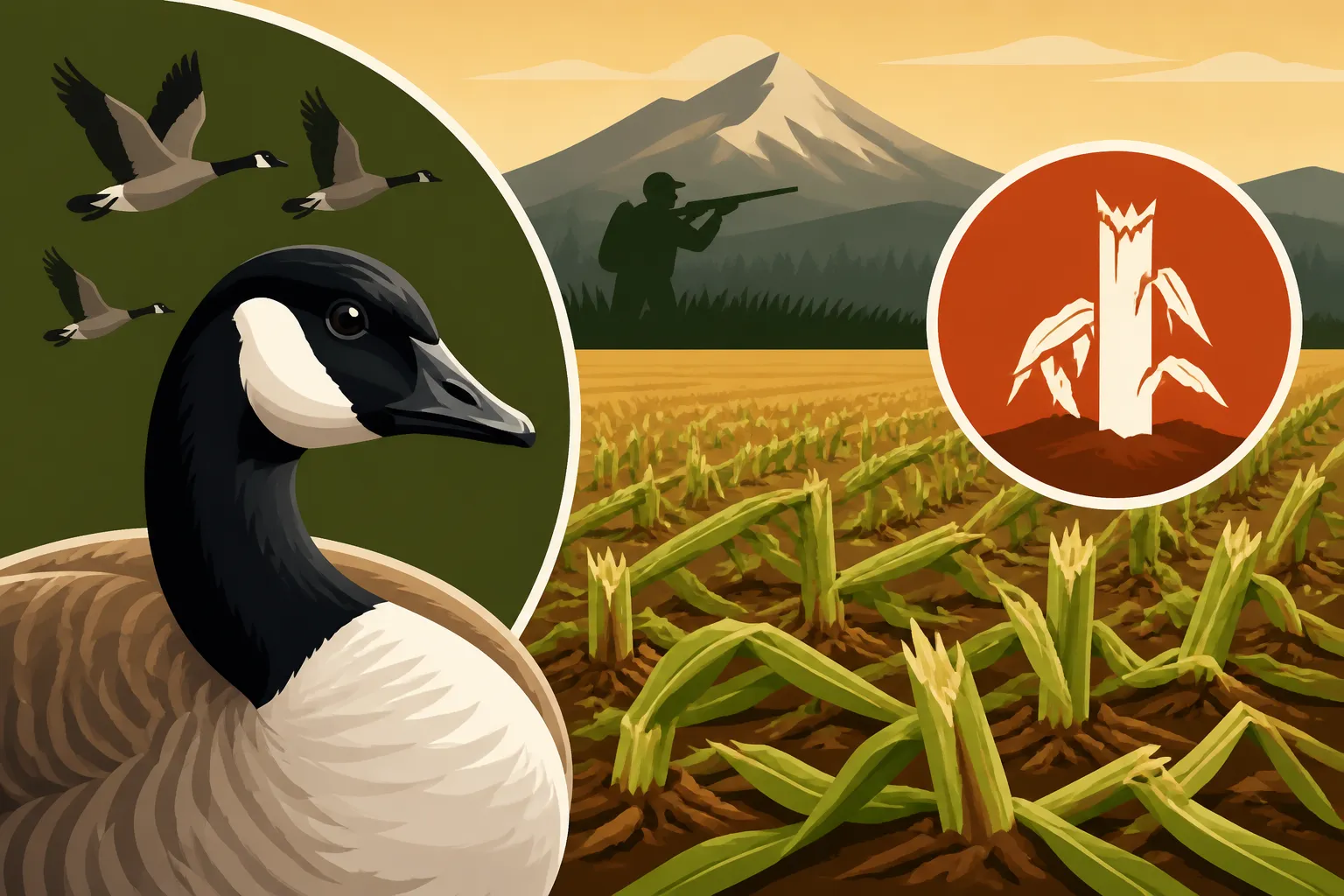
Geese, particularly Canada geese and sometimes other species like snow geese, can be incredibly detrimental to agricultural operations. They graze voraciously on young winter wheat, cover crops, and even newly sprouted pasture grasses. Imagine a flock of hundreds or even thousands of geese descending upon a field; they don't just eat, they trample, compact the soil, and leave behind extensive droppings, further contaminating crops or pasture meant for livestock. This damage isn't just cosmetic; it can lead to significant yield reductions, requiring costly replanting or reducing the forage available for cattle.
Farmers invest heavily in their crops, from seed and fertilizer to labor and irrigation. When a large flock of geese devastates a field, it represents a direct financial loss that can impact a farm's entire season or even its long-term viability. Furthermore, the persistent presence of geese can disrupt other farm operations, like planting or harvesting, and can even carry diseases that might impact livestock. The frustration is real, and it's this economic and operational pressure that drives many landowners to seek assistance from ODFW through programs like Open Fields.
ODFW's Response: Designating Damage Priority
Recognizing the severity of goose damage, ODFW works closely with landowners to identify and designate "Goose Damage Priority" properties within the Open Fields network. This designation isn't just a label; it often comes with specific management strategies and, crucially, enhanced hunting opportunities. These properties are typically located in key agricultural areas, often in the Willamette Valley or other fertile regions, where large concentrations of geese stage during migration or overwinter.
ODFW might allow for extended seasons, increased bag limits, or special hunting hours on these designated properties to encourage greater harvest and reduce goose populations in problem areas. The goal is to provide enough hunting pressure to encourage geese to move elsewhere or to reduce their numbers effectively. This targeted approach is a cornerstone of responsible wildlife management, using hunters as a tool to mitigate agricultural conflicts. For hunters, this means not just access, but access to areas where geese are actively causing problems, which often translates to higher concentrations of birds and better hunting success.
Locating These High-Priority Hunting Zones
Finding these specific "Goose Damage Priority" properties requires a bit of homework, but the resources are readily available. ODFW maintains an online hunting access map, which is your primary tool. This map color-codes properties, indicating whether they are Open Fields, A&H lands, or other public access sites, and often includes specific notes about goose damage priority. You'll want to filter or look for notes indicating waterfowl or goose hunting opportunities.
Beyond the official ODFW map, digital mapping applications are incredibly useful. Brands like onX Hunt provide layered maps that show public and private land boundaries, often including ODFW access points. While onX Hunt might not specifically label a property "Goose Damage Priority," it will certainly show you the boundaries of Open Fields properties, allowing you to cross-reference with ODFW's information. Knowing the exact property lines with tools like onX Hunt is absolutely critical when hunting private land, even if it's part of an access program, to ensure you don't inadvertently trespass or violate specific landowner agreements. Many of these properties are found in regions described in Hunting the Willamette Valley Open Fields Properties or Oregon Waterfowl in the Willamette Valley.
Practicalities of Hunting Geese on Priority Lands
Hunting geese on these damage priority lands is a fantastic experience, but it requires careful planning and a deep respect for the landowner and the specific rules in place.
Understanding Specific Hunt Rules and Season Dates
While goose hunting generally falls under federal migratory bird regulations and statewide Oregon rules, "Goose Damage Priority" properties often have additional, site-specific rules. It's not uncommon to find extended seasons that go beyond the general waterfowl season, or sometimes even special hunt days. Bag limits might also differ slightly, allowing for a higher take on certain species if the damage is severe. Always, always check the specific property regulations and ODFW's most current hunting pamphlet for the exact dates, times, and bag limits applicable to the specific Open Fields property you intend to hunt. This information is usually detailed on the ODFW access map or at kiosks located at the property entrance.
For example, some areas might have specific blind requirements, or a mandate that hunters check in and out daily. There might be restrictions on the number of hunters allowed on a property at one time, or rules about what constitutes a legal shooting distance from buildings or roads. Ignoring these specific rules can lead to citations, loss of hunting privileges, and, most importantly, jeopardizes the entire Open Fields program for future hunters. Being diligent about understanding these nuances is part of being a responsible sportsman and ensuring these valuable access opportunities remain available.
Effective Hunting Strategies for Open Fields Geese
Hunting geese in open agricultural fields is a classic waterfowl pursuit, and it requires a specific set of strategies. Decoy spreads are almost always essential. Large spreads, often including full-body decoys, silhouettes, and even rotary "flappers," are effective at drawing in high-flying birds. Positioning your spread in a feeding pattern, perhaps downwind of where birds were seen feeding the day before, is key. Layout blinds are a must for concealment in open fields, allowing you to remain hidden while waiting for birds to commit. These low-profile blinds blend seamlessly with the stubble or cover, making you virtually invisible.
Calling is another critical component. Mastering a few basic Canada goose calls – honks, clucks, and moans – can make a huge difference. However, knowing when to call and when not to is often more important than how well you can execute a specific note. Overcalling can scare birds off, while subtle coaxing can seal the deal. Remember, these geese are likely educated due to previous hunting pressure, so realism in your setup and calling is paramount. Success often hinges on extensive scouting before the hunt, identifying flight patterns, feeding areas, and roosting sites. Knowing where the geese want to be will allow you to set up for a prime encounter.
Upholding Ethics and Respecting Property Boundaries
Hunting on private land, even through an ODFW program, comes with an immense responsibility. The relationship between ODFW, the landowner, and the hunter is built on trust, and one careless act can damage that trust for everyone. Always adhere strictly to the landowner's specific rules, which might include things like designated parking areas, entry points, or specific boundaries you cannot cross. Use a reliable mapping app like onX Hunt to ensure you know exactly where those property lines are, preventing any accidental trespass.
Beyond rules, basic courtesy goes a long way. Leave no trace – pick up all your spent shell casings, empty food wrappers, and any other trash. If you open a gate, close it. Drive only on designated roads or paths, and never damage fences or crops. If you encounter livestock, give them a wide berth. A simple thank you to the landowner, if you have the opportunity, can reinforce positive relations. Remember that you are representing all hunters, and your actions directly impact the future of these precious access programs.
Beyond the Hunt: Maximizing Your Open Fields Experience
To truly make the most of the Open Fields "Goose Damage Priority" opportunities, a bit of pre-season and in-season effort will significantly boost your success. It's not just about showing up; it's about being prepared and informed.
Leveraging Digital Tools for Pre-Season Scouting
Gone are the days when scouting was purely a boots-on-the-ground endeavor, especially for vast agricultural fields. Digital mapping tools have revolutionized pre-season scouting. Start with the ODFW online hunting access map to pinpoint potential "Goose Damage Priority" properties. Once you have a few in mind, switch to a robust mapping application like onX Hunt. This allows you to study the terrain, identify specific fields, note potential access points, and understand property boundaries down to the foot. You can mark potential setup locations, identify natural funnels or pinch points geese might use, and even look for water sources or roosting areas nearby.
Don't stop there. Utilize aerial and satellite imagery to observe patterns of fields, recent harvests, and remaining stubble. This can give you clues about where geese might be feeding or where they might find suitable loafing areas. Sites like GoHunt, while often focused on big game, can still offer valuable insights into specific units, providing general information on game populations or hunting pressure that might indirectly affect waterfowl movements. The more you "e-scout" from home, the more efficient and effective your actual field scouting will be, saving you time and effort when you're on the ground.
Timing is Everything: When to Target Goose Damage Areas
Goose hunting success is highly dependent on timing. Understanding goose migration patterns is fundamental. Early in the season, local resident geese might be your primary target, and they often have predictable routines. As the season progresses and colder weather pushes more birds south, new waves of migrating geese will move into Oregon. Pay attention to weather forecasts, especially major cold fronts or storms to the north, as these often trigger large-scale migrations.
Once geese arrive in an area, their behavior is often tied to food sources. They will feed heavily in fields offering the most palatable and accessible forage, often shifting as crops are harvested or as pressure mounts. This means constant scouting, even during the season, is crucial. Drive around the evenings before your hunt, well away from the fields, and watch for where geese are flying and feeding. They tend to stick to a routine for a few days before changing it up. Also, consider the time of day: geese are most active at first light, as they leave their roosts to feed, and again in the late afternoon before returning. Positioning yourself during these peak movement times will drastically improve your chances.
Preparing Your Gear and Mindset for Field Hunting
Successfully hunting geese on Open Fields requires specific gear and a flexible mindset. First, concealment is key: invest in quality layout blinds that match the color of the stubble or field you'll be hunting. Wear camouflage that blends with the dominant colors of the agricultural landscape, not just forest patterns. Your shotgun should be capable of handling heavy waterfowl loads, and you'll need plenty of ammunition. Steel shot or other non-toxic alternatives are required for waterfowl hunting, so make sure you have the right shells.
Decoys are an investment, but worth it. A dozen or two full-body or shell decoys, combined with a few motion decoys, can be very effective. Ensure you have a good goose call and practice using it beforehand. Beyond the hunting specific gear, consider comfort: field hunting can be cold and wet, so layers, waterproof outerwear, and warm boots are essential. Finally, maintain a flexible mindset. Geese are intelligent and can change their patterns quickly. Be prepared to move your setup if the birds aren't cooperating. Stay patient, observe their behavior, and be willing to adapt your strategy.
Remember, Open Fields properties are a privilege, not a right. Treat the land, the landowner, and the resource with the utmost respect, and you'll continue to enjoy these fantastic hunting opportunities in Oregon.
| Feature | Typical Open Fields Property (General) | Goose Damage Priority Property (Specific) |
|---|---|---|
| Primary Goal | Provide general public hunting access, habitat | Mitigate agricultural damage from geese |
| Key Species | Deer, elk, upland birds, waterfowl | Primarily geese (often Canada, sometimes snow) |
| Landowner Motivation | Financial compensation, habitat improvement | Significant goose damage relief, compensation |
| Hunting Regulations | Standard ODFW general season rules apply | May have extended seasons, higher bag limits, special dates, or specific check-in rules |
| Scouting Focus | General game sign, access points, terrain | Active goose feeding patterns, flight lines, field conditions, damage evidence |
| Location Tendency | Varied across Oregon | Often in major agricultural regions (e.g., Willamette Valley) |
| Access Information | ODFW online map, property kiosks | ODFW online map will often indicate "waterfowl" or "damage" notes, specific property details |
Disclaimer
This article is for general informational purposes only and does not constitute professional advice. Laws, prices and regulations vary by location and change over time. Consult a qualified professional for guidance on your specific situation.