Oregon Damage Tags and How They Work
It's incredibly frustrating when wildlife, as beautiful and iconic as it is, starts to cause real damage to your livelihood or property. Whether it’s elk decimating a hayfield you've worked hard on, deer browsing down a newly planted orchard, or even predators causing issues with livestock, these situations can be costly and genuinely stressful for Oregon landowners. This guide is here to walk you through Oregon's damage tag system, explaining what these tags are, how they work, and what options exist for landowners facing these challenges.
Understanding Oregon's Wildlife Damage Program
Oregon's landscapes are rich with diverse wildlife, a source of pride for many of us. However, when wild animals impact agricultural operations, timber plantations, or other private property, it creates a real headache, and often, significant financial loss. The Oregon Department of Fish and Wildlife (ODFW) recognizes this struggle and has programs in place to help manage these conflicts, with damage tags being a key component.
The Problem: Wildlife Impact on Private Land
Imagine putting in countless hours cultivating your fields, only to wake up and find a herd of elk has trampled and grazed through a significant portion of your winter forage, or a band of deer has completely defoliated your young blueberry bushes. These aren't isolated incidents; they're daily realities for many farmers and ranchers across Oregon. From the rich agricultural lands of the Willamette Valley to the sprawling ranches in Eastern Oregon, elk and deer are often the primary culprits, but bears and cougars can also cause serious harm to livestock. Fences are torn down, crops are eaten, and the economic toll can be substantial. ODFW's role isn't just about managing healthy wildlife populations for hunters and wildlife viewers; it also extends to mitigating these human-wildlife conflicts to support landowners and maintain a balance.
What is a Damage Tag?
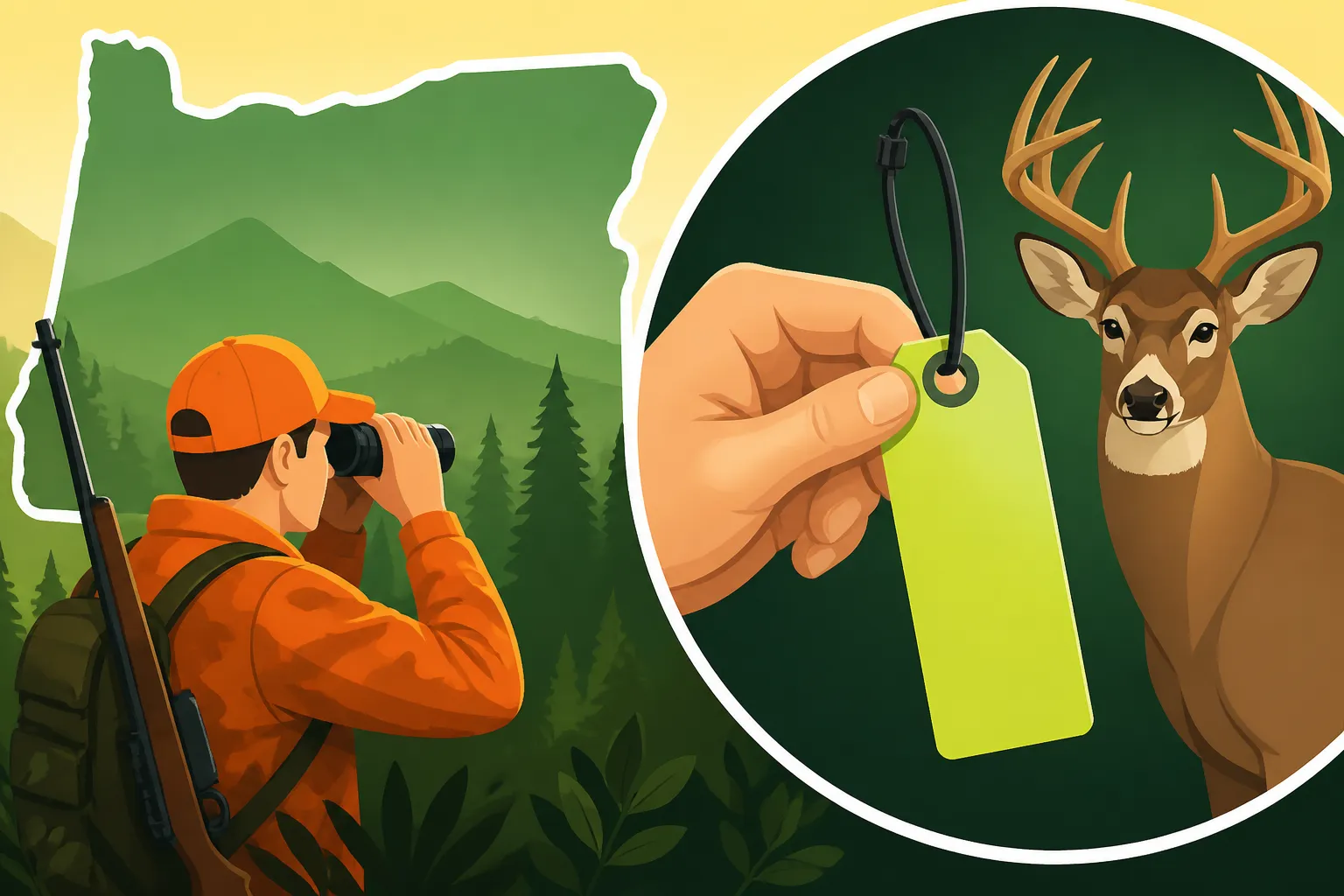
A damage tag, sometimes called a depredation permit or certificate, is a special authorization issued by the ODFW that allows a landowner or a designated person to remove specific problem animals that are causing documented damage to property. It's crucial to understand that these aren't your typical general season or controlled hunt tags. They come with very strict conditions, including what species can be harvested, the number of animals, the specific location, and often the timeframe. The goal isn't to provide a hunting opportunity in the traditional sense, but to alleviate a specific, verifiable problem. Think of it as a targeted tool for damage control, not a general hunting license.
Eligibility and Application Process for Landowners
So, you're a landowner experiencing significant wildlife damage. What's the first step? You need to contact your local ODFW district office. They are the folks who will help you navigate this process. Eligibility for a damage tag isn't automatic; there's a clear process to ensure the program is used appropriately.
First, you'll need to demonstrate genuine and ongoing damage. This often involves ODFW staff visiting your property to assess the extent of the damage, verify the species causing it, and evaluate any steps you've already taken to deter the animals. They'll look for evidence like trampled crops, broken fences, or signs of predation on livestock. The type of property matters too; agricultural operations and timberland are common contexts for these tags. Once the damage is confirmed and deemed sufficient, ODFW will work with you to determine if a damage tag is the appropriate solution. Sometimes, non-lethal methods might be recommended first, or a combination of strategies. The entire process hinges on clear communication and documentation of the problem.
How Oregon Damage Tags Are Issued and Used
Once the ODFW determines that damage tags are warranted, the real operational details come into play. These tags are highly specific, designed to address the problem directly while adhering to wildlife management principles.
Species Covered and Specific Conditions
The most common species involved in damage tags are deer and elk, particularly in areas with high populations or where their natural forage has been displaced. In some cases, if black bears or cougars are consistently preying on livestock, damage tags for these predators might also be issued.
However, the conditions attached to these tags are rigorous. For instance, an elk damage tag might specify that only antlerless elk (cows or calves) can be harvested, or it might be limited to a very specific field where the damage is occurring. There will be clear start and end dates, and often, restrictions on weapon type or shooting hours. The intent is solely to remove the problem animals, not to provide a general hunting opportunity. This often means that even if a large bull elk is present with the offending herd, if the tag specifies antlerless animals, that bull cannot be taken under the damage tag. The focus is always on mitigating the damage, not on trophy harvest.
Designated Shooters and Hunter Involvement
As a landowner, you might not be a hunter yourself, or you might be too busy with farm work to dedicate the time. This is where designated shooters come in. Landowners can often designate specific individuals to use these damage tags on their behalf. This could be a family member, a trusted friend, or sometimes even a local hunter who has built a relationship with the landowner. The designated shooter must abide by all the conditions of the damage tag and Oregon hunting regulations.
It's crucial for both the landowner and the designated shooter to have a complete understanding of the tag's parameters. Misunderstandings can lead to violations, which no one wants. For hunters who are looking to help out landowners, remember that these are not "free hunts." They are a service to help a landowner with a real problem. Staying informed about hunting units and general regulations, perhaps through resources like GoHunt, can make a designated shooter more effective and knowledgeable, even if the damage tag is unit-specific and not a general hunt. Having a clear grasp of areas and boundaries is always helpful, much like when you're Reading a Travel Management Area Map Before You Drive.
Reporting Requirements and Follow-Up
Just like with any other harvested big game animal in Oregon, there are mandatory reporting requirements for animals taken under a damage tag. This typically means reporting the harvest to ODFW within a certain timeframe after the animal is taken, often online through the MyODFW licensing system. Failure to report can result in penalties, just like with Oregon Mandatory Harvest Reporting and the $25 Penalty. This reporting is vital for ODFW to track the effectiveness of the damage tags and to manage wildlife populations accurately.
If the damage continues even after a few animals are harvested, the landowner should communicate this back to ODFW. The program is flexible, and further measures or different strategies might be needed. Sometimes, the issue is not just individual animals but a persistent group, and repeated action may be necessary.
The Impact and Controversies of Damage Tags
While damage tags are a necessary tool for managing human-wildlife conflict, they also spark discussion and debate within the broader hunting and conservation communities. Understanding these various perspectives helps paint a complete picture of their role.
Benefits for Landowners and Wildlife Management
For landowners, the primary benefit is clear: damage tags provide a direct and often immediate solution to mitigate significant financial losses caused by wildlife. This can mean the difference between a successful harvest and a crop ruined by elk, or protecting valuable livestock from repeated predator attacks. Without such a mechanism, some landowners might resort to less regulated or illegal means of dealing with problem animals, which is not good for anyone.
From a wildlife management perspective, damage tags are a localized population control tool. They allow ODFW to address specific areas of overpopulation or concentrated animal activity without impacting the broader herd in other regions. This targeted approach can help reduce chronic damage incidents and prevent larger conflicts between people and wildlife. It’s a way to maintain a fragile balance, especially with species like Roosevelt Elk in Western Oregon or Oregon Mule Deer and the Herd Range Decline where local populations might fluctuate differently than statewide trends.
Criticisms and Ethical Considerations
Despite their utility, damage tags aren't without their critics. One common concern revolves around the potential for misuse, sometimes referred to as "canned hunts" if not managed strictly. This is the fear that damage tags could be used to facilitate easy, guaranteed hunts rather than genuinely addressing damage. ODFW implements strict rules and oversight precisely to prevent this, ensuring the program's integrity. The intent is purely damage mitigation, not recreational hunting.
Public perception can also be an issue. When people see animals harvested under these permits, especially if they aren't fully aware of the context of property damage, it can sometimes lead to misunderstandings. Transparency and education from ODFW are key to ensuring the public understands the necessity and strict conditions of these tags. Hunters, particularly, often discuss the ethics of fair chase. Damage tags, by their nature, are often situations where animals are taken close to property lines or in specific agricultural settings, which differs from traditional hunting pursuits in vast public lands. However, understanding the data behind wildlife populations, such as those discussed on platforms like GoHunt, can help inform these ethical discussions and highlight the real pressures landowners face. It's a different approach than pursuing animals in the backcountry, as described in guides like Archery Elk Hunting Oregon's August and September Seasons.
Alternative and Complementary Damage Prevention Strategies
While damage tags are an effective tool, they are often considered a last resort or part of a broader strategy. ODFW encourages landowners to explore and implement non-lethal and habitat-based solutions first, or in conjunction with, damage tags. Prevention is often better than reactive measures.
Non-Lethal Deterrents
Many landowners find success with a variety of non-lethal methods to deter wildlife. Fencing, for example, is a tried and true method, though it can be incredibly expensive and labor-intensive, especially for large acreage or determined animals like elk. Electric fences, particularly those designed for large game, can be effective.
Other deterrents include hazing, which involves using noise makers, bright lights, or even trained dogs to scare animals away from vulnerable areas. There are also various repellents available, though their effectiveness can vary depending on the species and environmental conditions. Some landowners have success with scare tactics like propane cannons (which mimic gunshots) or effigies, but animals can quickly habituate to these if they're not moved or varied regularly. For challenges with predators, ensuring proper livestock enclosure and guardianship can significantly reduce the risk of depredation by Cougars in Oregon After the Hound Ban or black bears.
Habitat Modification and Management
Long-term solutions often involve altering the landscape or agricultural practices to reduce wildlife conflict. This might include planting "decoy" crops in areas away from valuable produce, specifically to draw animals to a less critical part of the property. Another strategy is to manage surrounding habitat to make it less appealing to problem animals, for example, by removing dense cover that deer or elk might use for bedding close to sensitive areas.
Working closely with ODFW can help landowners develop comprehensive wildlife damage management plans that integrate both lethal and non-lethal methods. ODFW often provides technical assistance and sometimes even financial aid for implementing certain deterrents. Understanding the specific behaviors and migration patterns of species like Rocky Mountain Elk in Eastern Oregon through detailed mapping or public land resources, similar to what you'd find on GoHunt, can empower landowners to strategically place deterrents or modify habitats effectively, much like hunters use these tools for E-Scouting Oregon Units With Satellite Imagery. These proactive measures, combined with the option of damage tags when necessary, create a more sustainable approach to living alongside Oregon's abundant wildlife.
Disclaimer
The information provided in this guide is for general informational purposes only and does not constitute legal or official advice. Hunting regulations and programs, including those related to damage tags, can change frequently. Always consult the most current Oregon Department of Fish and Wildlife (ODFW) regulations, pamphlets, and directly contact your local ODFW office for the most accurate and up-to-date information regarding specific eligibility, application processes, and regulations pertaining to damage tags or any hunting activities in Oregon.