Hart Mountain and the Antelope Refuge
Hunting the vast, wild expanses of Oregon's high desert can feel like stepping back in time, a truly unique challenge. But for many, the Hart Mountain National Antelope Refuge represents a different kind of puzzle—a huge, beautiful, and sometimes bewildering landscape where regulations are paramount and wildlife thrives. This guide is here to unravel the complexities of accessing and hunting this special place, helping you understand its unique rules and maximize your chances of success and enjoyment while respecting its delicate ecosystem.
Understanding the Hart Mountain National Antelope Refuge
Hart Mountain isn't just another parcel of public land; it's a designated National Antelope Refuge, established specifically for the conservation of pronghorn antelope. This distinction means that while hunting is a permitted activity, it operates under a specific framework designed to protect the very wildlife you're pursuing and the habitat they rely on. Many hunters initially feel a bit overwhelmed by the layers of rules or the sheer remoteness, but once you grasp the mission of the refuge, it all starts to make sense. It's a place where you truly become a visitor in the animals' home, and that mindset is key to a successful and respectful experience.
What Makes Hart Mountain Unique for Hunters
The moment you drive onto Hart Mountain, you feel a shift. The landscape is dominated by a majestic fault-block mountain that rises dramatically from the sagebrush sea, offering incredible vistas and a diverse array of habitats. Unlike many other hunting areas that are managed primarily for timber or grazing, Hart Mountain’s primary purpose is wildlife conservation. This means fewer roads in certain areas, stricter rules about off-road travel, and a pristine environment that often feels untouched by human hand. The wildlife here, particularly the pronghorn, have adapted to this rugged, open country, making for a challenging but incredibly rewarding hunt. It’s not uncommon to see vast herds of antelope silhouetted against a sunrise, or mule deer browsing in an aspen grove – sights that remind you why these special places are so vital. This focus on wildlife also means that hunters are expected to be extra diligent in their practices, ensuring that their presence leaves minimal trace.
Management Objectives and Their Impact on Hunting
The U.S. Fish and Wildlife Service manages Hart Mountain with clear objectives: to protect and enhance the natural diversity of fish, wildlife, and plants, and to provide opportunities for wildlife-dependent recreation, including hunting, fishing, and wildlife observation. For hunters, this translates into specific regulations that might differ from broader state or federal lands. For instance, while Oregon generally has rules for Oregon's 300-Foot Rule Beside an Open Road, the refuge may have additional or more stringent requirements about vehicle use and where you can stop or park. The management aims to maintain healthy populations, ensure habitat integrity, and minimize disturbance to wildlife, especially during sensitive periods like fawning or calving. This means certain areas might be seasonally closed, or vehicle access might be restricted to existing roads only. It’s crucial to obtain the most current refuge-specific regulations before planning your trip, as these can change and are often more restrictive than general Oregon Department of Fish and Wildlife (ODFW) rules. Understanding why these rules are in place – to preserve the very experience you're seeking – can help hunters embrace them rather than resent them.
Key Regulations and Access Points
Navigating Hart Mountain successfully starts with understanding its access. The refuge has several main entry points, primarily from the east via Plush or the south via Adel, leading to a network of gravel and dirt roads. Some of these roads are well-maintained, while others can be quite rugged, requiring high-clearance 4×4 vehicles, especially after rain or snow. Pay close attention to signage; "closed" roads mean just that, and venturing beyond them can result in citations and damage to sensitive habitats. Camping is generally allowed in designated areas or dispersed campsites along main routes, but specific restrictions on duration and impact are usually posted. Open fires might be heavily regulated during dry periods, which is common in the high desert. Checking Oregon Fire Closures Before the Season is always a good idea, but even more so on a sensitive refuge like Hart Mountain. Always pick up a detailed refuge map upon arrival or download one beforehand. A GPS mapping system like onX Hunt becomes invaluable here, showing you refuge boundaries, open roads, and potential camping spots, helping you stay on the right side of the rules and avoid accidental trespass. It's truly your best friend in a remote area like this.
Pronghorn Hunting in the Hart Mountain Refuge
For many, Hart Mountain is synonymous with pronghorn. These incredible animals, often misidentified as antelope, are the fastest land animals in North America and offer a thrilling, challenging hunt. The refuge was literally created to protect them, so it's no surprise that it holds some of the best opportunities for pursuing these animals in Oregon. However, getting a tag here is a trophy in itself, and success requires more than just luck. It demands a deep understanding of their behavior, the terrain, and the specific hunt structure.
The Controlled Hunt System and Draw Odds
Oregon's pronghorn hunts are entirely managed through a controlled draw, meaning you must apply for a specific unit or hunt number, and success is determined by a lottery system, heavily influenced by preference points. Hart Mountain often falls under one of these coveted hunt numbers. The competition for these tags is intense, as Oregon Pronghorn Application Odds are notoriously low due to the limited number of tags issued to maintain healthy populations. Many hunters build preference points for years, hoping to draw one of these rare opportunities. This system ensures that the hunting pressure remains low, contributing to the quality experience on the refuge. It’s important to research the draw statistics and understand the point creep for the Hart Mountain unit before applying. GoHunt's Insider service can be a valuable tool for tracking these trends and making informed application decisions, showing historical draw success rates for specific hunts. When you do finally draw that tag, you truly appreciate the privilege it represents.
| Hunt Unit/Area | Typical Tags Issued (Resident) | Average Points to Draw (Resident) | Success Rate (Hunter) |
|---|---|---|---|
| Hart Mountain | Low | High (10-15+) | High |
| East Beatys Butte | Low | Moderate (5-10) | Moderate-High |
| Whitehorse | Moderate | Moderate-Low (2-5) | Moderate |
Note: Tag numbers, point requirements, and success rates fluctuate annually. Always check the current ODFW regulations and statistics.
Strategies for Spotting and Stalking Pronghorn
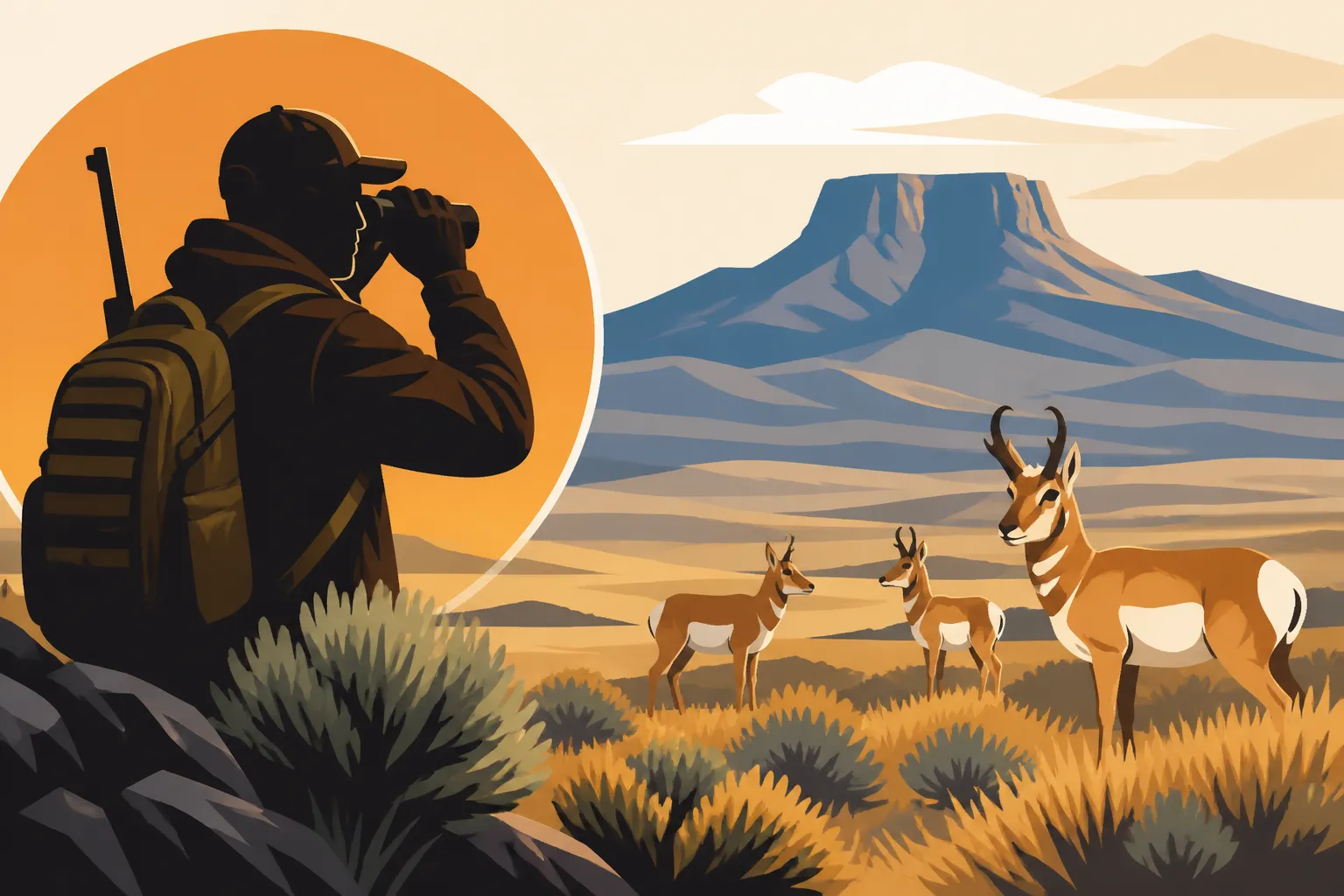
Pronghorn are incredibly well-adapted to their open, high desert environment. Their exceptional eyesight, often compared to that of an 8x binocular, makes spotting them from afar crucial. They also have an uncanny ability to disappear into the rolling sagebrush terrain. The primary strategy for pronghorn on Hart Mountain is spot-and-stalk. This involves extensive glassing from high vantage points, systematically scanning the landscape for movement, distinct white patches, or the tell-tale black horns. Good optics are non-negotiable here; a high-quality spotting scope and binoculars are worth their weight in gold. Once spotted, the challenge shifts to executing a successful stalk. Pronghorn often feed in open areas, making it difficult to approach undetected. Utilizing every ripple in the terrain, every patch of taller sagebrush, and even the subtle shadows can be the difference between a shot opportunity and watching a ghost disappear over the horizon. Patience is paramount, and often, multiple stalks over long distances are required. Remember, these animals can cover ground incredibly fast, so judging distance and their potential escape routes is key. This is where Glassing Sage and Juniper for Eastern Oregon Mule Deer techniques translate well to antelope hunting.
Navigating the Terrain During a Pronghorn Hunt
The terrain on Hart Mountain can be deceptive. What looks like a flat plain on a map can actually be a series of subtle rises and dips that make for strenuous hiking. While there are main roads, much of the effective hunting involves covering ground on foot. This means you need to be physically prepared for long walks, often at elevations that might leave you a bit breathless if you're not used to them. Physical Training for an Oregon Elk Hunt might seem overkill for pronghorn, but the cardiovascular fitness and leg strength gained will certainly pay off. The ground can be rocky, uneven, and punctuated by prickly pear cactus or sharp volcanic rock. Sturdy, broken-in boots are essential. Knowing how to use topographical maps, whether paper or digital like onX Hunt, to identify potential stalks, approach routes, and escape cover is critical. Even after you've successfully taken an animal, the work isn't over. Getting your animal back to a vehicle can be a significant undertaking, often requiring quartering and multiple trips, especially if you're hunting alone. The remoteness also means you need to be self-sufficient; breakdown assistance is not readily available, and cell service is spotty at best.
Beyond Pronghorn: Other Species on Hart Mountain
While pronghorn are undoubtedly the stars of Hart Mountain, the refuge supports a surprising diversity of other wildlife, some of which also offer hunting opportunities. It’s a misconception to think of it as a one-species destination. For those who draw other tags or simply enjoy observing different animals in their natural habitats, Hart Mountain truly delivers. Understanding these other opportunities can enhance your overall experience on the refuge, even if you’re primarily focused on pronghorn.
Mule Deer Opportunities and Challenges
Hart Mountain is also home to a population of Oregon Mule Deer and the Herd Range Decline. While not as plentiful as pronghorn, mule deer can be found, particularly in the more mountainous areas, along rimrock edges, and in areas with juniper and scattered aspen groves. Drawing a mule deer tag for Hart Mountain or adjacent units can be just as challenging as drawing a pronghorn tag, often requiring many preference points. The hunting methods for mule deer differ significantly from pronghorn. Instead of vast, open plains, you'll be focusing on glassing broken country, scanning draws, and still-hunting through cover. The challenges include the sheer size of the area, finding deer in their specific habitats, and dealing with potentially thicker cover than what pronghorn inhabit. Success often comes down to covering a lot of ground, both visually and on foot, and being able to adapt your hunting style to different terrain features. Their numbers can fluctuate based on winter severity and fawn recruitment, making each year a bit different.
Upland Birds and Small Game
For hunters seeking a different challenge, Hart Mountain can offer opportunities for upland birds and small game. Chukar partridge thrive in the rocky, steep terrain of the mountain's slopes and canyons, providing a notoriously challenging and physically demanding hunt. California quail can be found in brushy draws and near water sources. While not typically a primary destination for these species, if you have a pronghorn or mule deer tag and have some extra time, pursuing upland birds can be a fantastic way to experience more of the refuge. Cottontail rabbits are also present and can offer some fast-paced action. Specific regulations for small game and upland bird hunting, including seasons and bag limits, will be outlined in the annual Oregon hunting regulations. Always confirm these regulations, as some areas of the refuge might have special restrictions or closures that apply to small game hunting. It’s a great way to extend your time outdoors, even if your big game tag remains unfilled.
Wildlife Viewing and Non-Hunting Activities
Beyond hunting, Hart Mountain National Antelope Refuge is a paradise for wildlife viewing, photography, and simply enjoying the solitude of the high desert. Many visitors come just to observe the vast herds of pronghorn, the occasional bighorn sheep (though no hunting is permitted for them here), and a wide variety of bird species, including raptors and migratory waterfowl in wetland areas. The refuge also offers opportunities for hiking, primitive camping, and stargazing in an area with virtually no light pollution. These activities provide a deeper appreciation for the refuge's conservation efforts and can offer valuable scouting opportunities for future hunts. Taking a day to simply explore and observe can teach you a tremendous amount about animal behavior and movement patterns, which directly translates to becoming a more effective hunter. Sometimes, simply sitting on a ridge and watching the high desert come alive at dawn or dusk is its own reward.
Planning Your Hunt: Logistics and Preparations
A trip to Hart Mountain is not a spur-of-the-moment decision. Its remote location demands thorough planning and preparation to ensure a safe, successful, and enjoyable experience. Many frustrations in remote hunting stem from underestimating the logistics, and Hart Mountain can quickly expose any gaps in your readiness. From understanding what gear you truly need to navigating without constant cell service, every detail matters.
Essential Gear for High Desert Hunting
The high desert environment of Hart Mountain presents unique challenges for gear. Temperatures can swing wildly, from scorching hot during the day to freezing cold at night, even in shoulder seasons. Layered clothing is crucial, allowing you to adapt to these rapid changes. Think quality base layers, insulating mid-layers, and a windproof/water-resistant outer shell. While rain might be less common than in western Oregon, a sudden desert thunderstorm can be intense, so don't skimp on a good rain jacket. Durable, high-quality hiking boots are non-negotiable for the rough terrain and long distances you'll be covering.
A quality backpack capable of carrying water, food, extra layers, first-aid supplies, and potentially game meat is vital. Speaking of water, carry far more than you think you'll need; hydration is critical in this dry environment. At least a gallon per person per day is a starting point, and often more if you're active. Optics, as mentioned, are paramount: 10x binoculars and a good spotting scope with a sturdy tripod will save your legs and help you locate animals at incredible distances. A reliable rangefinder is also essential for ethical shot placement on pronghorn, which often look closer than they are. Don't forget a sharp knife, game bags, and a way to cool meat quickly once harvested—the drive home can be long, and warm early-season weather can be a factor. Coolers, Ice and the Drive Home From Eastern Oregon are considerations often overlooked until it's too late.
Navigating with Digital Tools and Maps
In a landscape as vast and featureless as parts of Hart Mountain, navigation is not just a convenience; it's a safety imperative. Cell service is virtually non-existent across much of the refuge, making traditional phone maps useless. This is where digital mapping apps like onX Hunt truly shine. Before you leave home, download the offline maps for the entire area you plan to hunt. These maps will show you land ownership boundaries (crucial for distinguishing refuge lands from adjacent BLM or private parcels), roads, trails, water sources, and topographical features, all without needing a cell signal. You can mark waypoints for your vehicle, glassing spots, or areas of interest.
Supplementing your digital maps with a physical map and a compass is always a wise backup. GPS devices are also excellent tools. Knowing how to read a topographic map and interpret contour lines will give you a significant advantage in planning stalks and understanding the terrain ahead. When E-Scouting Oregon Units With Satellite Imagery, be sure to spend extra time looking at the subtle elevation changes and drainages that might offer cover or dictate animal movement. Share your hunt plan with someone back home, including your expected routes and return times, especially given the refuge’s remote nature.
Accommodations and Supplies in a Remote Area
Hart Mountain is truly remote, meaning services are extremely limited. There are no gas stations, grocery stores, or restaurants on the refuge itself. The nearest towns like Plush or Adel are small and offer only basic supplies. This means you need to arrive fully self-sufficient. Fill up your gas tank before you head out, and consider carrying extra fuel in approved containers. Bring all your food, water, and camping supplies.
Camping is primarily dispersed or in primitive campgrounds on the refuge. Don't expect flush toilets or potable water; be prepared for a true backcountry experience. Carry out everything you pack in, including all trash and waste. Consider a portable toilet system to minimize impact. If you prefer more amenities, the nearest full-service towns with motels, larger grocery stores, and gas stations are typically Lakeview or Burns, both a significant drive from the refuge. Planning for a multi-day trip means meticulous packing and a realistic assessment of what you need to sustain yourself comfortably and safely in a harsh, beautiful environment.
Respecting the Resource: Ethical Hunting and Conservation
Hunting on Hart Mountain isn't just about pursuing game; it's about being a steward of an incredible resource. The refuge's existence is a testament to conservation, and every hunter plays a vital role in maintaining its integrity for future generations. Ethical practices and an understanding of your environmental footprint are non-negotiable here. It’s about leaving the place better than you found it, ensuring the wildness endures.
Low-Impact Hunting Practices
The delicate high desert ecosystem is easily scarred and slow to recover. This means adopting low-impact hunting practices is paramount. Stick to designated roads and trails for vehicle travel; going off-road, especially when the ground is wet, can create lasting damage. When scouting or stalking, walk lightly and minimize disturbance to vegetation. Pack out absolutely everything you pack in, including spent shell casings, food wrappers, and any other trash. Human waste should also be managed properly, either by burying it deep away from water sources or packing it out.
When processing game, take care to minimize your impact. The gutless method can be particularly useful in preventing large gut piles that might attract predators to sensitive areas, and it simplifies the packing process. Field Dressing an Elk in Warm Early-Season Weather considerations apply to pronghorn as well; getting the meat cooled quickly is critical, and doing so cleanly prevents attracting flies or scavengers to visible gut piles near roads or trails. By minimizing your footprint, you help preserve the pristine nature of the refuge, ensuring that other visitors and future hunters can enjoy the same wild experience.
Understanding Fire Restrictions and Environmental Concerns
Fire is a constant, serious threat in the arid high desert of Hart Mountain, especially during the dry summer and early fall hunting seasons. Wildfires can devastate habitat, displace wildlife, and pose extreme danger to visitors. Always be acutely aware of current fire danger levels and any restrictions in place. These can range from complete fire bans (no campfires, no charcoal grills) to restrictions on smoking or even driving off paved surfaces due to hot vehicle catalytic converters.
Carry a shovel and a fire extinguisher in your vehicle. Never leave a fire unattended, and ensure it's completely out – cold to the touch – before you leave. Propane stoves are generally safer alternatives to wood fires when restrictions are in place. Beyond fire, environmental concerns include protecting fragile soils from erosion, avoiding disturbance to nesting birds or fawning areas, and respecting seasonal closures designed to protect wintering wildlife. Hart Mountain is a critical winter range for many species, and vehicle closures are often implemented to prevent disturbance when animals are at their most vulnerable. Understanding and adhering to these rules protects the very animals you seek to hunt.
Contributing to Conservation on Hart Mountain
Every hunter has an opportunity to be a conservationist, and on a refuge like Hart Mountain, this role is particularly visible. Beyond simply following the rules, you can contribute by practicing ethical hunting, passing on marginal shots, and ensuring a quick, clean kill. Reporting any poaching or wildlife violations you witness is also a critical contribution to protecting the resource. ODFW and U.S. Fish and Wildlife Service officers work hard to protect these areas, but they can't be everywhere.
Financial contributions, such as purchasing an Oregon hunting license and tags, directly fund wildlife management and habitat restoration efforts, not just on Hart Mountain but across the state. Organizations like the Oregon Hunters Association also advocate for hunting rights and habitat conservation. By being a responsible hunter, you serve as an ambassador for the sport, demonstrating that hunting and conservation go hand-in-hand. This helps ensure that special places like Hart Mountain continue to offer incredible hunting opportunities for generations to come.
Disclaimer
This article is for general informational purposes only and does not constitute professional advice. Laws, prices and regulations vary by location and change over time. Consult a qualified professional for guidance on your specific situation.