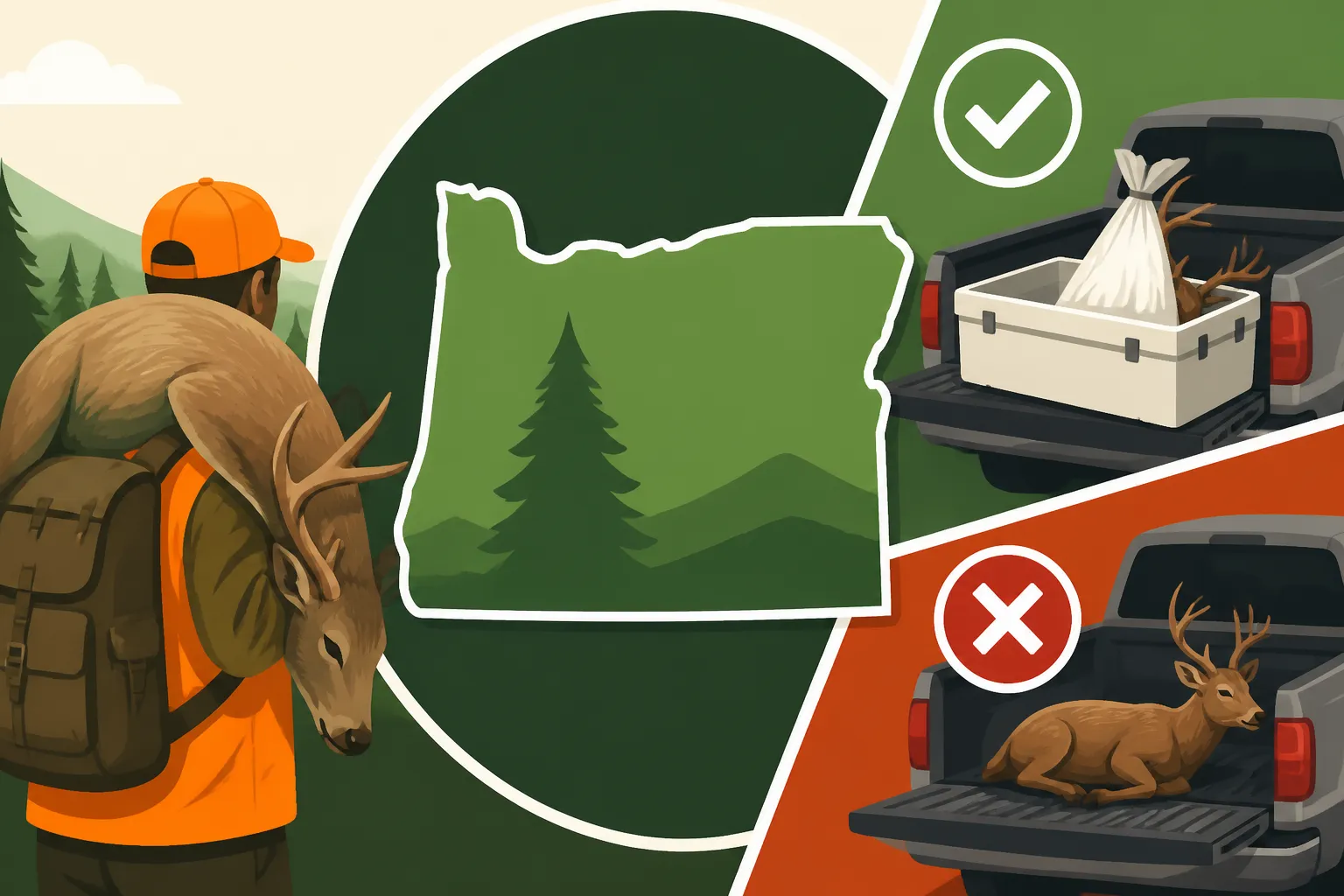
CWD Carcass Transport Rules
It’s easy to feel overwhelmed by the sheer volume of rules and regulations surrounding hunting in Oregon, and nothing seems to add more layers of complexity than discussions around Chronic Wasting Disease (CWD). You're out there, working hard for your harvest, and the last thing you want is to accidentally break a rule simply because the information felt scattered or unclear. This guide is here to untangle the complexities of CWD carcass transport rules, helping you understand why they exist and how to comply with them so you can focus on a successful and responsible hunt.
Understanding CWD and Why Carcass Rules Exist
When you hear about CWD, it's natural to feel a mix of concern and, let's be honest, a little bit of confusion. It's a serious topic, but one that often gets muddied by misinformation or simply a lack of clear, actionable advice. Let’s break down what CWD really is and why these rules, which sometimes feel like an added burden, are actually crucial for protecting Oregon's deer and elk herds.
What Exactly is Chronic Wasting Disease?
Chronic Wasting Disease is a fatal neurological disease affecting cervids, which include deer, elk, moose, and caribou. It's not a bacterial or viral infection in the traditional sense; instead, it's caused by abnormal proteins called prions. These prions accumulate in the brain and other tissues, leading to a host of debilitating symptoms over time. Animals affected by CWD may display symptoms such as extreme weight loss (wasting), stumbling, drooling, a vacant stare, and behavioral changes like a loss of fear of humans. It's a slow-acting disease, and by the time these symptoms are visible, the animal is in its final stages. The scary part? CWD is always fatal, and there is currently no vaccine or cure.
What makes CWD particularly insidious is how it spreads. The prions can be transmitted directly through animal-to-animal contact, but also indirectly through environmental contamination. Infected animals shed prions through saliva, urine, and feces, contaminating the soil, plants, and water sources for years. This persistence in the environment is a major challenge for containment and eradication efforts. Currently, Oregon is one of the few western states where CWD has not been detected in wild cervid populations. This is a huge win, and it’s precisely why the state has implemented strict preventative measures, including carcass transport rules, to keep it out. You can learn more about detection efforts in Chronic Wasting Disease Testing in Oregon.
The Role of Carcass Transport in Disease Spread
Imagine you've successfully harvested a beautiful buck or bull in a state known to have CWD. You're rightfully proud, and you want to bring your meat and trophy home. However, if that animal was infected with CWD, even if it showed no outward symptoms, its carcass can carry those infectious prions. High-risk tissues include the brain, spinal cord, eyes, spleen, and lymph nodes. If these parts are transported unchecked across state lines or even within certain zones, they could inadvertently introduce CWD prions into new environments when discarded.
This isn't about blaming hunters; it's about understanding the biological reality of the disease. A hunter who field dresses an animal in an area with CWD and leaves behind infected gut piles or disposes of skull plates improperly could unknowingly contribute to the spread. These prions can then linger in the soil for years, potentially infecting other cervids that come into contact with the contaminated site. That’s why these rules are designed to prevent the movement of high-risk parts from areas where CWD is present into CWD-free zones. It's a collective effort, and every hunter plays a vital role in safeguarding Oregon's wild game populations.
Oregon's Specific CWD Carcass Transport Regulations
Oregon's approach to CWD is primarily preventative, focusing on keeping the disease out of the state. This means there are very specific rules for hunters who harvest deer or elk outside of Oregon and wish to bring those animals back. Understanding these nuances is critical to avoid fines, confiscation, and, most importantly, the risk of introducing CWD.
The "Clean Carcass" Rule for Importing Game
This is probably the most critical rule for any Oregon hunter who travels out of state for a deer or elk hunt. If you harvest a cervid in any state, province, or country that has CWD, you cannot simply bring the whole animal back to Oregon. The rule is often referred to as the "clean carcass" rule, and it means that only specific, low-risk parts of the animal are permitted for import.
Here’s what you can legally bring into Oregon from a CWD-affected area:
- De-boned meat: All meat must be removed from the bone.
- Completely caped hides: The hide must have no head or spinal column material attached.
- Clean skull plates or antlers: These must be completely free of brain and nervous tissue. This usually means boiling or meticulously scraping off all tissue.
- Teeth: Individual teeth or teeth attached to a cleaned skull plate are fine.
- Finished taxidermy products: Mounts that have been fully processed and cleaned are generally acceptable.
What you cannot bring into Oregon from a CWD-affected area includes:
- Whole carcasses: No whole deer, elk, or moose.
- Heads: Unless the skull plate has been completely cleaned of all brain and nervous tissue.
- Spinal columns: The backbone is considered high-risk.
- Other high-risk parts: This includes the brain, eyes, spleen, tonsils, and lymph nodes.
The goal here is to remove all tissues where CWD prions are most concentrated before they cross the Oregon border. It’s a measure designed to create a physical barrier against the disease. Many hunters use services in the state where they hunt to process their animals down to these clean forms. You can find detailed regulations on the Oregon Department of Fish and Wildlife (ODFW) website, and resources like GoHunt can often provide state-by-state breakdowns of CWD zones and regulations, helping you plan ahead.
Transporting Harvested Game Within Oregon
Since CWD has not been detected in Oregon, the rules for transporting carcasses within the state are generally less restrictive than those for importing from other states. For now, you can transport a whole carcass of a deer or elk harvested within Oregon from your hunting unit back to your home, a processor, or taxidermist without having to de-bone it first.
However, this doesn't mean you should be careless. Responsible handling of your harvest is always paramount, regardless of CWD status. Best practices suggest minimizing the amount of animal waste you leave in the field, especially gut piles, as a general principle of ethical hunting and to avoid attracting scavengers in inappropriate areas. Should CWD ever be detected in a specific area within Oregon, you can expect these rules to change rapidly and become much stricter, potentially mirroring the "clean carcass" rules for intra-state transport within designated CWD management zones.
It's also crucial to remember that general sanitation and proper game care are always important. Even without CWD, mishandling a carcass can lead to meat spoilage or attract unwanted wildlife. Always follow guidelines for Field Dressing an Elk in Warm Early-Season Weather and proper cooling to ensure your hard-earned meat is safe and delicious.
| Carcass Part Category | Allowed for Import into Oregon (from CWD-positive area) | Restrictions for Transport Within Oregon (currently CWD-free) |
|---|---|---|
| Whole Carcass | No | Yes (full animal can be transported) |
| De-boned Meat | Yes | Yes (always allowed) |
| Clean Skull Plate | Yes (free of brain/nervous tissue) | Yes (full head can be transported) |
| Antlers | Yes (attached to clean skull plate or separate) | Yes (always allowed) |
| Hides | Yes (completely caped, no head/spinal column) | Yes (always allowed) |
| Spinal Column | No | Yes (as part of whole carcass) |
| Brain / Eyes | No | Yes (as part of whole carcass) |
| Spleen / Lymph Nodes | No | Yes (as part of whole carcass) |
| Finished Taxidermy | Yes | Yes (always allowed) |
Practical Steps for Hunters: Processing Your Harvest to Comply
Navigating CWD regulations doesn't have to be a headache. With a bit of planning and understanding, you can ensure you're always in compliance, whether you're hunting in Oregon or elsewhere. The key is in how you process your animal, especially if you're coming from a CWD-affected state.
Field Dressing and Quartering for Transport
If you're hunting out-of-state in a CWD-positive area, your field dressing and quartering process will look a little different than if you were hunting exclusively in Oregon. The moment of truth arrives, and after you've made your shot count, the clock starts ticking not just for meat care, but for CWD compliance. You'll need to remove all high-risk materials in the field or at a designated processing station within that state.
This means more than just gutting the animal. You'll want to bone out the meat completely. This involves meticulously separating the muscle tissue from the bone, removing as much connective tissue as possible. The goal is to leave all bone, brain, spinal cord, and other specified high-risk tissues behind in the state where the animal was harvested. This is often where skills in the Gutless Method on a Bull Elk or careful Quartering and Packing an Elk Alone become invaluable. These methods allow you to remove the desired meat while leaving the heavier, high-risk bone structure and organs behind. Make sure any discarded material is left in a manner consistent with local regulations, often deep in the woods where scavengers can clean it up, or in designated disposal sites.
Acceptable Forms of Carcass Transport
Once your animal is de-boned, you're looking at transporting essentially meat, antlers, and a cleaned skull plate (if you're keeping it for a mount). The de-boned meat should be packed safely and kept cool, ideally in coolers with ice. For antlers, if they are detached from the skull, they can be transported easily. If you want to bring the skull plate with antlers attached, you must ensure it is completely free of brain and nervous tissue. Many hunters will boil or pressure wash the skull cap to achieve this level of cleanliness.
Think about how you'll manage your coolers and ice on the drive home, especially after a successful hunt that might be several hours away. Coolers, Ice and the Drive Home From Eastern Oregon are crucial considerations. For hides, they should be caped clean, meaning no part of the skull or spine is attached. If you're using a taxidermist out of state, they should be familiar with the "clean carcass" rules for transporting finished products or prepared hides/skulls across state lines. Always double-check the specific regulations for the state you're leaving and for Oregon to ensure full compliance.
Disposal of High-Risk Parts
The proper disposal of high-risk parts is just as important as how you transport the meat. If you harvest an animal in a CWD-positive state, any parts not allowed for transport back into Oregon (like the brain, spinal cord, spleen, etc.) must be disposed of correctly within that state. This usually means leaving them at the harvest site, often deep in the woods away from roads or human activity, or utilizing designated waste disposal sites if provided by the local wildlife agency.
Never dispose of these parts in ordinary trash where they could end up in a landfill accessible to wildlife, or worse, roadside ditches. The goal is to prevent the spread of prions to new areas. If you are ever hunting in Oregon and encounter an animal that appears sick or is exhibiting symptoms of CWD, it's vital to know how to respond. You should immediately contact ODFW to Report a Sick Animal to ODFW. Your vigilance could be key to keeping CWD out of our state's herds. This is part of being a responsible steward of our wildlife resources and helps support ongoing Oregon Wildlife Disease Surveillance efforts.
Planning Your Hunt Around CWD Rules
Preparation is always key to a successful hunt, and that preparation increasingly includes understanding and planning for CWD rules, even when hunting in a CWD-free state like Oregon. Thinking ahead can save you a lot of grief and ensure your hunting experience is as enjoyable and compliant as possible.
Utilizing Digital Tools and Resources like GoHunt
In today’s age, digital tools are indispensable for hunters. Websites and apps can provide a wealth of information at your fingertips, helping you navigate complex regulations, including those related to CWD. Platforms like GoHunt, for instance, often offer state-specific regulatory guides and maps that can highlight CWD-affected areas. Before you even set foot in the field, use these resources to:
- Check CWD Status: Verify the CWD status of your chosen hunting unit, both within Oregon and, critically, in any other state you plan to hunt.
- Locate Processors: If hunting out-of-state, identify reputable meat processors or taxidermists in the area who are familiar with CWD carcass regulations for your home state (Oregon, in this case). This pre-planning ensures you have a place to get your animal "clean" before heading home.
- Review Regulations: Use these platforms to quickly access and review the latest ODFW regulations, as well as those of other states. This is especially helpful as regulations can change.
These tools, in conjunction with official ODFW resources, empower you to make informed decisions. Knowing the rules before you go means less stress and more confidence during your hunt. You can also use mapping tools to scout areas or plan access points, as described in Using the Oregon Hunting Map Online, which might implicitly help you find good field dressing spots away from main roads if that becomes necessary.
Working with Local Processors
For hunters traveling to CWD-positive areas, establishing contact with a local meat processor or taxidermist in that state before your hunt is incredibly beneficial. They are on the front lines of CWD management and will be well-versed in the specific local regulations, as well as the import rules of other states, like Oregon.
When contacting them, ask:
- About their CWD protocols: Do they offer specific services for hunters needing to comply with clean carcass rules?
- Turnaround times: How long does it typically take to process an animal? This is important for planning your return trip to Oregon.
- Disposal methods: How do they handle the disposal of high-risk parts? This ensures proper management within the CWD-positive state.
- Costs: Get a clear understanding of pricing for processing, caping, and any special CWD-related services.
Having a processor lined up can significantly reduce stress and ensure your harvest is handled legally and safely. For those hunting within Oregon, finding a processor, especially during peak season, also requires foresight. You can read more about Finding a Processor During Peak Season to ensure your game meat is handled promptly. Alternatively, if you're keen on handling the process yourself, understanding Butchering Your Own Deer at Home can give you complete control.
Remaining Vigilant and Reporting Suspicious Activity
Even though Oregon is currently CWD-free, every hunter has a responsibility to remain vigilant. CWD spreads slowly, and early detection is crucial for containment. As you spend time in the field, keep an eye out for animals that appear sick or are acting unusually.
What to look for:
- Emaciation: Animals that are extremely thin or "wasting away."
- Behavioral changes: Stumbling, poor coordination, abnormal head posture, excessive drooling, or a lack of fear of humans.
- Neurological symptoms: Repeated yawning, difficulty swallowing.
If you observe an animal with these symptoms, do NOT harvest it. Instead, document its location and specific behaviors as accurately as possible. Then, immediately contact ODFW. They have protocols in place for investigating suspected CWD cases and will collect samples for testing. Your prompt report could be instrumental in protecting Oregon's deer and elk herds from this devastating disease. Remember, prevention is our strongest defense, and every hunter is a vital part of that defense.
Disclaimer
This article is for general informational purposes only and does not constitute professional advice. Laws, prices and regulations vary by location and change over time. Consult a qualified professional for guidance on your specific situation.