Why Oregon Cougar Hunters Cannot Use Hounds
Oregon cougar hunting regulations and Measure 18 explain why hunters cannot use hounds to pursue black bears and big cats.
Close the distance.
Archery, muzzleloader, and firearm techniques — calling, stand placement, still-hunting, spot-and-stalk, and the weapon rules that change at the state line.
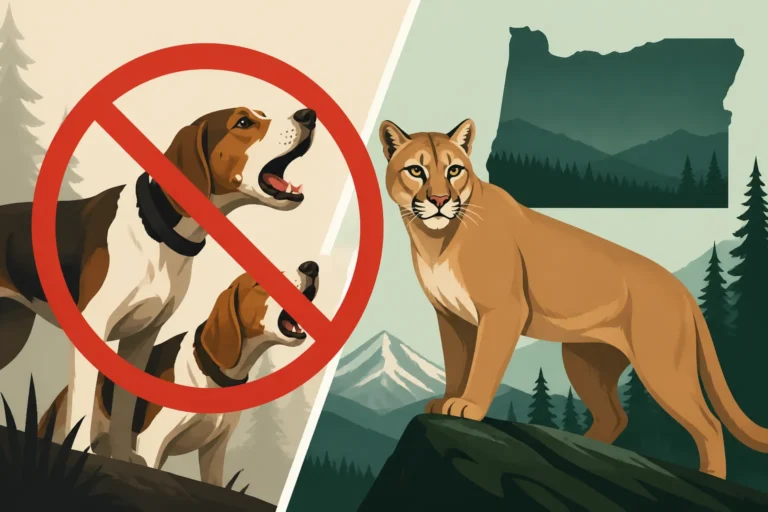
Oregon cougar hunting regulations and Measure 18 explain why hunters cannot use hounds to pursue black bears and big cats.
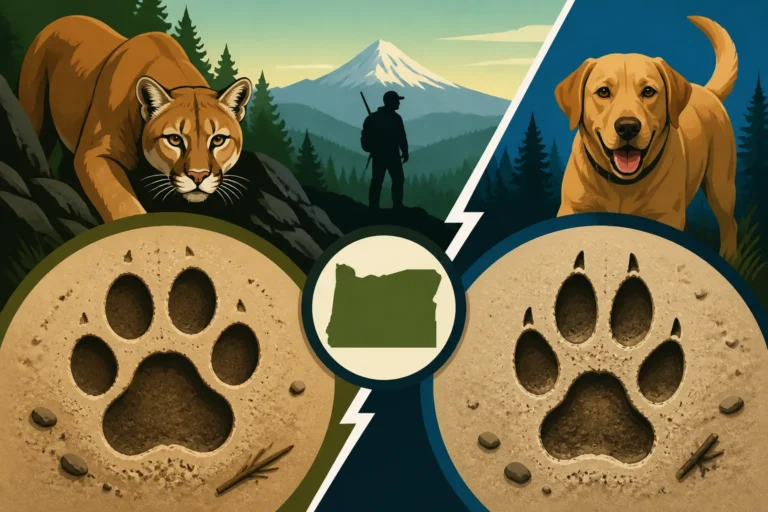
Cougar tracks and domestic dog tracks differ in teardrop toe pads, missing claw marks, three lobed heel pads, and overall size.
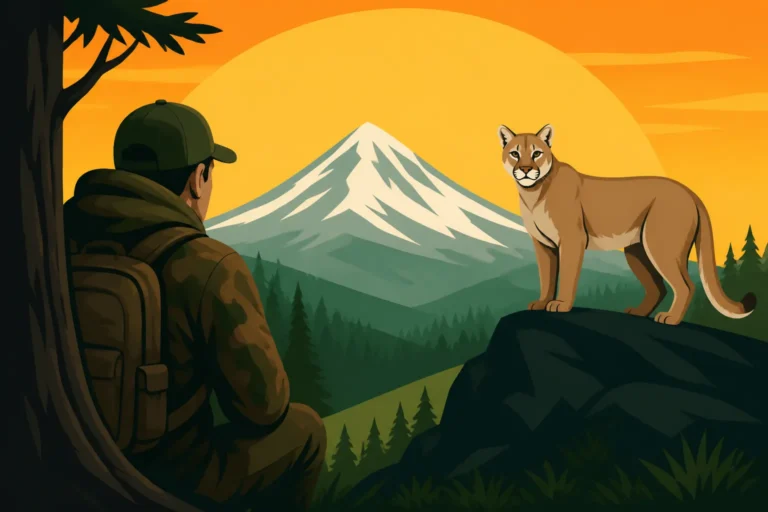
Oregon cougar hunting duration details explain how long to sit on a calling set before packing up to bring a cautious cat into range.
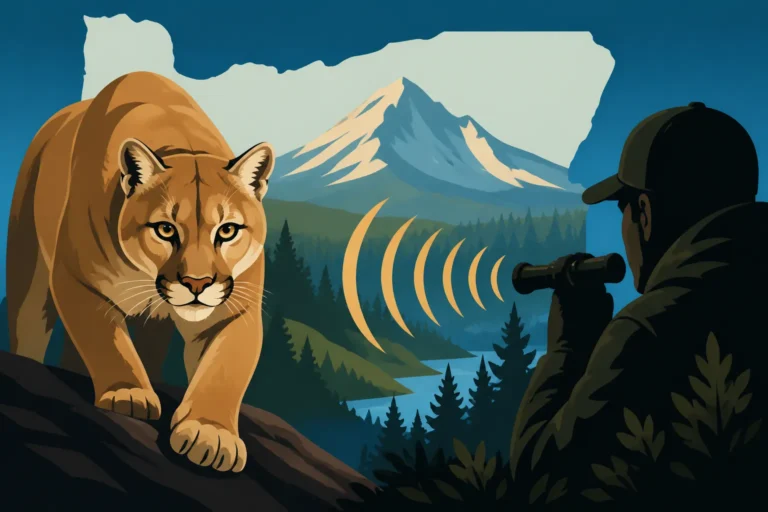
Oregon cougar calling sounds mimic distressed deer, rabbits, and elk calves to draw elusive predators into shooting range.
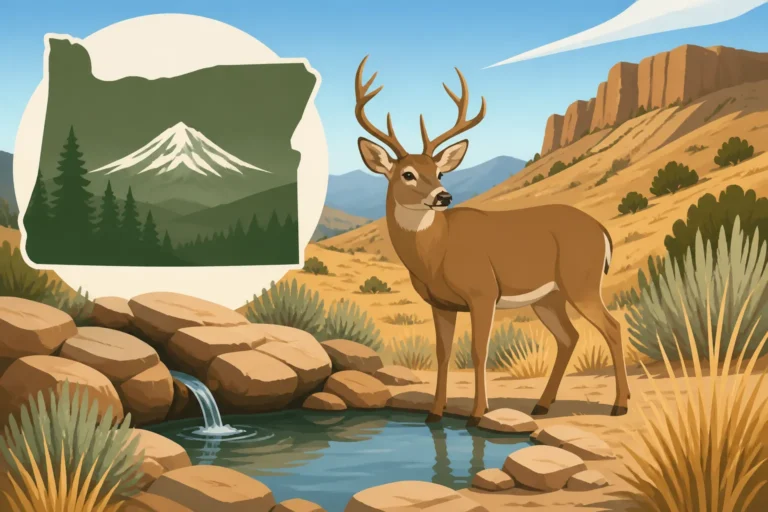
Oregon mule deer water sources and seeps dictate survival, bedding areas, and predictable movement patterns in arid desert country.
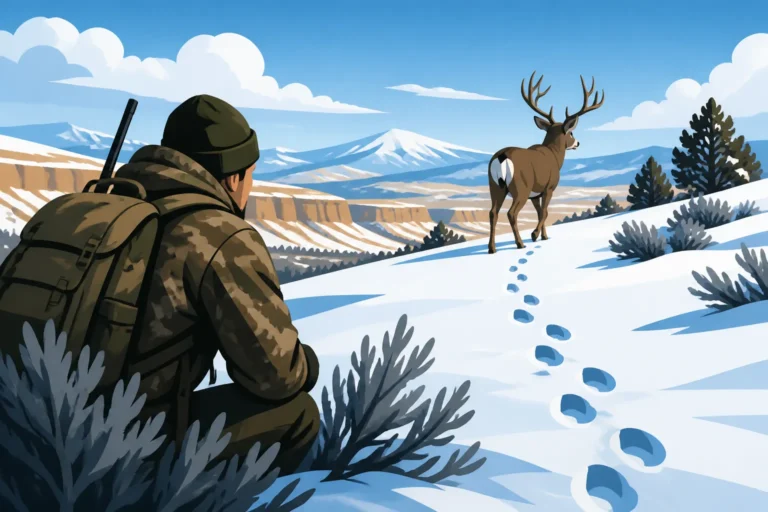
Tracking fresh Eastern Oregon snow reveals how to identify mature buck tracks, judge track age, and find dew claw impressions.
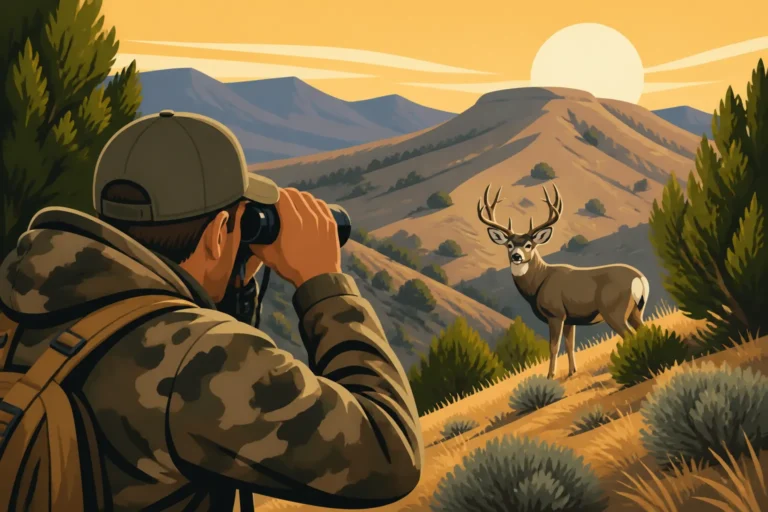
Eastern Oregon juniper draws provide mule deer with thermal cover and food, while hunters learn strategies to find bucks.
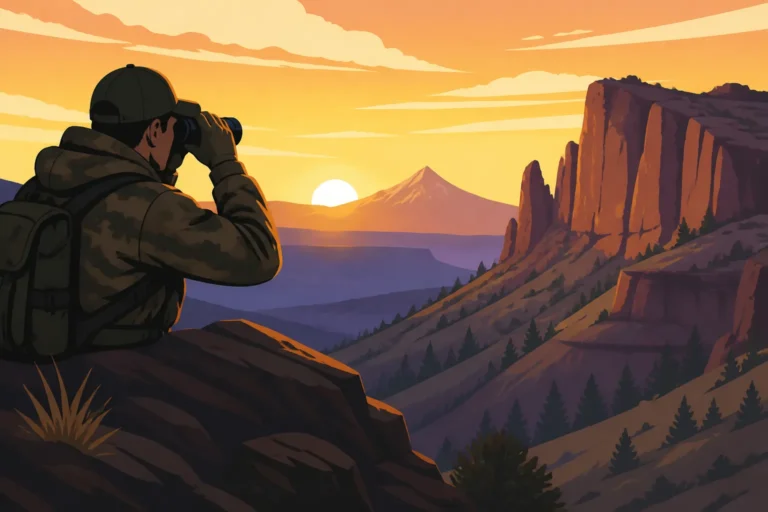
Effective glassing techniques in Eastern Oregon rimrock help hunters consistently spot active mule deer, elk, and pronghorn at dawn.
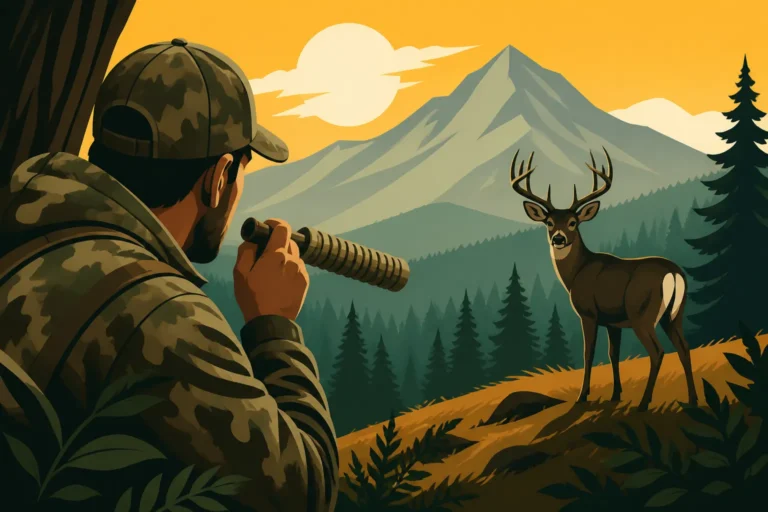
Rattling antlers during the Western Oregon rut triggers territorial instincts in blacktail bucks to bring them into range.

Western Oregon blacktail rut timing relies on photoperiod triggers, temperature shifts, moon phases, and doe estrus cycles.