Pronghorn Fawn Survival in Dry Years
Dry years reduce forage and water in Oregon deserts, causing nutritional stress and lower survival rates for pronghorn fawns.
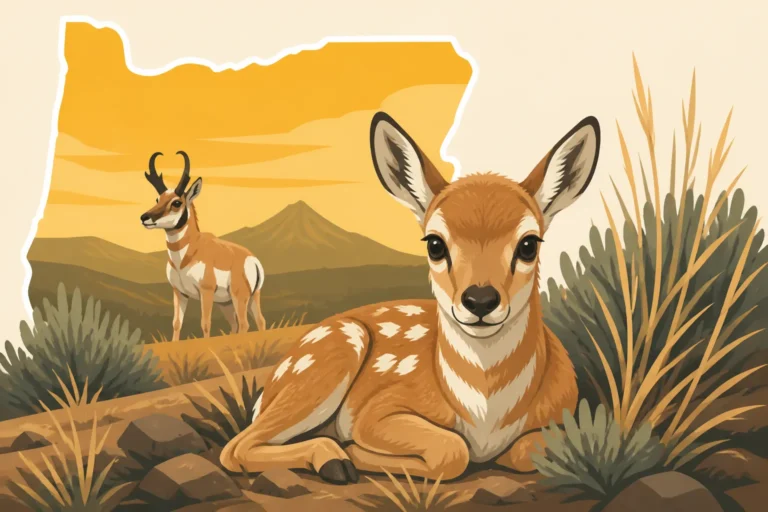
Dry years reduce forage and water in Oregon deserts, causing nutritional stress and lower survival rates for pronghorn fawns.
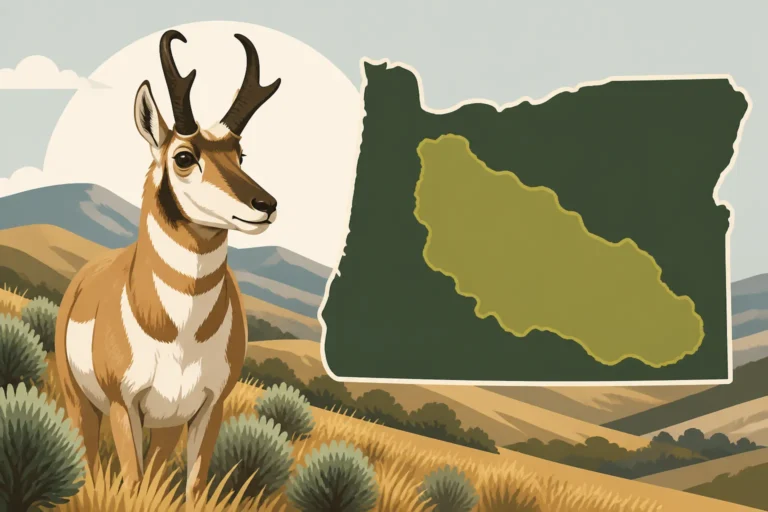
Oregon pronghorn herds live in the high desert, primarily inhabiting sagebrush and juniper country in the southeastern quadrant.
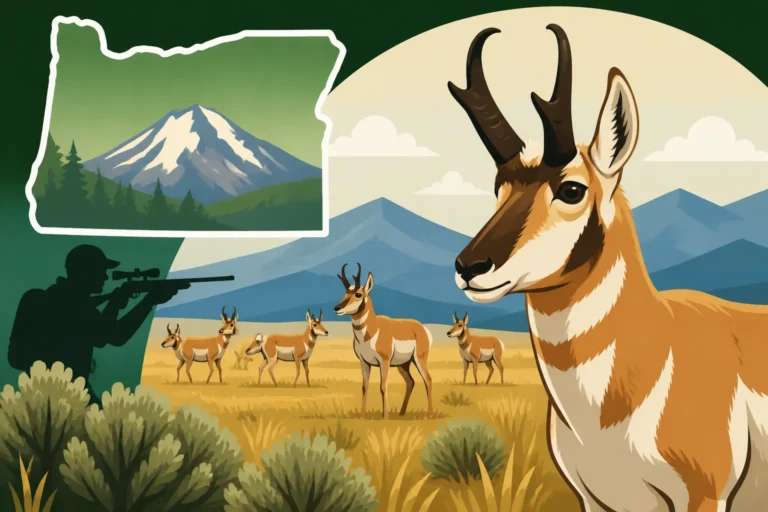
Oregon pronghorn herd sizes, high desert habitat characteristics, counting challenges, and population health factors are explained.
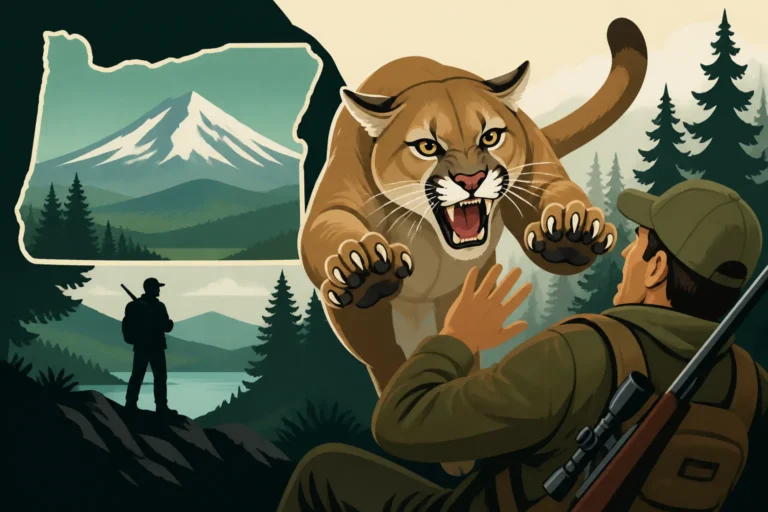
Oregon cougar attacks are extremely rare, but understanding mountain lion behavior and prey instincts helps prevent incidents.
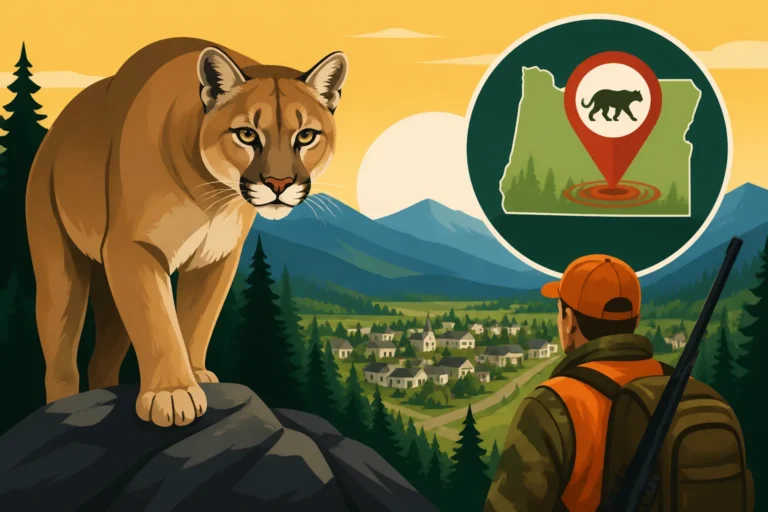
Cougar sightings near Oregon towns explained through habitat encroachment, suburban prey availability, and young dispersing cats.
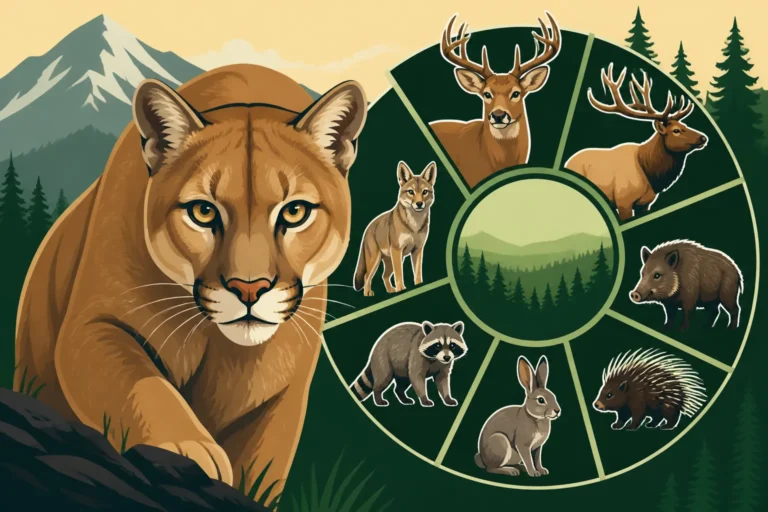
Oregon cougars primarily kill deer and elk throughout the year, impacting state ecosystems and local hunting strategies.
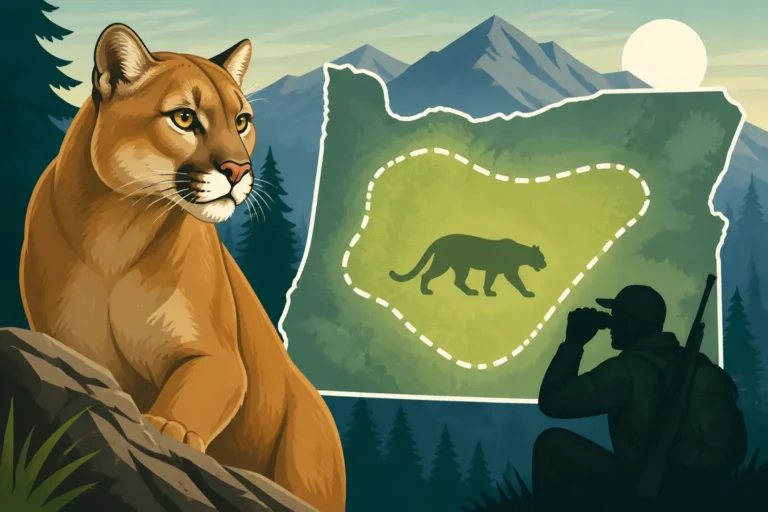
Cougar home range size in Oregon varies by sex and food availability, directly shaping effective hunting strategies and tracking methods.
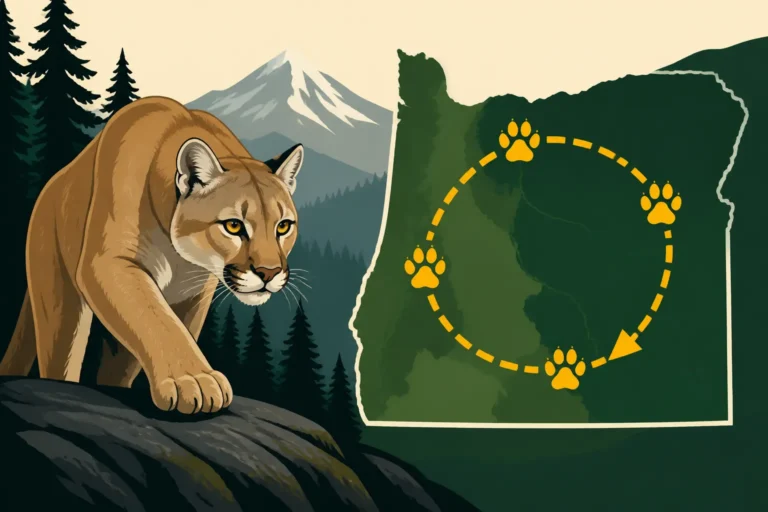
Oregon cougar weekly movements and expansive home ranges help hunters track elusive predators across varied state wilderness landscapes.
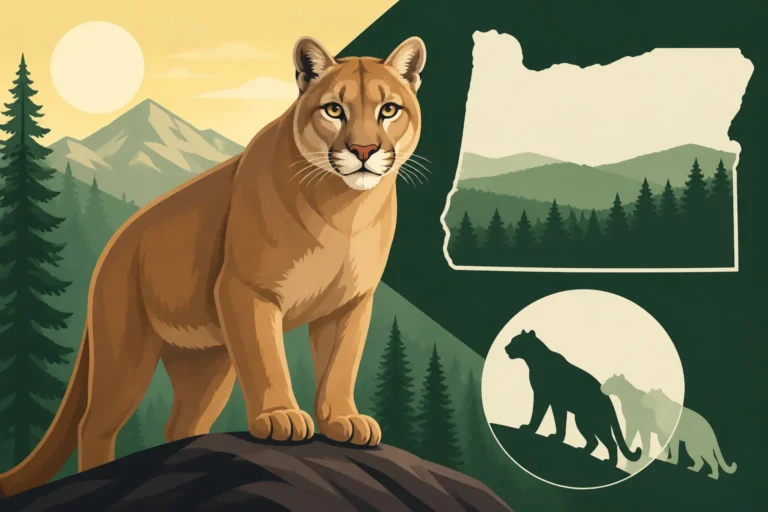
Oregon cougar population estimation methods include DNA scat analysis, track surveys, and trail camera studies by biologists.
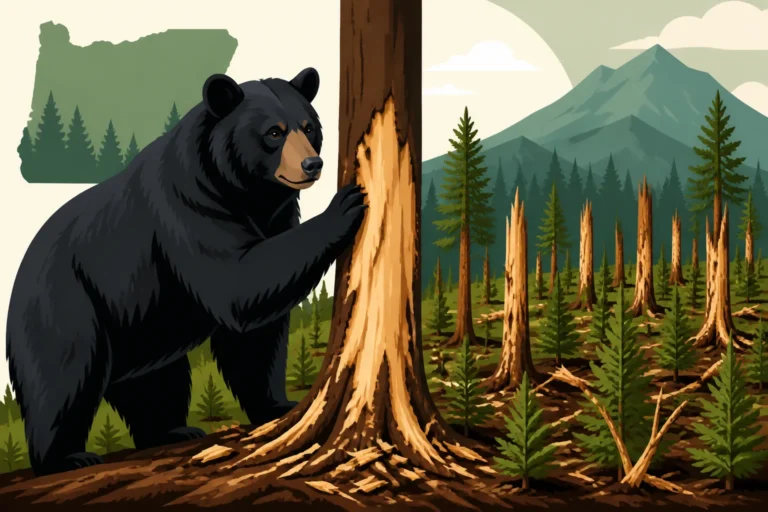
Black bear bark stripping in Oregon timber plantations scars young Douglas firs and causes economic losses for landowners.