Oregon Pronghorn Herd Size
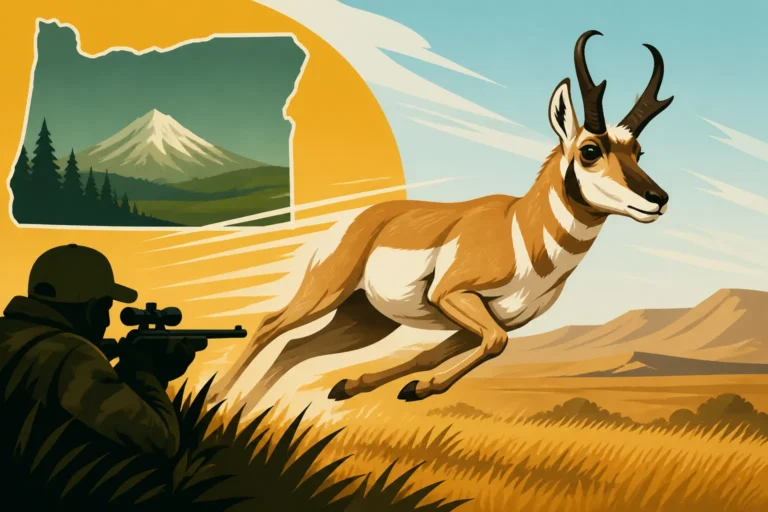
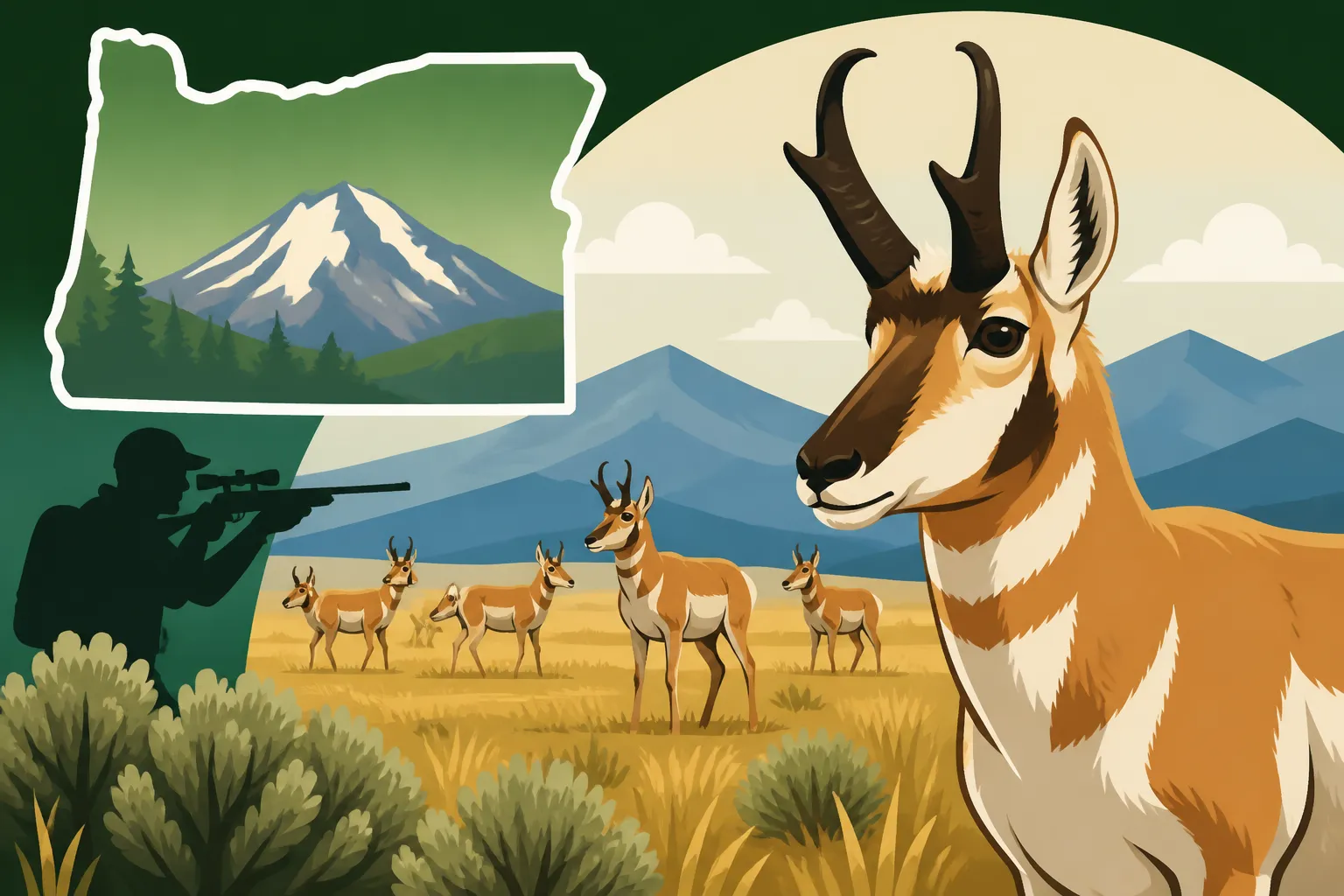
Oh, the pronghorn! There’s something truly mesmerizing about these incredible animals, isn’t there? Often mistaken for antelope (hence the common nickname "antelope"), they are actually their own unique species, a true marvel of speed and adaptation in the vast, open landscapes of Eastern Oregon. Many hunters I talk to are constantly wondering, "Just how many of these incredible creatures are out there, really?" It’s a valid question, especially when you're dreaming of drawing that coveted tag. This guide is going to take a deep dive into what we understand about Oregon's pronghorn herd sizes, the challenges of counting them, and all the intricate factors that play a role in their population health and distribution across our high desert country.
Understanding Oregon's Pronghorn Herds and Their High Desert Home
When we talk about pronghorn in Oregon, we're talking about the high desert. Think vast sagebrush flats, juniper-studded hills, and expansive, uninterrupted vistas where you can see for miles. This isn't the dense, wet timber of the Coast Range, nor the mixed conifer forests of the Cascades. This is a land of extremes, and pronghorn are perfectly evolved for it. Their incredible speed, often cited as the fastest land animal in North America, isn't just for show; it's a survival mechanism in a world with few places to hide. Their phenomenal eyesight, often compared to that of a hawk, allows them to spot danger (or opportunity) from incredible distances.
These adaptations mean pronghorn thrive where other big game might struggle. They're built for open spaces, often preferring to run around fences rather than jump over them, a testament to their evolutionary history on open plains. This specialized habitat also means their distribution in Oregon is quite specific, primarily concentrated in the southeastern and central high desert regions. Understanding their chosen home is the first step to understanding their numbers. They’re not everywhere; they’re where the land truly opens up.
The unique characteristics of their habitat, however, present significant challenges when it comes to accurately assessing herd size. Imagine trying to count small, fast-moving, tan-colored animals across hundreds of square miles of similarly colored sagebrush. It’s not like counting elk in a wintering pasture or deer in a clearcut. The sheer scale and uniformity of their preferred terrain make precise enumeration a consistent puzzle for wildlife managers.
Factors Influencing Oregon's Pronghorn Population Numbers
Like all wildlife populations, Oregon's pronghorn aren't static; their numbers ebb and flow, influenced by a complex interplay of environmental factors. For those of us who spend time in the high desert, these fluctuations are often keenly felt, especially when draw odds seem to shift from one year to the next.
Habitat Health and Fragmentation
The foundation of any healthy wildlife population is its habitat, and for pronghorn, that means robust sagebrush ecosystems. Unfortunately, these vital landscapes face constant pressure. Agricultural expansion, wildfires, energy development, and even the march of suburban growth on the fringes of our desert towns can fragment once-contiguous habitats. When critical winter ranges are broken up, or migratory corridors are blocked, it directly impacts the ability of pronghorn herds to thrive. Think about it: if a herd can't access prime forage or escape extreme weather because of a new development or an expanse of monoculture crops, their survival rates will naturally decline. Healthy sagebrush also supports the insects and forbs that fawns rely on in their early weeks.
The Critical Role of Water and Climate Patterns
Eastern Oregon is often dry, and pronghorn, while efficient at extracting moisture from their forage, still need accessible water sources. Prolonged droughts can significantly impact herd health, reducing the quality and quantity of forage, concentrating animals around fewer water holes, and making them more susceptible to disease or predation. We often hear about how factors like "Oregon Pronghorn Fawn Survival in Dry Years" can make or break a season's recruitment. A tough, dry spring means less lush vegetation for nursing does and less cover for vulnerable fawns, leading to higher mortality rates. Conversely, a few years of good precipitation can see populations rebound remarkably quickly, provided other factors are in their favor.
Predation and Fawn Recruitment
While adult pronghorn are incredibly fast, their fawns are vulnerable. Coyotes, bobcats, and even golden eagles can take a toll on newborn fawns. A successful pronghorn population relies heavily on "fawn recruitment"—the number of fawns that survive to adulthood and contribute to the breeding population. When fawn survival is low due to poor habitat, drought, or increased predator pressure, the overall herd size will naturally suffer over time. It's a delicate balance; predators are a natural part of the ecosystem, but when environmental stressors push fawn survival too low, managers need to take note.
Disease and Other Natural Events
While less frequently a major factor for pronghorn compared to, say, bighorn sheep (which can be devastated by pneumonia), diseases can occasionally impact pronghorn herds. Unforeseen events like severe winter storms, especially if they hit after a period of drought, can also lead to significant die-offs, as animals are stressed, weaker, and struggle to find food under deep snow. Understanding these varied pressures is key to appreciating the resilience of pronghorn and the complexity of managing their populations.
How Oregon Estimates Pronghorn Herd Size and What It Means for Hunters
So, how do wildlife agencies actually figure out how many pronghorn are out there? It’s not an exact science, but it's a dedicated effort using various methods designed to provide the most accurate estimates possible. These estimates are crucial, as they directly influence the number of tags available for hunters each year, affecting your "Oregon Pronghorn Application Odds."
Aerial Surveys: The Eye in the Sky
One of the primary tools for estimating pronghorn populations is aerial surveys. Biologists fly fixed-wing aircraft or helicopters over known pronghorn habitat, systematically counting animals. These surveys are typically conducted during specific times of the year, often when animals are more concentrated or visible against the snow. However, even with modern technology, these surveys have their challenges. Weather can impede visibility, pronghorn might be scattered in dense patches of sagebrush, or they might simply be in areas not covered by the flight path. The sheer vastness of the "Oregon High Desert Hunting Country" makes comprehensive coverage incredibly difficult and expensive. The numbers gathered from these flights are then extrapolated across the entire unit or herd range to create a population estimate.
Ground Counts and Other Observation Methods
Less frequently, or in conjunction with aerial efforts, ground counts might be conducted, though these are even more challenging given the pronghorn's elusive nature and the expansive terrain. Biologists might also use spotlight surveys at night in certain areas, or simply rely on observation data gathered during other field activities. The goal is always to get a statistically sound sample that can represent the larger population.
Population Objectives and Tag Allocation
Oregon's wildlife agencies establish "population objectives" for pronghorn herds within specific units or herd ranges. These objectives are target numbers that reflect a healthy, sustainable population given the available habitat. When survey data indicates the population is at or above these objectives, more tags might be issued. If numbers are low, tag allocations will typically be reduced to allow the herd to recover. This direct link means that the health of the herd directly dictates hunting opportunities. This process involves careful analysis, often relying on detailed data that platforms like GoHunt compile to help hunters understand the landscape of tag availability and success rates.
Hunter Success and Conservation
The ultimate goal of these efforts is not just to count animals, but to ensure the long-term health of the species and provide sustainable hunting opportunities. Hunter success rates, in a way, also feed back into these estimates. If a high number of hunters are filling their tags, it can suggest a robust population, or perhaps simply that animals are concentrated due to environmental factors like dry conditions near water. Conversely, low success rates might indicate a struggling population or challenging hunting conditions. It’s a constant balancing act between conservation, recreational opportunity, and the realities of a wild, ever-changing environment.
Hunting Opportunities and Management of Oregon Pronghorn
For many, the idea of pursuing a pronghorn across the sagebrush flats of Eastern Oregon is a true bucket-list hunt. Unlike deer or elk, which have general season opportunities in some units, pronghorn hunting in Oregon is exclusively managed through controlled hunts. This means drawing a tag is the only way to participate, making every application a hopeful venture.
The Controlled Hunt System
To hunt pronghorn in Oregon, you must apply for a controlled hunt tag. This system is in place precisely because pronghorn populations, while healthy in many areas, are not as widespread or numerous as deer or elk, and their specific habitat makes them more sensitive to harvest pressure. The number of tags offered each year is carefully determined based on the latest herd population estimates, fawn recruitment, and population objectives for each specific unit. You'll want to pay close attention to the "Oregon Controlled Hunt Draw Explained" before you apply.
Navigating the Application Process
Applying for an Oregon pronghorn tag can feel a bit like a lottery, especially for the most popular units. You'll need to submit your application by the May 15 deadline, selecting your first, second, and third choices from the available units. Building up preference points is crucial for eventually drawing a tag in a sought-after unit, as the system favors those with more points for 75% of the tags. It's a long game for many hunters, but the reward of hunting these magnificent animals in their native range is well worth the wait. Online resources, including insights often provided by GoHunt, can be invaluable for researching unit statistics and understanding point creep to maximize your odds.
Conservation and the Hunter's Role
The management of Oregon's pronghorn herds is a prime example of conservation in action, with hunters playing a vital role. The fees from hunting licenses and tags directly fund the wildlife management activities that benefit pronghorn, from habitat improvement projects to population monitoring. Hunters are often the first to notice changes in wildlife populations or habitat conditions, and their reports can be invaluable to wildlife biologists.
Looking ahead, the future of Oregon's pronghorn herds depends on continued conservation efforts focused on habitat preservation and restoration. Efforts to maintain healthy sagebrush ecosystems, protect crucial water sources, and mitigate habitat fragmentation are all paramount. By being informed, applying wisely, and practicing ethical hunting, we can all contribute to the thriving presence of pronghorn in Oregon's high desert for generations to come. When you do draw that tag, remember the incredible journey that meat takes, and consider how to properly handle your "Pronghorn Meat and How to Handle It" to ensure the best table fare. Remember, good scouting, perhaps by using methods like "E-Scouting Oregon Units With Satellite Imagery," can make all the difference in locating these fast-moving creatures.
| Factor | Impact on Pronghorn Herd Size | Hunter Relevance |
|---|---|---|
| Habitat Quality | Direct correlation with forage availability, cover, and overall health. Fragmented or degraded habitat reduces carrying capacity. | Good habitat means healthier animals, better fawn recruitment, and potentially more tags. |
| Water Availability | Crucial for survival, especially in arid regions. Droughts reduce forage and concentrate animals, increasing stress. | Locate "Water Sources That Hold Deer in Dry Country" – these will be key for pronghorn too. |
| Fawn Survival | Directly impacts population growth and replacement. Low survival due to predators or poor conditions can quickly reduce numbers. | Lower fawn recruitment often leads to fewer tags in future seasons. |
| Predation | Natural part of the ecosystem, but can become a significant limiting factor if fawn survival is already low. | Part of the natural challenge, but generally balanced by other factors. |
| Winter Severity | Extreme cold and deep snow can lead to increased mortality, especially after a dry summer. | Harsh winters can reduce herd size, impacting future tag availability. |
| Disease | While less common for pronghorn, outbreaks can reduce numbers. | Biologists monitor disease to prevent widespread impacts; rarely affects tags directly unless severe. |
Disclaimer
This article is for general informational purposes only and does not constitute professional advice. Laws, prices and regulations vary by location and change over time. Consult a qualified professional for guidance on your specific situation.