Oregon Mountain Goat Herds and Growth
For many of us who dream of hunting Oregon's high country, the elusive mountain goat stands as a pinnacle, a true symbol of wilderness achievement. The sheer difficulty of even drawing a tag, let alone the physical demands of the hunt itself, can feel overwhelming. This comprehensive guide will pull back the curtain on Oregon's mountain goat herds, exploring their history, current populations, and what it truly takes to pursue these magnificent animals in our state's most rugged landscapes.
Understanding Oregon's Mountain Goat Population
Oregon's mountain goat population is a story of determination and careful management, a testament to the state's commitment to conserving its unique wildlife. Unlike some other big game species, mountain goats aren't native to all of Oregon, and their presence today is largely due to dedicated reintroduction programs. Understanding this history is key to appreciating their current status and the challenges they still face.
The Historical Absence and Reintroduction Efforts
It might surprise some to learn that mountain goats weren't always a feature of Oregon's high alpine regions. While populations existed in neighboring states like Washington and Idaho, historical records indicate that true mountain goats were absent from Oregon for a significant period. The rugged, steep terrain of places like the Wallowa Mountains certainly looked like prime goat country, but for reasons still debated by biologists, they hadn't established a foothold.
That changed in the early 1950s when the Oregon Department of Fish and Wildlife (ODFW), in cooperation with the Washington Department of Game, initiated a reintroduction program. The first translocations involved bringing mountain goats from Washington into the Wallowa Mountains. This was no small feat; capturing and transporting wild animals to new, wild environments requires immense planning, resources, and a good dose of hope. The initial releases were small, often just a handful of animals, placed in carefully selected areas with suitable habitat and minimal human disturbance. The hope was that these small founding populations would take root and begin to expand naturally.
These early efforts laid the groundwork for the herds we see today. The first few decades were slow, with biologists meticulously tracking what few animals they could, monitoring signs of reproduction, and assessing survival rates. It was a long game, played out over generations of goats, where every successfully raised kid was a victory. This painstaking process is why drawing a tag for these animals remains such a rare and coveted opportunity; we're essentially participating in a success story still unfolding.
Current Herd Locations and Numbers
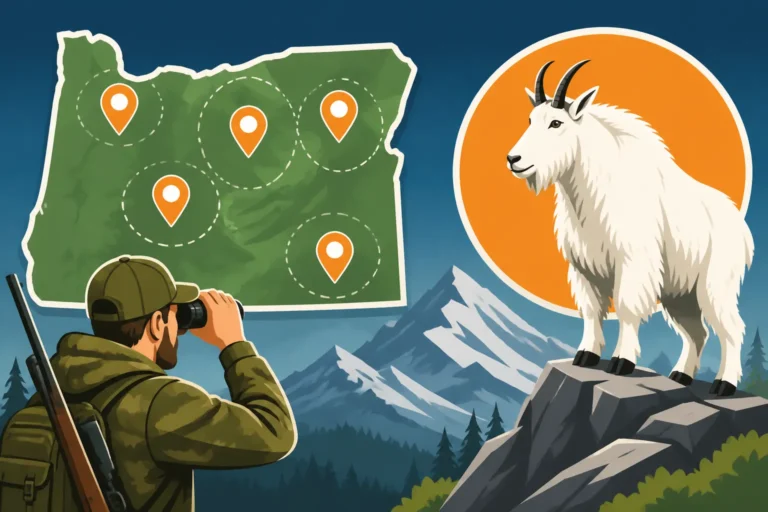
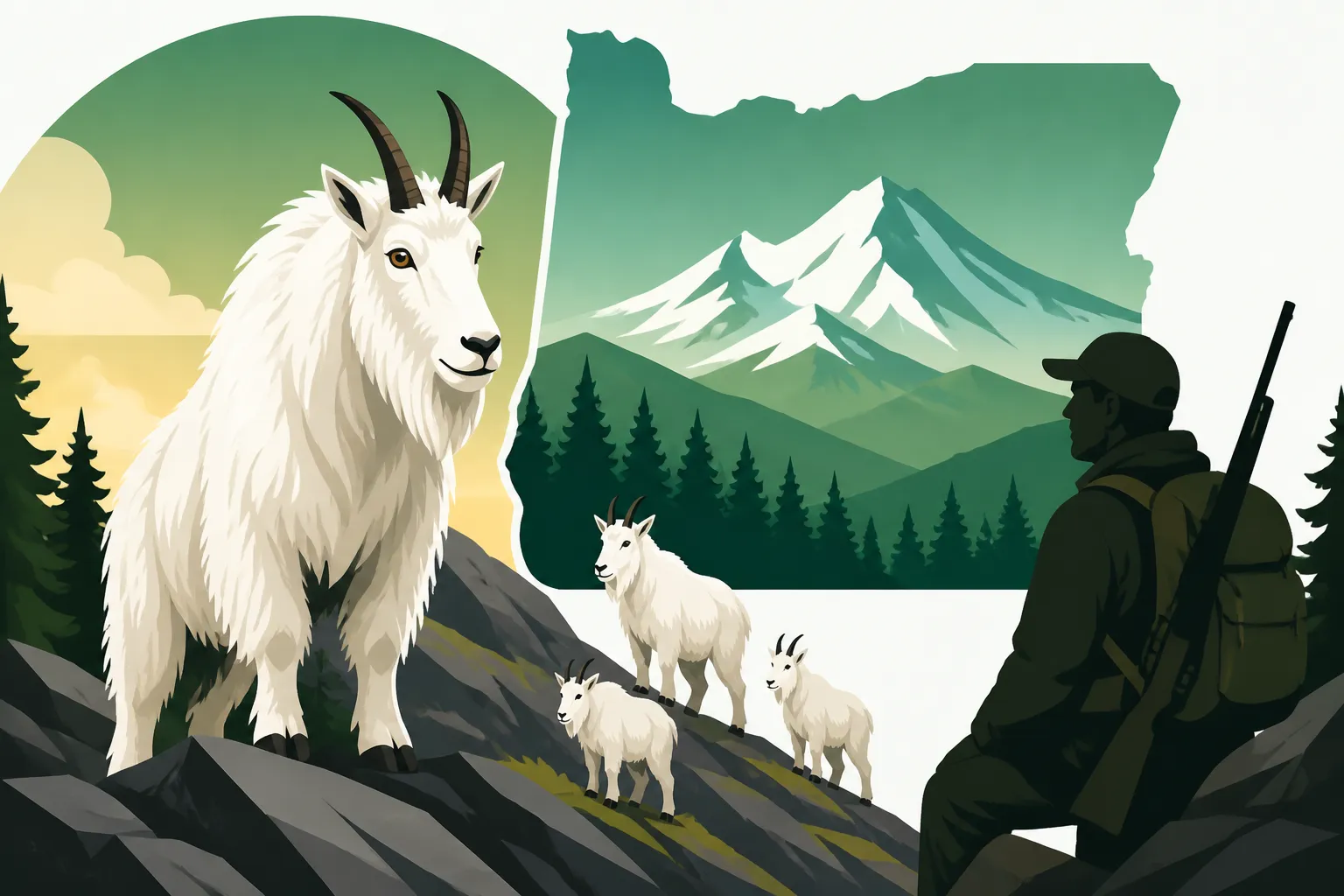
Today, Oregon's mountain goat populations are primarily concentrated in a few key areas, most notably the Wallowa Mountains in the northeastern part of the state, especially within the vast and awe-inspiring Eagle Cap Wilderness. This rugged wilderness area, with its towering peaks, precipitous cliffs, and isolated basins, provides the perfect sanctuary for these agile climbers. The landscape here is unforgiving, but it’s precisely what mountain goats thrive in – an environment where few predators can effectively pursue them and human disturbance is naturally limited due to the difficult access.
While the Wallowas hold the most significant population, smaller, more isolated herds also exist. For instance, there have been some successful reintroductions in the Elkhorn Mountains of the Blue Mountains range, near Baker City. These areas offer similar high-elevation, rocky habitats that goats require. The ODFW monitors these populations closely, using aerial surveys and ground observations to estimate herd sizes, assess their health, and track their distribution.
As of recent surveys, the total number of mountain goats in Oregon is still relatively small, certainly not in the thousands like deer or elk. We're talking in the low hundreds, with the Wallowas being the stronghold. This limited population is precisely why tags are so incredibly rare, often a once-in-a-lifetime draw for resident hunters. The goal of ODFW isn't necessarily to grow these populations into massive numbers, but rather to establish stable, healthy, and self-sustaining herds in suitable habitats, ensuring the species' long-term presence in Oregon's wilderness. When you're dreaming of a tag, understanding these limited numbers helps contextualize the odds.
The Challenges and Successes of Mountain Goat Growth
The journey of establishing and growing mountain goat herds in Oregon has been far from simple. These animals are highly specialized for extreme environments, which brings both advantages and unique challenges for their survival and expansion. From finding the perfect forage to navigating treacherous terrain while avoiding predators, every aspect of their lives is a high-stakes endeavor.
Ideal Habitat and Nutritional Needs
Mountain goats are perfectly adapted for some of the most unforgiving landscapes on Earth – the high alpine and subalpine zones. In Oregon, this means they seek out terrain characterized by steep, rocky cliffs, exposed ledges, and rugged talus slopes in areas like the Eagle Cap and portions of the Elkhorns. These precipitous environments serve as a natural defense against most predators, offering escape routes that few other animals can follow. The cliffs provide critical escape terrain, birthing areas, and thermal cover.
Beyond just physical security, these environments also provide essential nutritional resources. During the brief alpine summer, goats feed on a variety of grasses, forbs, and shrubs that manage to eke out a living in the harsh conditions. Their diet is surprisingly diverse, adapting to what’s available at different elevations and times of the year. In winter, when deep snow blankets much of their range, they'll often migrate to wind-swept ridges and south-facing slopes where snow depth is reduced, exposing crucial browse. They also rely heavily on mineral licks, which are essential for their health, especially for nannies raising kids. Finding these specific mineral sources is a key component of their habitat requirements, and biologists often observe goats traveling significant distances to access them. Without these very specific habitat features, even a reintroduction effort wouldn't stand a chance.
Predation and Environmental Pressures
While mountain goats often retreat to inaccessible terrain, they are not entirely safe from predation. Young kids are particularly vulnerable to aerial predators like golden eagles, and even on steep slopes, mature goats can fall prey to cougars or, less commonly, wolves. The ruggedness that protects them can also be a trap, as a slip on an icy ledge or a misstep in a rockslide can be fatal. Oregon's Cougars in Oregon After the Hound Ban highlights the impact these agile predators can have, and while goats are less accessible, they are not immune.
Environmental factors pose continuous challenges. Harsh winters with prolonged deep snow can lead to increased mortality, especially among younger and older goats. Avalanche risk is another significant concern in their steep habitats. Additionally, the increasing frequency and intensity of wildfires, while sometimes creating new forage opportunities in the long term, can severely impact habitat quality, reduce food sources, and force goats to move into less optimal areas, increasing their exposure to predation or human disturbance. Climate change models also suggest shifts in alpine vegetation zones, which could alter their food base over time. These combined pressures mean that every surviving goat and every successfully raised kid is a testament to the species' incredible resilience.
Managing for Sustainable Growth
Given the fragility of these small, reintroduced populations, ODFW employs a highly conservative management strategy focused on sustainable growth rather than rapid expansion. The primary goal is to ensure the long-term health and genetic diversity of the herds. This involves limiting human disturbance in critical areas, conducting regular health checks on captured animals, and carefully monitoring herd demographics—such as the ratio of kids to nannies, and nannies to billies.
One of the most crucial tools for managing growth is the extremely limited hunting opportunity. By issuing only a handful of tags, or sometimes none at all in a given year, ODFW can precisely control harvest levels, ensuring that hunting doesn't negatively impact breeding potential. This careful balance is designed to allow the population to slowly but steadily increase, or at least maintain stability, within the carrying capacity of their specialized habitats. Habitat protection and restoration efforts, particularly in managing grazing permits in alpine meadows or minimizing disturbance from recreation, also play a vital role. Every decision is made with the long-term viability of Oregon's mountain goats firmly in mind, recognizing their unique ecological and intrinsic value.
Applying for an Oregon Mountain Goat Tag
Drawing an Oregon mountain goat tag is arguably one of the most difficult feats in Western big game hunting. It's an aspiration for many, a reality for very few, and understanding the application process is paramount if you ever hope to be among the lucky ones. This isn't just another tag application; it's a deep dive into statistical odds and a testament to patience.
The Once-in-a-Lifetime Opportunity
Perhaps the most significant aspect of Oregon's mountain goat tag is its "once-in-a-lifetime" status. This means that if you are fortunate enough to draw and harvest a mountain goat in Oregon, you will never be eligible to draw another tag for that species in the state again. This rule is in place precisely because of the extremely limited number of animals and the desire to give as many hunters as possible the chance to experience this unique hunt over their lifetime, rather than allowing a few individuals to repeatedly harvest goats.
This "once-in-a-lifetime" aspect underscores the incredible value and rarity of the tag. For hunters, it transforms the application from an annual hopeful gesture into a deeply significant long-term investment. Every point accumulated, every year spent applying, builds towards a single, monumental opportunity. It means that when you finally draw, the pressure is on not just to succeed, but to fully appreciate and respect the magnitude of the moment. This restriction isn't meant to frustrate, but to broaden access to an extraordinarily limited resource and ensure the sustainable management of a sensitive population. Understanding the concept of Once-in-a-Lifetime Tags in Oregon: Sheep and Goat is crucial for anyone with serious aspirations.
Navigating the Controlled Hunt Draw
Applying for an Oregon mountain goat tag is done through the state's controlled hunt draw system, a process that can feel complex and, at times, heartbreaking due to the astronomically low odds. The first step, like with any controlled hunt, is to purchase your annual hunting license. Without a valid license, you can't even begin the application process. Next, you'll need to pay the application fee, which is a small price for the chance at such an incredible opportunity.
The real challenge lies in the preference point system. Oregon utilizes preference points for most controlled hunts, and for species like mountain goats, accumulating a significant number of points is almost essential for a realistic chance. Each year you apply and are unsuccessful, you earn a preference point. The more points you have, the better your odds in the drawing, particularly in the 75% point-based portion of the draw. However, even with maximum points, the odds for mountain goats remain incredibly slim, often less than 1% for residents, and even lower for non-residents due to the Oregon's 5 Percent Nonresident Tag Cap. Many hunters will apply for decades without success. Tools like those offered by GoHunt can be immensely helpful here, providing detailed draw odds, historical data, and unit analyses that allow you to make informed decisions about where to apply and what your realistic chances are. They aggregate a lot of the ODFW data into user-friendly formats, which can save hours of digging through regulations and statistics.
When submitting your application, you'll select your hunt choices. For mountain goats, there are typically only one or two hunt choices available, corresponding to the specific units (often the Wallowa unit) where tags are issued. It’s absolutely critical to understand the hunt area boundaries and any specific regulations associated with that unit. Given the limited nature of these hunts, it’s not uncommon for ODFW to adjust tag numbers year-to-year based on population surveys and herd health. Always consult the most current Oregon Big Game Regulations pamphlet. This commitment to understanding the draw and persistently applying is the only path to potentially drawing one of these coveted tags. For a deeper dive, check out guides like Oregon Mountain Goat Draw Odds.
Planning Your Dream Oregon Mountain Goat Hunt
Drawing a mountain goat tag in Oregon is just the beginning; the real work starts when you shift from the draw to the actual hunt planning. This isn't a hunt for the faint of heart or those unprepared for extreme conditions. It demands meticulous preparation, both physically and mentally, and an understanding of the unique challenges presented by high-alpine environments.
Physical Demands and Preparation
Let's be blunt: a mountain goat hunt is one of the most physically demanding hunts Oregon has to offer. These animals live in the steepest, most rugged, and often most remote terrain imaginable. You'll be climbing thousands of vertical feet, navigating loose rock, boulder fields, and potentially snow and ice, all while carrying a heavy pack. This isn't a stroll through a timber patch; it's an expedition.
Preparation should begin many months, if not a year, in advance. Focus on building endurance through hiking with a weighted pack, ideally on steep inclines or stairs. Incorporate strength training for your legs, core, and back. Cardiovascular fitness is paramount, as you'll be operating at higher altitudes where oxygen is scarcer. Simulating hunt conditions as much as possible, perhaps by doing multi-day backpacking trips in mountainous terrain, will not only build your physical resilience but also test your gear and mental fortitude. Being physically capable means you can focus on the hunt itself, rather than struggling with every step. Remember, the challenge doesn't end when you pull the trigger; packing out a goat from remote, steep country is an endeavor in itself, often requiring multiple trips or assistance. For general guidance on physical readiness, topics like Physical Training for an Oregon Elk Hunt offer valuable principles that apply directly to goat hunting.
Essential Gear for Alpine Environments
The gear you bring on an Oregon mountain goat hunt can truly make or break your experience, and in some cases, determine your safety. Forget your standard deer hunting kit; you need specialized equipment for high-alpine, often extreme, conditions.
First and foremost, a reliable layering system is crucial. Weather in the mountains can change in minutes, shifting from warm sun to driving rain, snow, or even hail. You'll need moisture-wicking base layers, insulating mid-layers (down or synthetic), and a bombproof waterproof/breathable outer shell, like those from reputable brands such as KUIU or Sitka. Footwear is equally critical: sturdy, waterproof mountaineering boots with excellent ankle support and stiff soles are essential for traversing rocky and uneven terrain. Bring gaiters to keep snow and debris out.
Navigation tools are also non-negotiable. A GPS device, thoroughly loaded with offline maps, coupled with a traditional map and compass, is vital, especially in areas like the Eagle Cap Wilderness where trails can be faint or non-existent. Many hunters find using a service like GoHunt's mapping features invaluable for E-Scouting Oregon Units With Satellite Imagery, marking potential goat haunts, glassing points, and safe travel routes before they even hit the trail. They can overlay public land boundaries and topography, which is a lifesaver. High-quality optics are another must-have: a spotting scope (20-60x or 20-70x) on a sturdy tripod and at least 10x or 12x binoculars will be your primary tools for locating goats across vast landscapes. Don't forget a first-aid kit designed for remote wilderness use, a headlamp, emergency shelter, and sufficient water filtration or carrying capacity. Lastly, consider bringing trekking poles for stability and to reduce strain on your knees during ascents and descents. Getting meat out also means having a good pack frame and game bags designed to protect your hard-earned harvest. For multi-day trips, look into setting up Backpack Camps in Oregon Wilderness and consider the specialized gear needed.
Ethical Hunting and Conservation
A mountain goat hunt carries an immense responsibility towards ethical conduct and conservation. Given the rarity of the tag and the sensitive nature of these populations, every hunter becomes an ambassador for the species. This means adhering strictly to all ODFW regulations, including specific unit boundaries and weapon restrictions. Understanding Oregon Muzzleloader Equipment Rules or Archery Setup for Wet Oregon Timber (if applicable to your tag) is just the start.
Ethical shot placement is paramount. These animals often present themselves in precarious positions, and a wounded animal can quickly escape into truly inaccessible terrain, leading to a lost animal and wasted resource. Practice shooting at steep angles and at varying distances, understanding bullet trajectories in mountain air. Beyond the shot, proper field dressing and meat care, especially in remote areas, are critical to prevent spoilage. Plan to get the meat cooled and off the mountain as quickly as possible.
True conservation extends beyond just the hunt. It involves appreciating the wilderness, minimizing your impact, and supporting ODFW's efforts to manage and protect these unique herds. Leave no trace, pack out all your trash, and be respectful of other wilderness users. Your success on a mountain goat hunt is not just about a trophy; it's about the entire experience, conducted with the highest ethical standards, contributing to the continued presence of these magnificent animals in Oregon's wild heart.
The Future of Oregon's Mountain Goats
The story of mountain goats in Oregon is one of ongoing dedication and careful stewardship. While their numbers may never rival those of more common big game species, their presence is a testament to conservation efforts and offers a unique, challenging opportunity for a select few hunters. The future of these alpine dwellers hinges on continued vigilance and responsible management.
ODFW's Role in Herd Management
The Oregon Department of Fish and Wildlife (ODFW) plays a central, ongoing role in ensuring the survival and modest growth of mountain goat herds. Their work involves a multi-faceted approach that spans scientific research, habitat protection, and public education. Biologists conduct regular aerial surveys and ground studies, sometimes using GPS collars, to track population trends, monitor birth rates, and assess overall herd health. This data is critical for making informed decisions about tag allocations and management strategies.
Habitat management is another key aspect. ODFW works with federal land agencies like the U.S. Forest Service and Bureau of Land Management to protect critical mountain goat habitat, including ensuring access to key mineral licks and reducing disturbance in birthing areas. They also address potential conflicts with domestic livestock where ranges might overlap, which is a significant concern for diseases like pneumonia. Furthermore, ODFW actively engages in public outreach, educating hikers, climbers, and hunters about responsible recreation in goat country, emphasizing the importance of not approaching or feeding these wild animals, which can habituate them to humans and lead to dangerous situations. This comprehensive approach is designed to foster sustainable populations, allowing these remarkable animals to thrive in their rugged Oregon homes.
Conservation Through Limited Opportunity
The philosophy behind Oregon's mountain goat hunting program is a prime example of conservation through highly limited opportunity. By issuing only a tiny number of tags—sometimes just one or two, and occasionally none at all—ODFW ensures that the harvest has virtually no negative impact on the overall population. This ultra-conservative approach prioritizes herd stability and growth above hunter opportunity, which is a difficult but necessary balance for such a sensitive species.
This scarcity, while frustrating for hunters eagerly awaiting a tag, reinforces the immense value of each individual animal and the health of the herd. It encourages hunters who do draw a tag to engage in meticulous planning, extensive scouting, and highly ethical hunting practices, knowing they are pursuing one of the state's most precious wildlife resources. The revenue generated from hunting licenses and application fees, though modest for such a limited species, directly supports ODFW's wildlife management programs, including those that benefit mountain goats. In essence, the challenge of securing a tag and the demanding nature of the hunt itself contribute to the species' long-term conservation by fostering a deep respect and appreciation for these iconic inhabitants of Oregon's highest peaks.
| Oregon Mountain Goat Data (Approximate) | Initial Reintroduction (1950s) | Current Estimate (2020s) | Annual Tags (Resident) | Annual Tags (Non-Resident) | Primary Range |
|---|---|---|---|---|---|
| Number of Animals | 5-10 | 150-250 | 1-3 | 0 | Wallowa Mtns |
| Key Units | Wallowa | Wallowa, Elkhorn | Wallowa | N/A | Eagle Cap Wilderness |
| Draw Odds (Max Points) | N/A | <1% | Highly Variable | Extremely Rare | High Elevation Zones |
Disclaimer
The information provided in this guide is for general informational purposes only and is subject to change. Hunting regulations and seasons are managed by the Oregon Department of Fish and Wildlife (ODFW) and can be altered annually. Always consult the most current official ODFW hunting regulations pamphlet and unit-specific rules before planning any hunt. Compliance with all state and federal laws is the responsibility of the individual hunter.