Blacktail Rut and Antler Development
Understanding the nuanced behavior of blacktail deer, especially their rut and the yearly cycle of antler development, can feel like trying to decipher an ancient forest map in a dense Oregon rainstorm. It’s frustrating when you spend countless hours in the woods, only to feel like you’re missing the peak action because you haven't quite cracked their code. This comprehensive guide is designed to peel back the layers of mystery surrounding the blacktail rut and antler growth, offering you a deeper understanding of these elusive Western Oregon deer and helping you synchronize your hunting efforts with their most active periods.
The Annual Rhythm of Blacktail Deer: A Life Cycle Overview
Blacktail deer in Oregon, much like other deer species, operate on a finely tuned biological clock. This clock dictates everything from their feeding patterns to their social structures, and most importantly for hunters, their breeding cycle and antler development. While many hunters focus intensely on the few weeks of the rut, truly successful strategies stem from understanding the entire annual rhythm. It's not just about one phase; it's about how each part of the year builds into the next, influencing the deer's behavior and physical state.
Seasonal Shifts and Deer Behavior
From the lush green-up of spring to the cold, wet depths of winter, blacktail deer are constantly adapting. In spring, after the winter's stress, their focus shifts to nutrition. Does are fawning, and bucks are beginning the arduous process of antler growth. Summer sees deer in their thickest cover, often secluded, as fawns grow rapidly and bucks continue to put on inches of velvet-covered bone. As fall approaches, the shift in daylight hours triggers physiological changes, leading them towards the rut. Winter is a period of survival, where deer conserve energy, browse on available forage, and bucks shed their antlers, preparing to start the cycle anew.
Oregon's diverse landscapes, from the dense coastal timber to the dryer eastern slopes of the Cascades, mean these seasonal shifts can vary slightly in their impact. For instance, a wet, mild winter in the Coast Range might mean less stress on deer compared to a harsh winter in the eastern Cascades. These regional differences subtly influence everything from herd health to the vigor of the rut. Monitoring these conditions can give you an edge, helping you predict how accessible and active deer might be.
Hormonal Influence on Bucks and Does
The entire blacktail year, especially for bucks, is a masterclass in hormonal regulation. Testosterone is the primary driver for antler growth, hardening, and eventually, the rut behaviors we observe. As summer wanes and daylight shortens, testosterone levels in bucks rise. This surge initiates the hardening of antlers, the shedding of velvet, and a dramatic shift in behavior from relatively peaceful coexistence to aggressive, territorial displays.
For does, the photoperiod also plays a critical role, influencing their estrus cycles. They become receptive to breeding during the rut, often coming into heat multiple times until successfully bred. These hormonal cues are incredibly precise, ensuring that fawns are typically born in spring, when forage is most abundant and conditions are optimal for survival. Understanding this intricate hormonal dance provides insight into why deer act the way they do at specific times of the year, transforming seemingly random movements into predictable patterns for the informed hunter.
Antler Development: From Velvet to Hard Bone
The growth and shedding of antlers is one of the most remarkable biological processes in the deer world, especially for blacktails in Oregon. It's an annual testament to the health and vitality of a buck, with each year's rack a unique record of his nutrition and genetics. For hunters, knowing this cycle is crucial, not just for gauging antler size, but for understanding the buck's physical state and priorities throughout the year.
The Phases of Antler Growth
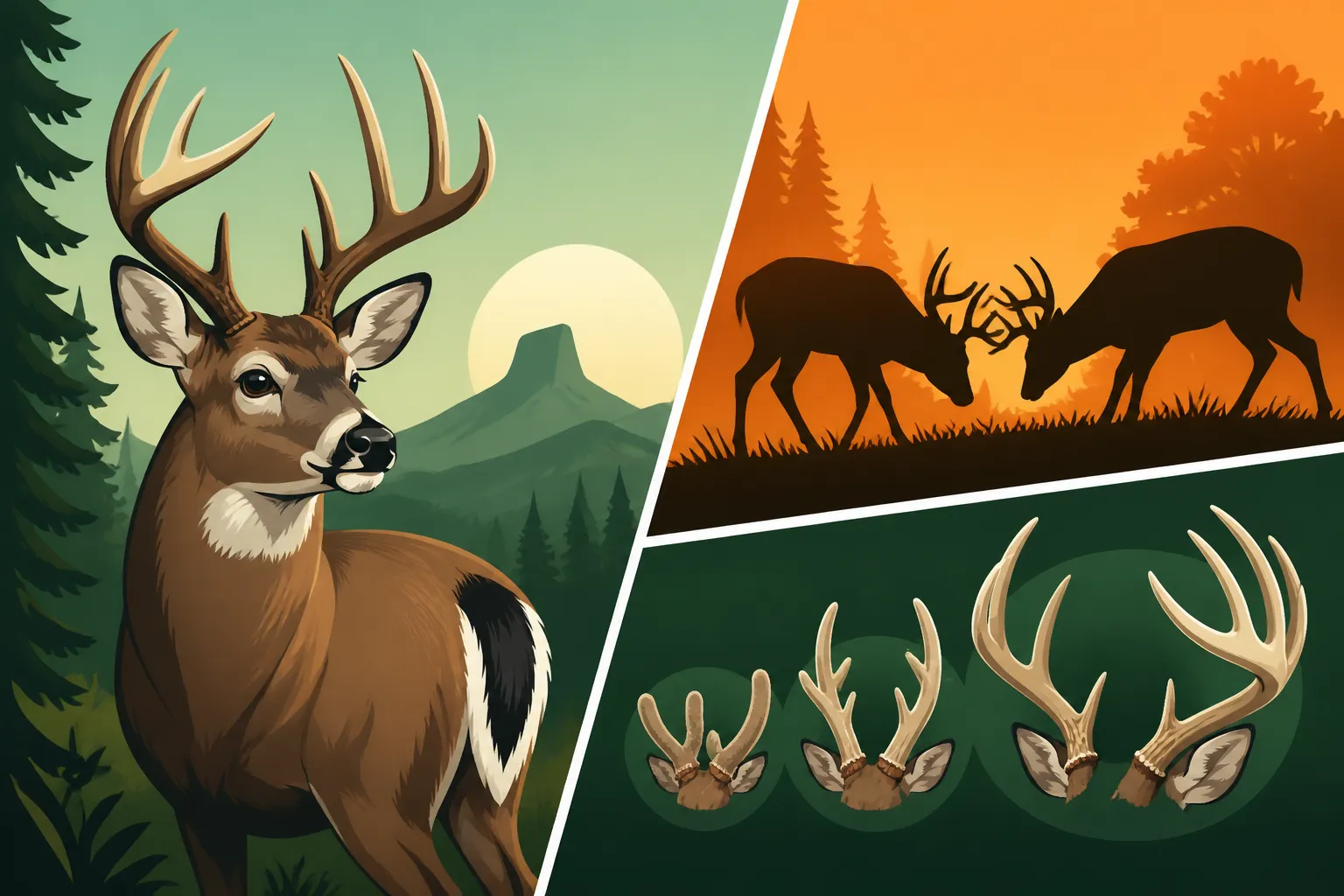
Antler growth typically begins in late winter or early spring, shortly after the old antlers are shed. It starts as soft, cartilaginous tissue, rich in blood vessels and covered in a fuzzy, nutrient-rich skin known as velvet. This velvet supplies the rapidly growing bone with everything it needs. During this phase, bucks are often more reclusive, protecting their sensitive, growing antlers. They prioritize high-protein forage to fuel this incredible growth, which can be as much as half an inch a day at its peak.
By late summer, usually August or early September in Oregon, the antlers are fully grown. As daylight hours continue to shorten, testosterone levels in the buck's body increase. This hormonal shift causes the blood flow to the velvet to constrict, drying it out. The velvet then begins to itch and peel, prompting bucks to rub their antlers on trees and brush. This "velvet shed" marks the transition to hard-horned antlers, ready for the challenges of the upcoming rut. You'll start seeing these freshly rubbed trees, often with strips of velvet hanging, signalling the changing season and increasing buck activity.
Factors Influencing Antler Size
While genetics certainly play a foundational role in a blacktail buck's antler potential, nutrition is arguably the most significant variable influencing antler size year to year. Bucks need an abundance of high-quality forage rich in protein, calcium, and phosphorus throughout the spring and summer months to maximize growth. This is why areas with diverse vegetation, good soil, and consistent rainfall often produce larger-antlered bucks.
Age is another critical factor. Blacktail bucks typically reach their prime antler growth between 4.5 and 7.5 years old, assuming they have access to adequate nutrition and good health. Younger bucks are still allocating significant energy to body growth, while very old bucks may start to decline in antler quality as their bodies age. A buck that survives multiple hunting seasons and maintains good health in a rich habitat has the best chance of growing an impressive rack. Environmental stressors like severe winters, prolonged droughts, or high population densities that lead to over-browsing can all negatively impact antler development, even in genetically superior deer. It's a complex interplay of nature and nurture.
The Pre-Rut Build-Up: Scrapes, Rubs, and Early Activity
Before the peak of the blacktail rut descends upon Western Oregon, there's a fascinating period of preparation and increased buck activity known as the pre-rut. This phase is often overlooked by hunters, but it can be incredibly productive if you know what to look for. Bucks are becoming more aggressive, establishing dominance hierarchies, and laying down scent markers, all in anticipation of the does coming into estrus.
Understanding Scrapes and Rubs
As testosterone levels rise and bucks shed their velvet, they begin to express their dominance and advertise their presence through physical markers in the landscape. Rubs are created when bucks scrape their antlers and foreheads against small trees and saplings, removing the bark and leaving behind scent from glands on their heads. These aren't just for cleaning velvet; they're visual and olfactory signposts, communicating to other deer. The fresher the rub, the more recent the buck's presence.
Scrapes are perhaps even more compelling indicators. These are patches of bare earth, typically 1-3 feet in diameter, pawed clean by a buck. Above the scrape, he'll often chew on an overhanging branch, leaving scent from his preorbital glands and sometimes urinating into the scrape, adding urine and tarsal gland scent. These "community bulletin boards" are visited by multiple deer, bucks and does alike, signaling readiness for breeding. Finding a fresh, actively used scrape line, especially near thick cover or travel corridors, is a huge clue that a mature buck is in the area and transitioning into rut behaviors. Learning to read these signs, like understanding a map, is key to success.
Increased Buck Movement and Sparring
During the pre-rut, bucks, especially mature ones, start to become less nocturnal and increase their daytime movement. They are actively seeking out does, cruising historical travel routes, and checking scrapes. While not yet in full-on chase mode, their priorities are clearly shifting from purely feeding to finding and dominating. This is a prime time to catch a buck on his feet during legal shooting hours.
You'll also observe more sparring during this period. Younger bucks might engage in playful pushing matches, but mature bucks will lock antlers more seriously, testing each other's strength and establishing their place in the pecking order. These contests, though rarely resulting in serious injury, are crucial for determining who gets breeding rights when the does are finally receptive. Observing or finding evidence of this sparring, such as broken branches or churned-up earth, further confirms heightened buck activity and the impending intensity of the peak rut. For hunters using platforms like GoHunt, looking at satellite imagery for traditional travel corridors between feeding and bedding areas can really help pinpoint where these scrapes and rubs might be most prevalent.
Peak Rut in Oregon: Timing, Behavior, and Prime Hunting Strategies
The peak rut is the holy grail for many blacktail hunters in Oregon. This is the period when bucks are most active, most vulnerable, and most driven by the primal urge to breed. However, pinpointing the exact peak can be tricky, as it varies by region and even specific year. But generally, across Western Oregon, the primary rut occurs during a fairly predictable window.
Blacktail Rut Timing Across Western Oregon
For most of Western Oregon, the blacktail rut typically peaks in mid-November. You'll often see the initial signs of chasing and breeding activity starting in late October, with things really kicking into high gear around the 10th-20th of November. This period often coincides perfectly with the general rifle seasons, making it a highly anticipated time for many hunters. However, there can be slight variations. In the lower elevations of the Coast Range, especially south of Tillamook, the peak might feel a bit earlier, while higher up in the Cascades, it could lean a touch later due to colder temperatures and later snowfalls.
It's important to understand that not all does come into estrus at the exact same time. The rut is a wave, not a single crest. Some does will be receptive earlier, some later, leading to a prolonged period of buck activity. This means that while mid-November is the general peak, you can still find good rut activity stretching from late October well into early December. The key is to be in the woods consistently during this window and to pay close attention to the specific behaviors you're observing.
Buck Behavior During Peak Breeding
During the peak rut, blacktail bucks exhibit some of their most tell-tale behaviors. They become almost single-minded in their pursuit of does. You'll see bucks actively "dogging" does, following them closely, sniffing them, and attempting to herd them. When a doe comes into estrus, the chase is on. These chases can be intense and cover significant ground, often forcing deer out of their usual bedding areas and into more open, visible terrain. It's during these frenzied pursuits that bucks often drop their guard, making them more susceptible to an attentive hunter.
Another common behavior is the "tend and breed" phase, where a buck will isolate an estrus doe and stay with her for 24-48 hours, breeding her repeatedly. During this time, he may be less active in terms of covering ground but will be highly focused on her, potentially allowing a careful stalk. Pay attention to sudden movements or subtle sounds in dense brush – a buck grunting or a doe bleating can be a dead giveaway to a pair locked down in cover. Understanding Cow Calling Versus Bugling in Heavy Timber, while for elk, teaches a similar principle of listening and identifying animal communication.
Doe Estrus Cycles and Hunting Opportunities
A doe's estrus cycle, the period when she is receptive to breeding, typically lasts about 24-36 hours. If she is not bred during this time, or if the breeding isn't successful, she will often come back into estrus approximately 28 days later. This can lead to what's sometimes called a "secondary rut" or a "trickle rut" later in the season, which can offer renewed opportunities for hunters who are still in the field.
The presence of estrus does dictates where bucks will be. Finding doe groups or areas they frequent is paramount. Bucks will often stage near these groups, waiting for a doe to become receptive. This means scouting for doe bedding and feeding areas, often in clearcuts or on the edges of dense timber, becomes a highly effective strategy. Hunting during adverse weather, like a light drizzle, can also sometimes increase daytime rut activity, as deer may feel more secure moving when human activity is lower and scenting conditions are better. If you're out in a November downpour, this could be your chance!
Post-Rut Challenges: Bucks Recovering and Changing Patterns
Just as the peak rut brings a flurry of activity, the post-rut period brings a significant shift in buck behavior and energy levels. Many hunters pack it in after the main rut subsides, but for those willing to brave the colder, wetter conditions, there can still be opportunities if you understand how blacktails adapt after the breeding frenzy.
Depletion and Recovery
After weeks of relentless chasing, fighting, and breeding, blacktail bucks are often physically depleted. They've burned through significant fat reserves, their bodies are worn, and their focus shifts dramatically back to survival and recovery. Their primary goal becomes replenishing lost weight and regaining strength before the harshness of winter sets in. This means they will spend more time feeding, often in more secluded areas, and their movements become less erratic and more calculated.
Hunters during this time will find bucks returning to their solitary or small-group bachelor patterns, often seeking out specific high-calorie forage sources. They might frequent clearcuts with remaining browse, or south-facing slopes that receive more sunlight and have accessible greens. This is not the time for calling or aggressive tactics; rather, it demands patient still-hunting or methodical glassing of good food sources, particularly at first and last light.
Shifting Patterns and Locations
As winter approaches and food sources become scarcer, blacktail deer often shift their patterns and even their locations. They might move down to lower elevations where snow isn't as deep, or seek out specific winter ranges. These areas are typically chosen for their availability of food and shelter from the elements. A buck that was chasing does across a vast clearcut during the rut might now be found hunkered down in a dense patch of timber, only venturing out for short, purposeful feeding forays.
Understanding these shifts requires diligent scouting, even in the post-season. Using tools like GoHunt to analyze habitat types and historical movement patterns can be invaluable. You might find that bucks are now concentrating in thermal cover on north-facing slopes, or in dense thickets adjacent to agricultural fields where they can quickly access easy forage. This requires a complete recalibration of your hunting strategy, moving away from rut-centric approaches and back to a focus on food, cover, and minimizing human disturbance. You might also want to consult resources like Winter Range Closures That Affect Late Hunts to ensure you're hunting legally and ethically during this period.
Hunting Strategies Tailored to the Rut Phases
Successful blacktail hunting isn't a one-size-fits-all endeavor. The strategies that work during the peak of the rut are often completely ineffective during the pre-rut or post-rut. Adapting your approach to the specific phase of the rut is critical for consistent success in Oregon's challenging blacktail country.
Pre-Rut Tactics: Identifying and Staking Out Activity
During the pre-rut, your focus should be on identifying those early signs of buck activity. Look for fresh rubs, especially those on larger trees, indicating a more mature buck. Concentrate on finding active scrape lines, particularly those that are part of a larger network. These "community scrapes" often get revisited by multiple bucks and does, offering a prime ambush point. Your goal here is to intercept bucks as they patrol their territory and check these communication hubs.
Setting up near these active areas, perhaps in a natural funnel between bedding and feeding, can be highly effective. Early morning and late evening hunts are best, as bucks are just beginning to increase their daylight movement but aren't yet completely reckless. Try some light rattling or grunt calls; bucks are establishing dominance and may respond out of curiosity or aggression. Remember, they aren't fully committed to breeding yet, so patience and quiet observation are your most valuable tools. This is a great time for scouting with trail cameras on Oregon public land to confirm active scrapes and buck presence.
Peak Rut Tactics: Aggression, Calling, and Covering Ground
When the rut hits its peak, it's time to shift gears. Bucks are on the move, constantly searching for receptive does. This is when aggressive tactics can pay off. Still-hunting slowly through known doe bedding areas, especially in clearcuts or along timber edges, can lead to encounters with bucks dogging does. Don't be afraid to cover ground; if you see fresh tracks or hear deer moving, follow that sign aggressively but carefully.
Calling can be incredibly effective during the peak rut. Grunt calls mimicking a buck trailing a doe can pique the interest of a dominant buck looking to cut in. Doe bleats can attract bucks searching for a receptive mate. Rattling, especially during the middle of the day when bucks might be "locked down" with a doe, can often pull in a curious or dominant buck looking to break up a fight. However, be prepared for a fast shot; rutting bucks can appear suddenly and won't stand around for long. Utilizing platforms like GoHunt can help you identify dense clearcuts or specific timber blocks where a buck might be holding a doe, allowing you to focus your efforts. For an in-depth look, consider reading Rattling for Blacktail Bucks.
Post-Rut Tactics: Focus on Food and Security
As bucks transition into the post-rut, your strategies need to become much more subtle. Forget aggressive calling and rattling; bucks are now focused on recovery. Your best bet is to key in on primary food sources, particularly those in sheltered locations. South-facing slopes that melt off snow faster and provide crucial solar warmth, or clearcuts with abundant evergreen browse, become prime hunting grounds.
Patient still-hunting, glassing from a vantage point, and targeting bedding areas adjacent to these food sources are the most effective methods. Bucks will move very little during the day, often only venturing out at dawn and dusk for short feeding excursions. Finding their security cover – thick, impenetrable patches of timber or brush – and ambushing them as they move to and from feeding areas is a solid strategy. This is a test of patience, observation, and meticulous scouting. Just as with Still-Hunting Speed in Wet Brush, the key is often moving deliberately and quietly, blending into the environment.
Blacktail Antler and Rut Summary
To make sense of all these moving parts, here's a quick overview of the blacktail deer's annual cycle, particularly focusing on their antler development and rut activities in Oregon. Keep in mind, these are general timelines and nature always has its own subtle variations.
| Season | Antler Development Status | Rut Activity | Buck Behavior | Hunting Focus |
|---|---|---|---|---|
| Spring | Shedding/New Growth (Velvet) | Minimal/None | Reclusive, focused on nutrition, solitary or small groups | Not applicable for antlered bucks (season closed) |
| Summer | Full Growth (Velvet) | None | Mostly nocturnal, highly reclusive, building body mass | Not applicable for antlered bucks (season closed) |
| Early Fall | Hardening/Velvet Shedding | Pre-rut rubs & scrapes appearing | Increased daytime movement, establishing dominance, sparring | Scouting for rubs/scrapes, targeting travel corridors and food sources |
| Mid-Fall | Hard-horned | Pre-rut peaks, light chasing begins | Actively checking scrapes, seeking doe groups, more aggressive | Ambush points near scrapes, light calling/rattling, still-hunting doe areas |
| Late Fall | Hard-horned | Peak Rut: intense chasing, breeding | Single-minded doe pursuit, frequent sparring, often reckless | Aggressive calling/rattling, still-hunting doe groups, targeting active chases |
| Early Winter | Hard-horned, some shedding | Post-rut: occasional breeding (secondary rut) | Recovering, highly focused on feeding, returning to seclusion | Patient still-hunting near food/cover, glassing, focusing on secure areas |
| Late Winter | Shedding | None | Seeking winter range, conserving energy, solitary | Not applicable for antlered bucks (season closed), shed hunting for recreation |
This table provides a snapshot, but the real learning comes from spending time in the diverse environments where blacktails thrive, like those described in Blacktail Deer Habitat in Oregon Clearcuts or when Reading a Two-Year-Old Clearcut for Bucks.
Disclaimer
The information provided in this guide is for general informational and educational purposes only. Hunting regulations, seasons, and access rules in Oregon are subject to change. Always consult the most current Oregon Department of Fish and Wildlife (ODFW) regulations and acquire all necessary licenses and tags before planning any hunting activity. Ethical hunting practices and respect for wildlife and private property are paramount.