Why Oregon Mule Deer Numbers Are Falling
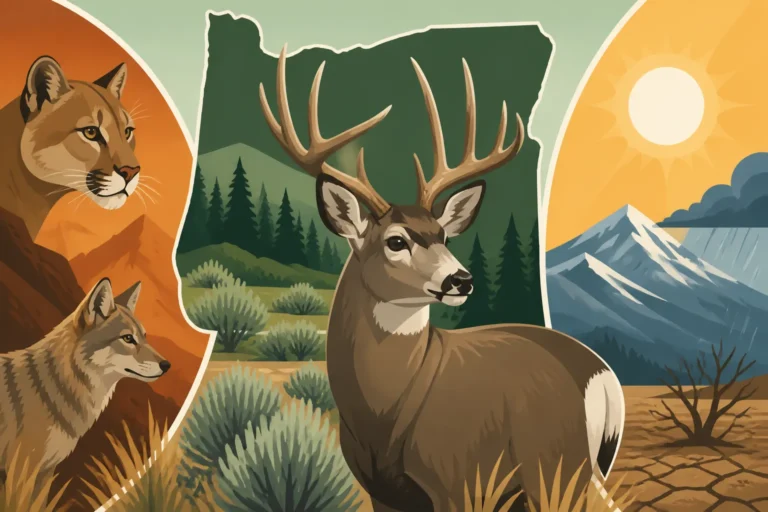
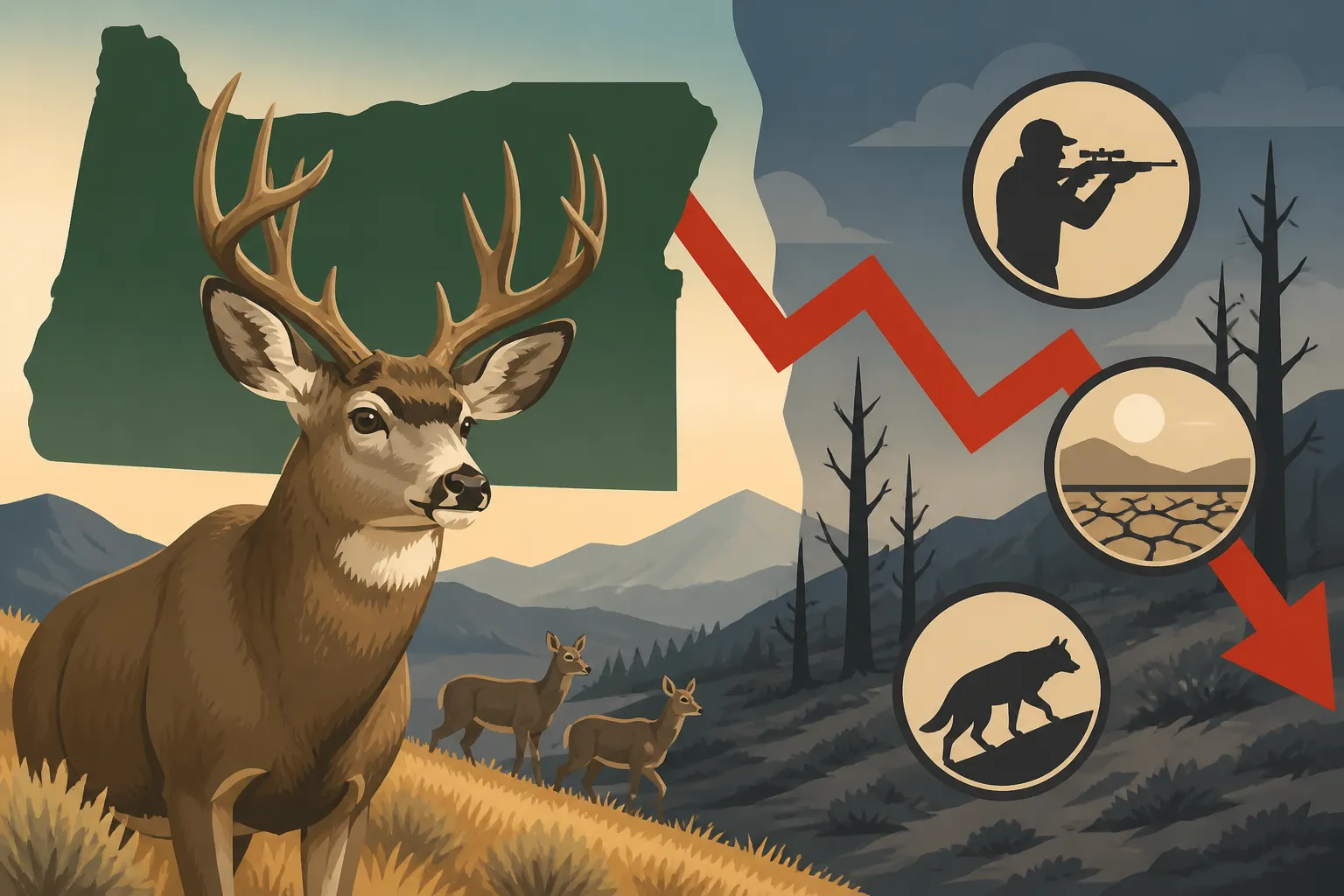
It's a tough pill to swallow for many of us who've spent decades chasing mule deer in Oregon. The sight of those big ears disappearing into the sagebrush used to be a common thrill, but lately, the experience has become increasingly rare. If you've felt that growing frustration, that nagging question of "where have all the deer gone?", you're certainly not alone. This guide is going to peel back the layers and dive deep into the complex, often disheartening, reasons why Oregon's mule deer numbers are falling, and what that means for hunters and the future of this iconic species.
The Alarming Trend of Mule Deer Decline in Oregon
For generations of hunters, the high desert and ponderosa pine country of Eastern Oregon have been synonymous with mule deer. My grandad used to tell stories of seeing hundreds of deer in a single day, herds covering the hillsides like scattered rocks. Those stories, while perhaps tinged with nostalgia, reflect a reality that many of us simply don't see anymore. The decline isn't just anecdotal; it's a stark, undeniable trend that impacts everything from tag allocations to the future of our hunting heritage.
Historical Context of Oregon's Mule Deer Herds
Back in the day, say the 1950s and 60s, mule deer populations in Oregon were booming. Agriculture was different, human footprint was smaller, and the landscape provided expansive, undisturbed habitat. We're talking estimates that, at their peak, placed the state's mule deer population well over 200,000 animals. Hunters could expect to see numerous deer, and drawing a general season tag felt like a sure bet for at least finding deer, even if filling it was another challenge. This era established a baseline expectation for many hunters — an expectation that simply isn't met today. The memory of those times, whether personal or passed down, makes the current situation even more difficult to accept. Hunters are often the first to notice these shifts, spending countless hours in the field observing the nuances of wildlife populations long before official surveys can catch up. This is part of the ongoing discussion around Oregon Mule Deer and the Herd Range Decline, a topic that stirs strong emotions among those who love to hunt these magnificent animals.
Current Population Estimates and Hunter Observations
Fast forward to today, and the official numbers from the Oregon Department of Fish and Wildlife (ODFW) paint a much grimmer picture. The statewide mule deer population is estimated to be significantly lower than historical highs, with numbers often fluctuating around 100,000, and some herd units experiencing far more dramatic drops. What’s particularly frustrating for hunters is the perceived disconnect between ODFW's estimates and what they actually witness on the ground. Hunters often report seeing fewer deer, smaller bucks, and a distinct lack of fawns during their seasons. This isn't just casual observation; it's the result of diligent scouting, long hours behind binoculars, and conversations at check stations. Many feel that the official numbers, while meticulously gathered, might not fully capture the localized declines or the true struggle for recruitment in certain areas. This disparity in perspective creates a tension, where hunters yearn for transparent, actionable solutions that resonate with their lived experience in the field.
Habitat Loss and Degradation: A Core Problem
If you talk to any wildlife biologist about declining deer numbers, habitat is almost always at the top of the list. Think of it like this: deer need good groceries, safe bedrooms, and clear travel paths. When any of those elements are compromised, the entire system suffers. In Oregon's mule deer country, these compromises are happening on a massive scale, slowly but surely squeezing the life out of once-thriving herds.
Encroachment of Juniper and Conifer Forests
One of the most insidious forms of habitat degradation across Eastern Oregon is the relentless march of western juniper and conifer species into what was traditionally open sagebrush steppe. These trees, often seen as quaint or even beautiful by some, are actually ecological invaders in many areas. They suck up vital water, shading out the nutritious grasses, forbs, and shrubs that mule deer depend on for food, especially in critical wintering areas. A healthy sagebrush ecosystem is like a supermarket for mule deer, offering a diverse array of palatable plants. But as juniper thickens, that supermarket becomes a dense, dark forest with little to offer in terms of forage. It also provides more cover for predators, turning open country into ambush alley. You can literally watch these changes unfold, especially if you spend time Glassing Sage and Juniper for Eastern Oregon Mule Deer, observing how deer patterns shift as the habitat changes. Areas like the Ochoco National Forest, for example, have seen significant juniper expansion, leading to reduced carrying capacity for mule deer.
Wildfires and Post-Fire Management Challenges
Wildfires are a natural, albeit often devastating, part of Oregon's landscape. For mule deer, the impact is a double-edged sword. Immediately following a large, high-intensity fire, vast tracts of essential habitat can be wiped out, leaving deer without food or cover. This immediate loss is incredibly hard on local herds, forcing them to find new areas or face starvation. However, historically, fires also played a crucial role in rejuvenating the landscape, creating fresh growth and a mosaic of different successional stages that benefited mule deer in the long term. The problem today is twofold: first, the sheer scale and intensity of recent fires, often exacerbated by a century of fire suppression, leave behind moonscapes that take decades to recover. Second, post-fire management can sometimes hinder natural recovery, with practices that prioritize timber salvage or replanting of non-browse species, rather than focusing on restoring a diverse, deer-friendly understory. It's a complex dance between recovery and restoration, and getting it right is crucial for deer.
Urbanization and Development Pressures
As Oregon's population grows, so does its footprint, even in rural Eastern Oregon. This expansion brings with it a host of challenges for wildlife, particularly mule deer. New housing developments, expanding agricultural operations, and increasing recreational use all nibble away at crucial deer habitat. Perhaps most critically, these developments often occur in valley bottoms and lower elevations that serve as vital Mule Deer Winter Range in Eastern Oregon. When these areas are fragmented or lost, deer lose access to the relatively milder conditions and concentrated forage they need to survive the colder months. Think about the expansion of towns like Bend, Redmond, or even smaller communities, pushing further into traditional migration corridors and wintering grounds. Each new fence, road, or subdivision can act as a barrier, disrupting ancient migration routes and isolating deer populations. The pressure isn't just from permanent structures either; increasing human presence, with hikers, mountain bikers, and off-road vehicles, can push deer out of otherwise suitable habitat, adding stress during already vulnerable periods.
Predation Pressure on Mule Deer Fawns and Adults
Predators are a natural and necessary part of any healthy ecosystem. However, when deer populations are already stressed by habitat loss and other factors, increasing predator pressure can become a significant driver of decline, especially for vulnerable fawns. It's a contentious topic, often sparking heated debates among hunters, conservationists, and wildlife managers, but the science increasingly points to predation as a key factor in keeping mule deer numbers from rebounding.
The Role of Coyotes and Bears in Fawn Mortality
Coyotes are opportunistic predators and are remarkably efficient at finding and preying on newborn mule deer fawns. Studies have consistently shown that coyotes are a primary cause of fawn mortality in many Western states, including Oregon. A fawn's first few weeks of life are incredibly precarious, and a large coyote population can decimate the annual crop of young deer. While bears aren't typically considered primary predators of adult deer, Oregon Black Bears in the Coast Range and Cascades and also in Eastern Oregon will certainly take advantage of vulnerable fawns if the opportunity arises, especially in areas where bear populations are healthy and expanding. It's a tough cycle: if fewer fawns survive to adulthood, fewer does are around to reproduce, creating a downward spiral for the herd. When fawn recruitment rates are low year after year, it's virtually impossible for a deer population to grow, or even maintain itself, regardless of how many does are present.
Increasing Wolf and Cougar Populations
Adding to the predation mosaic are the populations of larger carnivores, namely wolves and cougars. Oregon's wolf population, while still relatively small compared to some other Western states, has been steadily growing and expanding its range, particularly in Northeast Oregon. Wolves are highly effective predators of ungulates, including adult mule deer, and their presence can significantly impact localized deer populations. While wolves are undoubtedly a native species and play a vital ecological role, their reintroduction and expansion in areas where mule deer are already struggling is another variable impacting herd health.
Similarly, cougar populations in Oregon have remained robust, especially since the hound hunting ban in 1994. These silent, efficient hunters exert constant pressure on deer populations. A single cougar can kill dozens of deer in a year, and with their widespread distribution across both Eastern and Western Oregon, their impact is substantial. It's worth exploring the details of Oregon Cougar Population Estimates to understand the full scope of their presence across the state. The combined pressure from coyotes, bears, wolves, and cougars creates a formidable gauntlet for mule deer, making survival an increasingly difficult feat, particularly when coupled with declining habitat quality.
Disease and Environmental Factors Impacting Herd Health
Beyond habitat and predators, mule deer face a constant battle against disease and the ever-changing whims of Mother Nature. These factors, often interconnected, can deliver devastating blows to a herd's ability to thrive, sometimes without obvious signs until it's too late. It’s another layer of complexity that makes managing and understanding mule deer populations incredibly challenging.
Mule Deer Fawn Recruitment Rates and Survival
The health of a mule deer population often boils down to one critical metric: fawn recruitment. This refers to the number of fawns that survive to adulthood and are able to reproduce themselves. If recruitment rates are consistently below what's needed to replace deer lost to natural mortality, the population will inevitably decline. In Oregon, mule deer fawn recruitment has been a significant concern. Factors contributing to low fawn survival are multifaceted:
- Poor Doe Health: Does entering winter in poor condition due to drought or inadequate forage will likely give birth to weaker fawns, or even resorb fetuses.
- Predation: As discussed, coyotes, bears, and other predators take a heavy toll on newborns.
- Severe Winters: Harsh winters with deep snow and prolonged cold can directly kill fawns, and indirectly affect does, impacting future reproduction.
- Habitat Quality: A lack of nutritious forage and secure fawning cover makes fawns more vulnerable.
When you look at the big picture of Predation, Habitat and Climate on Mule Deer, it's clear how these elements combine to depress recruitment, creating a scenario where herds simply cannot grow.
Disease and Parasite Impacts on Mule Deer
While large-scale disease outbreaks that wipe out entire herds are rare, chronic diseases and parasites can still weaken deer, making them more susceptible to other stressors. Epizootic Hemorrhagic Disease (EHD) and Blue Tongue are viral diseases carried by biting midges that can cause localized die-offs, especially during warm, dry periods when water sources concentrate deer and midges. While not a constant threat, outbreaks can be severe when they occur. Other issues, like adenovirus hemorrhagic disease (AHD), although more prevalent in blacktails, can also affect mule deer. Chronic Wasting Disease (CWD), while not yet detected in Oregon, remains a constant threat on the horizon. The ongoing surveillance for CWD in Oregon highlights the concern about its potential impact, as it's a fatal neurological disease that has devastated deer populations in other states. Furthermore, various parasites, while not usually fatal on their own, can lower a deer's overall health and resilience, particularly during stressful times like deep winter or drought.
Drought and Climate Change Implications
Oregon's high desert is no stranger to drought, but recent years have seen increasingly severe and prolonged dry spells. Drought directly impacts mule deer by reducing the availability and nutritional quality of forage. When plants are stressed, they produce less biomass and offer fewer nutrients, forcing deer to travel further for food, expending precious energy. This is particularly critical during late summer and fall when deer need to pack on reserves for winter. Prolonged drought also affects water sources, concentrating deer around remaining waterholes, which can increase disease transmission and predator encounters. The changing climate is leading to more unpredictable weather patterns – hotter, drier summers and sometimes milder, sometimes more extreme winters. These shifts can throw off the delicate balance of the ecosystem, stressing deer populations already teetering on the edge. This is a critical aspect when considering Water Sources That Hold Deer in Dry Country and how their availability impacts overall herd health and distribution.
Hunter Management and Regulatory Challenges
The ODFW, like wildlife agencies across the West, is tasked with the monumental challenge of managing deer populations while balancing the desires of hunters, conservationists, and landowners. It’s a tightrope walk, often fraught with controversy, and finding effective solutions amidst declining numbers is incredibly complex.
ODFW Management Strategies and Public Input
The ODFW has been actively working on strategies to reverse the mule deer decline, most notably through their current Oregon's 2024 Mule Deer Plan. This plan outlines specific goals, such as improving habitat, reducing fawn mortality, and addressing issues related to human impact and predation. They utilize various tools, including habitat enhancement projects, adjusting tag numbers, and studying deer survival rates using collared animals. However, getting this message across to hunters and incorporating public input is a continuous challenge. Hunters often feel their on-the-ground observations aren't given enough weight, leading to skepticism about official strategies. Public input processes, such as open houses and online surveys, are vital avenues for hunters and stakeholders to voice concerns and contribute to management decisions, but ensuring those voices are truly heard and integrated is key to building trust.
Balancing Hunter Opportunity with Herd Recovery
One of the most contentious aspects of managing declining deer populations is the balance between providing hunting opportunities and allowing herds to recover. When mule deer numbers drop, the natural response from many hunters is to demand fewer tags or even temporary closures to allow the deer to bounce back. The ODFW must navigate this by considering biological data, hunter demand, and the economic impact of reduced hunting seasons. This often involves reducing general season tags, shifting to more controlled hunts, or implementing antler point restrictions to protect younger bucks. The allocation process, extensively detailed in guides like Oregon Controlled Hunt Draw Explained, becomes even more scrutinized during periods of decline. It’s a difficult tightrope: if tags are too restrictive, hunting opportunities dwindle, potentially disengaging hunters who are often the strongest advocates and financial contributors to wildlife conservation. If tags are too generous, it can hinder recovery, especially if other factors like predation and habitat are not adequately addressed.
Data Collection and Population Count Timing Problems
Accurately counting mule deer in Oregon's vast, rugged, and often heavily timbered terrain is an incredibly difficult task. The ODFW uses a combination of methods, including aerial surveys (flying transects in helicopters), ground counts, pellet group surveys, and more recently, advanced techniques like remote cameras and GPS collaring. Each method has its limitations. Aerial surveys are expensive and can be affected by weather and snow cover. Ground counts are labor-intensive and challenging in dense cover. The timing of these counts is also crucial; for instance, post-hunt surveys help assess buck-to-doe ratios and fawn recruitment, but these numbers can vary significantly based on migratory patterns and deer behavior. The sheer scale and complexity of Oregon's varied landscapes mean that getting a perfectly precise number is virtually impossible. This inherent difficulty in data collection often leads to discrepancies between official estimates and hunter perceptions, contributing to frustration among the hunting public.
What Hunters Can Do to Help Mule Deer Recovery
While the challenges facing Oregon's mule deer are immense and often feel overwhelming, hunters are uniquely positioned to be part of the solution. Our passion for these animals, our intimate knowledge of their habitat, and our financial contributions through licenses and tags make us indispensable allies in the fight for mule deer recovery.
Supporting Habitat Improvement Projects
One of the most impactful ways hunters can help is by actively supporting and participating in habitat improvement projects. Organizations like the Oregon Hunters Association (OHA), Rocky Mountain Elk Foundation (RMEF), and Mule Deer Foundation (MDF) are constantly engaged in hands-on efforts to restore degraded habitat. This includes activities like juniper removal, planting native browse species, creating water developments, and restoring burned areas. These projects directly address one of the core problems facing mule deer. Whether it's volunteering a weekend, donating financially, or even just learning more about local projects, every bit helps. Understanding how to use tools like E-Scouting Oregon Units With Satellite Imagery can even help you identify areas where habitat improvements might be most beneficial, guiding your efforts or suggesting areas for local groups to focus on.
Ethical Hunting Practices and Reporting
As hunters, our actions in the field directly reflect on the health and perception of our sport. Practicing ethical hunting isn't just about following the rules; it's about respecting the animal and the resource. This includes making clean, ethical shots to minimize wounding loss, diligently tracking wounded animals, and being conscious of our impact on the land. Furthermore, mandatory harvest reporting is absolutely critical for wildlife management. Every hunter who harvests a deer (or any big game animal) in Oregon is required to report their harvest to the ODFW, and failure to do so can incur a penalty as detailed in Oregon Mandatory Harvest Reporting and the $25 Penalty. This data is used to calculate harvest rates, track population trends, and inform future tag allocations. Accurate reporting provides ODFW with the essential information they need to make sound management decisions. If we don't report, they're flying blind, and that hurts the deer.
Advocating for Science-Based Management
Hunters have a powerful voice, and it's essential that we use it effectively and constructively to advocate for science-based wildlife management. Attending ODFW public meetings, submitting informed comments on proposed rule changes, and engaging with our elected officials are all ways to make our voices heard. This doesn't mean just complaining; it means educating ourselves on the biological facts, understanding the complexities of wildlife management, and advocating for policies that prioritize long-term herd health. Tools like those provided by GoHunt, with their extensive data on draw odds, unit profiles, and research tools, can empower hunters with the knowledge needed to engage in these discussions meaningfully. Joining conservation organizations that represent hunter interests, such as the Oregon Hunters Association, also amplifies our collective voice and ensures that our passion for mule deer translates into meaningful action and policy influence. The future of Oregon's mule deer depends on a unified, informed effort from everyone who cares about them.
Disclaimer
Please remember that hunting regulations, seasons, and wildlife population estimates are subject to change. Always consult the most current Oregon Department of Fish and Wildlife (ODFW) regulations and resources before planning any hunting activity. The information provided here is for general guidance and educational purposes only.