Columbian Blacktail Deer of Western Oregon
Hunting Columbian blacktail deer in Western Oregon can feel like searching for a ghost in a green labyrinth. These elusive deer are masters of their dense, wet habitat, making consistent success a real challenge for even seasoned hunters. If you've ever felt overwhelmed by the thick brush, unpredictable weather, and the sheer difficulty of spotting these phantom deer, you're not alone. This comprehensive guide will pull back the curtain on the natural history, preferred habitats, effective hunting strategies, and essential gear you need to consistently pursue and harvest Columbian blacktail deer in Oregon's rugged western landscapes.
Understanding the Elusive Columbian Blacktail
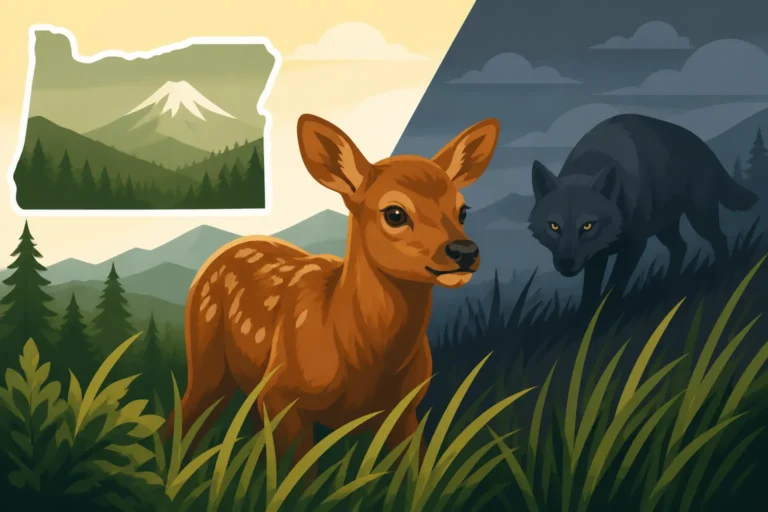
The Columbian blacktail deer (Odocoileus hemionus columbianus) is a subspecies of mule deer, but it’s a distinct animal in its own right, perfectly adapted to the wet, dense forests and coastal drainages of Western Oregon. Forget what you know about mule deer in open sagebrush; blacktails demand a completely different approach. Their stealth and ability to melt into the undergrowth are legendary, often frustrating hunters who are used to more open-country game.
Physical Characteristics and Subspecies Distinction
Columbian blacktails are generally smaller than their Rocky Mountain mule deer cousins, both in body size and antler mass. An average mature buck might weigh anywhere from 120 to 200 pounds, though some larger individuals can push 250 pounds. Does are considerably smaller, usually ranging from 80 to 120 pounds. Their coats are typically a reddish-brown in summer, fading to a more grayish-brown in winter.
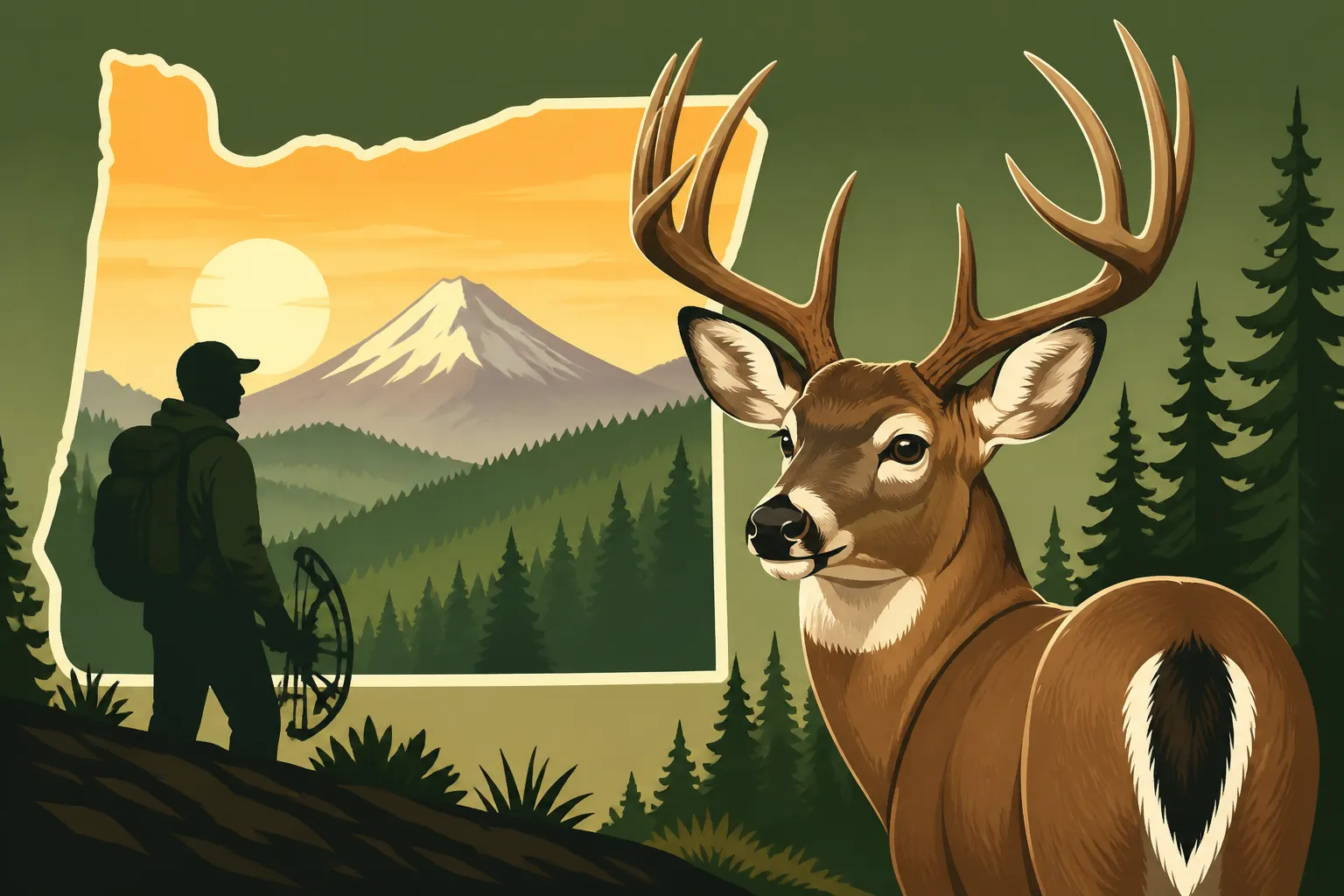
What truly distinguishes them, and gives them their name, is their tail. It's relatively short, all black or dark brown on top, and white underneath, with a distinct dark stripe running down the top. When alarmed, they'll often flag this dark tail as they bound away. Unlike the bounding gait of a mule deer or the open-field run of a whitetail, blacktails often utilize a crouched, sneaking motion through thick cover, using their dark coloration and silent movement to disappear almost instantly. While they share some genetics with mule deer, particularly in the Cascade mountain range where their territories may overlap, their physical adaptations and behaviors are distinctly suited to the coastal and interior rainforest environments they call home.
Preferred Habitat and Terrain in Western Oregon
Western Oregon offers a smorgasbord of dense, wet habitats that blacktails adore. You'll find them thriving in the Coast Range, the western slopes of the Cascades, and throughout the Willamette Valley’s forested edges. Their preferred terrain is a mosaic of dense conifer forests, clearcuts at various stages of regeneration, brushy creek bottoms, and steep, timbered slopes.
They particularly love areas with thick understory—think salal, sword fern, huckleberry, and vine maple. This dense vegetation provides crucial cover for bedding, feeding, and escaping predators like cougars and coyotes. New growth in clearcuts, especially those 2-5 years post-logging, are absolute magnets for blacktails due to the abundance of browse, but they will rarely venture far from the safety of mature timber. Understanding this preference for thick cover is paramount. You won't often spot blacktails standing in wide-open fields during daylight, unless it's very early or very late, and usually only if dense cover is just a few steps away. They are creatures of the edge, constantly looking for security.
Blacktail Deer Numbers and Population Trends
Oregon's blacktail deer populations are generally stable, though localized fluctuations occur due to habitat changes, severe winters, and predation. The Oregon Department of Fish and Wildlife (ODFW) monitors these populations closely, and while they don't experience the dramatic declines seen in some Eastern Oregon mule deer herds, challenges remain. Habitat fragmentation due to development and changes in timber harvest practices can impact localized numbers.
The sheer density of their habitat makes accurate population counts difficult. Unlike open-country species where aerial surveys are effective, counting blacktails in the Coast Range's thick canopy is nearly impossible. Therefore, ODFW often relies on harvest data, hunter surveys, and browse surveys to estimate populations. Generally, hunter success rates remain relatively consistent, indicating a healthy, albeit challenging, population. Hunters seeking to maximize their odds often spend considerable time E-Scouting Oregon units with satellite imagery to identify prime habitat. It's a game of finding the right cover at the right time.
The Blacktail Rut in Western Oregon
The rut is a magical and often frustrating time for blacktail hunters. While it can concentrate deer and make bucks more vulnerable, the dense Western Oregon terrain still presents significant hurdles. Understanding the timing and behaviors during this crucial period can make or break your hunt.
Peak Rut Periods and Regional Variations
The blacktail rut in Western Oregon typically kicks into high gear from late October through mid-November, with the peak often falling around the first two weeks of November. However, like all things in nature, there can be regional variations. Deer in the southern Coast Range might start showing signs of rut activity a little earlier than those further north, or in higher elevations. Weather also plays a significant role; a cold snap can often trigger increased activity, while unusually warm weather can suppress it.
During this period, bucks become far more active, less cautious, and more focused on finding receptive does. They will cover more ground, leave more sign, and can sometimes be drawn into areas they might normally avoid during daylight hours. This is the window many hunters wait for, as it provides the best chance to intercept a mature buck on the move. However, even during the rut, blacktails rarely abandon their instinct for thick cover. You'll still find them working edges and moving through the densest parts of the forest. Understanding the Blacktail Rut Timing in Western Oregon is crucial for planning your hunting dates.
Pre-Rut and Post-Rut Buck Behavior
Before the peak rut, in late September and early October (the pre-rut), bucks are still somewhat patternable. They're focused on feeding heavily to build up reserves for the coming breeding season. During this time, you might find them in areas with abundant browse, often moving between feeding grounds and bedding cover. They're less aggressive and more nocturnal, but trail cameras can reveal patterns. This is a great time for diligent scouting, as you can pinpoint travel corridors and feeding areas before the chaos of the rut truly begins.
After the rut (post-rut), usually late November and into December, bucks are exhausted and have lost significant body weight. Their focus shifts back to recovery, and they become even more reclusive than usual. They'll seek out thick, secure bedding areas and feed intensely, trying to regain lost condition before winter sets in. This can be a very challenging time to hunt, as deer activity often slows down significantly, and they become highly sensitive to pressure. If hunting during this phase, focus on dense thermal cover and south-facing slopes where browse might still be available.
Reading Sign and Anticipating Movement During the Rut
During the rut, bucks leave behind a treasure trove of signs that can tell you a lot about their presence and movement. Scrapes and rubs become more prevalent and active. Scrapes are areas where a buck paws the ground, often under an overhanging branch, depositing scent from his preorbital glands and urine. Rubs are where bucks polish their antlers on saplings and small trees, leaving visual and scent markers. The freshness of these signs can indicate how recently a buck was in the area.
Look for heavily used trails, especially those that parallel ridge lines or connect dense timber with clearcut edges. Bucks will cruise these corridors, scent-checking for does. Observing the direction of rubs can sometimes indicate the travel path of a buck. During the rut, bucks will often move more during daylight hours, but often remain close to cover. Pay close attention to pinch points, saddles, and benches on steep terrain—these are natural funnels where deer movement is concentrated. A good resource like GoHunt can help you overlay public land boundaries with satellite imagery to identify these key features. The ability to read a two-year-old clearcut for bucks is an invaluable skill that can reveal where deer are actively browsing and hiding.
Key Habitats and Scouting Strategies
Successful blacktail hunting hinges on understanding their preferred habitats and knowing how to effectively scout them. Western Oregon's diverse landscape means blacktails can be found in a variety of places, but certain features consistently draw them in.
Hunting Clearcuts and Edge Cover
Clearcuts are undeniably prime blacktail habitat, especially those that are 2-5 years old. These areas explode with new growth after logging, providing an abundance of browse, such as fireweed, huckleberry, vine maple, and various forbs. However, hunting clearcuts is not as simple as walking through them. The deer utilize the "edge cover" where the clearcut meets the mature timber. They will feed in the younger growth, often moving just inside the cut, but always with a quick escape route into the dense timber.
The key is to focus on these transition zones. Look for fingers of timber extending into the clearcut, benches, draws, and small patches of unlogged cover within the clearcut itself. These act as security cover and travel corridors. Often, the best strategy is to sit and glass the edges at first and last light, or to still-hunt slowly along the timberline. For a deeper dive, consider articles like Reading Clearcut Edges for Blacktail Bucks for specialized tactics. You'll find that blacktails are masters of using even the slightest changes in topography and vegetation for concealment.
Dark Timber and Canyon Bottoms
While clearcuts get a lot of attention, don't overlook the dense, dark timber and steep canyon bottoms. These areas often serve as bedding grounds, escape routes, and travel corridors, especially when hunting pressure pushes deer out of more open areas. Blacktails use the thermal cover of thick conifers during cold weather and seek shade in dense canyons during warmer periods.
Still-hunting through these dark timber stands requires immense patience and acute awareness. The visibility is often measured in feet, not yards. Look for subtle deer trails, rubs, and fresh tracks. Focus on moving silently, taking a few steps, then pausing for several minutes to scan for movement. Often, the only way you'll spot a blacktail in this environment is to catch a flicker of an ear or the outline of a leg. Canyon bottoms, particularly those with water sources and dense brush, can hold deer throughout the day. These areas are often overlooked by hunters who stick to clearcuts.
Utilizing E-Scouting Tools for Western Oregon
In today's hunting world, effective e-scouting is nearly as important as boots-on-the-ground reconnaissance, especially for a challenging species like the blacktail. Tools like onX Hunt, BaseMap, or the mapping features provided by GoHunt allow you to virtually explore vast tracts of Western Oregon from the comfort of your home.
When e-scouting, look for several key features:
- Recent Clearcuts: Use satellite imagery to identify logging activity. Different shades of green can indicate various stages of regeneration. Aim for those areas with mixed cover.
- Topographic Features: Identify saddles, ridge lines, benches, and draws. These funnel deer movement. Pay attention to how steep the terrain is; blacktails are incredibly adept at navigating vertical landscapes.
- Water Sources: While Western Oregon isn't typically dry, locating specific springs, seeps, or year-round creeks within a general area can be beneficial, especially during dry spells.
- Access Points and Roads: Determine legal access points, road closures (using ODFW maps or Reading Green Roads on an Oregon Travel Management Map), and potential walk-in areas.
- Land Ownership: Crucially, differentiate between public lands (National Forests, BLM) and private timber holdings. Many private timber companies in Oregon offer access permits, so knowing the land ownership is vital before you hunt.
By spending time e-scouting, you can narrow down your physical scouting efforts, saving valuable time and energy, and often discover overlooked pockets of prime blacktail habitat.
Effective Hunting Techniques for Blacktails
Hunting Columbian blacktails is less about long-range shooting and more about patience, stealth, and intimate knowledge of their habitat. These techniques are designed to put you in close proximity to these wary deer.
Still-Hunting in Dense Cover
Still-hunting is arguably the most effective method for blacktails, especially in the thick, often wet, Western Oregon timber. It's a slow, deliberate process that requires immense patience. The basic premise is simple: you move a few steps, then stop and scan, repeating this pattern endlessly.
The "stop" part is more important than the "go" part. You should be still for much longer than you are moving, often 5-10 minutes at a time, sometimes more. During these pauses, actively scan for any unnatural lines, a patch of hair, an ear flick, or the horizontal line of a deer's back contrasting with the vertical lines of trees. Use your binoculars frequently, even in dense cover, to pick apart shadows and brush. Move into the wind whenever possible, or across it. Your pace should be painstakingly slow, sometimes only covering a few hundred yards in an hour. This tactic is so vital that dedicated articles like Still-Hunting Speed in Wet Brush exist to refine it. The goal is to spot the deer before it spots you, often when it's bedded or moving slowly.
Stand Hunting and Ambush Points
While less common than still-hunting, stand hunting (either from a tree stand or ground blind) can be effective in specific scenarios, particularly during the rut or in areas with very defined travel corridors. The key is finding a bottleneck or natural funnel where deer are consistently moving.
Ideal ambush points include:
- Saddles or Benches: On steep hillsides, deer will often take the path of least resistance, using natural contours to travel.
- Edge of Clearcuts: Setting up where a well-used trail exits dark timber into a clearcut, or vice versa, can be highly productive.
- Water Sources: If you find a spring or seeping area that deer frequent, especially in drier periods, it can be a good spot.
- Rub/Scrape Lines: During the rut, placing a stand near a string of fresh rubs or scrapes along a ridge can put you in the path of a cruising buck.
For stand hunting to work, scent control is paramount, and you need to be extremely quiet entering and exiting your setup. Often, success means anticipating where an unseen deer will emerge. Early morning and late evening are usually the most productive times.
Calling and Rattling for Blacktails
While not as widely practiced as for whitetails or even Rocky Mountain elk, calling can be a surprisingly effective tactic for blacktails, especially during the rut. Deer vocalizations, like doe bleats and fawn distress calls, can pique a buck's curiosity or draw in a doe, bringing a buck along with her.
- Doe Bleats: Soft, drawn-out bleats can simulate a lonely doe looking for company. Use these sparingly and realistically.
- Fawn Distress: A more aggressive call, this can sometimes bring in does concerned for a fawn, or even a buck looking to check out the disturbance.
- Rattling: Mimicking the sound of two bucks fighting can be very effective, especially during the peak rut. Mature bucks are often eager to assert dominance or investigate a potential rival. Start with light sparring sounds, then escalate to more aggressive crashing, followed by a period of silence (often 10-15 minutes) as you scan intently. Be prepared for a buck to come in quickly and quietly from an unexpected direction.
Patience is key with calling. Often, bucks will circle downwind to scent-check before committing, so be aware of your wind direction and choose your setup carefully. Articles like Rattling for Blacktail Bucks can offer even more specific strategies.
Essential Gear for Western Oregon Blacktail Hunting
Western Oregon's environment demands specific gear choices. Rain, dense vegetation, and steep terrain will test your equipment. Investing in quality gear isn't a luxury here; it's a necessity for comfort, safety, and success.
Optics and Visibility in Dense Forests
Unlike hunting in open country where high-power binoculars and spotting scopes are kings, blacktail hunting in Western Oregon often requires a different optical strategy. Visibility is typically limited to 50-100 yards, sometimes much less.
- Binoculars: A good pair of 8x or 10x binoculars with excellent low-light performance is crucial. While larger objective lenses (e.g., 50mm) can gather more light, they also add weight. A balanced pair, like 8×42 or 10×42, from brands like Leupold, Vortex, or Maven, offers a good compromise. You'll be using them constantly to pick apart shadows and identify parts of a deer.
- Rifle Scope: For rifle hunters, a variable scope with a low-end magnification of 1x or 2x is highly beneficial for close-quarters shots in thick timber. A 1-4x, 2-7x, or 3-9x scope is often ideal. Fast target acquisition and a wide field of view are more important than extreme magnification.
- Rangefinders: While not always necessary in dense timber, a rangefinder can still be useful when a deer steps into a small opening or for confirming distances across a clearcut. Look for models with good brush-penetrating capabilities.
Remember, the goal is to spot the deer, not just a vague shape. Good glass will make all the difference in deciphering the subtle clues in a cluttered environment.
Footwear and Rain Gear for Wet Conditions
This cannot be stressed enough: you will get wet in Western Oregon. Good rain gear and footwear are not optional; they are survival tools.
- Footwear: Waterproof, durable, and comfortable boots are paramount. Look for models with aggressive tread for traction on wet, steep slopes and through mud. Brands like Kenetrek, Schnee's, or even high-quality rubber boots like Lacrosse Alphaburly Pros, are popular. Ensure they are well-broken in before your hunt. Consider waterproof gaiters to keep brush and water out of your boots and lower pant legs. Articles like Boots for Wet Coastal Hunting offer more specific advice.
- Rain Gear: You need a high-quality, breathable, and truly waterproof rain jacket and pants. Look for Gore-Tex, Pertex Shield, or similar proprietary waterproof membranes. The key is "breathable" because you'll be exerting yourself, and you don't want to get soaked from the inside out by sweat. Brands like Sitka Gear, KUIU, and First Lite offer excellent hunting-specific options. A good set will have sealed seams, adjustable cuffs and hoods, and durable zippers. Don't skimp here; cheap rain gear will fail, and a wet hunter is a miserable and potentially unsafe hunter. Rain Gear That Actually Stays Dry is a good resource to review.
Weapon Choices for Close-Quarters Hunting
Given the dense cover and typically shorter shooting distances, weapon choice for blacktails often favors reliability and effective knockdown power at close range.
- Rifles: Common rifle calibers include .30-30, .308 Winchester, .270 Winchester, 6.5 Creedmoor, and .30-06 Springfield. While magnum calibers certainly work, they're often overkill for blacktails and can be uncomfortable to shoot repeatedly in a hunting scenario. The focus should be on accuracy and bullet construction that performs well on deer at moderate velocities. A compact, maneuverable rifle is often preferred over a long-barreled magnum. For more general advice, consider Rifle Choice for Oregon Elk and Deer, which often applies to deer as well.
- Archery: Bowhunting blacktails is incredibly challenging due to the limited visibility and the deer's acute senses. A compound bow with a draw weight suitable for quickly getting an arrow through dense vegetation (often 60-70 pounds for elk, but 50-60 is common for deer), and broadheads designed for penetration on deer, are crucial. Keep your bowstring dry in coastal rain to prevent performance issues.
- Muzzleloaders: Oregon's muzzleloader seasons can offer unique opportunities. Modern inline muzzleloaders are popular, but traditional sidelocks are also used. Pay attention to Oregon Muzzleloader Equipment Rules regarding sights, sabots, and ignition types. Ensure your muzzleloader can handle wet weather conditions reliably.
Regardless of your weapon, practice shooting from hunting positions—kneeling, sitting, or quickly shouldering from a still-hunting stance. Most shots will be relatively close, but you need to be ready to react quickly.
| Weapon Type | Pros | Cons | Typical Western Oregon Application |
|---|---|---|---|
| Rifle | Versatile, good knockdown power, readily available. | Can be loud in close quarters, requires careful shot placement. | General season hunting, still-hunting clearcuts, stand hunting edges. |
| Archery | Silent, allows for longer seasons, challenging. | Very difficult in dense cover, extreme patience needed. | Archery season, close-range encounters in thick timber, targeting bedded deer. |
| Muzzleloader | Unique season opportunities, powerful, simple to operate. | Single shot, slower reload, weather-sensitive ignition (can be). | Controlled hunts, specific muzzleloader seasons, challenging yourself with traditional methods. |
Navigating Access and Regulations
Oregon has a mix of public and private lands, and understanding where you can hunt and what the rules are is critical. Getting it wrong can lead to trespass violations or fines.
Public Land Access: ODFW, BLM, and National Forests
Western Oregon offers extensive public lands managed by various agencies:
- National Forests: The Siuslaw, Willamette, Umpqua, and Rogue River-Siskiyou National Forests cover vast tracts of the Coast Range and Western Cascades. These lands are generally open to hunting, though specific restrictions (like wilderness area rules or fire closures) may apply. Pay attention to areas designated as wilderness, as rules for Oregon Wilderness Rules That Ban Motorized Carts and group size limits may apply.
- Bureau of Land Management (BLM): BLM lands are often interspersed with private timber and national forest lands. They are also generally open to hunting, but access can sometimes be challenging due to checkerboard ownership patterns.
- Oregon Department of Fish and Wildlife (ODFW) Wildlife Areas: These are managed primarily for wildlife and often have specific hunting seasons, access rules, and sometimes require special permits or validations. Check the current ODFW hunting regulations for details on specific wildlife areas.
Always carry a detailed map (physical and digital) showing land ownership. Applications like onX Hunt or using the GoHunt mapping platform are invaluable for confidently identifying property lines. Understanding Public Land Scouting in Oregon Before the Draw Results is also beneficial even for general season tags.
Hunting Private Timber Lands
A significant portion of Western Oregon is owned by private timber companies, such as Weyerhaeuser and Hancock Forest Management. These lands often offer excellent blacktail hunting opportunities due to active logging creating prime habitat. However, access rules vary greatly:
- Permit Systems: Many companies require hunters to purchase annual permits or daily passes for access. These can range from free online registration to significant annual fees. Check the company's website well in advance of the season, as permits can sell out quickly.
- Walk-In Access: Some areas are designated as walk-in only, meaning you can't drive onto the property but can walk in from an adjacent public road.
- Gates and Closures: Private timber roads are often gated, and access can be restricted seasonally, especially during fire season or wet periods to prevent road damage. Always respect closed gates and "no trespassing" signs.
It's your responsibility to know whose land you're on. Even if a gate is open, it doesn't automatically mean public access. Researching Hunting Clearcuts on Private Timber Land thoroughly is highly recommended before venturing out.
Oregon Blacktail Deer Season Dates and Tagging
Blacktail deer tags in Western Oregon are typically general season, meaning you don't have to draw a controlled tag. This makes them much more accessible for many hunters.
- General Season Dates: The general rifle season for buck deer in Western Oregon typically runs from late September through the end of October or early November, depending on the unit. Archery season usually opens in late August and runs through September, with some late archery opportunities as well. Muzzleloader seasons are typically controlled hunts. Always consult the most current ODFW Big Game Regulations pamphlet for exact dates for your specific unit, as they can change annually.
- Tagging Requirements: Once you harvest a deer, you must immediately validate your tag by notching the appropriate dates and attaching it to the animal. This is a legal requirement. You also have a mandatory harvest reporting obligation. Oregon Mandatory Harvest Reporting and the $25 Penalty is something every hunter needs to be aware of. Failing to report your harvest by the deadline will result in a penalty fee when you next purchase a license.
Field Care and Processing Your Blacktail
The work isn't over when you pull the trigger or release an arrow. Proper field care is paramount to ensuring you get high-quality venison from your blacktail. Western Oregon's often wet and mild conditions can complicate things.
Field Dressing and Cooling in Wet Weather
In Western Oregon, especially during the early archery season or a mild rifle season, warm temperatures can be a concern. Even in cooler, wetter weather, proper field dressing is crucial.
- Speed is Key: Get the animal field dressed as quickly as possible. Remove all internal organs to allow the carcass to cool from the inside out. This prevents bacteria growth and improves meat quality. If you're unfamiliar with the process, look up "gutless method" videos, which can be useful, especially for larger animals or if you're alone.
- Keeping it Clean: In wet or muddy conditions, try to keep the carcass as clean as possible. Avoid dragging it through mud if you can help it. If necessary, rinse the cavity with clean water (if available) and pat dry with paper towels or a clean cloth. Pack extra game bags to protect the meat from dirt, leaves, and insects.
- Airing Out: Once field dressed, try to hang the carcass (or quartered sections) to allow air circulation. This helps cool the meat and reduces moisture. If hanging isn't immediately possible, prop the animal open with sticks or small branches to maximize airflow.
Field dressing in 70-degree September heat is vastly different from a cold November day, but the principles of quick cooling remain.
Packing Out in Steep, Brushy Terrain
Western Oregon terrain is notoriously steep, brushy, and often slippery. Getting a blacktail out can be a significant challenge, especially if you're alone or hunting deep in a drainage.
- Quartering is Often Necessary: Unless you're very close to a road and have help, you'll likely need to quarter your deer. This involves breaking the animal down into manageable pieces (two front quarters, two hindquarters, backstraps, tenderloins, neck meat, and optionally, ribs). A good sharp knife, a small saw, and bone-out skills will make this much easier. Even if you're taking a short trip, a meat-haul frame pack is invaluable.
- Pack Frames are Your Friend: Don't try to sling a whole deer over your shoulders unless it's a small fawn. Invest in a quality external or internal frame pack designed for hauling meat. This distributes the weight efficiently and keeps the meat off your back.
- Take Your Time: Don't rush. One wrong step on a steep, wet slope with a heavy load can lead to injury. Use trekking poles for stability. Make multiple trips if necessary. It's better to take longer than to get hurt or compromise the meat. Packing meat out in the dark is a common reality, so a reliable headlamp is essential.
Butchering and Aging Blacktail Meat at Home
Once you've got your blacktail home, the final steps of processing will determine the quality of the table fare.
- Aging: If you have access to a cool, clean space (like a spare refrigerator set to 34-40°F), consider aging your blacktail for 3-7 days. Aging allows enzymes in the meat to break down muscle fibers, making it more tender and enhancing flavor. Don't age in warm conditions.
- Butchering: You can take your deer to a professional game processor (though finding a processor during peak season can be tough), or you can butcher it yourself at home. Butchering your own deer at home is a rewarding experience and ensures you get exactly the cuts you want. You'll need sharp knives, a clean workspace, and knowledge of deer anatomy.
- Grinding and Packaging: Process ground meat into hamburger, sausage, or jerky. Vacuum sealing or freezer paper are excellent for packaging cuts to prevent freezer burn. Label everything clearly with the date and cut. Properly processed and packaged venison can last in the freezer for 12-18 months.
Disclaimer
The information provided in this guide is for informational purposes only and is not a substitute for official Oregon Department of Fish and Wildlife regulations. Hunting laws and seasons can change, and it is the responsibility of every hunter to consult the most current ODFW hunting regulations pamphlet before heading into the field. Always prioritize safety and ethical hunting practices.