When an Oregon Cougar Zone Closes
Few things are more frustrating for an Oregon cougar hunter than putting in the effort, finding fresh sign, and then realizing the season for your zone has silently slipped away. The dynamic nature of cougar season closures, driven by harvest quotas, means you can't just set it and forget it like a general deer season. This guide is here to unravel the complexities of Oregon's cougar zone closure system, ensuring you have the tools and knowledge to stay legal and make the most of your hunting opportunities.
Understanding Oregon's Cougar Management System
Oregon's approach to cougar management is quite unique, especially for those accustomed to simpler, fixed-date seasons for other big game. Since the passage of Measure 18 in 1994, which prohibited the use of hounds and bait for cougar hunting, the Oregon Department of Fish and Wildlife (ODFW) has managed cougar populations primarily through a quota system across specific zones. This system aims to balance cougar numbers with prey populations (like deer and elk) and minimize human-wildlife conflict, all while adhering to the legislative constraints. It's a system designed to be responsive, but that responsiveness also places a greater burden on hunters to stay informed.
The Zone Quota System Explained
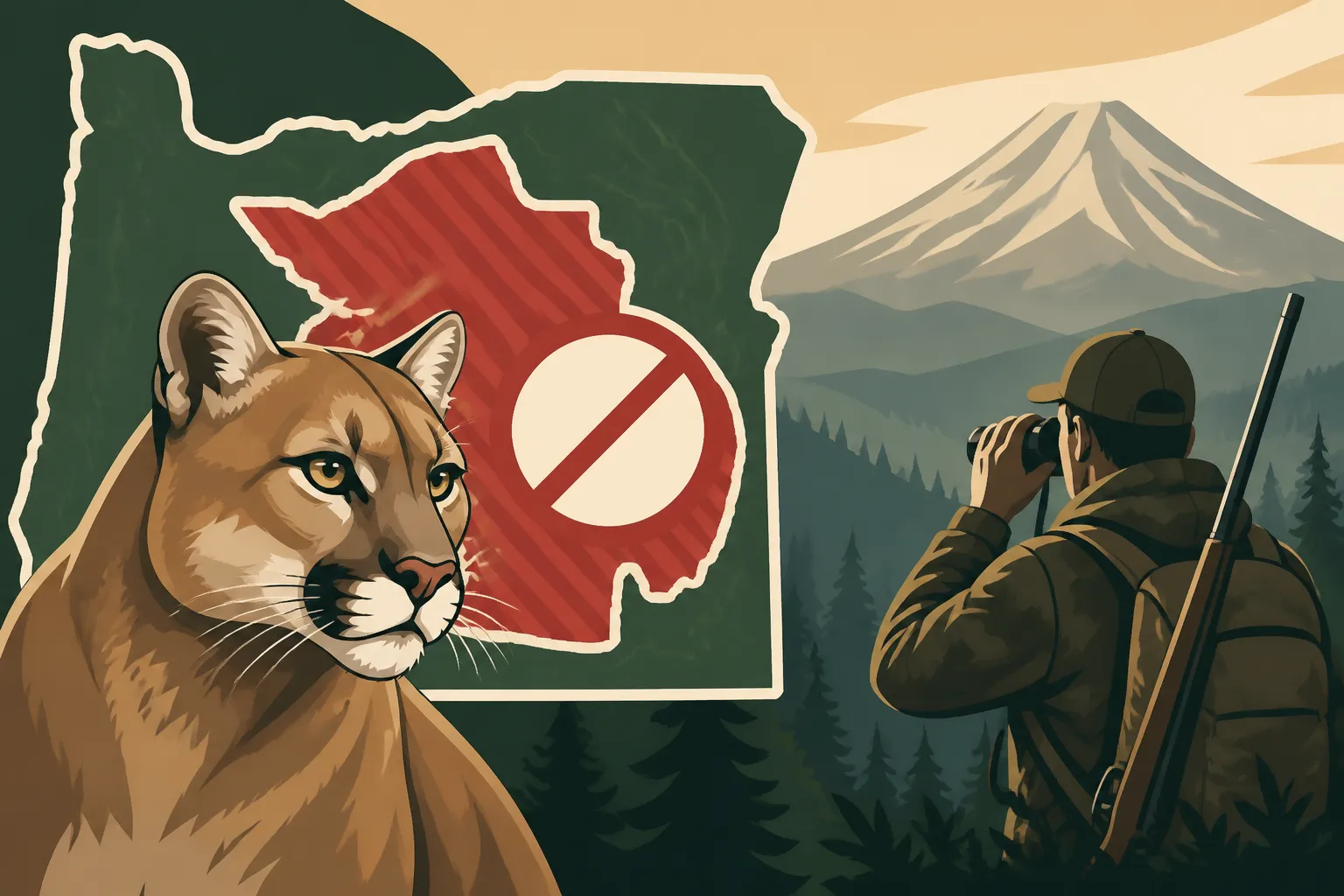
At the heart of Oregon's cougar management is the zone quota system. The state isn't just one big cougar hunting area; it's divided into distinct cougar management zones, each assigned a specific harvest quota. This quota represents the maximum number of cougars that can be harvested in that particular zone for the given year. Once the reported harvest in a zone reaches that predetermined number, that zone is immediately closed to cougar hunting for the remainder of the season.
This real-time closure mechanism is crucial to understand. It means a zone could be open one day and closed the next, depending on hunter success across the region. Unlike deer or elk tags that are unit-specific and valid for a set calendar period, your cougar tag is valid statewide but only in zones that are currently open. This adds a layer of constant vigilance to cougar hunting that many other big game pursuits don't require. Hunters need to be acutely aware of the status of their chosen zone right up until the moment they head into the field. If you're looking for more details on the general regulations, our guide on Oregon Cougar Tag Rules and Quotas offers a deeper dive into how these tags work.
Understanding Management Units
While the cougar management zones are the primary framework for quotas, these zones often align with or encompass multiple ODFW wildlife management units (WMUs), which you might be more familiar with from your deer and elk tags. For instance, a broad "Northwest Coast" cougar zone might cover several individual units like Trask, Wilson, or Alsea. This integration means that while you're checking the cougar zone status, understanding which WMUs fall within that zone is essential for planning your hunt and verifying your location in the field.
It's not uncommon for these zones and units to see boundary adjustments over time, usually in response to population data, land use changes, or harvest pressure. Staying updated with the latest ODFW regulation pamphlet is paramount, as maps outlining these zones are included and are your definitive guide. Hunting success in certain areas might lead to localized changes in quota allocation or even adjustments to zone boundaries in future seasons, reflecting ODFW's ongoing efforts to manage the species effectively.
Historic Closure Patterns
Looking at past seasons can offer some general insights, but it's vital to remember that history isn't a guarantee for future closures. Some zones, particularly those with higher cougar densities or more accessible public land, tend to fill their quotas and close earlier in the season. These often include areas in the Coast Range or certain parts of the Cascades where there's significant deer and elk populations, providing ample prey for cougars. Conversely, more remote or less hunted zones, especially in the high desert or areas with limited access, might remain open longer, sometimes even through the entire designated season.
Heavy snow years, for example, can impact hunter access and cougar movement, potentially delaying closures. Conversely, mild winters could mean more hunters in the field and an accelerated quota fulfillment. While a quick look at historical data can give you a rough idea of which zones might be "hotter" or "colder," it should never replace real-time verification before each hunt. Being prepared for these variations is part of the challenge and excitement of hunting cougars in Oregon, especially when you consider methods like Cougar Calling Techniques That Work in Oregon which rely on knowing where the cats are.
How to Monitor Cougar Zone Closures in Real-Time
Given the dynamic nature of Oregon's cougar seasons, knowing how to check for closures is just as important as knowing what the quotas are. Relying on outdated information can lead to a forfeited tag, a hefty fine, or worse, a wildlife violation on your record. The ODFW has established several channels to communicate these critical updates, and savvy hunters often use a combination of official and unofficial resources to stay completely informed. This isn't a set-it-and-forget-it type of hunt; it demands ongoing engagement.
Official ODFW Communication Channels
The primary and most authoritative source for cougar zone closure information will always be the Oregon Department of Fish and Wildlife. They typically maintain a dedicated webpage on their official site specifically for cougar harvest statistics and zone status updates. This page is usually updated frequently, often daily, during the hunting season, especially as zones approach their quota limits.
Beyond the webpage, ODFW often operates a dedicated hotline or phone number that hunters can call for the most current information. This can be particularly useful when you're out of cell service range but can find a landline, or if you simply prefer a direct verbal confirmation. Furthermore, ODFW may issue press releases or send out email alerts to subscribers when a zone officially closes. Signing up for these notifications directly from ODFW is a smart move for any cougar hunter. Remember, the regulation pamphlet provides the framework, but these real-time channels provide the immediate status. It's also a good idea to consult the Oregon Regulation Pamphlet Release Date to ensure you have the most current rules at the start of the season.
Leveraging Online Resources and Third-Party Tools
In addition to ODFW's official channels, many hunters find supplementary online resources invaluable. Websites and apps like GoHunt have become indispensable tools for many Western hunters. These platforms often aggregate ODFW data, presenting it in an easily digestible format, sometimes with map overlays that clearly show open and closed zones. GoHunt, for example, can provide detailed unit information, including harvest data and projections, helping you anticipate potential closures. While these tools are fantastic for convenience and visual aids, always cross-reference with official ODFW sources, especially when a zone is on the brink of closure.
Another resource is hunting forums and social media groups dedicated to Oregon hunting. While unofficial, these communities can sometimes provide early whispers of zones nearing quotas or share tips on where to check. Just be sure to always verify any information from these sources with ODFW directly, as misinformation can spread quickly. Having an app like GoHunt on your phone, with its ability to download offline maps, can be a lifesaver when you're deep in the woods and need to confirm your location relative to a zone boundary. This is especially useful when you're trying to determine your position while scouting or if you're working on Finding Cougar Tracks Without Hounds in unfamiliar territory.
The Importance of Pre-Hunt Checks
The golden rule for cougar hunting in Oregon is simple: check before you go. This isn't a suggestion; it's a necessity. Before you even pack your truck or lace up your boots for a hunt, you need to verify the open status of your intended hunting zone. This means checking the ODFW website or calling the hotline the day before, or even the morning of, your hunt. Imagine the disappointment of tracking a cat all day, making a successful harvest, only to find out the zone closed hours earlier.
This diligence is especially critical for multi-day hunts. If you're planning an extended trip into a remote area, you need a plan for checking updates periodically. This might mean driving to a point with cell service every couple of days or having a satellite communication device if you're deep in a wilderness area. The consequences of not checking are severe, and ignorance of a closure is not a valid defense. It’s a bit like checking for Oregon Fire Closures Before the Season – it's a non-negotiable part of responsible hunting preparation.
| Oregon Cougar Management Zones (Example) | General Location | Typical Harvest Quota* | Status Check |
|---|---|---|---|
| Northwest Coast (e.g., Trask, Wilson) | Coastal Mountains, NW Oregon | 30-50 | ODFW Website, Hotline, GoHunt |
| Southwest Coast (e.g., Powers, Sixes) | Coastal Mountains, SW Oregon | 20-40 | ODFW Website, Hotline, GoHunt |
| Central Cascades (e.g., McKenzie, Santiam) | Western Slopes of Cascades | 15-30 | ODFW Website, Hotline, GoHunt |
| Rogue (e.g., Rogue, Evans Creek) | Southern Oregon, Rogue Valley | 25-45 | ODFW Website, Hotline, GoHunt |
| Northeast (e.g., Wallowa, Starkey) | Blue Mountains, NE Oregon | 10-25 | ODFW Website, Hotline, GoHunt |
| Southeast (e.g., Whitehorse, Steens) | High Desert, SE Oregon | 5-15 | ODFW Website, Hotline, GoHunt |
| North Central (e.g., Maupin, White River) | Columbia Gorge/Central Oregon | 10-20 | ODFW Website, Hotline, GoHunt |
Note: Quotas are examples and vary annually. Always consult the current ODFW regulation pamphlet and real-time closure page for exact, up-to-date figures.
The Ramifications of Hunting in a Closed Zone
The excitement of a cougar hunt, the anticipation of a track, or the thrill of a calling sequence can sometimes make hunters overlook crucial details. However, ignoring or simply not being aware of a cougar zone closure carries significant legal and ethical consequences. It's not just a minor infraction; it's a serious violation that can impact your hunting privileges and your standing as a responsible sportsman.
Legal Penalties for Violations
Hunting in a closed cougar zone in Oregon is a wildlife violation, and the penalties can be substantial. Depending on the specifics of the situation and the discretion of the game warden, you could face significant fines that can run into the hundreds or even thousands of dollars. Beyond monetary penalties, a conviction can also lead to the forfeiture of your harvested animal, and potentially, the forfeiture of any hunting equipment used, such as firearms.
Perhaps most impactful for a dedicated hunter is the potential loss of hunting privileges. Oregon, like many other states, participates in the Wildlife Violator Compact. This means that if your hunting privileges are suspended in Oregon due to a violation, they will likely be suspended in all other member states as well. This could mean years, or even a lifetime, without the ability to pursue big game anywhere in the country. It's a harsh reality, but it underscores the importance of diligent pre-hunt checks. You can find more information about these consequences in our article on Oregon Wildlife Violation Penalties.
Ethical Considerations for Hunters
Beyond the legal ramifications, there's a profound ethical responsibility that comes with hunting in Oregon, particularly for a species like the cougar that is managed so carefully. Hunting in a closed zone, even unintentionally, undermines the very system designed to manage these magnificent animals sustainably. Every cougar taken contributes to the quota, and an illegal harvest not only misrepresents the actual take but can also lead to overharvesting in a specific area if not properly accounted for.
Responsible hunting is about respect—respect for the animal, respect for the land, and respect for the regulations that govern our pursuit. Being casual about checking zone closures reflects poorly on the hunting community as a whole and provides ammunition for those who seek to restrict hunting further. As hunters, we are stewards of wildlife, and adhering to all rules, no matter how complex, is a fundamental part of that stewardship. This applies whether you're actively hunting or just considering Cougar Hunting While Deer Hunting on the Same Trip.
Impact on Future Hunting Opportunities
Consistent violations within a zone, or a perceived lack of hunter compliance, can lead to ODFW evaluating stricter measures in the future. This could mean reduced quotas, shorter seasons, or even more complex management structures that further challenge honest hunters. The privilege of hunting cougars in Oregon, especially without the aid of hounds, is something many hunters value deeply. Preserving this privilege means every hunter doing their part to understand and follow the rules.
Moreover, if ODFW finds that their communication methods aren't effectively reaching hunters, they might implement changes that, while necessary, could add layers of bureaucracy. The goal is always to find a balance, and hunter cooperation is a huge factor in maintaining a manageable system. So, while it might seem like a small detail to check the closure status, it collectively contributes to the long-term health of cougar hunting in Oregon.
Planning Your Cougar Hunt Around Potential Closures
Given the fluid nature of cougar season closures in Oregon, effective hunt planning demands adaptability. You can't just pick a week, take off work, and assume your chosen zone will be open. Successful cougar hunters are those who build flexibility into their schedule and have backup plans, understanding that the hunt can change on a dime. This proactive approach not only keeps you legal but also maximizes your chances of success.
Flexibility in Hunt Planning
The single most important piece of advice for cougar hunting in Oregon is to be flexible. If you have the luxury, consider planning your cougar hunt during periods when zones are historically less likely to close, such as earlier in the season, or target zones that typically have higher quotas or lower hunter pressure. However, even this is not foolproof. The best approach is to have a few days off scattered throughout the season rather than one solid block, allowing you to react quickly when a favorable opportunity arises, or a preferred zone remains open longer than expected.
Many dedicated cougar hunters treat it as an "opportunity hunt." This means carrying a cougar tag whenever they are out deer or elk hunting, constantly watching for fresh sign. If a track is found and the zone is open, they can pivot to cougar hunting. This integrated approach, often done during prime periods for other big game, means you’re not solely reliant on specific dates for a dedicated cougar hunt. For those interested in this approach, knowing about Why Roosevelt Bulls Bugle Less Than Rocky Mountain Bulls or general deer patterns can help you be in the right place at the right time.
Alternative Hunting Strategies
Because of the quota system, having alternative zones in mind is a smart move. Research several cougar management zones that you're willing to hunt, rather than fixating on just one. Understand their general geography, access points, and historical closure patterns. This way, if your primary zone closes, you can quickly pivot to a secondary or tertiary option that is still open. This is where tools like GoHunt really shine, allowing you to quickly visualize open zones and identify new potential areas. Their mapping features are invaluable for scouting alternative locations, even remotely.
Consider also the type of hunting you'll be doing. If you're focusing on Cougar Calling Sounds That Draw a Cat In in a specific area, you might need to scout several locations across different zones to maximize your chances when the season is open. Still-hunting or tracking fresh sign are also viable strategies, and they too require pre-scouting for different areas. This often means paying attention to details like Cougar Territory Size and Movement to understand where cats are likely to be.
Pre-Season Scouting and Intelligence Gathering
Even before the season opens, you can begin your intelligence gathering. Regularly check the ODFW website for any pre-season announcements or changes to cougar zones or quotas. Keep an eye on weather forecasts, as heavy snowfall or prolonged freezing temperatures can impact hunter access and cougar movement patterns, potentially influencing when a zone might close.
Connecting with other ethical hunters, even if it's just through online forums, can sometimes provide valuable real-time, albeit unofficial, insights into activity in various zones. Remember, however, that official ODFW channels are always your final verification. But the more information you have, the better equipped you'll be to make informed decisions and adapt your plans as the season progresses. Knowing How Long to Sit a Cougar Set or understanding different cougar behaviors will also improve your success if you are prepared for shifting zone statuses.
Disclaimer
Please note that hunting regulations, quotas, and season dates can change. The information provided in this article is for general guidance only. Always consult the most current Oregon Department of Fish and Wildlife (ODFW) hunting regulations pamphlet and official ODFW website for the definitive and most up-to-date information before planning or engaging in any hunting activity. Failure to do so could result in legal penalties.