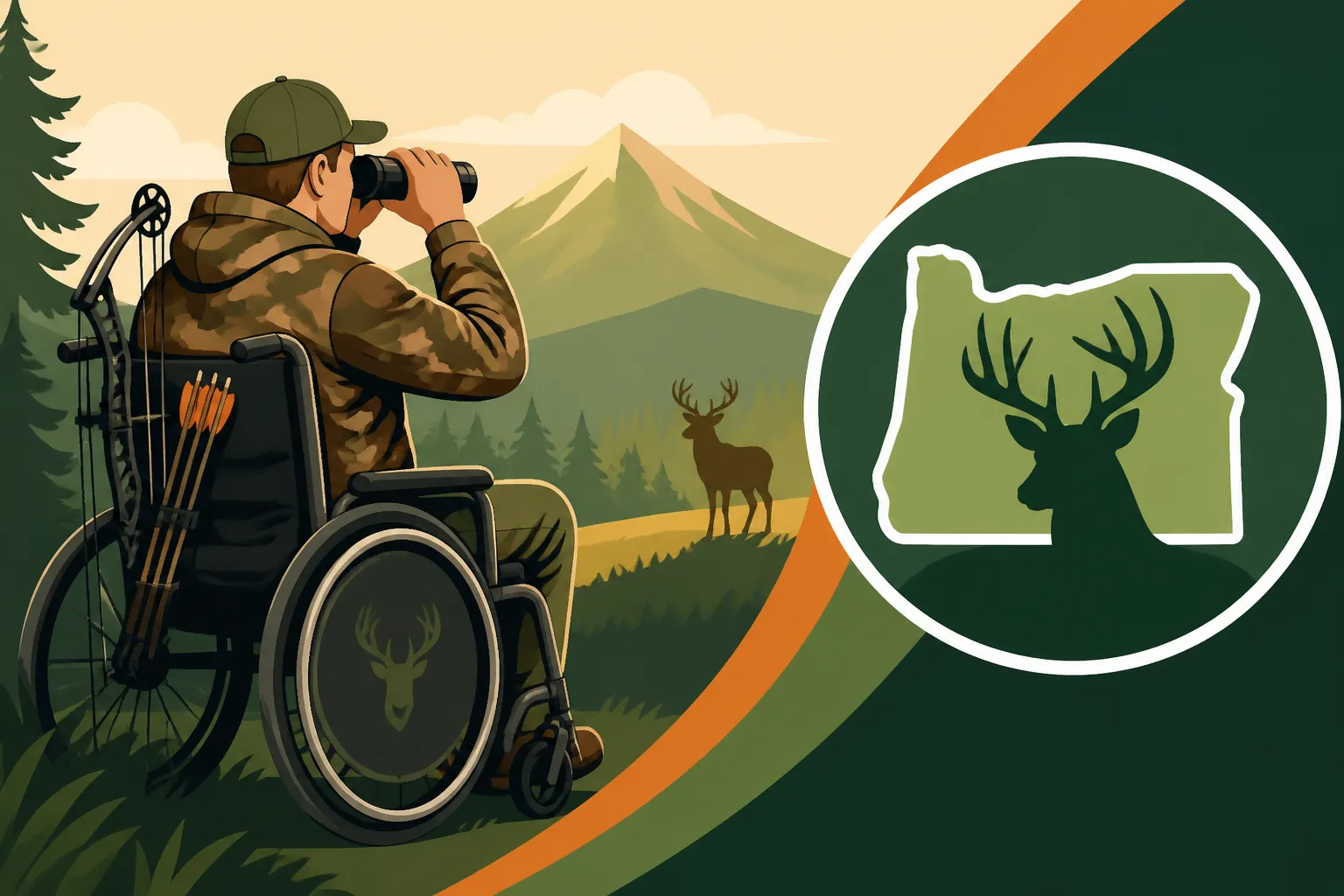
Oregon Disabled Hunter Permits
For many passionate hunters, the call of Oregon's wild places is a powerful one, but physical limitations can often make pursuing that passion incredibly challenging, even seemingly impossible. The thought of navigating dense timber, steep hillsides, or simply getting around after a harvest can be a real barrier. Thankfully, Oregon recognizes these hurdles and offers specific disabled hunter permits and accommodations designed to help individuals with qualifying disabilities continue to enjoy our state's rich hunting opportunities. This guide is here to walk you through everything you need to know about these permits, how to apply, and how to maximize your time in the field with the support available.
Understanding Oregon's Disabled Hunter Permits
Oregon's disabled hunter permits aren't just a courtesy; they're a vital lifeline for many who otherwise wouldn't be able to participate. These permits are designed to provide reasonable accommodations, acknowledging that a one-size-fits-all approach to hunting regulations simply doesn't work for everyone. The aim is to level the playing field, ensuring that the spirit of fair chase remains while offering necessary flexibility.
Who Qualifies for a Disabled Hunter Permit?
Qualifying for a disabled hunter permit in Oregon involves meeting specific criteria set by the Oregon Department of Fish and Wildlife (ODFW). It's not just about having a bad knee or an old injury; the disability typically needs to be permanent and significantly impair your mobility or ability to hunt under standard regulations.
Generally, ODFW looks for individuals who have a permanent physical disability that substantially limits one or more major life activities, specifically those related to hunting mobility. This often includes, but isn't limited to, people who:
- Are unable to walk without the aid of a wheelchair, crutches, or other assistive devices. This directly impacts the ability to cover ground in typical hunting terrain.
- Have a severe impairment of both lower extremities. Think about the strength and balance required for traversing uneven ground; this type of impairment makes it incredibly difficult.
- Are permanently and severely restricted in mobility due to a neurological, orthopedic, or other medical condition. Conditions like advanced arthritis, paralysis, or certain cardiac conditions can fall under this category.
- Have been issued a permanent disabled parking placard or license plate. While not the sole qualifier, this often indicates a recognized mobility impairment.
To apply, you'll need documentation from a licensed physician or a medical professional verifying the nature and permanence of your disability. This isn't a casual doctor's note; ODFW forms require specific information about your condition and how it impacts your ability to perform hunting-related tasks. It’s about providing clear, medical evidence that justifies the need for special accommodations. The goal is to ensure the system is used by those who genuinely need it, maintaining the integrity of the permit program.
Types of Accommodations and Privileges
Once you obtain a disabled hunter permit, several key accommodations become available, significantly enhancing your hunting experience and access. These aren't blanket exemptions from all rules but specific allowances designed to address common mobility barriers.
One of the most frequently utilized privileges is the ability to use a motorized vehicle for specified purposes in areas where general public access might be restricted. For example, while the general rule states that hunters must be 300 feet from an open road to shoot, a disabled hunter with the appropriate permit might be allowed to shoot from a stationary vehicle if they are physically unable to exit it and maintain stability. This is a critical distinction that can make the difference between participating and being left out. You can learn more about specific public land rules by reviewing guidance on Oregon's 300-Foot Rule Beside an Open Road.
Other common accommodations include:
- Designated Disabled Hunter Parking: Access to specific parking areas or the ability to park in ways that facilitate easier access to hunting spots, particularly on public lands like those managed by the Forest Service or BLM.
- Assistance in the Field: The permit may allow for a designated helper to assist in tasks like tracking wounded game, retrieving a downed animal, or setting up blinds, which might otherwise fall under "party hunting" restrictions for non-disabled hunters. This recognizes the physical demands of these tasks, especially with larger game like elk.
- Off-road Vehicle Use (ATV/UTV): In certain areas and under specific conditions, disabled hunters may be authorized to use ATVs or UTVs where otherwise prohibited, to access hunting grounds or retrieve game. This is often contingent on adhering to specific guidelines to minimize environmental impact. It's crucial to check local unit rules as these can vary.
- Extended Season Access (limited): While Oregon doesn't typically have entirely separate disabled hunter seasons like some other states, certain specific hunts or areas might offer extended access periods or alternative opportunities to accommodate physical limitations within existing seasons. Always check the current year's hunting regulations pamphlet carefully for any such provisions.
It's vital for every disabled hunter to thoroughly understand the specific privileges granted by their permit and any associated limitations. Misunderstanding a rule can lead to unintentional violations.
The Application Process for Disabled Hunter Permits
Navigating the application process for an Oregon Disabled Hunter Permit might seem daunting at first, but with a clear understanding of the steps and required documentation, it's quite manageable. The ODFW aims to make this as straightforward as possible for eligible individuals.
Step-by-Step Application:
- Obtain the Application Form: The first step is to get the official ODFW Disabled Hunter Permit application form. This is usually available on the ODFW website for download or can be picked up at an ODFW office.
- Physician Certification: This is the most critical part. Take the form to your licensed physician, or other qualified medical professional. They will need to complete a specific section, detailing the nature of your permanent disability, its impact on your mobility for hunting, and confirm that it meets the ODFW criteria. They'll need to sign and date it.
- Gather Supporting Documentation: While the physician's certification is primary, you might also include a copy of your current disabled parking placard or license plate as supplementary evidence, if applicable.
- Complete Your Section: Fill out your personal information clearly and accurately on the application form.
- Submit Your Application: Once fully completed and signed by both you and your physician, submit the application to ODFW. You can typically do this via mail to the ODFW Headquarters in Salem, or sometimes in person at regional offices. Always check the latest ODFW regulations or website for the most current submission methods and addresses.
- Processing and Approval: ODFW will review your application. If approved, you will receive your Disabled Hunter Permit by mail. This permit often comes in the form of a card or document that you must carry with you while hunting, along with your valid hunting license and tags.
Timelines and Important Considerations:
- Processing Time: Don't wait until the week before your hunt. ODFW generally takes a few weeks to process applications, so submit yours well in advance of the season you plan to hunt.
- Annual Renewal vs. Permanent: While the disability itself is permanent, some permits may require annual verification or a simpler renewal process, especially if the initial permit was conditional. Others, once issued, might be considered permanent for the duration of your hunting life in Oregon, provided your condition doesn't change. Always verify the specific rules for your permit type.
- Mandatory Reporting: Remember that even with a disabled hunter permit, you are still subject to all other Oregon hunting regulations, including mandatory harvest reporting for any deer or elk tags you fill. Forgetting to do so can result in a What the $25 Oregon Reporting Penalty Costs You.
Specific Hunting Privileges for Disabled Hunters
The special privileges granted by an Oregon Disabled Hunter Permit are focused on overcoming the most common barriers: mobility and the physical demands of retrieving game. Understanding these specifics is key to leveraging your permit effectively and hunting safely and legally.
Motorized Vehicle Use and Access
This is perhaps the most significant privilege for many disabled hunters. Oregon has strict rules about motorized vehicle use on public lands and even on many private timber lands, particularly regarding how close you can be to an animal when shooting. However, a disabled hunter permit often provides exceptions.
Normally, hunters are required to be a minimum distance, typically 300 feet, from a maintained road when shooting or must exit a vehicle before shooting. For a disabled hunter who cannot safely or practically exit their vehicle due to their mobility impairment, this rule poses an insurmountable barrier. The permit, in such cases, often allows the hunter to shoot from a stationary vehicle, provided it's on an open, legally accessible road or designated route. This means you aren't allowed to drive off-road to pursue game, but you can utilize the accessibility of existing road systems.
Furthermore, on some federal and state lands, certain roads or areas might be designated "motorized access for disabled hunters only." These specific routes or zones allow permit holders to drive further into an area than the general public, providing access to more remote locations that would otherwise be inaccessible. It's crucial to consult the relevant agency (Forest Service, BLM, ODFW) maps and regulations for the specific unit you plan to hunt, as these designated routes are often clearly marked. Tools like those mentioned in Reading Green Roads on an Oregon Travel Management Map can be invaluable here.
It's important to remember that these privileges come with responsibilities:
- Stationary Vehicle: The vehicle must be completely stopped and out of gear when shooting. You cannot shoot from a moving vehicle.
- Open Roads Only: You must still adhere to rules about designated open roads. The permit doesn't grant you permission to drive cross-country or onto closed roads, unless explicitly stated for a designated disabled access route.
- Safety First: Always prioritize safety. Ensure you have a safe backdrop and clear line of sight, just as any hunter would.
Assistance in the Field
Hunting, especially for larger game like elk or even a sturdy blacktail, can be incredibly physically demanding, particularly during retrieval. Dragging an animal, quartering it, or packing it out over difficult terrain are major undertakings. For a disabled hunter, these tasks might be impossible alone.
Oregon's disabled hunter permit often includes provisions for assistance from another individual, typically a non-hunting companion or another hunter in your party. This assistance can legally extend to:
- Tracking and Locating Game: A helper can assist in following a blood trail, which can be exhausting and require agility. The article on Blood Trailing in Oregon Rainforest Understory highlights how tough this can be.
- Retrieving Game: This is where assistance becomes critical. A helper can assist in dragging, quartering, and packing out an animal. This is especially helpful for larger animals like elk, where even an able-bodied hunter might struggle alone, as discussed in Packing Out an Elk in Oregon's Wilderness Units. The helper can even utilize their own vehicle (if allowed) or assistive devices to move the animal to an accessible road.
- Setting Up Blinds or Stands: Physical limitations can make construction or placement of blinds difficult. A helper can assist in this, ensuring the disabled hunter has a comfortable and effective setup.
It's vital that the helper understands the rules. They are assisting, not hunting on the disabled hunter's behalf. The disabled hunter must be present and capable of making the shot and fulfilling their role as the primary hunter. The permit does not allow one person to "hunt" for another. This is to maintain the integrity of the hunt and avoid issues commonly associated with unlawful party hunting or exceeding bag limits.
Navigating Challenges and Making the Most of Your Permit
Securing a disabled hunter permit is a fantastic first step, but a successful and enjoyable hunt requires careful planning and the right approach. From scouting to gear, there are many ways to overcome the inherent challenges and make the most of your time outdoors.
Planning Your Hunt with Accessibility in Mind
Even with a permit, successful hunting as a disabled individual demands meticulous planning. You can't just head out the door hoping for the best; every aspect needs to be considered through the lens of accessibility.
- E-Scouting is Your Best Friend: Before you even leave home, use digital mapping tools like GoHunt, onX Hunt, or the ODFW hunting access map. Look for areas with a good network of open roads, gentle slopes, or designated disabled access routes. Pay attention to topography, road closures, and land ownership. Tools like E-Scouting Oregon Units With Satellite Imagery are incredibly useful for identifying accessible terrain features and potential game habitat without physically needing to be there.
- Consider Your Unit Choice: Some Oregon hunting units are inherently more rugged and less accessible than others. While a permit helps, a unit known for its steep, roadless wilderness might still present too many challenges. Research units with good public road systems or those that specifically mention disabled access programs.
- Communicate with Partners: If you're hunting with friends or family, have an open and honest conversation about your needs and the limitations of your permit. Ensure they understand their role in assisting you and are prepared for the logistics, especially when it comes to game retrieval. This might mean having extra hands or specialized gear ready.
- Weather Conditions: Factor in weather. Wet, muddy conditions can make even easy terrain treacherous for someone with mobility issues. Plan hunts during drier periods if possible, or ensure your gear and vehicle are capable of handling adverse conditions.
Essential Gear and Equipment Adaptations
Beyond your firearm or bow, certain gear can significantly enhance your comfort, safety, and effectiveness as a disabled hunter.
- Mobility Aids: Depending on your disability, this could include specialized wheelchairs designed for rough terrain, mobility scooters, crutches with wider bases for stability, or trekking poles. Ensure any equipment you use is well-maintained and suitable for outdoor use.
- ATVs/UTVs: If your permit allows, a reliable ATV or UTV can be a game-changer for accessing areas and retrieving game. Invest in a model that's comfortable, reliable, and has good ground clearance. Make sure it's equipped with winches or other aids for safely loading game. Remember to check Reading a Travel Management Area Map Before You Drive to understand where you can legally operate these vehicles.
- Ground Blinds: Portable ground blinds can offer excellent concealment and comfort, allowing you to remain stationary and out of the elements for extended periods without needing to navigate difficult terrain. Look for models that are easy to set up and have ample space.
- Specialized Shooting Rests: For those with upper body limitations, various shooting rests and adaptive mounts are available to provide stability and assist with aiming, allowing for accurate and ethical shots.
- Communication Devices: Always carry a reliable form of communication, such as a satellite messenger (Garmin InReach, Zoleo) or a two-way radio, especially if hunting in remote areas with no cell service. Safety is paramount, and being able to call for help is crucial. This is good advice for all hunters, as covered in First Aid Kit Items for a Remote Hunt.
Finding Support and Resources
You don't have to navigate disabled hunting alone. Several organizations and ODFW resources are dedicated to supporting hunters with disabilities.
- ODFW Contacts: Your local ODFW office or the ODFW headquarters can provide specific guidance on permit applications, accessible hunting areas, and current regulations. Don't hesitate to call them with questions.
- Disabled Sportsman Organizations: Several national and state-level organizations, such as the National Wild Turkey Federation's Wheelin' Sportsmen program or local chapters of Safari Club International, often host special hunts, provide mentorship, or offer resources specifically for disabled hunters. These groups are fantastic for connecting with others who share similar challenges and experiences.
- Online Forums and Communities: Online hunting forums and social media groups dedicated to disabled hunting can be invaluable for sharing tips, asking questions, and finding hunting partners. Many experienced disabled hunters are eager to share their knowledge.
- GoHunt: While primarily a scouting and data platform, GoHunt often shares stories and resources relevant to all hunters, including those seeking accessible hunting options. Its detailed unit profiles can indirectly help identify areas with better road access.
- Mentored Programs: Consider participating in a mentored hunt program. Some organizations or even ODFW might occasionally offer guided opportunities for disabled hunters, providing hands-on experience and support. This ties into the general concept of mentorship seen in programs like the Oregon Mentored Youth Hunter Program, adapted for different needs.
By embracing these planning strategies, adapting your gear, and tapping into available support networks, hunting in Oregon can remain a rich and rewarding experience, regardless of physical challenges.
| Permit Type | Eligibility Criteria | Key Privileges | Notes |
|---|---|---|---|
| Disabled Hunter Permit | Permanent physical disability significantly impacting mobility for hunting, physician certified. | Motorized vehicle use exceptions (e.g., shooting from stationary vehicle on open roads), designated disabled parking. | Must be carried while hunting; check for annual renewal requirements. |
| Disabled Parking Placard | Issued by DMV for mobility impairment. | Allows parking in disabled spaces. | Often a prerequisite or strong supporting document for ODFW permit. |
| Special Access Program(s) | Varies by specific program/area. | Access to specific closed roads, managed areas, or limited-entry opportunities. | Check ODFW website and unit regulations for specific programs and dates. |
Disclaimer
Please note: The information provided in this guide is for general informational purposes only and does not constitute legal advice. Hunting regulations in Oregon can change frequently. Always consult the most current Oregon Department of Fish and Wildlife (ODFW) hunting regulations pamphlet and relevant agency websites (e.g., US Forest Service, BLM) for the most accurate and up-to-date information regarding disabled hunter permits, privileges, and specific unit rules before planning or engaging in any hunting activities. Failure to comply with all applicable laws and regulations can result in penalties.