Boots for Wet Coastal Hunting
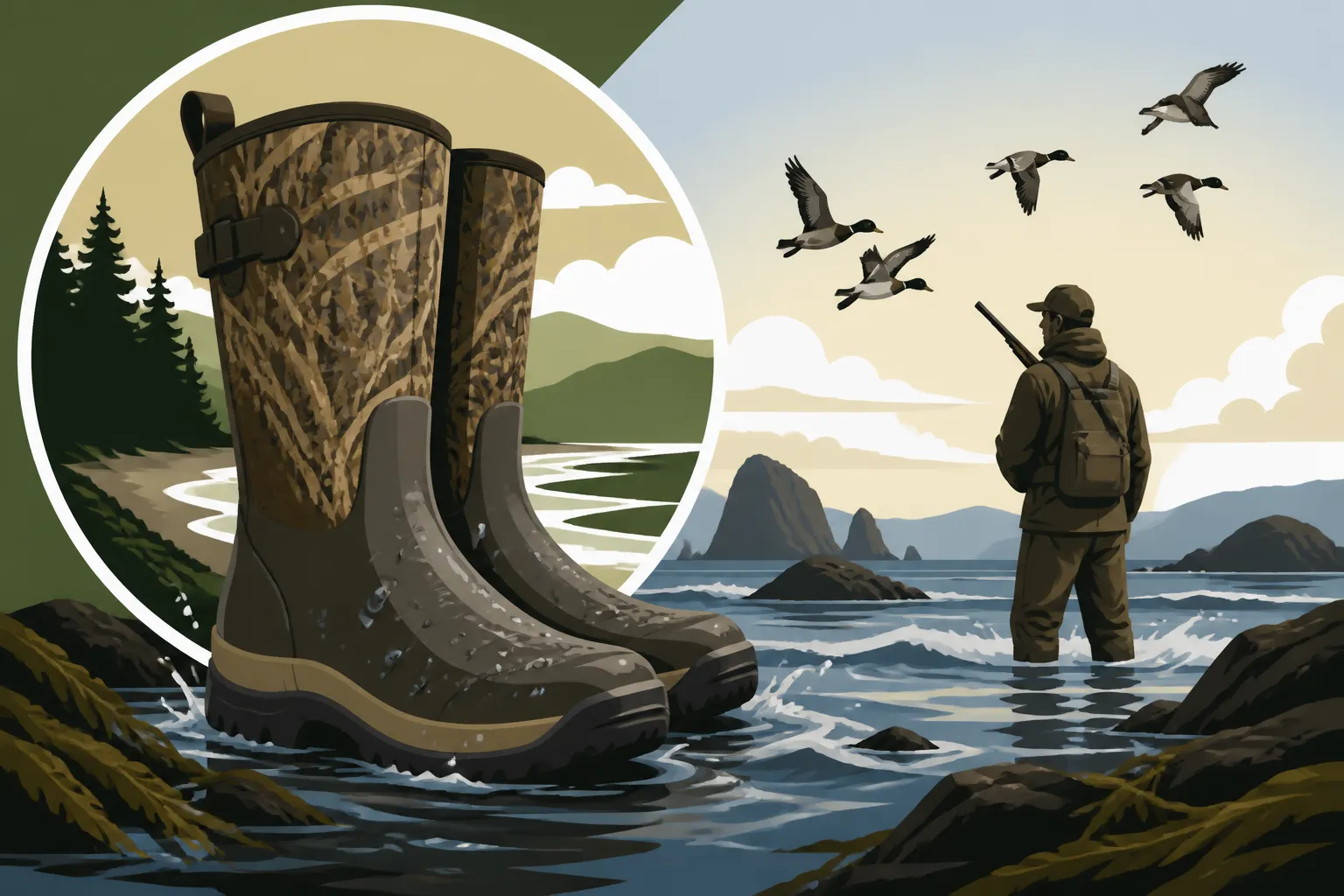
Few things can drain the joy out of a hunting trip faster than soaking wet feet. If you’ve spent any time chasing blacktails or Roosevelt elk through the dense, rain-soaked timber of Oregon’s Coast Range, you know exactly what I’m talking about. That chilling seep of water past your socks, the squish with every step, the inevitable cold that creeps into your bones – it’s miserable, and it can outright ruin an otherwise promising hunt. This guide is all about finding the right footwear to keep your feet dry and comfortable, letting you focus on the hunt, not your soggy toes.
Understanding the Unique Challenges of Oregon's Wet Coastal Environment
Hunting Oregon's coast is a whole different ballgame compared to the high desert or the dry east side. It's a place defined by moisture, dense vegetation, and a landscape that conspires to get water into every crevice of your gear.
Constant Moisture and Rainfall
When we talk about wet coastal hunting, we're not just talking about the occasional shower. We're talking about persistent drizzle, heavy downpours, boggy ground, and thick, moisture-laden brush that seems to hold onto every last drop of rain. The very air often feels saturated. This isn't a place where "water-resistant" cuts it; you need truly waterproof protection, often for days on end. The challenge isn't just surviving a single rainstorm, but enduring the constant dampness that permeates everything. From stepping into a hidden puddle under a canopy of sword fern to brushing through salmonberry thickets dripping with dew, your boots are under perpetual assault. For folks who spend time in these areas, like when you're Still-Hunting Blacktails in Wet Oregon Coastal Brush, the moisture isn't an "if," it's a "when" and "how much."
Varied Terrain and Underfoot Conditions
Beyond the water, the terrain itself in areas like the Siuslaw National Forest or the Trask Unit presents a diverse set of challenges. You’re often navigating steep, slippery hillsides covered in decaying leaves, slick mud, and moss-covered logs. Clear-cuts can be a jumble of downed timber, stumps, and deep ruts. Creek crossings are frequent, and often involve uneven, algae-slicked rocks. A good boot needs to not only shed water but also provide superior grip and stability to prevent slips and falls. This isn't flat, open ground where you just need good waterproofing; it demands a boot that can handle aggressive angles and constantly changing surfaces while you're focused on spotting movement or Reading Clearcut Edges for Blacktail Bucks. The best waterproofing in the world won't save you from a twisted ankle if your boot lacks the necessary traction.
Key Features to Look for in Wet Coastal Hunting Boots
Choosing the right boots for Oregon's wet coast isn't about finding the most expensive pair; it's about understanding which features truly matter for these specific conditions.
Waterproofing Technology That Actually Works
This is non-negotiable. Look for boots that boast robust, proven waterproofing technologies like Gore-Tex, eVent, or similar proprietary membranes. Crucially, pay attention to how the boot is constructed. A good waterproof boot will have a full waterproof membrane bootie that extends high up the ankle, ensuring water can't sneak in around the tongue or through seams. Some manufacturers, like those featured on GoHunt’s gear reviews, are really pushing the envelope with innovative materials that remain breathable while still offering incredible waterproof capabilities. Don't be fooled by "water-resistant" labels; for consistent coastal hunting, you need a true waterproof barrier. This is especially vital when the rain is relentless, much like when you're battling to Keep a Bowstring Dry in Coastal Rain – everything needs to be protected.
Traction and Stability on Slippery Surfaces
The outsole of your boot is your direct connection to the ground, and in wet, slick Oregon timber, it needs to be exceptional. Look for aggressive lug patterns that are self-cleaning, meaning mud and debris won't get caked in, reducing their effectiveness. Deeper, multi-directional lugs provide better grip on everything from wet rocks to soft mud. The rubber compound itself also matters; some compounds are designed to remain pliable and grippy in colder, wet conditions. A stiff sole can be a benefit for stability on uneven terrain and carrying heavy loads, but too stiff and you might lose some ground feel. Good ankle support is also paramount. Many hunters underestimate the importance of stability until they're traversing a steep, moss-covered slope while Packing Out an Elk in Oregon's Wilderness Units and a boot failure could mean a serious injury.
Comfort and Support for Long Days
Even the most waterproof and grippy boot is useless if it's uncomfortable. You'll be covering miles, often with a pack, through challenging conditions. Look for boots with ample cushioning, particularly around the ankle and tongue, and a supportive footbed. Arch support is critical to prevent fatigue, especially if you have high arches. Pay attention to the fit: snug, but not tight, with enough room in the toe box for your toes to wiggle, even with thicker socks. Remember, your feet swell throughout the day. Try boots on with the type of socks you'll actually wear, and walk around in them for a good while. Many hunting outfitters recommend spending a few hours in new boots at home before you ever hit the field, or even better, on short hikes. This isn't just about avoiding blisters; it's about maintaining focus and stamina when you're deep in Roosevelt Elk in Western Oregon country.
Popular Boot Types and Considerations for Coastal Hunts
When it comes to the actual construction and style of boots, you have a few main contenders, each with its own set of advantages and disadvantages in the coastal environment.
Rubber Boots Versus Leather/Synthetic Hybrids
This is often the biggest debate among hunters heading into wet country.
Rubber Boots:
- Pros: Unbeatable for 100% waterproofing. If the water doesn't go over the top, your feet will stay dry. They're often easier to clean, just rinse off the mud. They can be very durable in terms of puncture resistance from thorny brush. Many brands offer excellent traction.
- Cons: Can be less breathable than membrane-lined boots, leading to sweat buildup on long, strenuous hikes. This sweat can then make your feet cold, especially if you stop moving. They generally offer less ankle support than a well-constructed leather boot, which can be a concern on uneven terrain or when carrying heavy loads. They can also feel clunky or heavy for some users. Traditional rubber boots might not provide the precise fit and feel that a lace-up boot offers. However, modern rubber boots, like those from Lacrosse or Muck Boot Company, have come a long way, incorporating better insulation and more ergonomic designs.
Leather/Synthetic Hybrids (with waterproof membrane):
- Pros: Often more breathable, allowing sweat to escape, which is crucial for comfort and preventing cold feet. They typically offer superior ankle support and a more precise, customizable fit thanks to lacing systems. They tend to be lighter and more nimble for agile movement over varied terrain. Many hunters find them more comfortable for long distances, especially if they’ve invested in high-quality brands like Kenetrek or Crispi, which often feature heavily in reviews on sites like GoHunt. These boots often excel when traversing a mix of terrain, from open logging roads to deep timber, essential for chasing Columbian Blacktail Deer of Western Oregon.
- Cons: While waterproof, their seams and materials are theoretically more susceptible to eventual leaks compared to a seamless rubber boot, especially after years of hard use or if the outer material is compromised. They require more diligent care and maintenance to keep the leather treated and the waterproofing intact. Punctures from sharp sticks or barbed wire can compromise the membrane, leading to leaks.
Here's a quick comparison:
| Feature | Rubber Boots | Leather/Synthetic Hybrid Boots |
|---|---|---|
| Waterproofing | Excellent (100% if not overtopped) | Very good (membrane-dependent, requires care) |
| Breathability | Generally lower, can lead to sweat | Generally higher, better for active hunting |
| Ankle Support | Variable, often less than lace-ups | Excellent, customizable with lacing |
| Traction | Can be excellent with aggressive lugs | Excellent with well-designed outsoles |
| Comfort | Good for shorter distances, less custom fit | Excellent for long distances, customizable fit |
| Maintenance | Easy to clean, low ongoing treatment | Requires regular cleaning, conditioning, and DWR |
| Weight | Can be heavy, but varies | Generally lighter and more agile |
| Puncture Res. | Good | Membrane can be compromised by sharp objects |
Insulated Versus Non-Insulated Options
The decision between insulated and non-insulated boots for coastal Oregon often comes down to the specific season you're hunting and your personal tolerance for cold.
- Insulated Boots: If you're hunting in late fall or winter, particularly for the second rifle season for Oregon Roosevelt Elk Rifle Seasons in November, insulated boots can be a game-changer. Insulation, measured in grams (e.g., 400g, 800g, 1200g Thinsulate), helps retain heat. The downside is that insulation also reduces breathability and can make your feet sweat more if you're hiking hard, especially during milder weather. Too much insulation, and you risk your feet getting wet from internal moisture, which defeats the purpose. A moderately insulated boot (200-400g) is a good compromise for most late-season coastal hunts, especially for sedentary activities like sitting on a stand.
- Non-Insulated Boots: For early season hunts, like archery season in August or September, or even the first rifle season when temperatures can still be mild, non-insulated boots are often preferred. They offer maximum breathability, reducing the chance of sweaty feet. You can always manage warmth with layering socks (thin liner sock, then a wool outer sock). The key is to avoid insulation unless you truly need it, as overheating can be as detrimental to comfort as being cold. Many experienced hunters prefer to control warmth through sock choices rather than built-in boot insulation, giving them more versatility across different weather conditions, which is crucial given how quickly weather can change when Hunting Blacktails in Fog and Drizzle.
Ultimately, consider your activity level and the ambient temperatures you expect. If you're constantly on the move, less insulation or none at all might be best. If you're glassing for long periods in cold, damp conditions, some insulation will be a blessing.
Maintenance and Care to Maximize Boot Life in Wet Conditions
Even the best boots won't last if they aren't properly cared for, especially when continually exposed to the harsh, wet conditions of coastal Oregon.
Proper Cleaning and Drying Techniques
After every hunt, particularly a wet one, it’s vital to clean your boots. Remove mud, dirt, and debris from the uppers and especially the outsoles. A stiff brush and water often do the trick. For leather boots, make sure to rinse off any corrosive materials like animal blood or certain plant acids that can degrade the leather.
Drying is perhaps even more critical than cleaning. Never store wet boots.
- Remove insoles: Take out the footbeds to allow air to circulate underneath.
- Loosen laces: Open up the boots as much as possible.
- Air dry: Place them in a well-ventilated area, away from direct heat sources like campfires, wood stoves, or forced-air vents. Direct heat can dry out leather too quickly, causing it to crack, and can damage waterproof membranes and adhesives.
- Boot dryer: A dedicated boot dryer (electric with gentle, forced air) is an excellent investment for coastal hunting. These slowly circulate warm air and can dry boots thoroughly overnight without damaging them. This is especially useful for boots that might get soaked when crossing a large creek in the Alsea Unit Blacktail Hunting area.
- Stuff with newspaper: If you don't have a dryer, crumple up newspaper and stuff it tightly into the boots. The newspaper will absorb moisture. Change it every few hours until the boots are dry.
Never leave your boots to fester in the back of your truck, especially not for days on end. Mold and mildew will set in, destroying the integrity of the materials and creating an unpleasant smell.
Extending Waterproofing and Longevity
For leather or hybrid boots, regular treatment is key to maintaining their waterproof qualities and extending their life.
- Leather conditioning: Use a good quality leather conditioner or treatment, like Nikwax or Schnee's, especially for full-grain leather boots. These products re-moisturize the leather, preventing it from drying out, cracking, and losing its water repellency. Apply after cleaning and drying, following the product's instructions.
- DWR (Durable Water Repellent) refresh: The outer fabric (nylon or synthetic parts) of hybrid boots often has a DWR coating that helps water bead up and roll off. Over time, this wears off. You can refresh it with spray-on or wash-in DWR products. This doesn't affect the internal waterproof membrane but prevents the outer fabric from "wetting out," which makes the boot heavier and colder.
- Inspect and repair: Regularly check your boots for any signs of wear and tear. Look for loose stitching, delaminating soles, or small punctures. Address these promptly. Many local cobblers can re-stitch seams or re-glue soles, saving you from buying a new pair. Don't wait until a small issue becomes a catastrophic leak on your hunt in the Wilson Unit Elk Country. Investing in quality boots from brands often reviewed on GoHunt, and then taking care of them, is a far more sustainable approach than constantly replacing cheap ones.
- Store properly: When not in use, store your boots in a cool, dry place, out of direct sunlight. Consider using boot trees or stuffing them lightly with newspaper to help them retain their shape.
Proper care not only extends the life of your expensive footwear but ensures that when you head out, whether it's for deer in the Blacktail Deer Habitat in Oregon Clearcuts or chasing elk, your feet will be the least of your worries.
Disclaimer
The information provided in this guide is for general informational purposes only and does not constitute professional advice. Always consult the official Oregon Department of Fish and Wildlife regulations and any applicable land management agency rules before hunting. Hunting is an inherently risky activity, and safety should always be your top priority.