Unfilled Tags and Partial Refunds
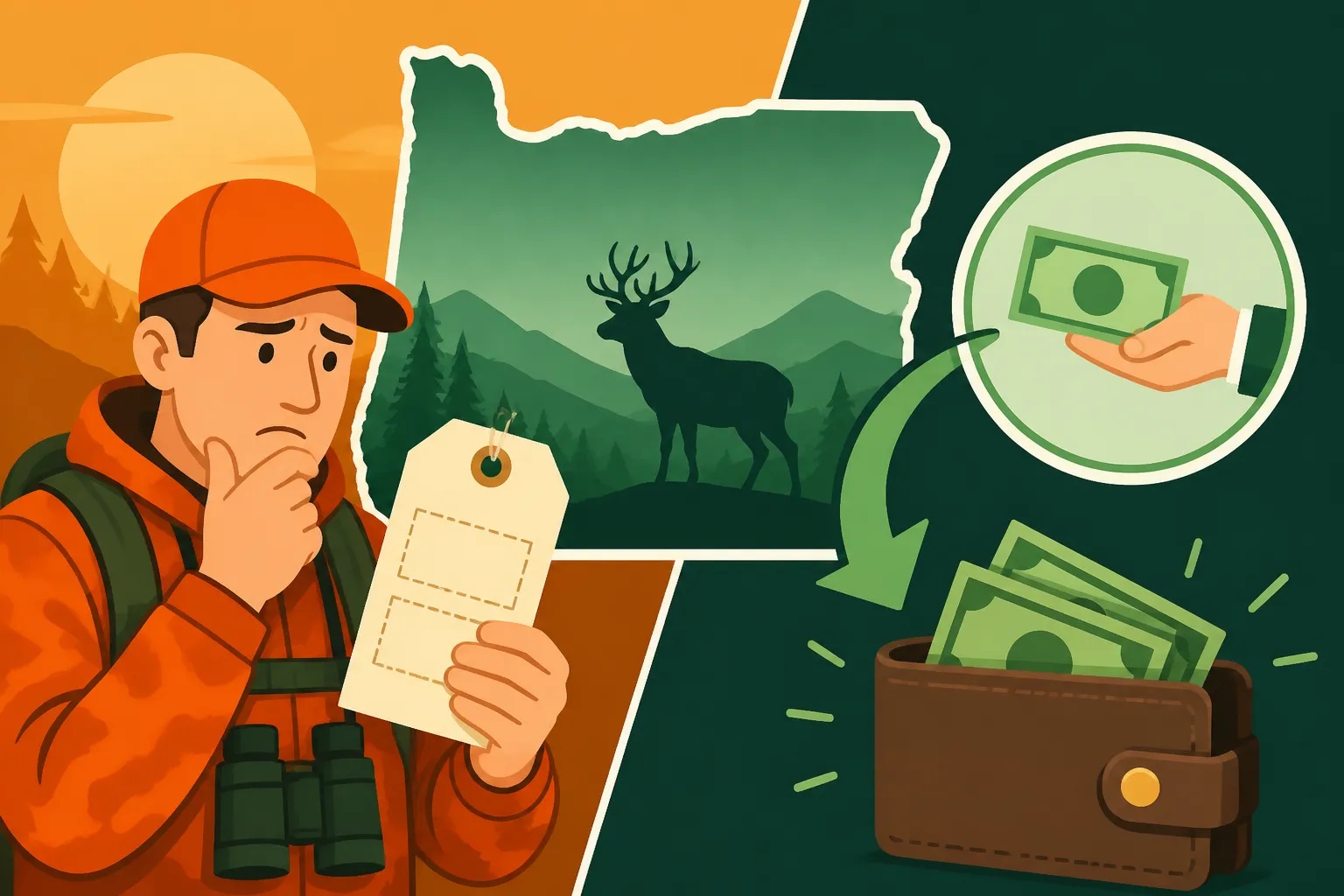
It's incredibly frustrating to invest your hard-earned money and precious time into an Oregon guided hunt, only to walk away with an unfilled tag. The anticipation, the scouting, the gear — it all builds up to a moment that sometimes just doesn't materialize. When you're facing this scenario, a common question arises: what happens with your payment? This guide will dive deep into the often-confusing world of outfitter policies regarding unfilled tags and whether you can expect a partial refund or a rebooking option.
The Reality of Unfilled Tags in Oregon Guided Hunts
Let's be real: hunting is hunting, not shopping. There are no guarantees when you're pursuing wild animals in their natural habitat, especially in diverse and challenging terrain like Oregon's Coast Range or high desert. Understanding this fundamental truth is the first step in managing expectations for a guided hunt and what happens if you don't punch your tag.
What "Success" Means to an Outfitter Versus a Hunter
For many hunters, success is measured by filling a tag – bringing home meat for the freezer or a trophy for the wall. That's a natural and understandable goal. However, for most reputable outfitters, particularly those operating on public lands in Oregon, "success" is defined differently in their contracts. It's about providing a legitimate opportunity to harvest an animal. This means they put you in a position, scouted, planned, and worked hard to give you a shot.
Think about it this way: an outfitter can't control the weather, the animals' exact movements, or your shooting ability. Their job is to ensure you have a reasonable chance based on their expertise and knowledge of the area. If they consistently put clients on game, even if not every client seals the deal, they consider that a successful operation. This distinction is crucial because it forms the foundation of most outfitter refund or rebooking policies. It's a key point to clarify when asking Questions to Ask an Oregon Outfitter before you book.
Common Scenarios for Unfilled Tags
There are countless reasons why a tag might go unfilled, and they're often a blend of factors largely outside anyone's direct control. In Oregon, these can be particularly acute:
- Animal Behavior: Elk or deer can simply go quiet, move into impenetrable cover, or disappear. In the dense timber of Western Oregon, a bull can be vocal one day and vanish the next. Or, in Eastern Oregon's vast sage, mule deer can seemingly evaporate into the landscape.
- Weather Conditions: Oregon is notorious for unpredictable weather. Heavy rain can make tracking difficult or make animals less active. Sudden snowstorms can shut down roads or push animals to private land. Conversely, extreme heat in early season hunts can make elk nocturnal and hard to find during legal shooting hours. Hunting Camp Fire Restrictions in Dry Years or sudden smoke can also impact visibility and animal movement.
- Hunter Performance: This is a tough one to admit, but sometimes the hunter misses an opportunity. A missed shot, making too much noise at the wrong time, or simply not being physically prepared for the demands of an Oregon hunt can all lead to an unfilled tag. A guided hunt in the Eagle Cap Wilderness, for example, demands a high level of Physical Training for an Oregon Elk Hunt.
- Lack of Opportunity: While less common with reputable outfitters, sometimes the animals just aren't there, or conditions are so poor that chances are minimal. This is where the line between "providing an opportunity" and an outright "bad hunt" can get blurry, and it's often the genesis of disputes.
Deciphering Outfitter Policies on Refunds and Rebooks
Once the hunt is over and the tag remains unfilled, the immediate question shifts to your financial commitment. Outfitters typically fall into a few general categories regarding how they handle this, and it's almost always laid out, or at least referenced, in your contract.
"No Kill, No Pay" Versus Opportunity-Based Hunts
It's a rare bird in the hunting world, but occasionally you'll hear of a "no kill, no pay" arrangement. This model is exactly what it sounds like: if you don't harvest an animal, you don't pay the full hunt fee, or perhaps only a reduced daily rate. While this sounds incredibly appealing from a hunter's perspective, it's typically reserved for very specific, high-success hunts, often on private land with extremely high animal densities or with unique game animals where success is almost guaranteed. You'll almost never see this for a public land elk hunt in Oregon.
The vast majority of guided hunts, especially for big game like deer and elk in Oregon, are opportunity-based. This means you are paying for the outfitter's time, expertise, equipment, scouting, and effort to put you in a position to harvest an animal. You're paying for the service of the hunt, not the animal itself. If that opportunity is provided, the outfitter has fulfilled their contractual obligation, regardless of whether you pull the trigger. This is why it's vital to read your Guide Contracts and Deposits in Oregon very carefully.
Rebooking Versus Refund
Given the opportunity-based nature of most hunts, outright cash refunds for unfilled tags are exceptionally rare. Outfitters run businesses with overhead, staff, and permits, and their income is often seasonal. A cash refund for an unfilled tag would essentially mean they worked for free.
What you're far more likely to encounter, if anything, is an offer to rebook for a future season, often at a reduced rate or for a specific type of hunt (e.g., a cow elk hunt instead of a bull). This allows the outfitter to retain your business and recover some of their costs, while offering you a second chance. Sometimes, this rebook might be contingent on availability or require you to pay a new, smaller deposit. It's a gesture of goodwill rather than a contractual obligation in most cases, unless explicitly stated otherwise.
Standard Contract Clauses
Every outfitter's contract is different, but here are some common clauses you should look for regarding unfilled tags:
- Deposit Forfeiture: Most contracts state that deposits are non-refundable. This covers the outfitter's costs for booking the hunt, holding the dates, and initial planning.
- Final Payment Terms: Often, the final payment is due well in advance of the hunt, or upon arrival. This payment typically covers the full service, regardless of harvest.
- Act of God/Force Majeure: This clause covers unforeseen circumstances like wildfires, floods, or severe weather that might disrupt or cancel a hunt. While it protects the outfitter, it may also stipulate how they handle client payments in such events – often a rebook rather than a refund.
- "No Guarantee" Language: Nearly all contracts will explicitly state that there are no guarantees of success or harvest. This reinforces the opportunity-based nature of the hunt.
It's absolutely critical to understand these terms before you sign anything. If something is unclear, get clarification in writing. For larger bookings, especially for high-demand Oregon elk hunts with specific Booking Lead Times for Oregon Hunts, consider purchasing Hunt Insurance Worth Buying to protect your financial investment against unforeseen personal emergencies that might prevent you from going.
Factors Influencing Refund or Rebook Decisions
While the contract is king, there are often unwritten factors or discretionary elements that can come into play when an outfitter decides whether to offer a rebook or any form of concession after an unfilled tag.
Outfitter's Discretion and Good Faith
A reputable outfitter values their clients and their reputation. If they genuinely feel the hunt was substandard, or if circumstances truly conspired against success (like a unit being shut down due to an emergency fire closure), they might, out of good faith, offer a rebook or some other concession. This isn't usually legally required but is a smart business practice that builds trust and generates positive reviews.
For example, if you booked an early September archery elk hunt in Eastern Oregon, and a sudden, massive wildfire moved through your unit, making access impossible and scattering the animals, a good outfitter might offer to roll your deposit over to a different hunt or a future year. They wouldn't have to, according to many contracts, but it preserves their standing. When researching guides, check platforms like GoHunt or BookYourHunt for reviews and look for patterns in how they handle difficult situations or unfilled tags. Don't just look at success rates; look at customer satisfaction. It's important to understand what Outfitter Success Rates and What They Measure truly reflect.
Hunter's Performance and Effort
This is where things can get a bit subjective but are nonetheless important. If an outfitter provided multiple legitimate shot opportunities that the hunter simply missed, or if the hunter was unprepared physically for the demands of the hunt, didn't follow instructions, or displayed a poor attitude, it's highly unlikely they would offer any form of concession.
For instance, if you were hunting blacktail deer in the wet coastal timber, and your guide put you within shooting range of several legal bucks, but you couldn't make the shot or gave up early due to the tough conditions, the outfitter fulfilled their end of the bargain. Expecting a refund or rebook in such a scenario would be unreasonable. Conversely, if you showed up fit, followed all directions, and worked hard, but the animals simply weren't present or weather was extreme, an outfitter might be more inclined to work with you.
External Circumstances Beyond Control
Sometimes, Mother Nature or wildlife management agencies throw a curveball. Wildfires, early winter range closures, or unexpected changes in hunt unit boundaries or regulations can dramatically impact a hunt. For instance, in Oregon, changes like Oregon's 2026 Mule Deer Hunt Area Changes or Oregon's 22 Mule Deer Herd Ranges can affect how a guide operates and where they can find game.
While these events are generally covered by "Act of God" clauses in contracts, they can still lead to difficult conversations. If the outfitter can't provide the hunt as advertised due to such circumstances, they might be more willing to negotiate a rebook. However, they are generally not responsible for financial losses incurred by the client (e.g., airfare, lost wages) due to such cancellations. This is another area where hunt insurance can provide a safety net.
Safeguarding Your Investment: Before and After the Hunt
Navigating the waters of unfilled tags and potential refunds requires proactive steps long before you ever set foot in the field, and clear communication throughout.
The Importance of a Detailed Contract Review
I cannot stress this enough: read your contract thoroughly before you sign anything. This is your primary document, your agreement, and your protection. Look for sections on:
- Cancellation Policy: What happens if you cancel? What if the outfitter cancels?
- Refund Policy: Are refunds ever offered? Under what circumstances? How are they calculated?
- Rebooking Policy: Is rebooking an option for unfilled tags or cancellations? Are there any fees associated with it? How long is the rebooking valid?
- "No Kill, No Pay" language: If it's not explicitly stated, assume it's an opportunity-based hunt.
- Deposit terms: When is it due, is it refundable, and when is the final payment due?
If any part of the contract is unclear, ask for clarification in writing. Don't be shy. A reputable outfitter will appreciate your diligence. It's also wise to get clarity on potential Trophy Fees on Oregon Guided Hunts which might be in addition to the base hunt cost.
Clear Communication with Your Outfitter
Before you even book, have an open conversation about what happens if you don't fill your tag. Ask directly: "What is your policy if a client doesn't harvest an animal?" "Do you offer rebooks, and if so, what are the terms?" Get their answers, compare them to the contract, and make sure they align.
During the hunt, maintain open communication. If you have concerns about the quality of the hunt, discuss them constructively with your guide. After the hunt, if you still feel something was amiss, approach the outfitter calmly and present your concerns professionally, referencing your contract where appropriate. Sometimes, a simple, respectful conversation can lead to a mutually agreeable solution, even if it's just a discounted rebook.
Here’s a summary of typical scenarios and outcomes for unfilled tags:
| Scenario | Outfitter's Contractual Obligation | Common Discretionary Action | Hunter's Recourse |
|---|---|---|---|
| Hunter Misses or Not Physically Ready | None (opportunity provided) | None | None |
| Weather Disrupts Hunt (Act of God) | Often none (per Force Majeure) | Offer to rebook (often at new cost) | Hunt insurance, accept rebook, or pursue no further |
| Animals Absent/Poor Opportunity | If gross negligence, maybe some | Offer to rebook, sometimes discounted | Review contract, politely negotiate, ODFW complaint (rare) |
| Hunt Canceled by Outfitter (Non-Force Majeure) | Full refund or rebook (per contract) | Full refund or rebook | Demand contractual obligation |
Researching Outfitters Thoroughly
The best defense against disappointment is prevention. Before you commit to an outfitter, do your homework.
- References: Always ask for references from past clients, not just those who harvested animals, but also those who had unfilled tags. Ask them how the outfitter handled that situation.
- Online Reviews: Check independent review sites and forums. Platforms like BookYourHunt and GoHunt often feature detailed reviews from hunters, which can provide insights into an outfitter's reliability and client relations. Pay close attention to how the outfitter responds to negative feedback, if any.
- Professional Standing: Verify that the outfitter is properly licensed and registered with the Oregon Marine Board. This ensures they meet minimum requirements for insurance and ethical conduct. You can also research if there have been any Filing a Complaint With the Oregon Marine Board against them.
- Photo Gallery: Look at their photo gallery, but read it honestly. Does it show only giant trophies, or does it show average game too? Does it look like Reading an Outfitter's Photo Gallery Honestly?
By taking these proactive steps, you significantly reduce the chances of encountering a frustrating dispute over an unfilled tag and improve the overall experience of your Oregon hunting adventure.
Disclaimer
This article is for general informational purposes only and does not constitute professional advice. Laws, prices and regulations vary by location and change over time. Consult a qualified professional for guidance on your specific situation.