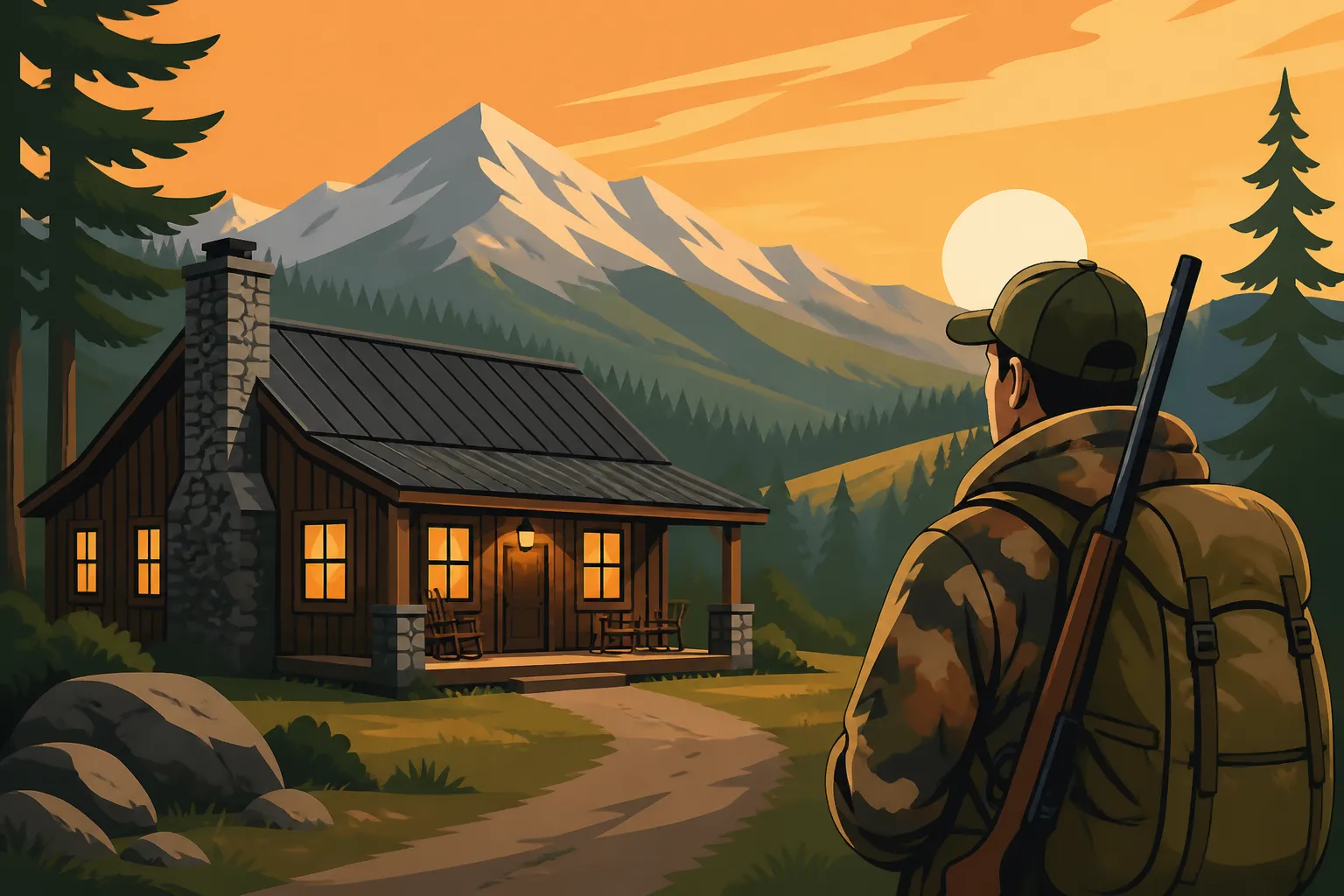
Where Hunters Stay Before Opening Day
The stress of opening day in Oregon isn't just about bagging your game; it often starts days before with the scramble to find a place to lay your head. Showing up to your hunting grounds exhausted after a long drive, only to realize every motel room is booked and every campground is full, can derail your entire trip before it even begins. This guide will walk you through the myriad lodging options available to Oregon hunters, from the comfort of a warm bed in town to the rugged solitude of a backcountry camp, ensuring you're rested, prepared, and ready to hit the timber when that alarm clock finally blares.
The Pre-Hunt Jitters: Why Lodging Matters
The excitement leading up to opening day is palpable, but it's often accompanied by a quiet anxiety about logistics. Where will you sleep? Where will you store your gear? How close can you get to your hunting area? These aren't minor details; they can fundamentally impact your hunt's success and your overall experience. Getting your lodging dialed in early is one of the most underrated aspects of hunt preparation.
Beating the Rush and Securing Your Spot
Imagine pulling into a small Eastern Oregon town like Burns or La Grande the evening before a rifle elk season, your truck loaded with gear, only to discover every single motel has a "No Vacancy" sign lit up. It's a frustrating, deflating experience that far too many hunters have faced. Everyone has the same idea: get to town, get rested, and be ready for the morning. This competition isn't limited to motel rooms; it extends to established campgrounds as well, particularly those near popular access points.
Hunters aren't the only ones vying for these spots. Oregon's natural beauty draws tourists, hikers, and leaf-peepers, especially in the early fall. Without a pre-booked reservation, you could find yourself driving hours out of your way, scrambling for a last-minute spot, or even resorting to sleeping in your truck (which, while sometimes a necessary evil, isn't ideal for a good night's rest before a demanding hunt). Securing your lodging months in advance, particularly for highly sought-after units or during peak seasons, is less about luxury and more about essential planning to avoid unnecessary stress and ensure you actually get to hunt.
Acclimatization and Early Scouting Advantages
Arriving a day or two early can be a game-changer for your hunt, and proper lodging makes this feasible. If you're traveling from sea level to the high desert or mountain elevations of Eastern Oregon, allowing your body a chance to acclimatize can make those steep climbs and long walks feel less strenuous. Beyond physical adjustment, early arrival offers invaluable opportunities for last-minute scouting. This isn't about finding new animals, but about confirming your existing intel.
You can use that extra time to physically check out roads that looked promising on your digital maps, verifying gates are open or closed, or identifying any new blowdowns that might block access. Perhaps you need to confirm a water source for a Multi-Day Camps in Oregon's Roadless Country setup, or just walk a key ridge to understand wind patterns in a specific basin. Being lodged nearby means you can spend those precious pre-dawn and dusk hours with boots on the ground, making final adjustments to your strategy, rather than driving. It helps solidify your plan and calms those pre-hunt jitters. When you've put in the time to confirm your approach, you'll be sleeping better, knowing you're ready to execute on opening morning. Using tools like satellite imagery can guide this early ground-truthing, and knowing how to interpret road statuses from a Checking Oregon Road Closures Before You Go perspective is crucial.
Diverse Lodging Options for Oregon Hunters
Oregon's vast and varied landscape means there's a lodging option for almost every hunting style and budget, from those seeking creature comforts to the most dedicated wilderness adventurers. Understanding the pros and cons of each can help you choose the best basecamp for your upcoming season.
Motels and Hotels: Comfort and Convenience
For many hunters, especially those on shorter trips or who prioritize a good night's sleep and a hot shower, a motel or hotel is the go-to. Towns like Baker City, John Day, or Enterprise in Eastern Oregon, or Roseburg and Grants Pass in Western Oregon, often serve as popular hubs for hunters heading into the surrounding units. The appeal is obvious: a real bed, electricity for charging devices, a warm room, and often a continental breakfast to fuel your morning. After a long day of hiking, the thought of a hot shower and a comfortable mattress is incredibly enticing.
However, convenience often comes at a cost. Rooms can be pricey, especially during peak hunting seasons, and can book up completely. You might also find yourself driving a significant distance from your lodging to your actual hunting grounds each morning, adding extra time and fuel consumption to your daily routine. Some motels aren't always set up to cater to hunters, meaning limited space for gear, no designated areas for processing small game, or an unwritten policy against too much "hunter grit" in the hallways. Despite these drawbacks, for those who value comfort and proximity to basic services like gas stations and restaurants, local Motels and Camp Hosts in Hunting Towns remain a popular choice.
Rustic Cabins and Vacation Rentals: A Home Away From Home
Stepping up from a motel, rustic cabins, and vacation rentals offer more space, privacy, and often a cozier, more hunter-friendly atmosphere. These can range from Forest Service cabins (which are usually very basic but often located deep in prime areas) to privately owned vacation homes found on popular rental platforms. The big advantages here are kitchen facilities, allowing you to cook your own meals and save on restaurant costs, and more room to spread out your gear. If you're hunting with a group, splitting the cost of a rental can sometimes make it a more economical option than individual motel rooms, plus it fosters a great camaraderie in camp.
These types of accommodations often position you closer to the actual hunting grounds, reducing your daily commute. However, they typically come with a higher price tag than motels and often have minimum stay requirements. They also tend to book up even further in advance, so early planning is absolutely critical. Finding a suitable cabin can transform your hunt from a simple expedition into a true hunting camp experience, where stories are shared around a warm stove and maps are spread across a kitchen table.
Campgrounds and Dispersed Camping: True Immersion
For many, hunting isn't just about the chase; it's about being fully immersed in nature, and camping offers the ultimate way to achieve that. Developed campgrounds, found in National Forests, BLM lands, and State Parks, provide basic amenities like restrooms, picnic tables, and designated sites, often for a modest fee. They offer a good balance between comfort and connection to the outdoors. The downside is that they can still be crowded, especially during hunting season, and might lack the solitude some hunters crave. Many of these require reservations, which also fill up quickly.
Dispersed camping, on the other hand, is the purest form of backcountry lodging. It involves setting up your camp anywhere on public land where it's not explicitly prohibited, usually free of charge. This gives you unparalleled flexibility to set up your basecamp right at the trailhead or adjacent to the area you plan to hunt, maximizing your time in the field. There are no amenities, so you're entirely self-sufficient, packing in all your water, food, and packing out all your waste. Rules regarding Camping Limits on Oregon National Forest and general guidelines for Dispersed Camping in Oregon During Hunting Season must be strictly followed, including fire restrictions that are common in dry Oregon summers and falls. This option is perfect for the hunter who wants complete solitude and direct access to their hunting area, valuing the immersive experience above all else.
Specialized Accommodations for Specific Hunt Types
Beyond the general categories, certain types of hunts or access situations in Oregon lend themselves to more specialized lodging solutions. These often require a different approach to planning and may involve specific permits or considerations.
Backcountry Basecamps and Drop Camps
When your quarry takes you deep into roadless areas or wilderness, traditional lodging simply isn't an option. This is where backcountry basecamps or drop camps come into play. A backcountry basecamp involves packing in all your gear – tent, sleeping bag, stove, food, water filter – on your back and establishing a temporary camp that will serve as your home for the duration of the hunt. This demands physical fitness, a meticulously organized gear list, and a strong understanding of wilderness survival skills. You'll be truly self-reliant, living off what you carry in, often miles from the nearest road.
For those who desire the deep wilderness experience without the heavy burden of packing in all their own supplies, a drop camp service is an excellent alternative. Outfitters, using horses or llamas, will pack your gear into a pre-determined backcountry location, set up a basic camp, and then return to pick you up and your game later. This allows you to focus on the hunt itself, knowing your camp is set up and your gear is taken care of. Planning for these types of expeditions requires careful attention to detail, from your Backpack Camps in Oregon Wilderness gear list to understanding What It Costs to Hire a Packer With Stock.
Industrial Timberland Campsites and Rules
Oregon has vast tracts of private industrial timberland, owned by companies like Weyerhaeuser and Hancock, which are often open to public recreation, including hunting. While some of these lands have specific rules against camping, many offer designated campsites or allow dispersed camping in certain areas, often requiring a permit or a fee. These lands can hold significant numbers of game animals, especially blacktail deer and Roosevelt elk in Western Oregon.
Accessing and camping on these lands is typically managed through permit systems. It's crucial to research the specific timber company's regulations for the area you plan to hunt. These rules might cover fire restrictions, gate access, parking, and designated camping zones. Ignoring these rules can result in fines or loss of access for future seasons. Programs like the Weyerhaeuser and Hancock Permit Systems are common, and purchasing a permit often gives you access to extensive, actively managed timberlands that can be incredibly productive. Camping on these lands provides a unique opportunity to stay very close to excellent hunting habitat, often with less competition than public land. Understanding the nuances of Hunting Private Timber Land With a Permit is key to a successful experience.
Utilizing Access and Habitat Program Sites
Oregon's Access and Habitat (A&H) Program is a fantastic initiative that partners the Oregon Department of Fish and Wildlife (ODFW) with private landowners to open up private land for public hunting. Many of these properties are enrolled in the "Welcome to Hunt" or "By-Permission" categories, and some also offer designated camping areas or allow primitive camping for hunters. These sites are often strategically located in prime hunting units and can provide convenient, close-to-the-action lodging.
The key to utilizing these sites is detailed research. Each A&H property has its own specific rules and regulations regarding access, hunting methods, and camping. You'll need to check the ODFW's Access and Habitat Program website or maps for the specific property you're interested in. Some may require a free permit, while others are simply walk-in. The availability of camping varies greatly, so don't assume. However, finding an A&H site that allows camping can be a real boon, placing you right where you need to be for an early start. These Oregon Access and Habitat Welcome to Hunt Sites represent a valuable, often overlooked, resource for finding convenient pre-hunt lodging.
Planning Your Stay: Logistics and Resources
Successfully finding and securing your pre-hunt lodging in Oregon is as much about strategy as it is about knowing your options. It requires research, timing, and utilizing the right tools to ensure you’re not caught scrambling at the last minute.
Researching Location and Amenities
Before you even think about booking, you need to firmly establish your hunt unit and where you realistically intend to focus your efforts. A motel in Bend, while comfortable, won't do you much good if your primary hunting area is deep in the Ochoco National Forest. Conversely, a dispersed camp may not be practical if you need daily access to a town for supplies or cellular service. Consider the amenities that are truly essential for your trip: a hot shower after a cold day, electricity for charging GPS units and phones, a full kitchen for cooking, or simply a flat spot to pitch a tent.
Think about the bigger picture logistics as well. How far is the nearest gas station or grocery store? Will you need a specific type of vehicle to access your camp? Are there any known Oregon's Travel Management Areas Explained or special regulations that could impact your travel to and from your lodging? Having a clear understanding of your needs and the realities of your chosen hunting area will narrow down your options significantly and prevent unwelcome surprises.
Booking Strategies and Timelines
The mantra for Oregon hunting lodging, especially for popular seasons and units, is "book early, book often." For prime locations, particularly cabins, private rentals, or popular developed campgrounds, booking six to twelve months in advance isn't just advisable; it's often necessary. As the season draws closer, availability dwindles rapidly, and prices tend to climb. If you have specific dates or a particular area in mind, get those reservations locked in as soon as your hunt dates are confirmed.
Consider being flexible if your schedule allows. Weekday nights are almost always easier and often cheaper to book than weekends. If you're willing to drive a bit further from your hunting spot each day, you'll open up a wider range of options. If you're hunting with a group, coordinating a single reservation can simplify logistics and often provides better value. Always confirm cancellation policies when booking, just in case your plans shift or you're unlucky in the draw.
Tools and Platforms for Finding Lodging
In today's digital age, hunters have a wealth of tools at their fingertips to scout and book lodging. For traditional motels and hotels, established online travel agencies are a good starting point. For vacation rentals and cabins, sites like Airbnb and VRBO offer a vast selection, though you'll need to filter carefully for locations truly convenient to hunting areas.
When it comes to more primitive or public land camping, digital mapping platforms are indispensable. Many savvy hunters turn to tools like GoHunt for their detailed mapping overlays, which can pinpoint public land boundaries, identify potential dispersed camping areas, or highlight the nearest small towns offering lodging within your chosen hunt unit. These tools allow you to visualize access, terrain, and proximity to your planned hunting spots, helping you make informed decisions about where to set up your base. For Using the Oregon Hunting Map Online, these resources are invaluable.
While primarily known for connecting hunters with guided experiences, platforms like BookYourHunt can sometimes highlight outfitters who offer cabin rentals or semi-guided packages that include accommodation, providing a potentially comfortable basecamp if you're looking for more than just a motel and want a more curated experience. Don't forget official government resources either: the U.S. Forest Service and Bureau of Land Management websites provide specific regulations, maps, and sometimes even reservation systems for their campgrounds and dispersed camping areas. Cross-referencing these resources is the best way to ensure you're compliant and find the perfect spot to rest before your big hunt.
| Lodging Type | Pros | Cons | Typical Cost Shape (per night) | Best For |
|---|---|---|---|---|
| Motels/Hotels | Comfort, amenities (hot water, electricity), warmth, easy access | Can be expensive, often far from hunt area, less privacy, not always game-friendly | Moderate to High | Short stays, comfort priority, close to services, charging electronics |
| Rustic Cabins/Rentals | Space, kitchen, privacy, group-friendly, often closer to nature | Higher overall cost, booking ahead essential, cleaning fees, minimum stays | Moderate to High | Groups, longer stays, self-catering, home-away-from-home feel |
| Developed Campgrounds | Affordable, basic amenities (restrooms, water), designated spots | Can be crowded/noisy, limited privacy, no hot water, fill up fast | Low to Moderate | Budget-conscious, moderate comfort, easy access to recreation |
| Dispersed Camping | Free, ultimate solitude, direct access to hunt area, true wilderness | No amenities, requires self-sufficiency, fire restrictions, variable access | Very Low | Rugged hunters, deep immersion, flexible plans, ultimate quiet |
| Backcountry Camps | Deep wilderness access, immersive, minimal human disturbance | Extreme physical demand, heavy gear, safety concerns, long pack-ins | Very Low (high gear investment) | Dedicated wilderness hunters, multi-day remote trips |
Disclaimer
This article is for general informational purposes only and does not constitute professional advice. Laws, prices and regulations vary by location and change over time. Consult a qualified professional for guidance on your specific situation.