Landowner Tag Hunts Through an Outfitter
For many of us who dream of chasing big game in Oregon, the annual controlled hunt draw can feel like a cruel lottery. The frustration of accumulating preference points for years, only to come up empty-handed season after season, is a common and disheartening reality. It often leaves hunters wondering if there's another way to experience a quality hunt without spending a lifetime waiting. This guide will delve into a viable, albeit different, path: securing landowner tag hunts through an outfitter, offering a deeper look at how these opportunities arise and what you can expect when pursuing this alternative route to hunting in the Beaver State.
Understanding Oregon Landowner Tags
Before we dive into how outfitters facilitate these experiences, it’s crucial to understand the foundation: Oregon's landowner preference tag program. This isn't just about a landowner deciding to sell a tag; it's a specific, state-regulated system designed to address very real wildlife management challenges and offer incentives.
What Exactly Are Landowner Tags?
Landowner tags, formally known as Landowner Preference (LOP) tags, are a mechanism by which the Oregon Department of Fish and Wildlife (ODFW) allocates a limited number of big game tags to qualifying landowners. The primary intent behind this program is often to compensate landowners for wildlife damage to crops, fences, or forage, and to incentivize them to maintain habitat for big game. Unlike the general season tags you buy over the counter or the controlled hunt tags you draw through the lottery, LOP tags are tied directly to specific private properties and are designed to be used there. They represent a unique category of hunting opportunity, born out of necessity for wildlife management and offering a different kind of access.
These tags bypass the public draw system, which is a huge draw for hunters weary of the low odds in popular units. Instead of competing with thousands of other applicants, you're looking at a limited pool of tags made available through private land. The system recognizes the significant role private land plays in wildlife habitat and aims to foster a cooperative relationship between landowners and the state's wildlife conservation efforts. It's a way for landowners to see a direct benefit from hosting wildlife, which can lead to better habitat stewardship in the long run.
Who Qualifies for Landowner Tags?
To be eligible for LOP tags, a landowner must meet specific criteria set by ODFW. Generally, this involves owning a certain acreage of land that provides significant habitat for the target species (like deer or elk) and often demonstrating a history of wildlife damage or hosting a substantial population of game animals. The acreage requirements can vary depending on the unit and species, but we're typically talking about properties large enough to provide legitimate hunting opportunities.
The landowner applies to ODFW for these tags, and if approved, they are allocated a certain number of tags for specific species within a designated hunt area. These tags are explicitly for use on their property or contiguous properties under a cooperative agreement. It's not uncommon for these landowners to be ranch owners, large timber companies, or agricultural operations that have significant interaction with wildlife populations. For example, a rancher dealing with elk habitually raiding their hayfields might qualify for elk LOP tags to help manage the herd on their property. Understanding Oregon Landowner Preference Tag Eligibility is key to appreciating the foundation of these hunts. The intent is not just to provide hunting access, but to use hunting as a tool within a broader wildlife management strategy on private lands.
Species Available and Limitations
While the most common species associated with Oregon's LOP program are deer (both mule deer and blacktail) and elk (Roosevelt and Rocky Mountain), other species like bear might also be included in certain areas. The availability of tags for a particular species will depend heavily on the unit, the specific landowner's property, and the ODFW's management objectives for that area. For instance, a landowner in the Coast Range might receive LOP tags for Roosevelt elk or blacktail deer, while a high desert rancher might get tags for mule deer or pronghorn.
It's important to recognize that these tags often come with specific limitations. They might be valid only for certain seasons (e.g., archery only, specific rifle dates) or for a particular class of animal (e.g., antlerless elk to reduce herd numbers, or any legal buck). These restrictions are part of the overall management plan for that specific property and herd. The numbers are strictly controlled, ensuring that even on private land, the harvest contributes to sustainable populations. This isn't a free-for-all; it's a carefully regulated program that outfitters work within.
How Outfitters Access Landowner Tags
Now that we understand what landowner tags are, let's look at how hunting outfitters weave themselves into this system to create guided hunting opportunities. It’s a specialized niche that requires strong relationships and a deep understanding of the local landscape and regulations.
Direct Agreements with Landowners
The most common way an outfitter gains access to landowner tags is through direct agreements with property owners. These relationships are often built over years, based on trust and mutual benefit. An outfitter might approach a rancher, timber company, or large private landowner and offer to lease the hunting rights to their property. In exchange for this lease, the outfitter might pay an annual fee, offer wildlife management services, or provide other benefits to the landowner. This arrangement then grants the outfitter the exclusive right to guide hunts on that private land, often utilizing the landowner tags allocated to that property.
These agreements are typically long-term, allowing the outfitter to consistently offer hunts year after year. For the landowner, it's a way to monetize their property's wildlife value, manage game populations, and potentially reduce wildlife damage to their operations without having to run a hunting business themselves. For the outfitter, it's about securing guaranteed access to prime, often less-pressured, hunting ground and the associated LOP tags. These private land leases are the backbone of many successful outfitting businesses, providing consistent access that is otherwise incredibly difficult to secure in a state like Oregon with limited public land hunting opportunities in certain areas.
The Role of Outfitters in the Landowner Tag System
Outfitters act as the bridge between qualifying landowners and eager hunters. They often handle the acquisition of the LOP tags themselves, either by purchasing them directly from the landowner (if the tags are transferable, which varies) or by structuring hunt packages where the cost of the tag is folded into the overall guided hunt price. The outfitter takes on the administrative burden, ensuring the tags are legally obtained and properly utilized according to ODFW regulations.
When you book a landowner tag hunt through an outfitter, you're not just paying for a guide service; you're often paying for the access to that exclusive private land and the right to use that landowner tag. The outfitter essentially becomes the gatekeeper to these unique hunting opportunities. They'll manage the hunt schedule, guide you on the property, and ensure all legal requirements are met. This means you don't have to navigate the complexities of finding a qualifying landowner or understanding the nuances of the LOP program yourself. You simply show up, hunt, and let the outfitter handle the rest. It's a comprehensive service designed to streamline what could otherwise be a very complicated process.
Ensuring Legality and Compliance
A reputable outfitter will go to great lengths to ensure that all landowner tag hunts are conducted in strict accordance with ODFW regulations. This includes verifying that the landowner is indeed eligible for the tags, that the tags themselves are valid for the species and season being hunted, and that the hunting takes place only on the designated private property. Transparency and adherence to the rules are paramount, not just for ethical reasons but for the outfitter's business reputation and legal standing.
Before committing to any landowner tag hunt, it's perfectly reasonable, and indeed advisable, to ask the outfitter about the specifics of their landowner agreements and how they ensure compliance. They should be able to clearly explain where the tags come from, what property they are valid on, and confirm their registration as an Oregon Guide Registration Through the Marine Board. Any hesitation or vague answers should be considered a red flag. A legitimate outfitter will have all their ducks in a row, demonstrating a clear understanding of the regulatory framework and their commitment to operating within it. This due diligence on your part protects you, the hunter, from inadvertently participating in an illegal hunt.
Benefits of Hunting with a Landowner Tag Outfitter
Opting for a landowner tag hunt through an outfitter can unlock a world of advantages that are hard to come by in the increasingly competitive public land hunting scene. These benefits often translate into a more enjoyable and, frankly, more successful hunting experience.
Access to Prime, Undisturbed Habitat
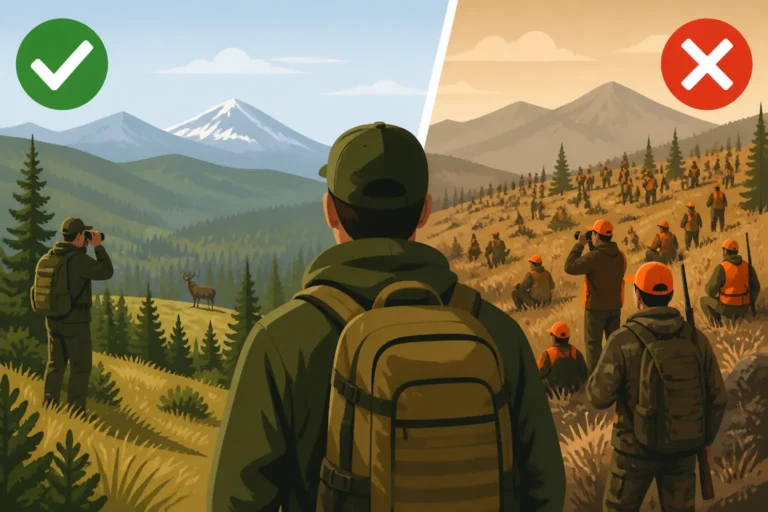
One of the most significant benefits is gaining access to private lands that are typically off-limits to the general hunting public. Imagine vast timber tracts, sprawling ranches, or hidden valleys where human pressure is minimal. These areas often serve as critical habitat for big game, providing untouched bedding areas, reliable water sources, and abundant forage. Because these lands are managed privately, they frequently experience less hunting pressure than public lands, allowing animals to follow more natural patterns without being constantly pushed and harassed.
This reduced pressure often leads to a higher density of game animals and, crucially, a greater likelihood of encountering mature, quality animals. On heavily hunted public lands, older, wiser animals become incredibly elusive. On private lands, they might be more visible and predictable, offering better shot opportunities. Furthermore, these private lands are often strategically chosen by outfitters for their biological richness and game potential, ensuring you're hunting in areas known to hold healthy populations. It’s a stark contrast to pounding miles on public land, hoping to stumble upon an unpressured animal. This kind of exclusive access is a major draw for hunters seeking a more serene and productive experience, whether it's Hunting Private Timber Land With a Permit or a large ranch.
Higher Success Rates and Quality Animals
It's no secret that a guided hunt on private land with landowner tags generally boasts higher success rates than a do-it-yourself public land hunt. This isn't just luck; it's a combination of factors. First, as mentioned, the reduced pressure on private land often means animals are more active and less wary during daylight hours. Second, outfitters spend countless hours scouting their leased properties, knowing the movements and habits of the local game populations intimately. They'll have a good understanding of where the animals are bedding, feeding, and traveling, significantly increasing your chances of an encounter.
Moreover, many private land management strategies focus on fostering healthy, mature animal populations. This can involve careful harvest quotas, habitat improvements, and supplemental feeding in some cases (where legal and ethical). The result is often a higher ratio of mature bucks and bulls, providing better trophy potential for hunters. While no hunt is ever guaranteed, a landowner tag hunt with a reputable outfitter tilts the odds significantly in your favor, giving you a better chance at not just filling a tag, but taking a quality animal. This can be a game-changer, especially for hunters who have struggled for years on public draws.
Expert Guidance and Logistics Handled
Beyond access, you're also benefiting from the comprehensive service of an experienced outfitter and their guides. These are professionals who live and breathe hunting in Oregon. They know the terrain, the weather patterns, and the animals like the back of their hand. From the moment you arrive, your guide will handle most of the logistics: transportation to prime hunting spots, tracking game, assistance with field dressing, and often packing out your harvest. This alleviates a huge amount of stress and physical exertion, allowing you to focus purely on the hunt. For many, this is worth its weight in gold, especially when considering remote areas or challenging terrain.
Imagine the relief of not having to navigate complex road systems in the dark, wondering if you're on public or private land. Instead, your guide leads the way, knowing every trail and every potential ambush point. If you connect with an animal, they'll be there to help with Field Dressing an Elk in Warm Early-Season Weather or Quartering and Packing an Elk Alone, ensuring the meat is handled properly. This level of support is invaluable, particularly for hunters who may not have extensive experience in Oregon's diverse and often rugged landscapes. Having a skilled professional by your side not only enhances the safety and efficiency of the hunt but also provides a wealth of knowledge that can deepen your own understanding of hunting. For those who want the full experience without the headaches of planning every detail, Hiring a Registered Oregon Hunting Guide for a landowner tag hunt is an excellent choice.
Finding and Vetting an Outfitter for Landowner Tags
So, you're convinced that a landowner tag hunt might be your ticket to an incredible Oregon hunting experience. The next step is finding the right outfitter, which requires careful research and due diligence to ensure you're investing in a legitimate and high-quality operation.
Starting Your Research
The internet is your friend here, but proceed with a discerning eye. Begin by searching for Oregon hunting outfitters specializing in private land or landowner tag hunts. Websites like BookYourHunt and GoHunt can be excellent starting points, as they often list outfitters with details about their operations, available species, and hunt types. These platforms can provide initial filters based on your desired species, region, and budget. Beyond these larger platforms, delve into forums, hunting groups, and testimonials from previous clients. Word-of-mouth recommendations, especially from trusted hunting buddies, can be incredibly valuable.
Don't just look at the glossy photos. Pay attention to the details in their descriptions. Do they explicitly mention landowner tags? Do they talk about exclusive private land access? The more specific information they provide about their arrangements, the better. Look for consistency in their messaging across different platforms. While you're at it, start noting any questions that come to mind as you browse their offerings. This initial research phase is about casting a wide net and gathering as much preliminary information as possible before narrowing down your options.
Key Questions to Ask Potential Outfitters
Once you have a shortlist of potential outfitters, it's time to pick up the phone and start asking detailed questions. This conversation is critical for clarifying expectations and assessing the outfitter's professionalism. Here are some key inquiries:
- Specifics of the Landowner Tag: "Can you explain exactly how the landowner tags for this hunt are acquired? What unit are they for? What are the season dates and specific animal limitations (e.g., antlerless, any legal buck/bull)?"
- Property Details: "How much acreage is the private land, and what kind of terrain can I expect? Is it timber, open country, agricultural land? How much hunting pressure does the property typically receive?"
- Success Rates and Opportunities: "What are your historical success rates for this specific hunt type on this property? Is that a harvest rate or an opportunity rate? Can you provide references from hunters who have done this exact hunt with you?"
- Guide Experience: "Who will be my guide, and what is their experience with this particular property and species? What is your guide-to-hunter ratio?"
- Hunt Inclusions: "What exactly is included in the price? Lodging, meals, transportation during the hunt, field dressing, caping, packing out? What permits or licenses do I need to purchase separately?"
- Contract and Cancellation Policy: "Can I see a sample contract? What are your deposit requirements and cancellation policies? What happens if I fill my tag early or if there's an unforeseen emergency?"
Be thorough with your questions. A professional outfitter will appreciate your diligence and provide clear, honest answers. If you're looking for more inspiration, refer to resources like Questions to Ask an Oregon Outfitter. This rigorous questioning helps ensure there are no surprises once you arrive for your hunt.
Identifying Red Flags
While most outfitters operate ethically, it's essential to be aware of potential red flags that could indicate a less-than-reputable operation. Trust your gut feeling during these conversations.
- Vague Answers or Evasiveness: If an outfitter is unclear about how they obtain landowner tags, the specific property details, or their success rates, take it as a warning. Legitimate operations have nothing to hide.
- Unusually Low Prices: While a good deal is always welcome, landowner tag hunts inherently come with higher costs due to private access and specialized services. If a price seems too good to be true, it very likely is. Compare it generally to Cost of a Guided Oregon Elk Hunt.
- Lack of References: A reputable outfitter will have a list of recent clients you can call to get unfiltered feedback. If they can't or won't provide them, that's a major red flag.
- No Formal Contract: Never, ever book a hunt without a clear, written contract detailing all aspects of the agreement, including dates, species, price, inclusions, and cancellation policy. This protects both you and the outfitter.
- Unregistered Status: Always verify that the outfitter is properly registered with the Oregon State Marine Board, which oversees outfitter and guide licensing. A quick check of their registration number can confirm their legal standing. Unregistered guides are a major risk and should be avoided at all costs.
Remember, you're making a significant investment. Taking the time to thoroughly vet your outfitter can save you a lot of heartache and money in the long run.
Cost Considerations and What to Expect
Landowner tag hunts through an outfitter are generally a premium hunting experience, and their cost reflects that. It's important to have a realistic understanding of the financial investment involved, so you can budget accordingly and avoid any surprises.
Breaking Down the Investment
The cost of a landowner tag hunt is typically higher than a DIY public land hunt or even some guided public land hunts. This elevated price point is due to several factors. Firstly, the outfitter often pays a significant lease fee or direct cost to the landowner for exclusive hunting rights and access to those valuable LOP tags. This cost is then naturally passed on to the hunter as part of the overall package. You're not just paying for the guide's time; you're paying for guaranteed access to private, often highly productive, hunting ground.
Secondly, you're covering the comprehensive service package that an outfitter provides. This includes the extensive scouting that goes into knowing the private property, the expertise of a professional guide, and the logistical support for every aspect of your hunt. Outfitters are running a business, and their pricing reflects the overhead of maintaining equipment, staffing, insurance, and the years of experience and relationships they've built. While we cannot state specific prices, expect these hunts to represent a substantial investment compared to basic public land options. It's truly a different class of hunt, offering advantages that come at a commensurate price.
What's Included in a Typical Package
A good outfitter will clearly outline what's included in their landowner tag hunt packages. Typically, you can expect the following:
- Landowner Tag and Access: The cost of the LOP tag itself and the exclusive access to the private property for the duration of your hunt.
- Guided Service: The professional guiding services for the specified number of hunting days. This usually includes one-on-one or two-on-one guiding ratios.
- Meals and Lodging: Depending on the outfitter and location, this could range from comfortable lodge accommodations to rustic tent camps on the property. Meals are usually provided and can be quite good, often hearty and tailored to hunters' needs.
- Field Care of Game: Assistance with field dressing, caping (preparing the hide for taxidermy), and initial breakdown of your animal.
- Game Retrieval and Pack Out: The physically demanding task of getting your harvested animal from the field back to camp or the vehicle. This is especially valuable for larger game like elk. For insights into this process, you might review Packing Out an Elk in Oregon's Wilderness Units.
Always get a detailed list of inclusions in writing to avoid any misunderstandings. It's better to ask too many questions upfront than to be surprised by hidden costs later.
Potential Additional Costs
While a comprehensive package is great, there are almost always additional costs to consider when budgeting for a guided hunt. These might include:
- Oregon Hunting License: You will still need a valid Oregon hunting license, which is separate from the landowner tag itself. This is your basic permit to hunt in the state.
- Travel Expenses: Your costs for getting to and from the outfitter's meeting point or camp. This includes airfare, vehicle fuel, and any pre- or post-hunt lodging.
- Meat Processing: While field dressing is usually covered, the cost of professional meat processing and packaging for your freezer is typically extra. This can be a significant expense, especially for an elk.
- Taxidermy: If you plan to have a trophy mounted, the taxidermy fees and any shipping costs for your cape and antlers will be your responsibility.
- Tips for Guides and Staff: Tipping is customary in the outfitting industry for good service. A common guideline is 10-20% of the hunt cost for your guide, plus a smaller amount for any camp staff.
- Personal Gear: Your own hunting clothing, footwear, rifle/bow, optics, and other personal equipment are, of course, your responsibility. Consider Rain Gear That Actually Stays Dry for Oregon's unpredictable weather.
Understanding What an Oregon Guided Elk Hunt Costs will give you a broader perspective on the financial outlay, as many elements are similar. Make sure you have a clear picture of all potential expenses before booking to ensure a smooth and stress-free financial experience.
Planning Your Landowner Tag Hunt
Booking a landowner tag hunt is often just the beginning. Effective planning and preparation are crucial to maximize your investment and ensure a safe, successful, and enjoyable experience in the Oregon wilderness.
Timing Your Application and Booking
Landowner tag hunts, especially for desirable species like trophy elk or big deer, are often booked far in advance. It's not uncommon for top outfitters to have their calendar full a year or more out. If you have a specific year or season in mind, start your research and contact outfitters well in advance. The earlier you book, the more likely you are to secure your preferred dates and species.
While these hunts bypass the traditional controlled hunt draw, there are still administrative timelines to consider. The outfitter will guide you on when your Oregon hunting license needs to be purchased and when any specific paperwork for the landowner tag needs to be finalized. It's a different kind of application process, but still one that requires timely action. Don't wait until the last minute, or you might find yourself with limited options or no availability at all. This is where those earlier conversations with potential outfitters about their booking lead times become vital.
Physical Preparation
Even though you're paying for a guided experience and possibly hunting less rugged private land, Oregon hunting can still be physically demanding. Terrain can be steep, wet, and thick with brush, especially in western Oregon's Coast Range or Cascades. In eastern Oregon, you might be covering vast distances at higher elevations. Being in good physical condition will significantly enhance your enjoyment and your ability to keep up with your guide, especially when that crucial moment arrives to pursue an animal.
Consider incorporating a fitness regimen into your planning. Focus on cardiovascular endurance, leg strength, and carrying a pack. Long hikes with weighted packs, stair climbing, and general strength training will serve you well. Don't underestimate the physical exertion involved in stalking, climbing, or even just sitting patiently in adverse weather. The better shape you are in, the more you can focus on the hunt itself and less on your burning lungs or aching muscles. For more on this, check out Physical Training for an Oregon Elk Hunt. It’s an investment in your personal success and enjoyment.
Gear and Equipment
Your outfitter will usually provide a detailed gear list once you've booked your hunt. Adhere to it closely, as they know the specific conditions you'll encounter on their hunting grounds. However, some universal considerations for Oregon hunting apply:
- Quality Rain Gear: Oregon weather is famously unpredictable. A high-quality, truly waterproof and breathable rain jacket and pants are non-negotiable. Don't skimp here; being wet and cold will ruin your hunt faster than anything.
- Layered Clothing: Dress in layers that can be added or removed as temperatures and activity levels change. Moisture-wicking base layers, insulating mid-layers, and a waterproof outer shell are essential.
- Sturdy Boots: Waterproof, broken-in hunting boots with good ankle support are paramount for traversing uneven, often wet, terrain.
- Optics: Good binoculars and a rangefinder are invaluable. Your guide will have their own, but having personal optics allows you to scout independently and quickly range an animal.
- Rifle or Bow: Bring a reliable, accurate firearm or archery setup that you are proficient with. Practice shooting from various positions and distances you might encounter in the field. Discuss Rifle Choice for Oregon Elk and Deer with your outfitter to match your weapon to their expectations and the game. For archery hunters in the wet western part of the state, consider Archery Setup for Wet Oregon Timber.
- Pack: A comfortable daypack for carrying essentials like water, snacks, extra layers, and emergency supplies. If you're physically preparing for it, a larger frame pack might be useful for packing out meat, but discuss this with your guide.
Pack smart, pack light but completely, and don't bring anything you haven't tested or used before. Your gear should be an extension of you, not a distraction.
| Aspect | DIY Public Land Hunt | Guided Public Land Hunt | Guided Landowner Tag Hunt |
|---|---|---|---|
| Access | Open to all, often crowded | Public land, guide provides expertise | Exclusive private land, minimal pressure |
| Pressure | High, animals wary, often nocturnal | Moderate, guide finds less pressured areas | Low, animals may be more relaxed |
| Success Potential | Lower, requires extensive scouting/skill | Moderate to high, guide expertise helps | Higher, prime habitat & reduced pressure |
| Effort Required | Very High (scouting, packing, logistics) | Moderate (guide handles much logistics) | Lower (focus on hunting, logistics handled) |
| Cost Shape | Low base cost (license, gear, fuel) | Moderate (guide fees + license, gear) | High (private access, guide, premium service) |
| Tag Acquisition | Controlled draw or OTC general season tags | Controlled draw or OTC general season tags | Landowner Preference (LOP) tags included |
| Animal Quality | Variable, often hard to find mature animals | Good, guide identifies quality areas | High potential for mature, quality animals |
Disclaimer
This article is for general informational purposes only and does not constitute professional advice. Laws, prices and regulations vary by location and change over time. Consult a qualified professional for guidance on your specific situation.