Elk Feeding Site Closures in Oregon
You’ve spent countless hours pouring over maps, scouting remote corners of Oregon, and building a mental picture of where you’ll find those big bulls this season. There’s nothing more deflating than finally arriving at your planned hunting spot, only to be met with a "Closed" sign, especially if it's an area you know elk frequent. Elk feeding site closures in Oregon are a reality that can throw a serious wrench into your meticulously crafted hunt plans, and they exist for very good reasons. This comprehensive guide will walk you through why these closures happen, how to identify them before you ever leave home, and what you can do to still have a successful and ethical hunt when your prime spots are affected.
Why Elk Feeding Sites Are Closed in Oregon
Oregon's wildlife managers aren't closing areas just to make your life harder, believe me. These decisions are rooted in deep biological and ecological principles, aiming to protect the elk herds themselves, their habitat, and even the future of hunting in the state. Understanding the "why" can make accepting the closures a bit easier, even when it stings.
Protecting Wintering Herds
Imagine facing winter in the high country, battling deep snow, biting winds, and scarce natural forage. That's the reality for many elk herds in Oregon. When temperatures drop and snow depths increase, elk need to conserve every ounce of energy. They draw on fat reserves built up during the more plentiful summer and fall months. Any unnecessary exertion, like being spooked by human activity and forced to run, can deplete those reserves rapidly.
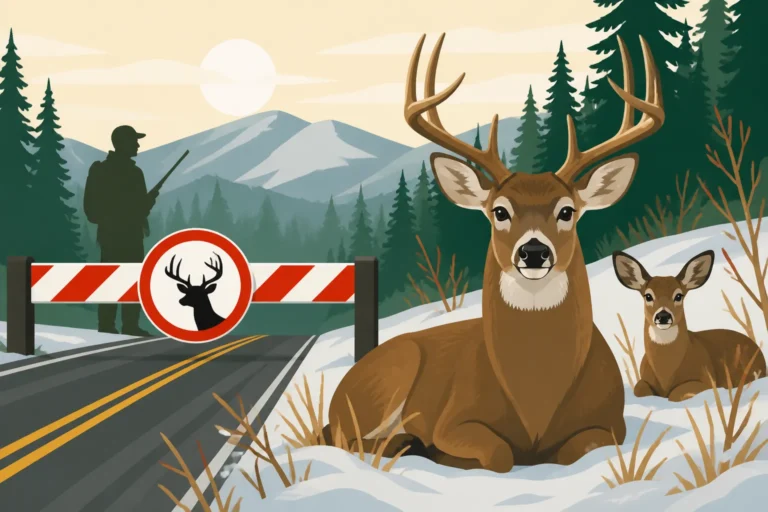
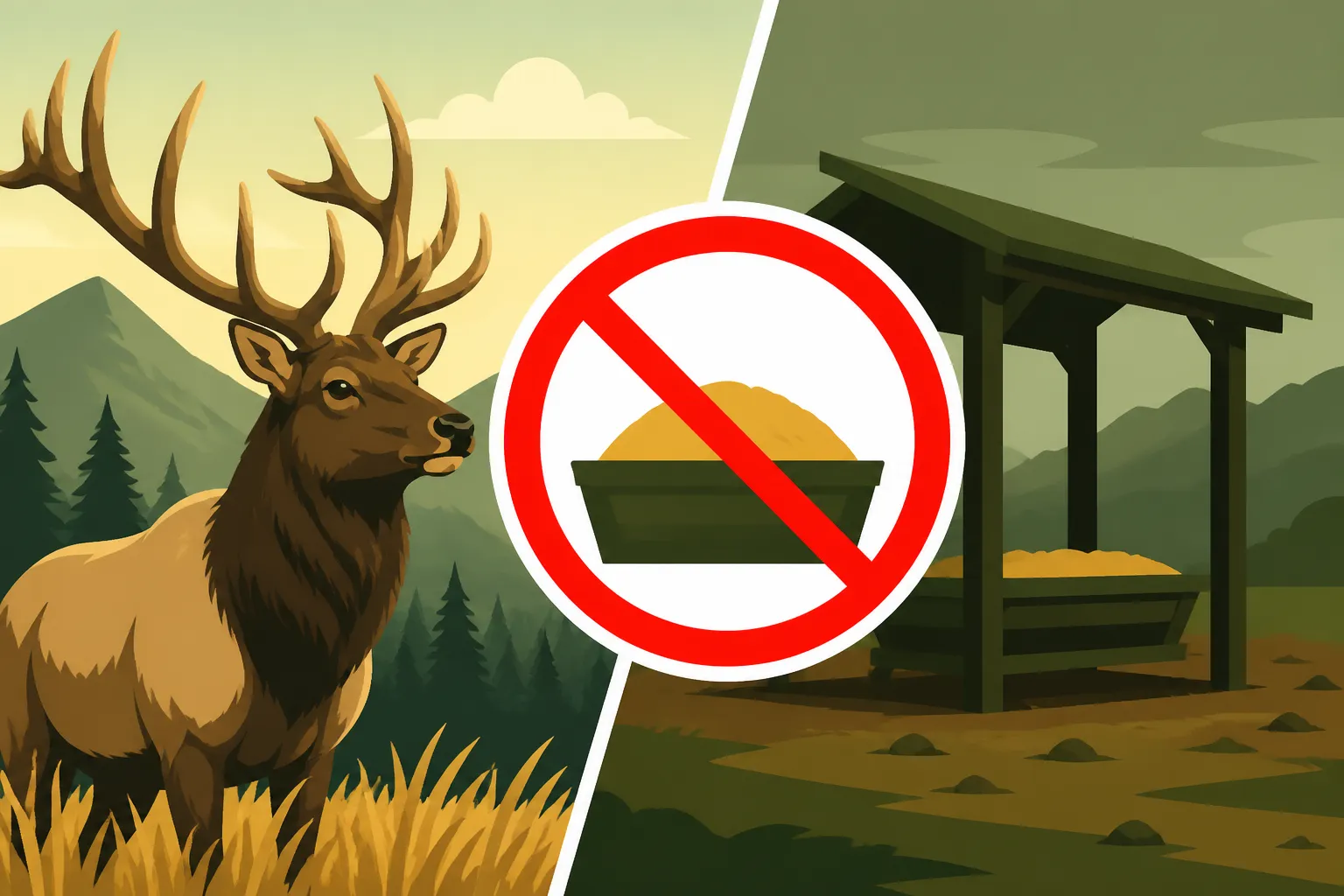
Elk feeding sites, whether natural areas where elk naturally congregate to feed or areas where supplemental feeding might occur (though Oregon generally avoids this, especially on public lands, to prevent unnatural concentrations), are often critical winter survival zones. Closing these areas to human entry helps minimize stress on already vulnerable animals. Without these closures, hunters, hikers, or even shed hunters could inadvertently push elk out of crucial thermal cover or feeding areas, forcing them to burn precious calories they can't afford to lose. This isn't just about comfort; it's about survival for individual animals and the health of the entire herd. A stressed herd has lower calf survival rates, poorer antler growth in bulls, and a higher susceptibility to disease.
Disease Prevention and Management
When large numbers of animals gather in a confined space, the risk of disease transmission skyrockets. Think of it like a classroom full of kids during flu season – one sneeze, and everyone's exposed. Elk are no different. Conditions like hoof disease, which can be devastating to a herd, or other parasites and illnesses, can spread rapidly when animals are concentrated.
While Oregon generally doesn't conduct widespread supplemental feeding of elk on public lands specifically to avoid this concentration problem, natural feeding sites or traditional wintering grounds can still become hotspots. Closures in these sensitive areas are a proactive measure to prevent or mitigate outbreaks. By dispersing elk and limiting human disturbance that might push them into unnaturally tight groups, wildlife managers can help slow the spread of pathogens. This is particularly important for species like elk, where large numbers can be impacted quickly, potentially leading to significant population declines and long-term impacts on hunting opportunities. Elk Calf Survival and Predation in Oregon often depends on minimizing these stressors.
Habitat Rehabilitation
Sometimes, elk feeding sites are closed not just for the animals' benefit, but for the habitat itself. High concentrations of elk, especially during harsh winters, can put immense pressure on native vegetation. They might browse young trees, strip bark, or compact soils, leading to long-term damage that impacts the entire ecosystem. This overgrazing can prevent crucial winter forage from regenerating, making future winters even tougher.
Closures can serve as temporary "rest areas" for the land. By keeping people out, and consequently, dispersing elk more naturally, the vegetation gets a chance to recover. This allows grasses, shrubs, and tree seedlings to grow without constant browsing pressure. Healthy habitat means a healthier, more resilient elk population in the long run. It's a management tool that helps ensure sustainable foraging opportunities for elk for generations to come, preventing a cycle of habitat degradation. These efforts are often part of broader wildlife management plans that consider the interplay between animals and their environment.
Identifying Elk Feeding Site Closures Before Your Hunt
The last thing you want is to drive hours into the backcountry, full of anticipation, only to find a locked gate and a "No Entry" sign. Being prepared means doing your homework long before you ever pack your truck. The good news is, there are excellent resources available to help you navigate these closures.
Official ODFW Resources
Your first and most authoritative source for any hunting regulations, including closures, should always be the Oregon Department of Fish and Wildlife (ODFW). They are the stewards of the state's wildlife and habitat, and their information is paramount.
Start by consulting the most current Oregon Big Game Regulations pamphlet. This booklet, available online as a PDF and often at license vendors, is your bible. Pay close attention to the sections on general regulations, specific unit rules, and any appendices that detail area closures. These pamphlets are updated annually, so never rely on an old copy. Often, there will be specific language about "winter range closures" or "seasonal motorized restrictions" that encompass areas where elk feed. Remember, closures can be dynamic, sometimes changing due to unforeseen weather events or herd health issues, so always check for the latest updates on the ODFW website before your trip. Their website typically has a dedicated page for "Emergency Hunt Closures" or "In-Season Regulation Changes" that you should bookmark. You can also contact local ODFW district offices directly. A quick phone call can clear up any ambiguities about specific roads or areas you're targeting.
Digital Mapping Tools
In today's hunting world, digital mapping applications are indispensable for planning and navigating public lands. They offer incredible detail and often integrate official closure data, making them a powerful tool for avoiding surprises.
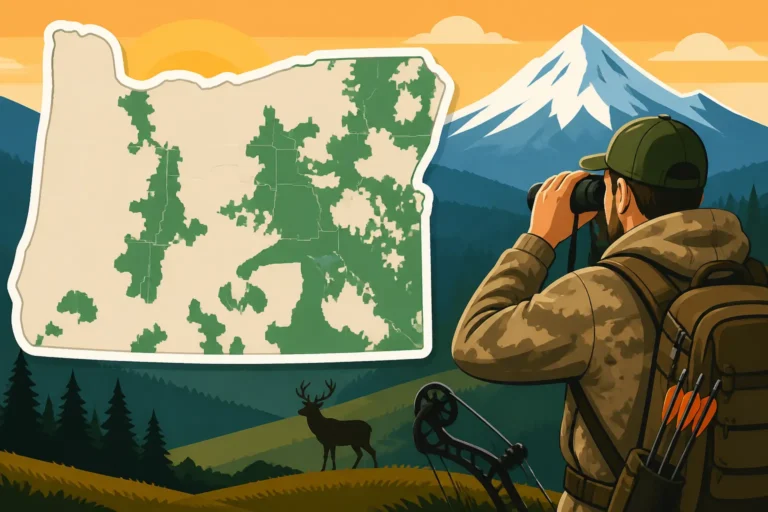
Two excellent platforms for this are onX Hunt and GoHunt. Both offer layering capabilities that allow you to see land ownership, private parcels, public access, and often, specific wildlife management areas or seasonal closures. For instance, onX Hunt often includes a "Motor Vehicle Use Map" (MVUM) layer that highlights roads open or closed to motorized traffic, which can be key for identifying areas restricted due to elk winter range or feeding site protection. They may also have specific layers for wildlife management units or even direct access agreements. Similarly, GoHunt offers detailed unit profiles and maps that can indicate areas of high wildlife concentration or seasonal restrictions. Before you head out, spend time with these apps: zoom into your target unit, activate all relevant public land and closure layers, and make a mental or physical note of any red-shaded areas or dashed lines indicating restrictions. These tools can often show you Oregon Roads Closed to Protect Wintering Deer and other species, giving you a full picture. Always download offline maps for your hunt area, as cell service is often nonexistent in prime elk country.
Local Intelligence
While official sources and digital maps are critical, don't underestimate the value of local knowledge. The folks who live and work near the hunting grounds often have the most up-to-date, ground-level information.
Reach out to the local ranger district office for the National Forest or Bureau of Land Management (BLM) land you plan to hunt. These offices manage the actual ground and are often aware of specific gates that might be locked, recent changes to travel management areas, or even local conditions like early snow that might prompt an impromptu closure. Similarly, engaging with local sporting goods stores, independent guides, or even community forums can provide invaluable insights. Many smaller towns in hunting country have coffee shops or diners where hunters gather, and eavesdropping (or politely asking!) can yield crucial details that aren't yet in official publications. Just remember to cross-reference any anecdotal information with official sources when possible. These conversations can sometimes reveal local "unwritten rules" or common knowledge about elk movement in relation to wintering areas. Don't forget to check Checking Oregon Fire Closures Before the Season as well, as these can also heavily impact access.
| Resource Type | Primary Information Provided | Best Use Case | Frequency of Updates |
|---|---|---|---|
| ODFW Regulations Pamphlet | Official seasons, bag limits, and unit-specific rules, general closures | Initial planning, understanding legal framework | Annually (check for supplements) |
| ODFW Website (Emergency Closures) | Real-time updates on fires, weather-related closures, herd health issues | Crucial pre-hunt check, especially day of departure | As needed, daily during crises |
| Digital Mapping Apps (onX, GoHunt) | Visual representation of land ownership, roads, and many reported closures | Detailed scouting, navigation, identifying access points | Frequent, ongoing |
| National Forest/BLM Office | Specific road conditions, gate closures, local area restrictions | Pinpointing ground-level access, "boots on the ground" info | As needed, best via phone call |
| Local Sporting Goods Stores | Anecdotal advice, current conditions, local herd movements | Gaining local perspective, last-minute tips | Daily, based on customer reports |
What to Do When Your Hunt Area Is Affected by a Closure
Finding out your prime spot is closed can be a real punch to the gut. It's okay to feel that frustration. You've invested time, effort, and possibly money into planning. But a closure isn't necessarily a hunt-ender; it's an opportunity to adapt and demonstrate your resilience as a hunter.
Adapting Your Hunting Strategy
The immediate challenge is to pivot your plans. If a known elk feeding site is closed, those elk aren't going to vanish into thin air. They'll simply shift their patterns and likely move to adjacent, open public lands. This means you need to rethink your approach.
First, identify the boundaries of the closure. Using your digital mapping tools like onX Hunt or GoHunt, mark the perimeter. Then, scout the areas immediately surrounding the closure. Elk will often seek similar habitat types, so look for alternative feeding areas, bedding cover, and travel corridors just outside the restricted zone. This might mean focusing on areas with thicker timber, different elevations, or less obvious features that still provide security and forage. Instead of targeting the exact "hot spot" you planned, broaden your search. You might need to embrace a more mobile strategy, covering more ground through still-hunting or spot-and-stalk if the terrain allows. This could involve techniques discussed in Still-Hunting Blacktails in Wet Oregon Coastal Brush or Glassing Sage and Juniper for Eastern Oregon Mule Deer (applied to elk terrain, of course). Remember that elk are masters of adapting, and so should you. Sometimes, a closure forces elk into areas that are harder to hunt, but also less pressured by other hunters, potentially offering a unique advantage.
Respecting the Closures
This one is non-negotiable. Hunting closures, especially those related to winter range and feeding sites, are put in place for critical conservation reasons. Ignoring them isn't just unethical; it's illegal and carries serious penalties. These penalties can range from hefty fines to loss of hunting privileges, and even confiscation of equipment. More importantly, violating a closure undermines the public trust in hunters and can lead to even more restrictive measures in the future.
It's tempting to think, "Just a quick peek won't hurt," but that's exactly the mindset that causes problems. Your presence, even if you don't spook an animal, can contribute to habitat degradation, stress on wildlife, or interfere with rehabilitation efforts. Ethical hunting demands respect for wildlife, land, and the rules put in place to protect them. If you arrive and find a gate locked or a sign posted, turn around. Use your mapping tools to find an alternative access point or a completely different hunting area. If you see someone else violating a closure, report it to ODFW or the local authorities. We are all stewards of this resource, and protecting it is a shared responsibility.
Understanding "Why" vs. "How Long"
When faced with a closure, it's natural to ask both "Why is this closed?" and "How long will it be closed?" While understanding the "why" (as discussed above) can help with acceptance, knowing the "how long" is crucial for practical hunt planning.
Most elk feeding site closures, especially those related to winter range, are seasonal. They might be in effect from December 1st through April 30th, for example, designed to protect animals during the harshest months. These dates are usually published in the ODFW regulations or on specific forest service maps. However, some closures can be more dynamic, implemented in response to extreme weather events (like unusually heavy snowpack) or unexpected disease outbreaks. For these dynamic closures, you'll need to check the ODFW website's emergency declarations or call local offices for the most current information. Don't assume. A closure that was active last week might be lifted this week, or vice versa. The key is to verify the exact dates and boundaries for your specific hunt period. This information will dictate whether you need to scrap your plans entirely, shift to a nearby open area, or simply wait it out if your hunt falls outside the closure window. This is where Oregon Winter Range Closures That Affect Late Hunts can become particularly important knowledge.
Impact on Elk Behavior and Hunting Opportunities
Closures aren't just lines on a map; they actively influence how elk behave and, consequently, how you'll need to hunt them. A closed feeding site means a forced change in routine for the animals, and a keen hunter will try to predict those changes.
Dispersal and Movement Patterns
When a traditional feeding site or winter range is closed, elk that would normally concentrate there are forced to spread out. This dispersal can make them harder to locate initially, as they won't be in their usual, predictable large groups. However, this spreading out can also reduce hunting pressure in certain areas. Instead of finding 20 bulls in one basin, you might find two or three smaller groups scattered over a larger, less obvious area.
Elk will often move to higher elevations if the snow allows, seeking out pockets of forage and thermal cover that might have been less appealing when a primary feeding area was open. They might also shift to completely different drainages or habitat types. You'll need to be more vigilant in your scouting, using tools like E-Scouting Oregon Units With Satellite Imagery to identify potential new travel corridors or patches of browse. Focus on finding micro-habitats that offer both food and security, which might be in areas you previously overlooked. These patterns can be tricky to discern, but careful observation of sign and thoughtful analysis of topography are your best friends.
Shifts in Preferred Habitat
Elk are creatures of habit, but they are also incredibly adaptable. If a preferred feeding site is closed, they will quickly learn to utilize other available food sources and bedding cover. This can lead to shifts in their preferred habitat, especially if the closure is long-term or recurring. They might start frequenting private timber lands where access is managed differently, or move into areas of dense, overlooked public timber that offers ample security cover.
These shifts can sometimes push elk into areas that are less convenient for hunters, perhaps deeper into roadless country or onto steeper, more rugged terrain. Conversely, it might also push them into new, accessible areas that weren't historically considered prime elk habitat. Pay attention to how the local ecology changes near the closed area. Are there different types of forage available? Is there more water? Elk will prioritize survival, and that means finding food and safety. Understanding Elk Behavior After a Wildfire can offer insights into how these animals adapt to significant landscape changes, which is analogous to how they adapt to closures. Don't assume elk will stick to their old patterns; be ready to explore new ground.
Implications for Future Seasons
The closures you experience today aren't just about this season; they have long-term implications for the health of the herd and future hunting opportunities. By protecting vulnerable elk during critical periods, ODFW aims to improve overall herd health, foster better calf recruitment, and encourage stronger antler growth.
A healthier herd today means more robust populations in the years to come, which can translate into more tags, better draw odds, or higher success rates for hunters down the line. While a closure might be frustrating in the short term, view it as an investment in the future of Oregon's elk. It's a testament to responsible wildlife management aimed at ensuring that our grandchildren will still have the opportunity to chase these magnificent animals. Staying informed about Oregon Elk Herd Numbers by Region and how management strategies impact them can help you appreciate the bigger picture and plan for successful hunts for many seasons to come.
Disclaimer
This article is for general informational purposes only and does not constitute professional advice. Laws, prices and regulations vary by location and change over time. Consult a qualified professional for guidance on your specific situation.