Oregon Winter Range Closure Dates
There's nothing quite as frustrating as meticulously planning a late-season hunt, only to discover a critical access road is gated shut or an entire area you've scouted is off-limits. These unannounced (or perhaps, poorly communicated) surprises can derail weeks of preparation. This guide is here to unravel the complexities behind Oregon's winter range closure dates, helping you understand why these closures happen, when you can expect them, and crucially, how to find the most up-to-date information so your next hunting trip isn't cut short by an unexpected barrier.
Why Oregon Implements Winter Range Closures
Oregon's wild landscapes are home to incredible big game animals, but these animals face significant challenges when winter rolls around. Just like us, they need to conserve energy and find sustenance, often when resources are scarce. Winter range closures aren't put in place to inconvenience hunters or outdoor enthusiasts; they're a vital conservation tool designed to protect these animals and their habitats during their most vulnerable time of year.
Protecting Vulnerable Big Game Animals
Imagine trying to navigate deep snow, with limited food, all while trying to escape the constant threat of predators. That's the reality for many deer and elk in Oregon when winter truly hits. Their fat reserves, built up during the more plentiful months, are their lifeblood. Every extra step they take, every time they're spooked and forced to run, burns precious calories they simply can't afford to lose. When humans, whether hunters, hikers, or snowmobilers, enter these critical wintering areas, it causes stress that can be detrimental, even fatal.
Mule deer, especially, are susceptible to winter stress. Their populations have faced significant declines in some areas, and ensuring their survival through harsh winters is paramount. Elk, particularly in areas like the Blue Mountains or eastern Oregon's high desert, also rely heavily on specific winter range. Human disturbance can push them off prime feeding grounds, forcing them into less hospitable areas where food is scarcer and snow is deeper, making them more vulnerable to disease and predation. These closures aim to create sanctuaries where these animals can feed, rest, and survive without constant human-induced pressure.
Safeguarding Critical Habitat
Beyond directly protecting the animals, winter closures are essential for safeguarding the very habitat they depend on. During winter, vegetation is dormant and often covered in snow, making it incredibly fragile. Driving vehicles, riding ATVs, or even just heavy foot traffic can compact snow, damage underlying plants, and erode delicate soils, especially on south-facing slopes where snow melts first and animals congregate. This might not seem like a big deal in the moment, but over time, repeated disturbance can degrade the quality of the habitat, making it less productive in spring and summer.
Think about it this way: if crucial browse species are constantly trampled or if the soil becomes too compacted to support new growth, there's less food available for the animals in the following seasons. This impacts everything from calf and fawn survival rates to the overall health and size of the herds. By closing these areas, land managers allow the ecosystem a much-needed rest, giving sensitive plants a chance to recover and minimizing long-term damage that could negatively affect big game populations for years to come. It’s about ensuring the long-term health of the entire range, not just a single season.
Balancing Recreation with Conservation
We all love getting out into Oregon's wilds, especially during the quiet beauty of winter. It's a natural frustration when areas you planned to explore suddenly become off-limits. However, these decisions are a careful balancing act, and conservation must often take precedence to ensure that those recreational opportunities exist for generations to come. Land management agencies, including the Oregon Department of Fish and Wildlife (ODFW), the U.S. Forest Service, and the Bureau of Land Management (BLM), don't take these decisions lightly. They monitor snowpack, forage conditions, and animal health closely before implementing closures.
It’s about striking a balance. While it might mean temporarily restricting access to a favorite trail or a traditional late-season hunting spot, the payoff is healthier, more resilient deer and elk populations. This directly translates to better hunting and wildlife viewing opportunities in the future. Without these protective measures, we could see a more rapid decline in animal numbers, leading to even more drastic restrictions down the road, or worse, a permanent loss of these incredible resources. Understanding this perspective helps us appreciate that these closures are a necessary investment in the future of Oregon hunting and wildlife.
Understanding the "When" and "Where" of Closures
One of the trickiest parts about winter range closures is that they aren't always set in stone with exact dates. They're often dynamic, reacting to the unpredictable nature of Oregon's winter weather. Knowing the general patterns and how to identify specific closed areas is key to avoiding disappointment and staying on the right side of the rules.
General Timing and Regional Variations
Generally, you can expect winter range closures to begin in late fall or early winter, often starting around November or December, and extend through early spring, typically into March or April. However, these dates are highly dependent on the severity of the winter. A heavy, early snowfall can trigger closures sooner, while a mild winter might delay them or even see some areas remain open for longer.
Elevation plays a huge role here. Lower elevation wintering areas, especially those with southern exposure that melts snow more quickly, might open earlier than higher elevation spots that retain snowpack well into spring. Eastern Oregon's high desert country, which often sees significant snow, will have different closure patterns than the milder, wetter slopes of the Cascades or the Coast Range. For instance, areas known for large mule deer herds might have earlier and longer closures than some western Oregon elk ranges, simply because mule deer are often more susceptible to deep snow and cold. Always remember that conditions can change rapidly, and what was open one week might be closed the next. It's truly a fluid situation, and that's where the frustration can really set in if you're not prepared to adapt.
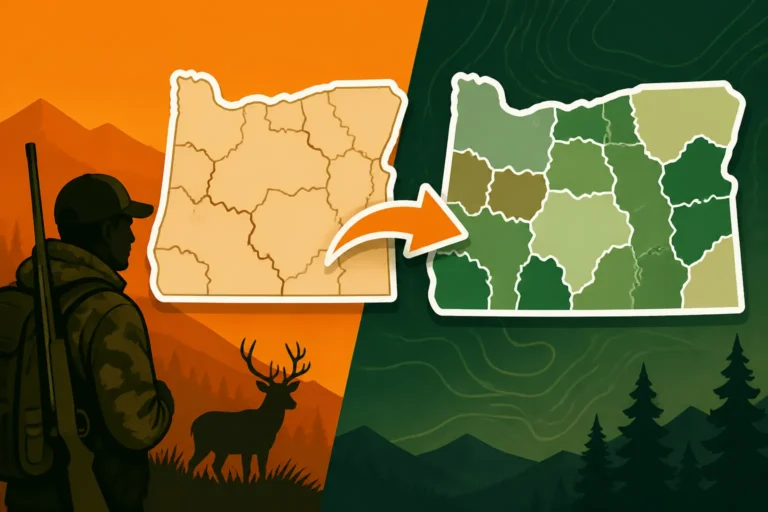
Identifying Closed Areas and Boundaries
So, how do you actually know where these closures are? This is where diligent pre-hunt research really pays off. Various agencies manage land in Oregon, each with its own protocols for closures:
- Oregon Department of Fish and Wildlife (ODFW): They often manage specific wildlife areas and are heavily involved in determining critical habitat. Their website is a primary resource.
- U.S. Forest Service (USFS): National Forests across Oregon will have seasonal closures, particularly for motorized travel. Check with individual ranger districts.
- Bureau of Land Management (BLM): Similar to the Forest Service, BLM lands often have seasonal restrictions, especially in the high desert regions.
- Oregon State Forests: Managed by the Oregon Department of Forestry, these lands also have closures that can impact access.
You'll typically find physical signs and locked gates marking closed areas, especially on popular access roads. However, don't rely solely on these; sometimes signs get damaged, or you might enter an area from an unposted boundary. This is where digital tools become invaluable. Many hunters rely on GPS mapping apps like onX Hunt or GoHunt, which often have layers showing current public land boundaries, private lands, and sometimes even specific closure areas. These tools can be a game-changer for identifying exactly where you can and cannot go, helping you stay out of trouble and respecting the land. Checking Using the Oregon Hunting Map Online and E-Scouting Oregon Units With Satellite Imagery can provide more detailed strategies for navigating these complexities.
Here's a quick overview of common winter range closures:
| Closure Type | Primary Purpose | Typical Timing | Affected Species | Common Locations |
|---|---|---|---|---|
| Motorized Vehicle | Prevent disturbance, habitat damage | Nov/Dec – Mar/Apr | Deer, Elk | Forest Service/BLM roads, TMAs, Winter Range |
| Foot & Horse Access | Protect highly vulnerable game from stress | Dec – Mar | Mule Deer | Specific critical winter ranges, key slopes |
| Elk Feeding Site | Prevent habituation, protect forage | Year-round, intensified winter | Elk | ODFW Wildlife Areas, private lands near feed sites |
| Road & Gate | Habitat protection, animal movement | Varied, often seasonal | Deer, Elk | Many public land areas, private timber lands |
| Wildlife Area Specific | Habitat management, species specific | Varies by area | All game | ODFW Wildlife Areas (e.g., Summer Lake) |
Specific Examples of Closure Zones
While specific unit and area names can change, the types of areas that face closures remain fairly consistent. For instance, in Eastern Oregon, many of the low-elevation, south-facing slopes in units like the Maury, Paulina, or Silvies, which offer critical forage and thermal cover, are routinely closed to protect wintering mule deer. These are often areas where deer can escape deep snow and find whatever browse is available. Mule Deer Winter Range in Eastern Oregon delves deeper into these specific areas.
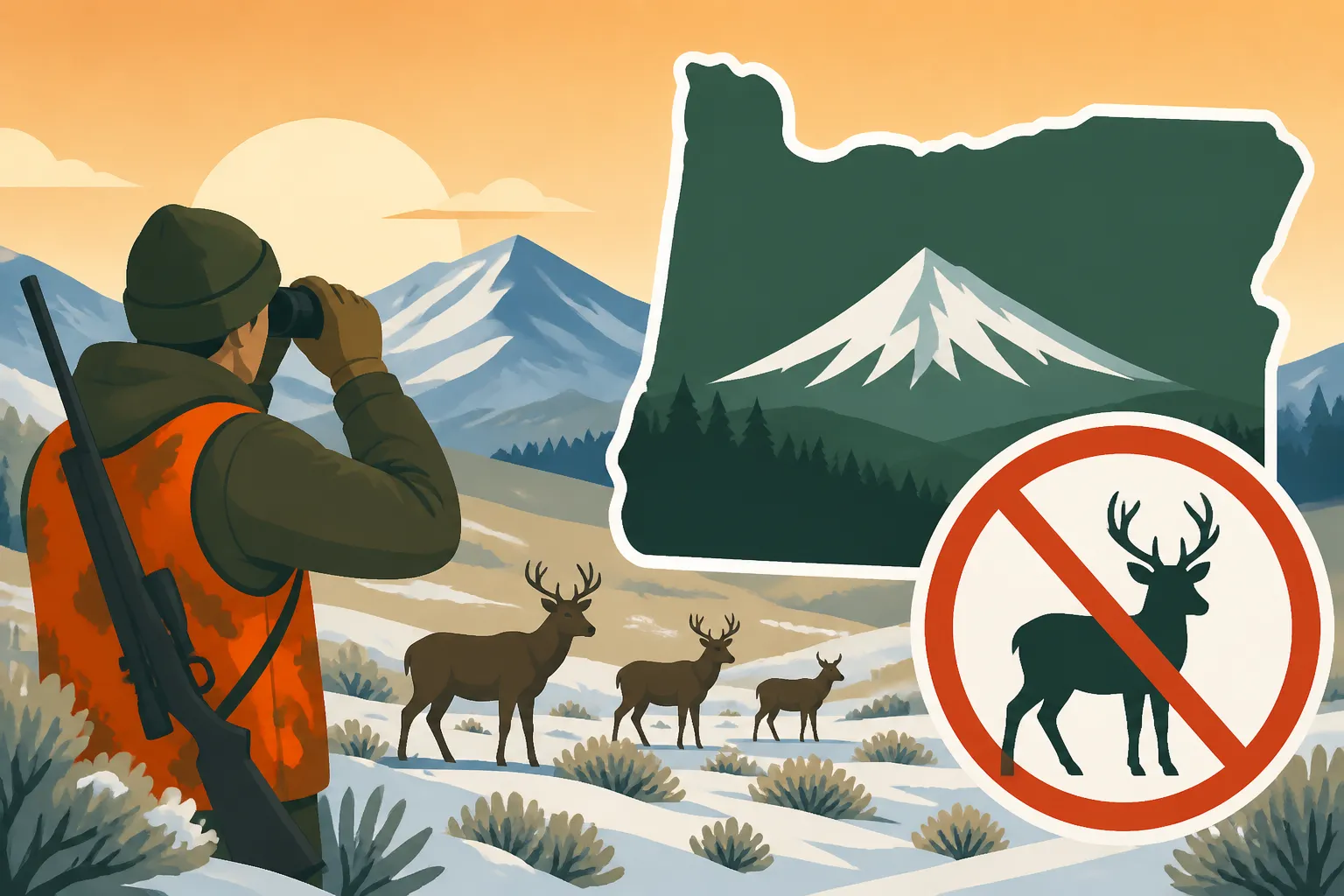
For elk, you might find closures in specific valley bottoms or certain drainages within the Blue Mountains or the Ochocos where herds gather during deep snow. These areas are crucial for their survival, and agencies aim to keep human presence to a minimum. Additionally, many Elk Feeding Site Closures in Oregon are permanent or intensified during winter to prevent elk from becoming reliant on artificial feeding and to reduce the spread of disease. It's not uncommon to see "closed to motor vehicles" signs on otherwise accessible roads that lead into these vulnerable areas, sometimes encompassing vast tracts of land. These closures can significantly alter your hunting strategy, especially if you have a late-season tag, making prior knowledge indispensable.
Navigating and Respecting Closure Regulations
Dealing with winter range closures requires more than just knowing where they are; it demands proactive planning and a deep respect for the regulations. Ignoring them isn't just a risk of a fine; it's a direct threat to the very wildlife we cherish.
The Importance of Pre-Trip Planning
You simply cannot overstate the importance of checking for closures before you even load your rifle. Relying on outdated information or hoping a gate will be open is a recipe for frustration and potential legal trouble. The ODFW website is your first stop. Look for press releases, seasonal updates, and specific unit regulations. Many National Forest and BLM district offices also post closure maps and notices online, or you can call their local offices directly. It might seem tedious, but taking a few minutes to confirm conditions could save you hours of driving and a wasted hunt.
The consequences of violating winter range closures are significant. You could face hefty fines, loss of hunting privileges, and even confiscation of equipment. Beyond the legal ramifications, there's an ethical component. Disregarding closures undermines conservation efforts and reflects poorly on the entire hunting community. We, as hunters, are the strongest advocates for wildlife, and part of that advocacy is demonstrating respect for the rules designed to protect the animals. Just as you'd check for Checking Oregon Fire Closures Before the Season to avoid dangerous situations, checking winter range closures is an equally vital part of responsible outdoor recreation.
Tools and Resources for Hunters
In this digital age, hunters have incredible resources at their fingertips to help navigate complex regulations, including winter range closures. As mentioned earlier, robust mapping applications like onX Hunt and GoHunt are indispensable. Many of these apps include layers that show public and private land boundaries, as well as specific travel management areas and, in some cases, seasonally closed roads or areas. It's like having a constantly updated map in your pocket.
However, don't ditch your paper maps entirely! Technology can fail, batteries die, and cell service can be non-existent in remote Oregon backcountry. A good old-fashioned paper map, marked with potential closure areas from your research, serves as an excellent backup. Don't be shy about contacting local ODFW biologists or game wardens either. They are often the most knowledgeable sources for real-time conditions and can clarify specific boundaries or regulations. Knowing who to call when you have questions is a powerful tool in itself. Beyond digital maps, make sure to read the physical regulation pamphlets for the current year, as they contain general closure information that will guide your overall planning. For more on navigating forest service regulations, refer to Motorized Travel Rules on Oregon BLM Land and Oregon Roads Closed to Protect Wintering Deer.
Ethical Hunting Practices During Transition Periods
Beyond the letter of the law, there's the spirit of ethical hunting, especially during the challenging transition into winter. Even if an area isn't technically closed yet, if you observe big game animals congregating, showing signs of stress, or struggling in deep snow, it's a good ethical practice to give them space. This might mean choosing to hunt a different area or waiting until conditions improve. Animals are particularly vulnerable during these times, and unnecessary pressure can have lasting negative impacts on their survival.
Consider the timing of your late-season hunts. If a heavy snowstorm is forecasted, and you know animals will soon be moving down to winter ranges, adjusting your plans might be the most responsible choice. The goal of hunting is not just to harvest an animal, but to do so respectfully and sustainably. By being mindful of environmental conditions and animal behavior, you contribute to a healthy ecosystem and ensure that the opportunity to hunt remains for future generations. It's about being a true conservationist, not just a consumer of wildlife.
Disclaimer
This article is for general informational purposes only and does not constitute professional advice. Laws, prices and regulations vary by location and change over time. Consult a qualified professional for guidance on your specific situation.