Tillamook State Forest Hunting Access in Oregon
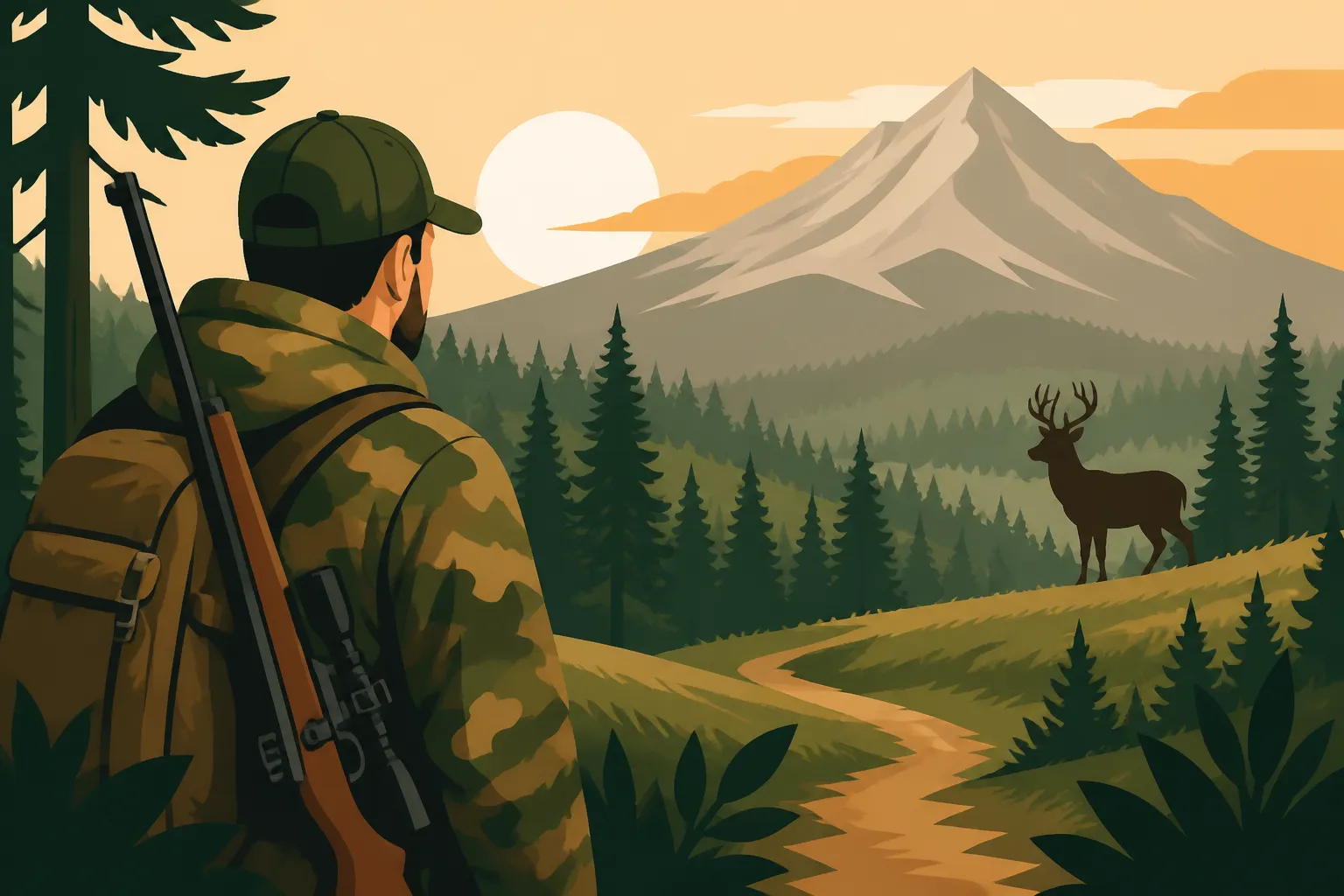
Hunting in the Tillamook State Forest can feel like navigating a maze that constantly changes, with gates appearing, roads disappearing under logging activity, and sometimes it just feels impossible to know where you can legally park and pursue game. This guide is dedicated to breaking down the complexities of finding hunting access in the Tillamook, offering practical advice to help you confidently explore this vast and productive western Oregon timberland.
Understanding the Tillamook State Forest for Hunting
The Tillamook State Forest is a sprawling, working forest that offers some truly unique hunting opportunities, but it's not without its quirks. Unlike federal lands like National Forests, the Tillamook is managed by the Oregon Department of Forestry (ODF), and its primary purpose balances timber production with recreation, wildlife, and water quality. This blend means you're often hunting in areas actively undergoing logging, which can be a blessing or a curse, depending on your perspective and preparation.
What Makes the Tillamook Unique
The Tillamook's history is steeped in the devastating Tillamook Burn fires of the mid-20th century. What you see today is a testament to monumental reforestation efforts, resulting in a mosaic of timber stands of various ages. You'll find everything from dense, young replantings (often called clearcuts) that provide incredible browse for deer and elk, to mature second-growth timber, and even some pockets of old-growth remnants in hard-to-reach canyons. This diverse habitat, constantly being shaped by logging and replanting, creates an incredibly dynamic environment for game animals. The terrain is often steep, broken by countless drainages, and generally wet, especially during the fall hunting seasons.
Key Species You'll Find
When you venture into the Tillamook, you're primarily pursuing classic Western Oregon game species. The undisputed king of the woods here is the Roosevelt elk. These magnificent animals thrive in the dense cover and abundant forage. While spotting a bull in the thick timber can be incredibly challenging, the Tillamook holds a healthy population. Alongside the elk, Columbian blacktail deer are the most common deer species. Blacktails are masters of camouflage and navigating the dense undergrowth, making them a formidable quarry. You'll also find black bears throughout the forest, often drawn to berry patches in late summer and early fall. Coyotes are prevalent, and while less common, cougars are also present, preying on the abundant deer and elk. Roosevelt Elk in Western Oregon are a truly iconic species, and hunting them in their natural habitat is an unforgettable experience.
General Regulations and Considerations
Hunting in the Tillamook State Forest falls under the Oregon Department of Fish and Wildlife (ODFW) regulations, just like any other public land in Oregon. However, being a state forest, there might be specific ODF rules regarding camping, vehicle access, or fire restrictions that differ slightly from federal lands. Always check the ODF website for the Tillamook State Forest specifically before your trip, in addition to the ODFW hunting regulations pamphlet. It’s crucial to know about things like seasonal road closures or fire danger levels, especially during dry periods. You'll also want to be mindful of timber company operations; active logging sites are generally off-limits for safety reasons, and you should always yield to heavy equipment.
Navigating Access Points and Road Systems
One of the biggest hurdles for hunters in the Tillamook State Forest is simply figuring out how to get to where you want to hunt. The forest is crisscrossed by an extensive network of roads, but many are gated, seasonally closed, or might even be decommissioned after logging operations. This constant state of flux makes current, reliable information absolutely vital.
Identifying Open vs. Closed Roads
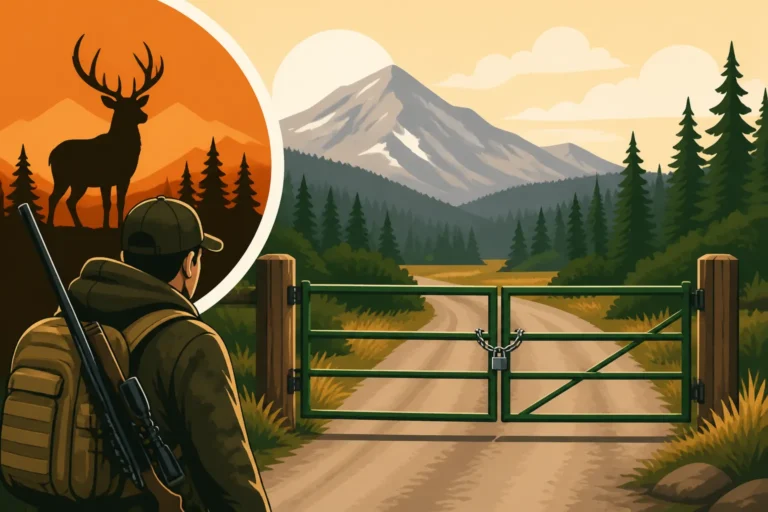
The road system in the Tillamook is largely maintained for timber harvesting. This means roads can open and close frequently, sometimes for long periods. Gates are common, indicating anything from seasonal closures (often for winter range protection or to prevent road damage during wet months) to permanent closures. Some gates are locked with combinations only accessible to permit holders (like timber company employees), while others are simply closed to vehicle traffic but open to walk-in access. Signs are usually posted, but they can be missed or, unfortunately, sometimes vandalized. Always assume a road is closed to motorized vehicles if it's gated, unless explicitly signed otherwise. It's a good practice to plan on foot access beyond any gate you encounter. Understanding Reading Green Roads on an Oregon Travel Management Map can be a huge help here, even though the Tillamook has its own unique system.
Using Mapping Tools for Access
This is where modern technology really shines and becomes an indispensable tool for hunting the Tillamook. Gone are the days of relying solely on outdated paper maps or guessing. Applications like onX Hunt and GoHunt provide detailed satellite imagery, property boundaries (distinguishing state forest from private timberland, which is also prevalent in the area), and, most importantly, road layers that are often updated more frequently than traditional maps. With onX Hunt, for example, you can toggle layers that show public land boundaries, roads, and even previous clearcuts, helping you visualize the terrain and potential access points from your couch. GoHunt offers similar robust mapping capabilities, often with additional data relevant to specific hunt units. These tools allow you to identify potential walk-in access points, parking areas, and plan your routes around known closures, saving you valuable hunting time and preventing frustrating dead ends. They can be invaluable for E-Scouting Oregon Units With Satellite Imagery.
Parking and Trailhead Etiquette
When you do find an open road or a suitable access point, parking intelligently is key. Always park in a way that doesn't block gates, active logging roads, or private driveways. Nothing sours a landowner or timber company's view of hunters faster than blocked access. Look for wide spots or designated pull-offs. If parking along a main thoroughfare, ensure your vehicle is well off the traveled portion of the road and visible to other traffic. Many popular access points are simply pull-outs on forest roads rather than official trailheads, so you might need to use common sense. Be aware that theft from parked vehicles can occur in remote areas, so secure your valuables or leave them at home. It’s also wise to leave a trip plan with someone at home, indicating where you’re parking and your intended route, especially if you’re heading into a less-traveled area.
Specific Hunting Challenges and Strategies in the Tillamook
Hunting in the Tillamook is a physical and mental test. The environment itself presents unique challenges that require specific strategies and a resilient mindset. It's not the kind of place where you typically sit and glass vast expanses.
Dealing with Dense Vegetation and Terrain
The Tillamook is defined by its thick vegetation. Expect to spend a lot of time still-hunting or moving through dense stands of young timber, brush like salal and sword fern, and blackberry brambles. Visibility is often limited to mere yards, which means shot opportunities can be fleeting and at close range. The terrain is relentlessly steep in many areas, with deep ravines and slippery slopes, especially when wet. This demands good physical conditioning and proper footwear. Boots for Wet Coastal Hunting are not just a recommendation; they are a necessity here. Focus on slow, deliberate movement, paying close attention to wind direction and thermals. Animals in this kind of cover are accustomed to moving quietly and using the vegetation to their advantage. Learning to pick apart the dense cover for subtle signs like fresh tracks, rubs, or disturbed bedding areas is paramount.
Weather Considerations
The coastal influence means the Tillamook is often damp, foggy, and rainy, particularly during the fall hunting seasons. While this might sound miserable, it can actually be a hunter's friend. Rain quiets the forest floor, making silent movement much easier, and can suppress human scent. Fog can also provide cover for approaching animals. However, it also makes for wet, cold conditions that demand high-quality rain gear and a layering system that can keep you comfortable. Expect mud, slippery logs, and swollen creeks. Be prepared for rapid changes in weather. A clear morning can quickly turn into a dense fog and steady drizzle by afternoon. Rain Gear That Actually Stays Dry is critical, not just for comfort but for safety against hypothermia.
Success Strategies for Blacktails and Roosevelt Elk
For blacktails, still-hunting through clearcuts, particularly those that are a few years old and offer new growth mixed with some cover, can be very effective. Focus on the edges where dense cover meets more open feeding areas. Blacktails are masters of using these transitional zones. During the rut, rattling can sometimes draw a buck out of the thick stuff, especially if you position yourself with good cover and wind advantage. Blacktail Rut Timing in Western Oregon is a key piece of information to time your hunts.
Roosevelt elk in the Tillamook are often found in tight pockets of timber, using the dense cover for bedding and security. Calling can be very effective, especially during the archery seasons, but it requires patience and knowing when to use soft cow calls versus aggressive bugles. Often, a "silent" approach, focusing on fresh sign and subtle movements, can be just as productive. Look for benches, saddles, and small clearings within the timber where elk might travel or feed. Concentrate on north-facing slopes for bedding areas and south-facing slopes for feeding after a cold night. Calling Roosevelt Elk in Oregon Rainforest Timber is a specialized skill that can pay dividends.
Respecting the Land and Other Users
Hunting in a working forest like the Tillamook isn't just about finding game; it's also about being a responsible steward and a good neighbor to other forest users and managers. Your actions reflect on the entire hunting community.
Leaving No Trace Principles
Adhering to Leave No Trace principles is non-negotiable. This means packing out everything you pack in, including spent shell casings, food wrappers, and any trash you might find. If you field dress an animal, ensure gut piles are well off roads and trails, away from water sources. Minimize your impact on vegetation and soil by staying on established roads and trails when possible. When camping, use existing sites or choose durable surfaces. Proper disposal of human waste is also essential. The Tillamook is a beautiful, wild place, and it's our responsibility to keep it that way for future generations of hunters and outdoor enthusiasts.
Sharing the Forest
The Tillamook State Forest is a multi-use area. This means you'll likely encounter hikers, mountain bikers, horseback riders, off-road vehicle enthusiasts, mushroom foragers, and active logging operations. Be courteous and respectful to everyone you meet. Make your presence known (verbally, not with a firearm) if you encounter other users, especially if you're wearing camouflage and carrying a rifle or bow. Understanding and avoiding areas of active logging is critical for safety and maintaining good relationships with timber companies. Sometimes, the best strategy is to look at a map, perhaps using onX Hunt or GoHunt, and identify areas less likely to draw other users, such as steeper, roadless sections, if your fitness allows.
Understanding Fire Season Restrictions
Oregon's fire seasons can be intense, and the Tillamook, while often wet, is not immune. During dry periods, various fire restrictions can be implemented, affecting campfires, smoking, and even motorized access to certain areas. These restrictions are put in place to prevent catastrophic wildfires and protect both natural resources and human lives. Always check the ODF website for current fire restrictions before heading out, especially from late summer through fall. Ignoring these rules can lead to severe penalties and poses a significant risk to the forest. Be prepared to adapt your plans, which might mean not having a campfire or avoiding certain areas altogether. Checking Oregon Fire Closures Before the Season is a vital step in your preparation.
Tillamook State Forest Big Game Hunting Overview
| Species | Typical Season Type | General Timing | Primary Habitat | Key Challenges |
|---|---|---|---|---|
| Blacktail Deer | General Season (Bucks) | Sept-Oct (Archery), Oct-Nov (Rifle) | Clearcuts, dense brush, transition zones | Visibility, thick cover, elusive nature |
| Roosevelt Elk | General Season (Bulls/Any) | Aug-Sept (Archery), Nov (Rifle) | Dense timber, drainages, older clearcuts | Extreme cover, calling skills, physical demand |
| Black Bear | General Season (Any Bear) | Aug-Oct (General) | Berry patches, young growth, dense timber | Spotting in cover, judging size, thick vegetation |
| Cougar | General Season (Any Cougar) | Year-round, Quotas Apply | Steep terrain, dense cover, following deer/elk | Locating tracks, calling patience, rarely seen |
This table provides a general overview. Always consult the current ODFW hunting regulations for precise dates, bag limits, and specific unit information, as seasons can vary year to year.
Disclaimer
This article is for general informational purposes only and does not constitute professional advice. Laws, prices and regulations vary by location and change over time. Consult a qualified professional for guidance on your specific situation.