Scappoose Unit Hunting
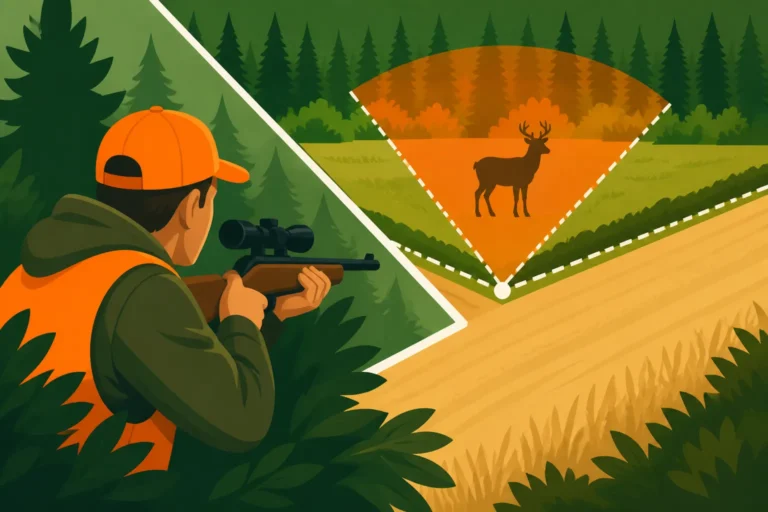
Hunting the Scappoose Unit can feel like a daunting task, especially with its unique blend of dense western Oregon timber, close proximity to a major metropolitan area, and a mosaic of land ownership. Many hunters grapple with finding accessible public land and deciphering where the game actually roams amidst the suburban sprawl and managed forests. This comprehensive guide aims to cut through that confusion, offering detailed insights into the Scappoose Unit's hunting opportunities, how to navigate its complex landscape, and proven strategies to help you find success in this challenging yet rewarding area.
Understanding the Scappoose Unit's Unique Landscape and Challenges
The Scappoose Unit, nestled in Oregon's Coast Range, presents a distinctive hunting environment that sets it apart from many other units in the state. It's not the vast, open sagebrush of Eastern Oregon, nor the remote, high-alpine wilderness. Instead, it's a mix of working forests, river bottoms, and hillsides that demand a specific approach.
Geography and Habitat: Proximity to Population, Dense Timber, and Agricultural Fringes
One of the first things you'll notice about the Scappoose Unit is its close proximity to the Portland metropolitan area. This isn't deep backcountry; you're often just a short drive from towns and urban boundaries. This closeness means easier access for many, but also brings unique challenges like increased recreational pressure and the need to be acutely aware of property lines and safety zones.
The dominant feature of the Scappoose Unit's habitat is its dense, thick timber. We're talking about classic Western Oregon rainforest here – Douglas fir, hemlock, cedar, with an understory of sword fern, salal, and huckleberry so thick it can feel like swimming through green concrete. This provides excellent cover for game but makes spotting animals a real challenge. The unit also includes significant riparian areas along the Scappoose River and its tributaries, as well as agricultural fringes where timberlands meet pastures and fields. These transition zones can be incredibly productive, as deer and elk will often feed in the open fields during low light and retreat to the security of the timber during the day. Elevations generally aren't extreme, but the terrain can be steep and broken by numerous drainages, making for demanding climbs and descents, especially when packing out an animal.
Game Species and Populations: Blacktail Deer and Roosevelt Elk
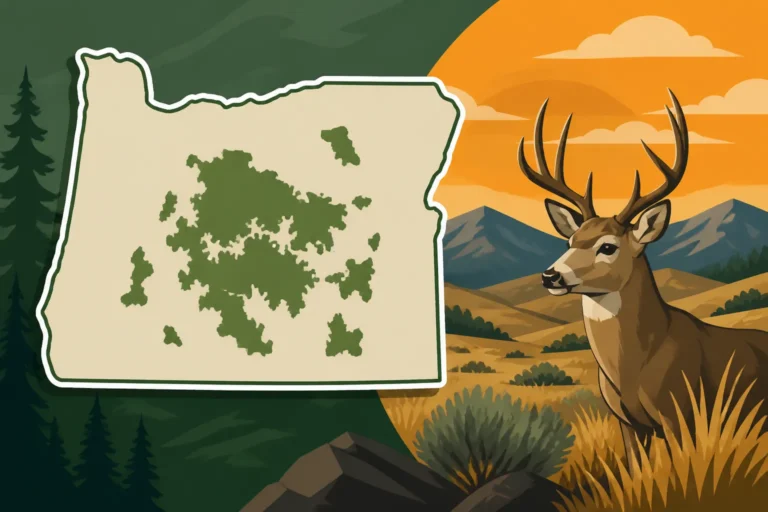
The Scappoose Unit is primarily known for its Columbian Blacktail Deer of Western Oregon and Roosevelt Elk in Western Oregon. Blacktails thrive in this type of dense, regenerating timber. You'll often find them browsing on new growth in clearcuts or bedding down in the thick stands of younger trees. Their secretive nature and ability to disappear into seemingly sparse cover make them a formidable challenge, but the populations here offer consistent opportunities during archery and general rifle seasons. Understanding their movements and preferred bedding areas within the dense foliage is key to success.
Roosevelt elk are also present, often found in larger herds than their Rocky Mountain cousins further east. These coastal giants navigate the same dense timber, utilizing the cover for security and moving between feeding areas in clearcuts or river bottomlands. Hunting Roosevelt elk often involves a completely different strategy than hunting open country elk, emphasizing patience, close-range calling, and stealth. Beyond the primary big game, the unit also holds healthy populations of Oregon Black Bears in the Coast Range and Cascades. Bears are opportunistic and can be found almost anywhere there's food, often frequenting clearcuts for berries in late summer or scavenging along drainages. Cougars in Oregon After the Hound Ban are also present, preying on the abundant deer and elk, though encounters are rare, and successfully hunting them is a specialized pursuit.
Hunter Density and Pressure: Managing Expectations Near Urban Areas
Given its accessibility from population centers like Portland, St. Helens, and Scappoose, the unit does experience significant hunter pressure, especially during opening weekends of general seasons. This means you'll likely share the woods with others, and you might not have that deep wilderness solitude many hunters crave.
However, "pressure" doesn't necessarily mean "no game." It often means the game is more wary, more nocturnal, and more prone to seeking out the thickest, nastiest cover to escape human disturbance. Smart hunters can use this to their advantage. Instead of avoiding other hunters, consider how their presence might move game. Focus on areas that are harder to access, whether it's by foot only, steep terrain, or through very dense brush. Many hunters stick to roads and easily navigable trails; venturing even a quarter-mile into truly tough cover can put you into untouched areas where game feels secure. Managing your expectations about solitude and adapting your tactics to account for pressure are vital for success here.
Navigating Public and Private Land Access in Scappoose
Understanding land ownership is paramount when hunting the Scappoose Unit. This area is a patchwork of public, private industrial timber, and small private parcels, and knowing whose land you're on at all times is not just good practice, it's a legal necessity.
Public Land Opportunities: ODFW, BLM, and State Forests
While much of the immediate Scappoose area might feel like private timber, there are significant public land opportunities available. The Oregon Department of Forestry (ODF) manages areas like the Tillamook State Forest, which, while not directly in the Scappoose Unit, often borders it and provides similar habitat and access points. These state forests are typically open to hunting, but always check for specific regulations or closures, especially during fire season or active logging operations.
Bureau of Land Management (BLM) lands also exist within or adjacent to the unit. BLM lands are generally open to hunting unless otherwise specified, but they can be interspersed with private parcels, making navigation tricky. Wildlife management areas (WMAs) managed by the Oregon Department of Fish and Wildlife (ODFW) might also offer hunting, though these often have specific rules, restricted seasons, or permit requirements that differ from general regulations. Always consult the current Oregon big game regulations pamphlet for details on any specific WMA. Using mapping tools like onX Hunt becomes invaluable here, allowing you to instantly see land ownership boundaries, helping you identify public access and avoid accidental trespass.
Private Land Access and Permissions: The Importance of Asking
A substantial portion of the Scappoose Unit's landscape is comprised of private industrial timberland, owned by companies like Weyerhaeuser or Hancock. These companies often have their own access policies, which can range from open access to permit-only systems or even complete closures. Some may require you to purchase an annual permit for gate access, while others allow walk-in access on certain roads. It's crucial to research the specific timber company that owns the land you're interested in and understand their current rules before you go. Many companies update their policies seasonally or based on fire danger. You can find more general information about this in articles like Hunting Private Timber Land With a Permit.
Beyond the large timber companies, many smaller private landowners manage parcels that may hold excellent hunting opportunities. This is where the old-school approach of knocking on doors comes into play. Respectfully asking permission from landowners can unlock some fantastic hunting. Be prepared to be denied, but also be surprised by those who are willing to grant access, especially if you demonstrate respect for their property, promise to close gates, and follow their specific rules. The ODFW also runs programs like "Open Fields," which partners with private landowners to provide public hunting access, often for species like waterfowl, but sometimes for big game. Keep an eye on these opportunities as they can open up otherwise inaccessible ground.
Travel Management Areas and Road Closures: Interpreting Maps and Avoiding Violations
The Scappoose Unit, like much of Western Oregon's public and private timberlands, features a complex network of roads, many of which are part of Travel Management Areas (TMAs) or are seasonally/permanently closed. Oregon's Travel Management Areas Explained are designed to manage vehicle traffic, reduce road degradation, and provide quiet hunting opportunities. It's critical to understand these regulations.
Typically, maps will designate roads as open, seasonally closed, or permanently closed. "Open" roads are usually main arteries, while "closed" roads often become walk-in or bike-in only. Ignoring these closures can result in significant fines and impact your hunting privileges. When planning your hunt, always consult the most current ODFW travel management maps, often available as GeoPDFs that work with your phone's GPS, or using digital mapping apps. Reading a Travel Management Area Map Before You Drive is an absolute must. These maps are your best friend for navigating legally and efficiently. A digital mapping app like onX Hunt can overlay these closures directly onto a satellite image or topo map, making it incredibly easy to see where you can and cannot drive, helping you plan your approach on foot into those quieter, harder-to-reach pockets of timber where pressured game often retreats.
Strategies for Successful Scappoose Unit Hunting
Hunting in the Scappoose Unit requires a blend of physical stamina, patience, and adaptable tactics. The dense cover and wary animals demand a different approach than hunting in more open landscapes.
Blacktail Deer Tactics: Still-Hunting, Clearcut Edges, and Rut Timing
For Columbian Blacktail Deer of Western Oregon, stealth is your greatest asset. Blacktails are masters of using cover, and they will often simply freeze or melt away into the brush at the first sign of danger. Still-hunting is an incredibly effective tactic in the Scappoose Unit. This involves moving incredibly slowly, taking one or two steps, then pausing for several minutes to scan, listen, and let your eyes adjust to the subtle forms of deer in the thicket. You're not just looking for an entire deer, but an ear flick, a horizontal line of a back, or the glint of an antler. Focus on areas with a mix of dense bedding cover and fresh browse, such as the edges of clearcuts (especially those 2-10 years old that are regenerating with thick undergrowth), natural openings, or along benches and saddles in the timber.
Clearcut edges are prime blacktail habitat. These transition zones offer both food and immediate security. Hunting these edges at first and last light can be very productive. During the middle of the day, deer will typically be bedded in the thickest cover nearby, so pushing into these dense areas with a slow, methodical still-hunt can pay off. Understanding Reading a Two-Year-Old Clearcut for Bucks can give you an edge. The blacktail rut typically kicks in during late October and early November in Western Oregon, coinciding with much of the general rifle season. This is when bucks become more active, less cautious, and more focused on finding does, making them more vulnerable. Learning Blacktail Rut Timing in Western Oregon can help you time your hunts for peak activity.
Roosevelt Elk Strategies: Calling, Tracking, and Understanding Movements in Dense Cover
Hunting Roosevelt Elk in Western Oregon in the Scappoose Unit is a serious endeavor, demanding physical fitness and dedication. These animals are large, powerful, and perfectly adapted to the dense rainforest environment. While bugling can be effective, especially during early archery seasons, often a more subtle approach is needed. Calling Roosevelt Elk in Oregon Rainforest Timber requires understanding their vocalizations beyond just a challenge bugle. Cow calls, mews, and chirps can often be more effective at drawing in a bull or locating a herd in thick timber.
During general rifle seasons, elk are often pressured and will become very quiet and nocturnal. Tracking becomes a vital skill here. Look for fresh tracks, broken branches, and rubs, especially in damp areas or along game trails. Elk will often follow specific routes between feeding and bedding areas, creating well-worn paths. Learning to interpret these signs helps you understand their travel patterns. Focus your efforts on benches, saddles, and dense timber pockets adjacent to feeding areas. Elk will often move from high ground to low ground to feed in the evenings and then back up to security cover in the mornings. Pay close attention to wind direction and hunt into the wind, as their sense of smell is their primary defense. Patience is key; often, it's not about covering vast distances but patiently working a productive area or waiting for elk to move through a known corridor.
Essential Gear and Preparedness: Rain Gear, Navigation, and Physical Fitness
The Scappoose Unit's environment dictates specific gear choices. First and foremost, good Rain Gear That Actually Stays Dry is non-negotiable. Western Oregon weather is notorious for being wet, and being cold and soaked will quickly end your hunt. Invest in quality waterproof-breathable jackets and pants. Sturdy, waterproof boots with good ankle support are also critical for navigating uneven, often slippery terrain.
Navigation is paramount. While paper maps are a good backup, a reliable GPS unit or a smartphone with a robust mapping app like onX Hunt or GoHunt is essential for identifying property lines, tracking your movements, and finding your way in dense, featureless timber. These apps provide satellite imagery, topographical maps, and public/private land overlays, which are indispensable for staying legal and efficient. Understanding how to use E-Scouting Oregon Units With Satellite Imagery to identify potential clearcuts, bedding areas, and travel corridors before you even leave home will give you a significant advantage.
Finally, physical fitness cannot be overstated. Hunting in the Scappoose Unit means navigating steep, brushy terrain, often far from roads, and potentially packing out hundreds of pounds of meat in challenging conditions. Consistent physical training before the season will significantly enhance your experience and chances of success. Carry a well-stocked first-aid kit, emergency shelter, fire starter, sufficient water, and communication devices like a satellite messenger, especially if you plan to venture deep into the timber.
Understanding Regulations and Management in the Scappoose Unit
Staying current with Oregon's hunting regulations is not just about avoiding penalties; it's about understanding how the state manages its wildlife resources and ensuring fair chase.
Tag Allocation and Season Dates: General Season Versus Controlled Hunts
The Scappoose Unit primarily operates under general season regulations for blacktail deer. This means tags are available over-the-counter and are not subject to a draw. This accessibility is part of what contributes to the unit's popularity and hunter pressure. Season dates are published annually in the Oregon Big Game Regulations, typically starting in late September or early October for rifle deer, with archery seasons preceding them. For Roosevelt elk in the Scappoose Unit, tags are also often available as general season opportunities, though the number of tags and specific season structures can vary slightly year to year. It's always crucial to consult the current year's ODFW regulations pamphlet for exact dates and tag limitations.
While most deer and elk opportunities are general season, there might be specific controlled hunts for other species or special opportunities within the unit. Controlled hunts are those where the number of tags is limited and awarded through a lottery system based on preference points. For instance, while blacktails are general, certain limited-entry deer hunts might exist in adjacent areas or for specific weapon types. Always check the ODFW regulations carefully to confirm the specific hunt number and whether it's general or controlled.
Mandatory Harvest Reporting and the $25 Penalty
Oregon has a strict mandatory harvest reporting requirement for all big game tags, regardless of whether you filled your tag or not. This is a crucial tool for ODFW to collect data on harvest rates, hunter effort, and population trends, which directly influences future tag allocations and management decisions.
The deadline for reporting varies depending on the species and hunt, but generally, it's in January for most fall hunts and April for spring bear. Failure to report your hunt by the deadline results in a $25 penalty that must be paid before you can purchase any hunting license or tag for the following year. This is a common pitfall for many hunters who forget about it after the season, so mark your calendars! It's easy to report online through the ODFW licensing system, and you can find more details in articles like Oregon Mandatory Harvest Reporting and the $25 Penalty. Even if you don't harvest an animal, reporting "no harvest" is equally important.
Specific Unit Rules and ODFW Resources
Beyond general statewide regulations, individual units like Scappoose can have specific rules or advisories. These might include temporary access restrictions due to logging, fire closures, or special safety zones. It's your responsibility as a hunter to be aware of these. The ODFW website is the authoritative source for all regulations, and they typically release an updated Big Game Regulations pamphlet each year. This pamphlet is invaluable; read it cover to cover, paying close attention to the specific unit regulations for the Scappoose Unit (or its current designation, as unit names and boundaries can sometimes be adjusted).
Before heading out, always check the ODFW website for any in-season updates, emergency closures, or fire restrictions. These can change rapidly due to weather or other factors and can significantly impact your hunting plans. Tools like GoHunt can also be helpful for general unit information and understanding trends, but always cross-reference with the official ODFW regulations for the most accurate and up-to-date legal information. Responsible hunting means not only knowing the law but also understanding the rationale behind it and how it contributes to the health of Oregon's wildlife.
| Game Species | Typical Habitat | Primary Hunting Challenge |
|---|---|---|
| Blacktail Deer | Dense clearcuts, brushy edges, mixed conifer forests | Stealth, navigating thick cover, finding wary animals |
| Roosevelt Elk | Dense mature timber, riparian areas, regenerating clearcuts | Physical demands, dense cover, locating quiet herds |
| Black Bear | Berry patches, clearcuts, dense forest near food sources | Spotting in thick cover, judging size, avoiding sow with cubs |
| Cougar | Everywhere deer and elk are found; dense, remote areas | Extremely elusive, low population density, specialized tactics |
Disclaimer
This article is for general informational purposes only and does not constitute professional advice. Laws, prices and regulations vary by location and change over time. Consult a qualified professional for guidance on your specific situation.