Antler Point Restrictions and Herd Age
It can be incredibly frustrating to spend countless hours scouting, preparing, and then finally getting into the field, only to find yourself faced with a buck that doesn't quite meet the legal antler requirements for your specific hunting unit. You see a deer, it looks like a shooter, but then you start counting points, assessing brow tines, and suddenly that excitement turns into a mental scramble. Antler Point Restrictions (APRs) are a reality for many Oregon hunters, shaping not just how we hunt, but also the very age structure and quality of our deer and elk herds. This guide dives deep into what APRs are, how they aim to influence herd age, and what that means for your hunting strategy here in Oregon.
Understanding Antler Point Restrictions in Oregon
Antler Point Restrictions, often just called APRs, are a wildlife management tool used by state agencies like the Oregon Department of Fish and Wildlife (ODFW) to regulate the harvest of antlered animals. Instead of just "any buck" or "any bull," these rules specify a minimum number of antler points or a minimum antler length that an animal must possess to be legally harvested. The goal isn't to make hunting harder, but to achieve specific objectives related to herd health and hunter experience.
The core idea is to protect younger, developing bucks and bulls from harvest, allowing them to mature and contribute to the breeding pool for more seasons. This, in theory, leads to a healthier age structure within the herd, with a greater proportion of older, more dominant males. It also aims to improve the overall "quality" of the hunting experience for those who prefer to pursue mature animals. While some hunters find them restrictive, others appreciate the challenge and the potential for encountering larger animals.
Defining Legal Bucks in Oregon's APR Units
In Oregon, APRs typically come in a few common forms, though specific units and seasons can have their own unique twists. For deer, a common APR might be a "3-point minimum" or "4-point minimum" on one side. For elk, especially Rocky Mountain elk in Eastern Oregon, you might encounter regulations like "spike only" or "3-point or better," or even "6-point or better" in some controlled hunts. These rules can change from year to year, so always, always check the current hunting regulations pamphlet for your specific hunt code and unit.
What exactly counts as a point? Generally, a point must be at least one inch long and longer than it is wide at its base. This is crucial for quick, ethical decision-making in the field. A hunter might see what looks like a fork, but if one of those tines is barely an inch, it might not legally count. It's a hard lesson to learn when you've just made a challenging stalk. For example, in a "3-point minimum" unit, a buck needs at least three legal points on one antler. If it has three on one side and two on the other, it's legal. If it has two on both sides, it's not. Getting out your optics and taking the time to accurately count points is paramount. Reading an Oregon Hunt Area Boundary is a crucial step to understand which rules apply to your specific hunting zone.
Common Misconceptions About APRs
Many hunters have strong opinions about APRs, and some common misunderstandings can cloud the discussion. One frequent misconception is that APRs guarantee huge bucks or bulls immediately. While the goal is to shift the age structure towards older animals, it doesn't mean every hunt will yield a Boone & Crockett contender overnight. It takes time, habitat, and other factors for those younger animals to grow. Another myth is that APRs are solely about "trophy hunting." While they can lead to bigger antlers, the primary biological objective is often about promoting a more natural age distribution in the herd, allowing more males to reach reproductive maturity and potentially pass on desired traits.
Some hunters also worry that APRs lead to a decline in overall deer or elk populations by making it harder to fill tags. The intent is usually to redistribute harvest pressure, allowing more young animals to survive, rather than to reduce the overall population. However, hunter success rates can indeed drop in the short term as hunters adapt to the new rules and become more selective. The key is understanding that these are tools, and like any tool, their effectiveness can vary depending on the specific circumstances of the unit, the health of the herd, and even external factors like predation, habitat quality, and disease. For instance, addressing Why Oregon Mule Deer Numbers Are Falling often involves looking at a much broader set of issues than just harvest regulations.
How Antler Point Restrictions Affect Herd Age and Quality
The main driver behind implementing APRs is to influence the age structure of big game herds. By protecting younger males, wildlife managers hope to create a more balanced population where a greater percentage of bucks and bulls live past their first year or two. This has several intended ripple effects, both biologically and for the hunting experience.
Consider a unit where "any buck" is legal. Hunters might harvest a high percentage of yearlings (1.5-year-old deer) or young spikes and fork horns, simply because they are the most abundant and easiest to encounter. While this provides many hunting opportunities, it can also lead to a herd with very few older, mature males. APRs aim to reverse this trend, creating a higher proportion of animals in the older age classes.
Protecting Young Bucks
The most direct effect of an APR is the protection of young, developing males. For instance, in a "3-point minimum" mule deer unit, a spike or fork-horn buck (a 1.5 to 2.5-year-old animal) is generally off-limits. This allows these bucks to survive at least another year, if not more, giving them the chance to grow larger bodies and more complex antlers. The idea is that these bucks, by living longer, will eventually contribute to the segment of the population that meets the legal harvest criteria.
This protection is particularly relevant for species like Oregon's Columbian Blacktail Deer of Western Oregon or Oregon Mule Deer and the Herd Range Decline, where pressure on young bucks might otherwise be quite high. By allowing a greater number of young bucks to survive their first few hunting seasons, the hope is to see an increase in the number of 3.5, 4.5, and even older bucks in the population. This isn't just about antler size; it's about allowing these animals to reach their physical and reproductive prime.
Impact on Genetics and Breeding Dynamics
The influence of APRs on genetics and breeding dynamics is a topic of ongoing discussion among biologists and hunters. The theory often goes that by allowing more bucks to reach maturity, you increase the chances of genetically superior animals contributing to the gene pool. However, this is a complex area. "Superior genetics" can be hard to define purely by antler size, and many factors influence antler growth, including nutrition and overall health.
One argument is that older, more dominant bucks are better breeders. If APRs allow more bucks to reach that older age, it could lead to a more "natural" breeding dynamic where older, stronger males do most of the breeding. Conversely, some worry that if hunters are always selecting for animals with more points, they might inadvertently be selecting against certain genetic traits, though this is a long-term and debated effect. The primary focus for ODFW is often on increasing the proportion of older males rather than specifically selecting for certain genetic lines based solely on antlers.
Understanding Herd Age Structure
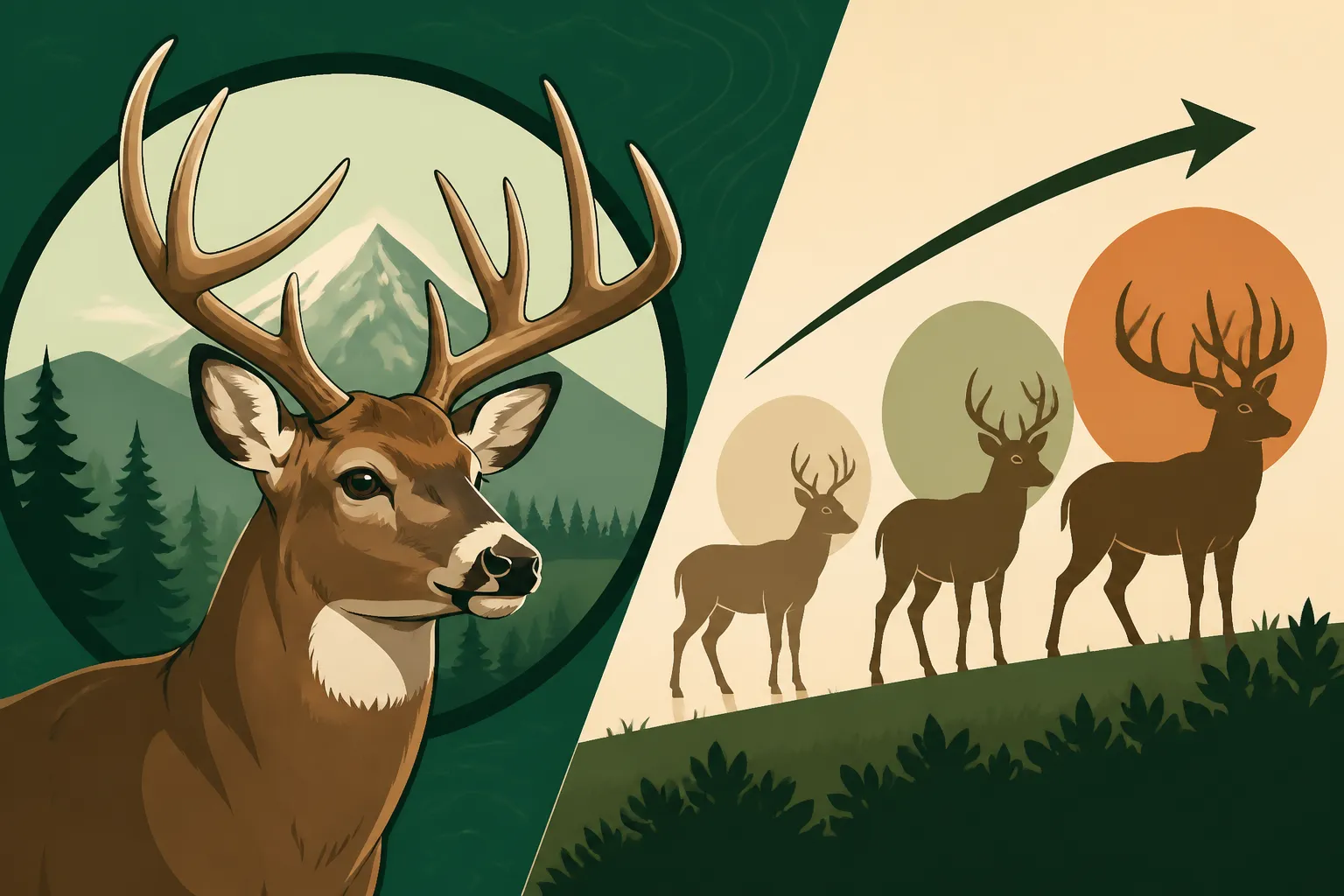
Ultimately, APRs are about modifying the age structure of a herd. Imagine a pyramid where the base is young animals and the peak is old animals. In an "any animal" unit, that pyramid might be very steep, with a large base of young bucks/bulls and a very small, pointed top of older animals. An APR aims to broaden that pyramid, creating more middle-aged animals and a slightly wider top of older, mature animals.
This shift isn't just cosmetic. A healthier age structure can mean more resilient herds, as older animals often have more experience surviving harsh winters or escaping predators. It also impacts the bull-to-cow or buck-to-doe ratios, which are critical for effective breeding. For example, if there are too few mature bulls, a high number of cows might not get bred during the optimal period, impacting calf recruitment. For more insight into these dynamics, reports like the Oregon Mule Deer Plan and Tag Numbers often detail these management goals. Understanding the age structure helps hunters appreciate the intent behind these regulations, even if it means passing on a young buck or bull.
Hunting Strategies Under APRs in Oregon
Hunting in an APR unit requires a different mindset and a refined strategy compared to an "any legal buck/bull" hunt. It's not just about finding an animal, but finding a legal animal, which often means being more patient, selective, and disciplined.
Focusing on Older, Mature Bucks
The most obvious strategic shift in an APR unit is the focus on older, more mature bucks or bulls. Instead of scanning for any antlers, you're specifically looking for those tell-tale signs of a larger, older animal – body size, neck thickness, and, of course, the specific antler configuration that meets the legal requirements. This often means passing on animals that might have looked like a viable target in a general season hunt.
This shift can make for a more challenging but ultimately more rewarding experience for many. It encourages hunters to spend more time observing animals, learning their habits, and identifying individual animals rather than just taking the first antlered animal they see. It's about developing a deeper understanding of the local herd. Tools like GoHunt's mapping and scouting features can be invaluable here, helping you identify areas known for holding older age-class animals or escape cover where they might reside.
Scouting for Legal Animals
Effective scouting becomes even more critical in an APR unit. You're not just looking for deer or elk sign; you're looking for evidence of legal deer or elk. This might involve finding rubs high up on trees, larger tracks, or bedding areas typically used by bigger animals. Pre-season scouting, both boots-on-the-ground and using digital tools, is key. E-Scouting Oregon Units With Satellite Imagery can help you identify potential areas where mature bucks might hide out, such as dense timber pockets or steep, rough terrain.
When you're out scouting, pay close attention to the antler growth you observe. Take photos or videos if possible. This helps you get an idea of the typical antler development in the area and how many legal animals might be present. Remember, even if you spot a big one in July, there's no guarantee it will be there in October. But knowing where they like to hang out gives you a huge advantage. Understanding Blacktail Rut Timing in Western Oregon can also inform your scouting, as older bucks often become more visible during that period.
Patience and Shot Selection
Patience is perhaps the most important virtue when hunting in an APR unit. You might see several smaller bucks or bulls that don't meet the minimum. It can be hard to let them walk, especially if it's late in the season, but exercising that discipline is what these regulations are designed to encourage. Rushing a shot or making a mistake on identification can lead to a violation, and nobody wants that.
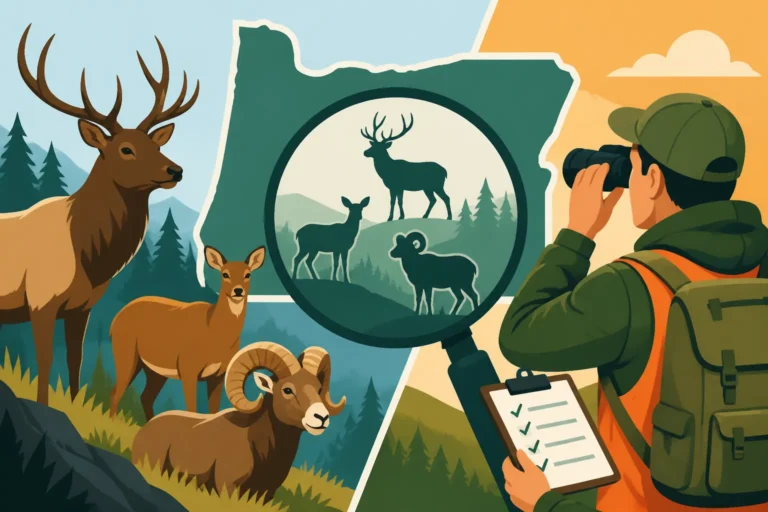
When you do spot a potential legal animal, take your time. Use your binoculars or spotting scope to confirm the antler points. Don't rely on a quick glance. With elk, especially in dense timber, getting a clear view of both antlers can be tough. Even in more open country, counting points on a moving animal can be deceiving. Always err on the side of caution. If you're unsure, let it walk. There will always be another opportunity, and a clean, ethical shot on a confirmed legal animal is always the goal. Optics for Dark Timber Versus Open Sage can significantly improve your ability to confirm antler points in challenging conditions.
Pros and Cons of Antler Point Restrictions
Like any wildlife management tool, Antler Point Restrictions come with both advantages and disadvantages, impacting both the herds themselves and the hunters who pursue them. It's a balance of biological goals, social considerations, and practical implementation.
Advantages for Management and Hunter Experience
From a management perspective, APRs offer several key benefits. They are designed to create a more balanced age structure in the male segment of the population, allowing more bucks and bulls to reach full maturity. This can lead to a healthier breeding population and potentially larger, more robust animals. In areas where young animals are heavily harvested, APRs can help ensure a consistent recruitment of older animals into the herd. This can also result in a more natural male-to-female ratio, which is important for herd health.
For hunters, the advantages often revolve around the quality of the hunting experience. While success rates might initially drop, many hunters report a greater chance of seeing and pursuing mature animals. The challenge of selectively harvesting a specific class of animal can be highly appealing. It also fosters better hunter ethics and observation skills, as hunters must be more discerning. Some feel it adds a layer of depth and appreciation to the hunt. For those utilizing resources like GoHunt, the ability to research units and identify those with a history of producing older animals can also be a draw.
| Aspect | Benefits of APRs | Challenges of APRs |
|---|---|---|
| Herd Age Structure | Increases proportion of older males, healthier herds | Slow to see effects, depends on habitat/predation |
| Antler Size | Potential for larger antlers over time | Not guaranteed, can lead to "genetic high-grading" |
| Hunter Experience | More selective, rewarding pursuit of mature animals | Reduced harvest opportunities for some, frustration |
| Identification | Encourages careful observation before shooting | Can be difficult in low light/dense cover, mistakes |
| Compliance | Clearer rules (for some), reduces "ground shrinkage" | Violations due to misidentification or impatience |
| Management Goals | Improves buck/bull to cow/doe ratios, breeding | May not address underlying habitat/health issues |
Challenges and Criticisms from the Hunting Community
Despite their intentions, APRs also face significant challenges and criticisms. One of the most common complaints from hunters is the reduced opportunity. In units with strict APRs, many perfectly healthy, albeit young, bucks or bulls must be passed up. This can lead to frustration, especially for new hunters, youth hunters, or those who simply prioritize filling their tag over antler size. It can feel like an arbitrary barrier to harvest, making hunting seem less accessible.
Misidentification is another major concern. In the heat of the moment, or in challenging light and cover conditions, accurately counting points can be incredibly difficult. A hunter might genuinely believe an animal is legal only to find out after the harvest that it wasn't. This leads to costly violations and wasted animals, which is heartbreaking for everyone involved. Some argue that APRs might also create an unnatural selection pressure, where bucks that are "just shy" of legal (e.g., a massive 2-point) are protected year after year, potentially passing on genetics that lead to smaller point counts, though this is debated. Hunters should use resources like GoHunt to study unit regulations and discuss point identification with experienced hunters to minimize the risk of misidentification.
Furthermore, APRs alone cannot solve all management issues. Habitat degradation, predation, disease, and severe weather events all play huge roles in herd health and population numbers. Simply restricting antler harvest won't magically fix a landscape lacking suitable forage or winter range. These regulations are one piece of a much larger and more complex puzzle in Oregon Elk Hunting Tactics for the November Rifle Seasons or any big game hunt.
Navigating Oregon's Antler Point Regulations
Successfully hunting in Oregon with antler point restrictions boils down to preparation, knowledge, and ethical decision-making. These regulations are in place for a reason, aiming to create healthier, more robust game populations for the long haul.
First and foremost, always consult the most current Oregon hunting regulations pamphlet, specific to your chosen hunt unit and weapon. These details can change from year to year, and what was legal last season might not be this season. Pay close attention to the definition of a legal point for deer and elk, as well as any special stipulations for brow tines or specific antler configurations.
Secondly, invest in good optics and use them. Binoculars, spotting scopes, and even rangefinders with magnification capabilities are your best friends in an APR unit. They allow you to carefully assess an animal's antlers before making a move or raising your rifle. Taking the time to confirm legality through your optics is not only smart hunting but also a critical ethical responsibility. For example, Glassing Sage and Juniper for Eastern Oregon Mule Deer is essential for identifying those older bucks.
Lastly, develop your scouting game. Utilize resources like GoHunt's property data and mapping tools to identify potential areas where older bucks or bulls are known to frequent. Learn the escape routes, bedding areas, and feeding patterns of mature animals in your unit. The more you know about your hunting area and the animals within it, the better equipped you'll be to ethically and legally harvest a mature buck or bull, even with antler point restrictions in place. Patience and discipline are paramount, but with the right approach, APRs can lead to some truly rewarding hunts in the Oregon backcountry.
Disclaimer
This article is for general informational purposes only and does not constitute professional advice. Laws, prices and regulations vary by location and change over time. Consult a qualified professional for guidance on your specific situation.