Bear Meat and Trichinosis Risk
There's a unique thrill that comes with harvesting a black bear in Oregon. It’s an incredibly rewarding hunt, often taking you deep into stunning wilderness. But once the hard work of packing out your animal is done, a common and very valid concern pops into many hunters' minds: trichinosis. This guide will walk you through what you need to know about this risk, how to practically eliminate it, and ensure your wild game meat is both safe and delicious for your table.
What is Trichinosis and Why is Bear Meat a Concern?
For many hunters, the idea of parasites in wild game is unsettling, and Trichinella is one of the most well-known. It's a microscopic roundworm that can cause a serious illness known as trichinosis in humans. While it's relatively rare, it's something every bear hunter needs to be aware of because wild bears are among the primary carriers.
The Life Cycle of Trichinella and How It Spreads
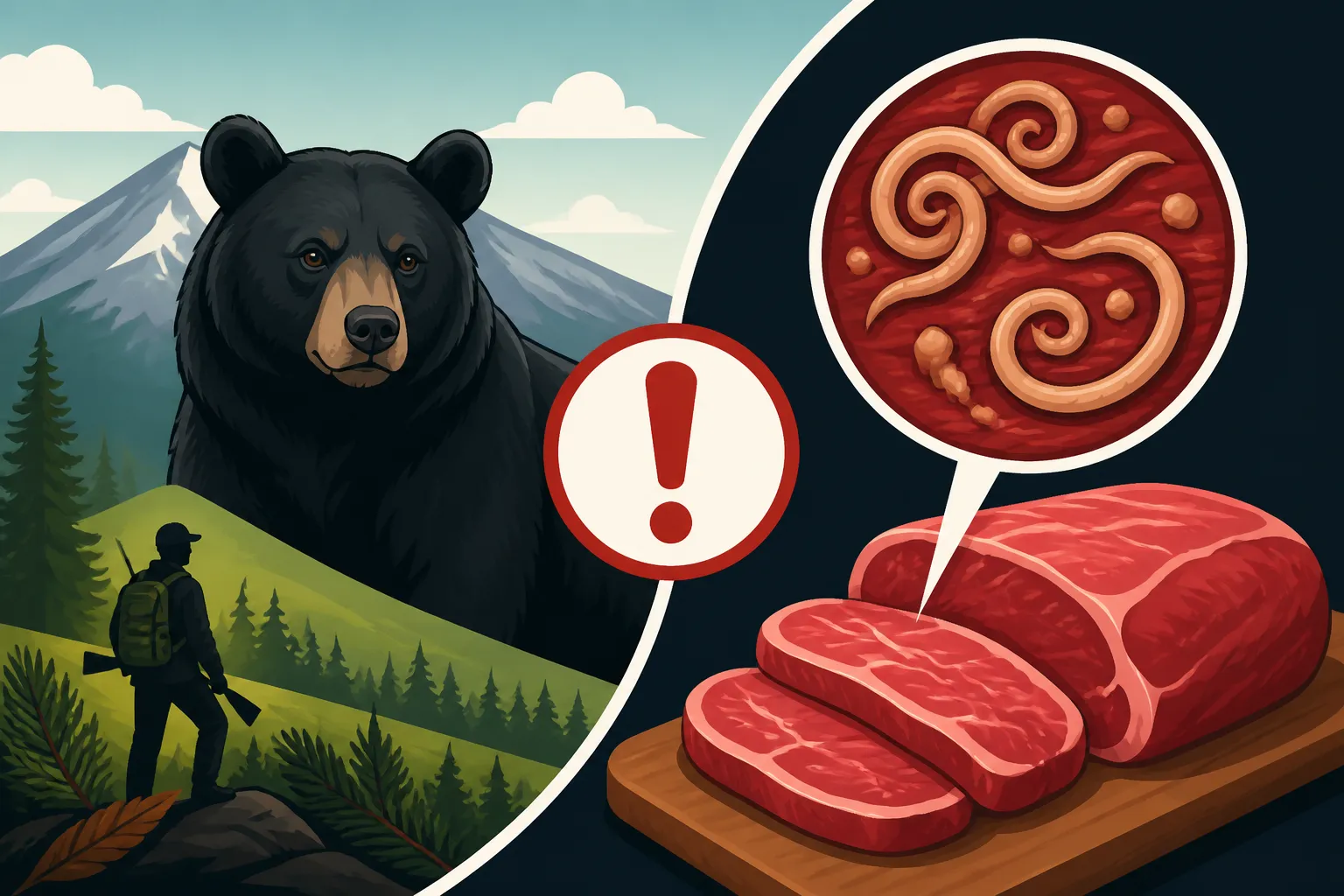
The Trichinella parasite has a fascinating, if somewhat horrifying, life cycle. It resides in the muscle tissue of infected animals, encapsulated in tiny cysts. When an animal, or a human, consumes meat containing these cysts, the stomach acids digest the meat, releasing the larvae. These larvae then mature into adult worms in the small intestine, where they mate. The females produce new larvae, which then migrate through the intestinal wall, enter the bloodstream, and eventually penetrate muscle cells throughout the body. Once inside the muscle cells, they coil up and form new cysts, completing their cycle.
For bears, especially those roaming the diverse landscapes of Oregon's Coast Range or Cascades, this cycle often involves scavenging or preying on other animals. Their diet can include anything from rodents and carrion to fish and even other bears, all of which can be potential hosts for the parasite. When a bear ingests infected meat, the parasites establish themselves in its muscles. This makes bears, along with other omnivores and carnivores, particularly susceptible to carrying the parasite, unlike most herbivores like deer or elk. That's why your successful Bear Hunting in Oregon Without Bait or Hounds needs a follow-up with careful meat preparation.
Symptoms of Trichinosis in Humans
The symptoms of trichinosis in humans can vary widely, from so mild they go unnoticed to severe and debilitating. Initially, within a few days of consuming infected meat, symptoms might mimic a bad flu or food poisoning. These can include abdominal pain, diarrhea, nausea, and vomiting. This is when the adult worms are in the intestine.
As the larvae migrate and encyst in muscle tissue, typically within a week or two, the symptoms become more distinct and painful. You might experience muscle soreness, fatigue, fever, chills, and swelling around the eyes. In rare and severe cases, if a large number of larvae migrate to vital organs, it can lead to heart problems, central nervous system damage, or even death. While such severe outcomes are uncommon, the potential for a very unpleasant and long-lasting illness is real, making proper prevention absolutely paramount.
Practical Steps to Mitigate Trichinosis Risk from Wild Bear Meat
The good news is that preventing trichinosis from wild bear meat is entirely within your control. It boils down to understanding the parasite and applying simple, effective cooking techniques. Don't let the concern overshadow the joy of your harvest; just be smart about it.
The Critical Role of Proper Cooking Temperature
This is the absolute golden rule when it comes to bear meat: cook it thoroughly. Heat is your best friend in killing Trichinella larvae. You cannot rely on visual cues like the color of the meat to determine if it's safe. Bear meat can still look pink even when cooked to a safe temperature, and conversely, it might look fully done but not have reached the necessary internal temperature throughout.
The universally recommended internal temperature to kill Trichinella larvae is 160°F (71°C). This isn't a suggestion; it's a requirement for safety. You absolutely must use a reliable meat thermometer to verify the temperature in the thickest part of the meat, away from bone. Cook all bear meat, including roasts, steaks, and ground meat, to this temperature. This means no medium-rare bear steaks, no matter how tempting that might be. If you're using ground bear in sausages or burgers, ensure every bit of it reaches 160°F. This step is non-negotiable for safety. When you're thinking about preparing your bear meat, consider options like slow-cooking, stewing, or grinding it for thoroughly cooked patties. This critical step ensures that the magnificent animal you harvested, perhaps after successfully Spot-and-Stalk Spring Bear on Oregon's Green Slopes, provides a safe and delicious meal.
Here's a quick guide for safe cooking:
| Meat Type | Minimum Internal Temperature | Measurement Method | Important Notes |
|---|---|---|---|
| Roasts, Steaks | 160°F (71°C) | Meat thermometer in thickest part | Do not rely on visual color. Ensure temperature is maintained for at least 30 seconds. |
| Ground Meat, Patties | 160°F (71°C) | Meat thermometer in center | All ground bear meat, including mixtures, must reach this temperature. Stirring thoroughly while cooking can help ensure even heating. |
| Sausages | 160°F (71°C) | Meat thermometer in center | If making fresh sausage, cook to temperature. If curing/smoking, ensure the internal temp hits 160°F during the process, as smoking alone does not kill Trichinella. |
| Stews, Chili | 160°F (71°C) | Liquid/meat temperature | Ensure the entire dish, especially the meat, is simmering at or above this temperature. Slow cooking methods are excellent for achieving and maintaining this safe temperature. |
Why Freezing Isn't a Foolproof Solution for Wild Bear
Many people are familiar with the advice to freeze pork to kill Trichinella. And for the specific strain of Trichinella found in domestic pork, this is indeed an effective method. However, this advice does not reliably apply to wild game, especially wild bears in North America.
Wild bears, including the Black Bear Populations Across Oregon, can carry different species or strains of Trichinella that are remarkably resistant to freezing temperatures. While a residential freezer might get down to 0°F (-18°C), some Trichinella species found in wild animals can survive even lower temperatures for extended periods. This means that simply freezing your bear steaks for a few weeks, while a good practice for general meat preservation and quality, will not guarantee the elimination of Trichinella larvae. Relying solely on freezing for wild bear meat is a dangerous gamble you absolutely should not take. Always, always default to thorough cooking.
Other Precautions: Cross-Contamination and Meat Handling
Beyond cooking, general hygiene and smart meat handling practices play a crucial role in preventing any potential spread of pathogens, including Trichinella.
First, always treat raw bear meat as if it's contaminated. This isn't to scare you, but to encourage best practices. Use separate cutting boards, knives, and utensils for raw bear meat than you do for other foods that won't be cooked to 160°F, such as vegetables or salads. After handling raw bear meat, wash your hands thoroughly with hot, soapy water. Sanitize all surfaces that came into contact with the raw meat. This prevents cross-contamination, where bacteria or parasites from the raw meat could transfer to other foods and potentially cause illness.
When you're out in the field after a successful hunt, perhaps having taken the time to Judging a Boar From a Sow at Distance before the shot, rapid cooling and proper field dressing are also essential. While they don't directly prevent Trichinella, they are vital for overall meat quality and safety. Get the hide off and the animal gutted quickly. Quarter the animal and get the meat cooled down as fast as possible. This minimizes bacterial growth and helps preserve the quality of your hard-earned harvest. Think about your cooling strategy, especially if you're out for multiple days. For tips on ensuring your meat makes it home in top shape, you might find articles like Getting Meat Out Before It Spoils or Coolers, Ice and the Drive Home From Eastern Oregon helpful.
Testing for Trichinella in Bear Meat
For those who want an extra layer of assurance, or perhaps those considering a specific preparation method that involves less than thorough cooking (though this is not recommended for wild bear meat without testing), there are options for testing your bear meat for Trichinella. It's not a common practice for most hunters, but it is available.
When and How to Get Bear Meat Tested
Testing your bear meat for Trichinella is typically done by specialized commercial laboratories. This isn't something you can do at home, and it's generally not offered by your local butcher unless they specifically advertise that service. The primary reason a hunter might opt for testing is if they absolutely want to prepare a portion of the meat to a lower internal temperature, which again, carries inherent risks that most experts advise against. However, understanding the options can be empowering.
The process usually involves taking a muscle sample from the bear carcass. Diaphragm tissue is often preferred for testing as the larvae tend to congregate there, but other muscle groups can also be used. You'll need to collect a sample roughly the size of a golf ball, place it in a sealed, leak-proof container, and ship it to a testing facility. These labs will then conduct a digestive assay, which essentially dissolves the muscle tissue and allows them to examine the remaining material for Trichinella larvae. Be aware that this process takes time—several days to a week or more—and it comes with a cost. This means you'll need to process and store your bear meat appropriately while awaiting results, which could mean freezing it anyway.
Resources for Hunters: ODFW and Private Labs
If you're considering getting your bear meat tested, a good first step is to contact the Oregon Department of Fish and Wildlife (ODFW) directly. While ODFW doesn't typically offer Trichinella testing services themselves for individual hunters, they can often provide guidance on accredited labs that do. They might have a list of recommended facilities or be able to direct you to state or federal diagnostic labs that can perform such tests.
Beyond ODFW, you can search for private veterinary diagnostic labs or university labs that specialize in parasitology or wildlife disease testing. These labs are equipped with the expertise and facilities to perform accurate Trichinella detection. When contacting them, be sure to ask about their specific sample collection requirements, shipping instructions, turnaround times, and, importantly, the cost involved. Remember, the decision to test is a personal one, but it's an option for those who prioritize maximum assurance regarding their wild game meat.
Enjoying Your Harvest Safely: A Balanced Approach
Hunting in Oregon is more than just pulling a trigger; it's about the entire experience, from the scouting and the pursuit to the respectful handling of the animal after the shot. And that definitely includes making sure the meat you bring home is safe and delicious.
The Rewards of Hunting Black Bear in Oregon
The pursuit of black bear in Oregon offers unique challenges and incredible rewards. Whether you're tracking them through dense coastal timber or glassing green-up slopes in the spring, the thrill of the hunt is palpable. Successfully harvesting a bear is a testament to your skills and perseverance, leading to not only a memorable experience but also a freezer full of lean, flavorful meat. When handled correctly, bear meat is a fantastic wild game option. It's versatile and can be used in a myriad of dishes, from roasts and stews to chili and jerky. Knowing how to properly care for and prepare your bear meat ensures that the hard work put into a successful hunt, from pre-season planning to the actual stalk, pays off with healthy, delicious meals for your family and friends. For example, if you're also a deer hunter, applying good practices from Butchering Your Own Deer at Home will translate well to bear.
Planning Ahead with Platforms like GoHunt
Responsible hunting starts long before you ever step foot in the woods. Thorough research and planning are key to both a successful and safe hunt. This is where modern resources and platforms like GoHunt can really shine, even when considering aspects like meat safety. While GoHunt itself won't prevent trichinosis, the tools and information it provides contribute significantly to a well-planned hunt.
By utilizing resources like GoHunt, you can dive deep into unit research, understand historical harvest data, and analyze terrain and habitat. This kind of in-depth preparation helps you understand bear behavior in specific areas, where they might be feeding, and what their general health might be like. While you can't know if a specific bear is infected with Trichinella from its behavior or location, being well-informed about the species and its environment generally leads to a more efficient and ethical hunt. This ultimately translates to better meat care in the field because you're prepared for the whole process. Knowing the best times and places to hunt, perhaps after consulting GoHunt for Oregon Spring Bear Season Dates or understanding What Bears Eat Before Berries Ripen, sets you up for success. Plus, staying informed about current regulations and species populations through platforms like GoHunt ensures you're always hunting legally and ethically, making the entire experience more rewarding.
Disclaimer
This article is for general informational purposes only and does not constitute professional advice. Laws, prices and regulations vary by location and change over time. Consult a qualified professional for guidance on your specific situation.