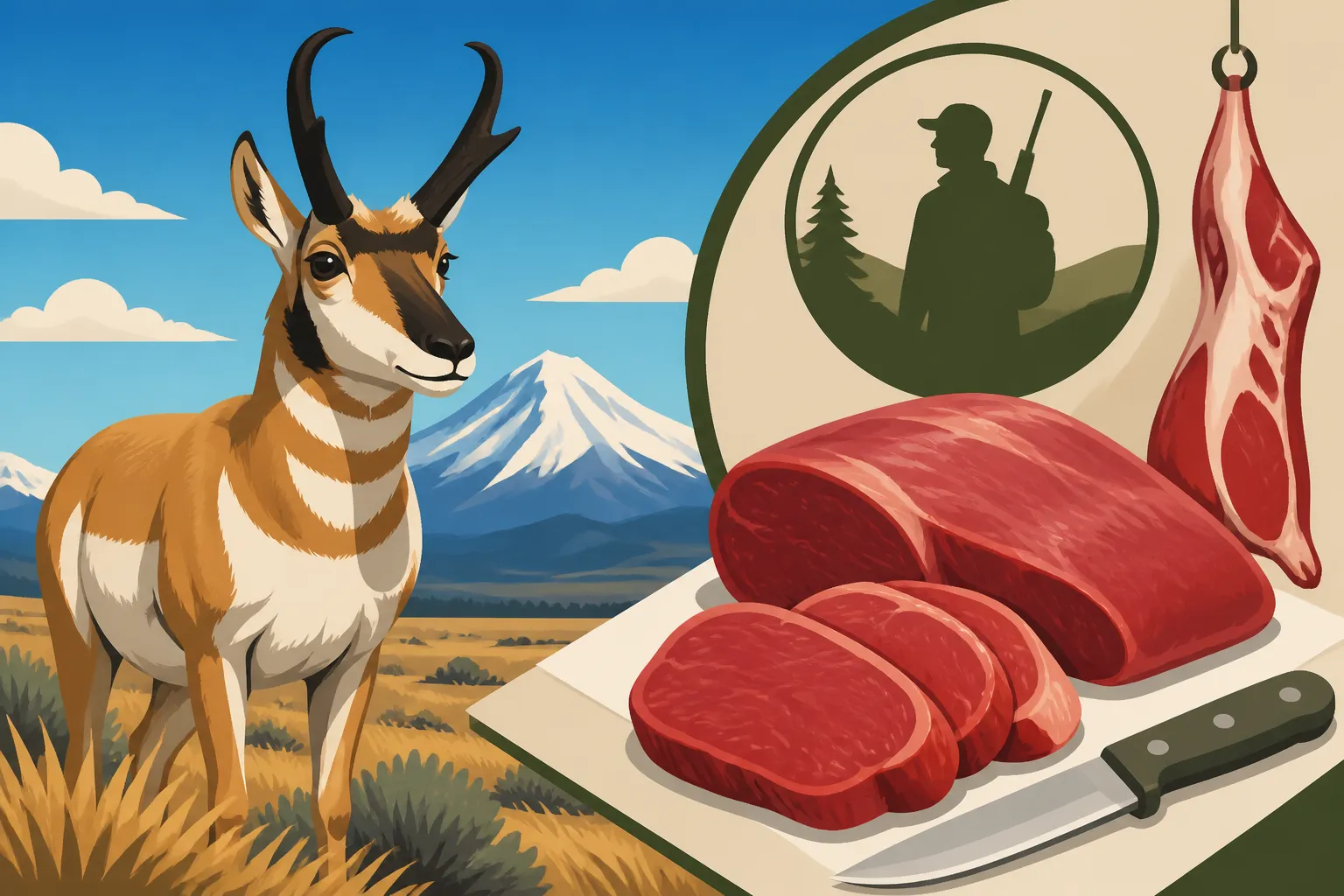
Pronghorn Meat and How to Handle It
Many hunters in Oregon, especially those new to pursuing high desert antelope, worry about the reputation of pronghorn meat. They've heard tales of it being "gamey," tough, or having an unpleasant flavor, leading some to even avoid hunting these incredible animals. This guide is here to bust those myths and provide you with actionable steps to ensure your pronghorn harvest results in delicious, table-worthy meat that rivals any other big game.
Understanding the Pronghorn's Reputation
Let's be honest, pronghorn don't always get the culinary respect they deserve. Many hunters describe the meat as "gamey" or "liver-y," and sometimes, that reputation is unfortunately earned. But it's not the animal's fault; it's almost always a handling issue. Unlike deer or elk, pronghorn are built for speed in wide-open, often hot, country. Their physiology, diet, and the environment they live in all contribute to how their meat tastes if not managed correctly.
Imagine a pronghorn bursting across the sagebrush flats, its incredible speed driven by a high metabolism. When that animal is taken, especially on a warm Eastern Oregon day, that high metabolism means its body heat needs to dissipate immediately. If it doesn't, the meat essentially "cooks" itself from the inside out, creating that strong, often unpleasant, flavor many associate with pronghorn. Their diet of forbs, grasses, and sagebrush can also impact flavor if not quickly cooled. Some folks even feel a slight sage note in the meat if it's not cared for properly, though that's less common than the "liver-y" taste from heat. The good news is, by understanding these factors, you gain the power to turn that reputation on its head.
Why Quick Cooling is Non-Negotiable
This is the absolute cornerstone of good pronghorn meat: getting that carcass cool, and doing it fast. Pronghorn are typically hunted in arid, high desert environments where daytime temperatures can soar, even into early fall. A pronghorn shot in the morning sun in August or September can spoil in a matter of hours if left intact. Their thin hide and relatively small body size are actually an advantage here, as they allow for rapid cooling if you get the hide off quickly.
Think about it this way: your freezer keeps food frozen, but if you put a hot casserole in there, it takes a long time to cool, and the quality suffers. It's the same principle in the field. The moment a pronghorn is down, the clock starts ticking. A delay of even an hour or two in warm weather can significantly degrade the quality of the meat, making all subsequent efforts less effective. You might have seen hunters take their time with larger animals like elk, letting them "set up" before field dressing. With pronghorn, that's a recipe for disappointment. Speed and efficiency in the initial steps are paramount.
The Impact of Stress on Flavor
Another factor that can contribute to that undesirable "gamey" flavor is the amount of stress the animal endures before harvest. A pronghorn that has been run hard, wounded, and then pursued for an extended period will have a higher level of lactic acid and adrenaline in its system. This directly impacts the pH balance of the meat, often resulting in a tougher texture and a stronger, more metallic or bitter flavor. This is true for all game, but with pronghorn's already sensitive physiology, it's amplified.
This is why ethical hunting practices, such as making a clean, quick kill, are not just about respect for the animal, but also about maximizing meat quality. When you're Glassing Sage and Juniper for Eastern Oregon Mule Deer, keep an eye out for pronghorn, and apply the same principles of patience and precise shot placement. The less stress on the animal, the better the starting point for delicious meat.
Field Handling is CRITICAL for Quality
Okay, you've got your pronghorn down. Now the real work, and the real difference-maker, begins. This is where you either set yourself up for culinary success or reinforce the "gamey" stereotypes. Every step, from the shot to getting the meat on ice, is critical.
The Gutless Method: A Pronghorn's Best Friend
While traditional field dressing certainly has its place, for pronghorn, especially when hunting solo or in warm weather, the gutless method is often superior. It's faster, cleaner, and most importantly, it gets the hide off and the meat cooling much quicker. You're not spending precious time carefully removing organs, which can be messy and introduce bacteria. Instead, you're focused on removing the quarters and backstraps, which are the prime cuts.
Here’s the basic idea: roll the animal onto its side. Skin one side completely, removing the front and rear quarters, then the backstrap and tenderloin from that side. Flip the animal over and repeat. The hide acts as a clean surface, and you don't even need to open the body cavity to get the main cuts. This method is incredibly efficient and immediately exposes the muscle tissue to air, allowing for rapid heat loss. Remember, the goal is to get as much hide off as possible, as fast as possible, and get the meat exposed and chilling. For more general advice on dealing with warm weather, you might find tips in Field Dressing an Elk in Warm Early-Season Weather applicable here too, as the core principles of rapid cooling are similar.
Immediate Hide Removal and Quartering
Whether you go gutless or traditional, the hide must come off immediately. Don't drag the animal back to camp with the hide on; don't wait an hour. Get it off right there. The hide acts like an insulating blanket, trapping all that internal heat. Once the hide is off, quarter the animal. Breaking it down into manageable pieces further aids in cooling. For typical Oregon pronghorn hunts in eastern parts of the state, often involving a good drive on dirt roads, you'll want to get those quarters into game bags as soon as they're separated.
Proper game bags are not just about keeping dirt off; they are breathable, allowing air circulation which is crucial for cooling. Avoid plastic bags at this stage – they trap heat and moisture, creating a perfect breeding ground for bacteria. Invest in good quality, lightweight, breathable game bags designed for deer-sized animals. This might seem like a small detail, but it’s a huge factor in meat preservation.
Cleaning and Bagging in the Field
Once you've got your quarters, backstraps, and tenderloins in game bags, quickly wipe away any excess blood or dirt. A small amount of potable water in a spray bottle can be helpful here, but be judicious. The goal is clean, dry meat. Don't drench it. Once cleaned, get those game bags secured. If you're using GoHunt or other mapping apps to scout your hunting area, you've likely identified potential quick access points. The quicker you can get from the kill site to your vehicle, the better.
If you’re packing meat out on your back, ensure your pack frame is clean and you have some insulation between the meat and your back. A sweaty back against warm meat is not a good combination. The priority remains getting it to a cooler as swiftly as possible. This stage is absolutely critical for Getting Meat Out Before It Spoils when you're hunting pronghorn in typical hot conditions.
Transporting and Aging Pronghorn
Field handling gets you started, but how you transport and manage the meat post-harvest is just as crucial for culinary success. Oregon's pronghorn country is often remote and hot, making these steps particularly challenging but vitally important.
Ice, Coolers, and the Drive Home
Once the meat is in game bags, the next immediate step is to get it on ice. This usually means a waiting cooler filled with ice in your vehicle. Don't just throw warm meat on ice; the ice will melt instantly, and you'll end up with a cooler full of bloody water. The goal is to cool the meat before it sits in meltwater. Pack ice around and under the game-bagged meat. If you're using block ice, it will last longer than cubes.
Consider a system: a large cooler with a false bottom (like a grate) to keep the meat out of direct meltwater, or multiple coolers. One for initial cooling with sacrificial ice, and another for the long drive home. As ice melts, drain the water and replenish with fresh ice. This is not just about keeping it cold; it’s about continuing the rapid cooling process you started in the field. When planning your hunt, factor in several large coolers and plenty of ice. For a deep dive into ice management, check out Coolers, Ice and the Drive Home From Eastern Oregon. It might be geared towards elk, but the principles are universal for preserving meat on a long haul.
| Cooling Method | Pros | Cons | Best Use Case |
|---|---|---|---|
| Immediate Hide Off | Rapid heat dissipation, cleaner meat. | Exposed meat prone to dirt/flies. | Always, for any game in warm weather. |
| Gutless Method | Fast, less mess, keeps organs contained. | Can be intimidating for first-timers. | Solo hunting, warm weather, quick extraction. |
| Breathable Game Bags | Air circulation, protection from contaminants. | Not waterproof, requires careful handling. | Essential for all quartered meat in the field. |
| Coolers with Ice | Sustained cooling, keeps meat cold. | Requires planning, ice management, space. | Transporting meat from field to home/processor. |
| Freezer Blankets | Temporary insulation for short drives. | Not a cooling method, only maintains temp. | Short transport before proper cooling. |
Aging Pronghorn Meat
Unlike beef, or even some larger game animals, pronghorn meat generally doesn't benefit from extensive aging. Because of its lean nature and fine grain, prolonged aging can sometimes lead to dryness or a stronger flavor. A short, controlled chill for 2-3 days in a clean cooler with fresh ice (draining water daily) or a dedicated meat fridge is usually sufficient. This allows the enzymes to tenderize the meat slightly without over-developing flavors.
If you have access to a walk-in cooler or a spare refrigerator that can maintain a consistent temperature between 34-38°F (1-3°C), that's ideal. Hang quarters if possible, allowing air to circulate around them. However, for most hunters, keeping the meat on ice, meticulously draining water, and refreshing ice, is the practical solution. The key is consistent cold, not allowing the meat to warm up and then chill again repeatedly.
Butchering and Cooking for Best Flavor
Now that you've done all the hard work in the field and during transport, it's time to bring that delicious pronghorn meat to your kitchen table. How you butcher and cook it will be the final step in ensuring a fantastic meal.
Butchering Your Pronghorn
Pronghorn are smaller than deer, so butchering them at home is very manageable. You'll likely have four quarters, backstraps, and tenderloins. The process is similar to Butchering Your Own Deer at Home, just on a smaller scale. Focus on separating the muscle groups. The legs will yield roasts, stew meat, and grind. The backstraps are prime cuts, perfect for steaks or medallions. The tenderloins, located inside the body cavity along the spine, are exceptionally tender and best prepared quickly.
When trimming, remove all fat, fascia, and silver skin. Pronghorn fat tends to be waxy and can contribute to any "gamey" taste, so be meticulous here. You want lean, clean muscle. Cut against the grain for tenderness. For roasts, tie them with butcher's twine to help them hold their shape. The remaining scraps, after trimming, are excellent for grinding into burger, sausage, or chili meat.
Cooking Methods to Embrace
Because pronghorn is incredibly lean, it cooks very quickly. Overcooking is the number one mistake people make, turning what should be tender and flavorful into dry, tough shoe leather.
Here are some cooking strategies:
- Steaks and Medallions: These are perfect for quick searing. Think high heat, short duration. A cast-iron pan or a hot grill works wonders. Aim for medium-rare to medium, no more. Marinades can be your friend here, adding moisture and flavor. Citrus, herbs, garlic, and olive oil work beautifully. Try a quick sear on your backstraps for a few minutes per side, letting them rest before slicing.
- Roasts: For leg roasts, low and slow cooking methods are best to break down connective tissue. Braising in liquid, slow roasting with vegetables, or using a Dutch oven are great options. Again, consider a flavorful liquid to keep the meat moist.
- Ground Meat: This is where pronghorn really shines for many. The lean meat makes fantastic burgers, chili, tacos, and meatloaf. Mix it with a little bit of pork or beef fat (around 10-20%) if you want a juicier burger, but it's delicious on its own. Ground pronghorn takes on seasonings wonderfully.
- Jerky: Another excellent application for pronghorn. Its lean nature makes for perfect jerky that dries quickly and retains great flavor. Slice thin, marinate, and dehydrate.
Flavor Enhancements and Marinades
If you're still a little wary of the "gamey" reputation, or just want to elevate the flavor, marinades are your secret weapon. Acidic marinades (vinegar, lemon juice, wine) not only add flavor but can also help tenderize the meat. Buttermilk or yogurt marinades are also fantastic for game meat, as the lactic acid helps break down muscle fibers and mellows any strong flavors.
Herbs like rosemary, thyme, and garlic are classic pairings. Onion, pepper, and a touch of something sweet like brown sugar or honey can create a well-rounded flavor profile. Remember, a good marinade doesn't mask flavor; it enhances it. GoHunt provides some excellent resources for hunt planning in Eastern Oregon, which might help you think about everything from E-Scouting Oregon Units With Satellite Imagery to packing out your game, ensuring your meat quality is top-notch from the very start.
In the end, pronghorn meat, when handled correctly, is a true delicacy of the Oregon high desert. It’s lean, flavorful, and incredibly rewarding to bring to the table. Don't let old wives' tales deter you from pursuing this fantastic game animal.
Disclaimer
This article is for general informational purposes only and does not constitute professional advice. Laws, prices and regulations vary by location and change over time. Consult a qualified professional for guidance on your specific situation.