Reporting a Sick Animal to ODFW
Reporting sick wildlife to the Oregon Department of Fish and Wildlife helps biologists protect animal populations and public health.
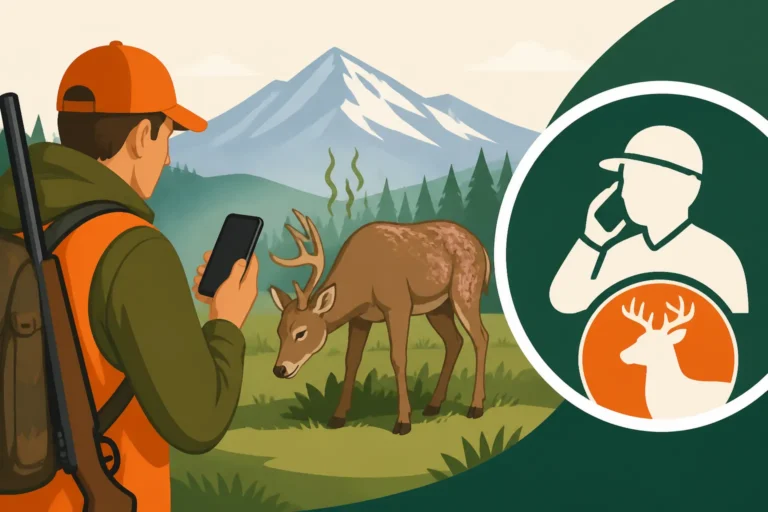
Reporting sick wildlife to the Oregon Department of Fish and Wildlife helps biologists protect animal populations and public health.
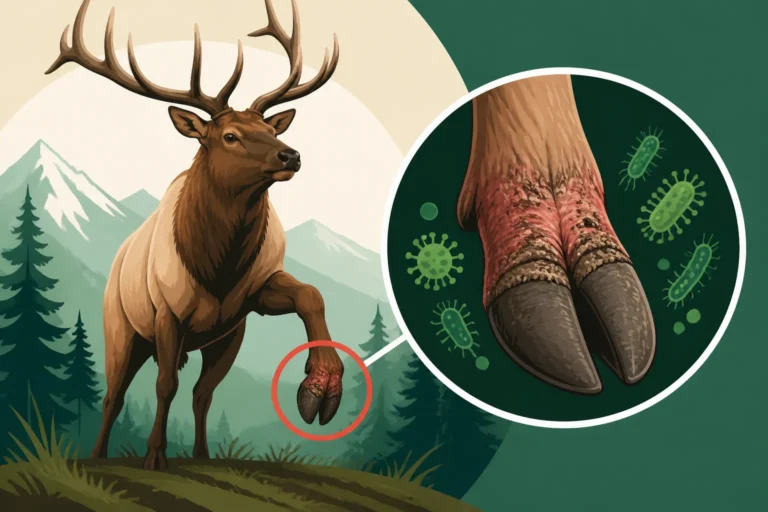
Treponema bacteria cause Treponeme-Associated Hoof Disease, which inflames, erodes, and deforms elk hoof tissues in Oregon.
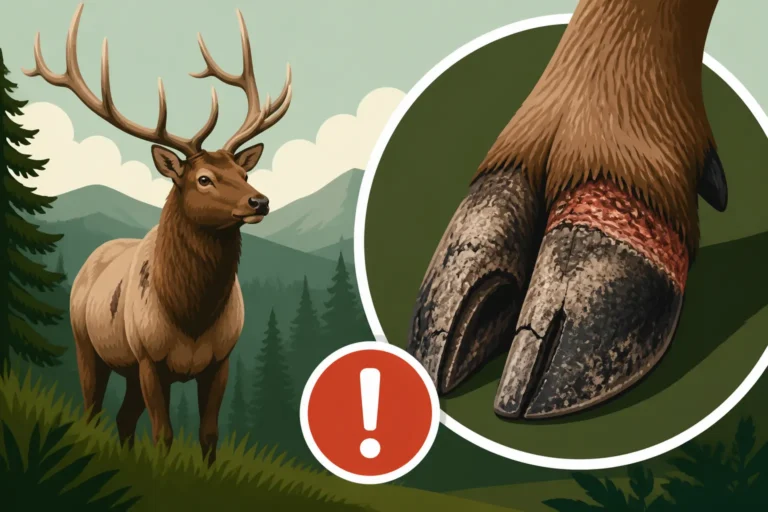
Elk hoof disease causes severe lameness and painful hoof breakdown in Western Oregon herds through bacterial infections.
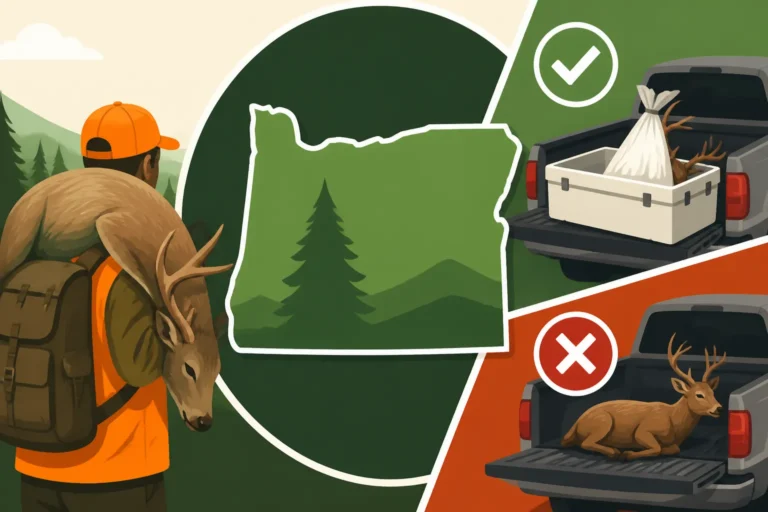
Oregon carcass transport regulations explain how hunters safely move deer and elk parts to prevent chronic wasting disease spread.
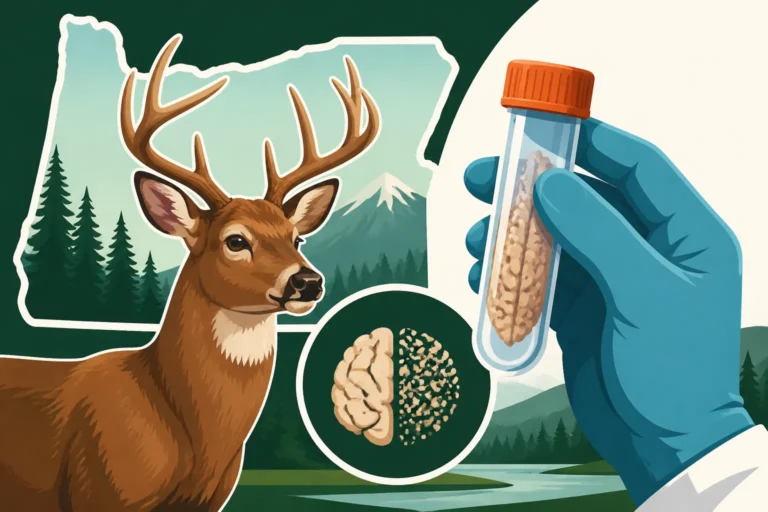
Chronic Wasting Disease surveillance programs and testing methods help protect wild deer and elk populations across Oregon.
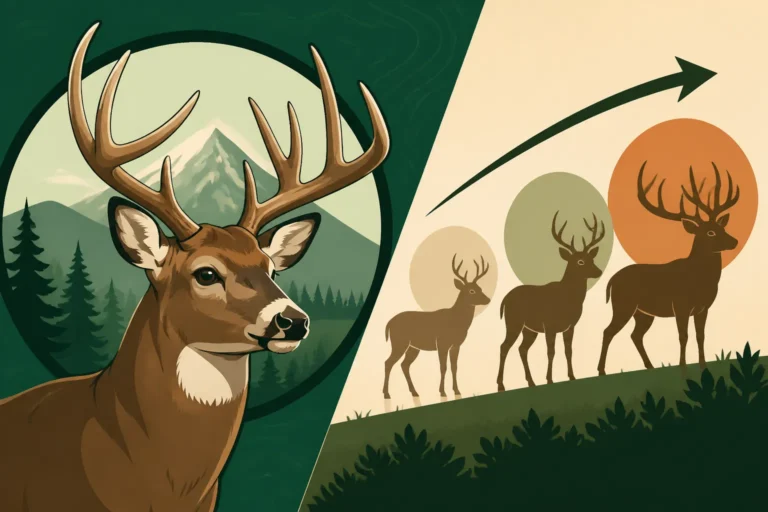
Oregon Antler Point Restrictions set minimum legal points or lengths for deer and elk, protecting younger males to improve herd age.
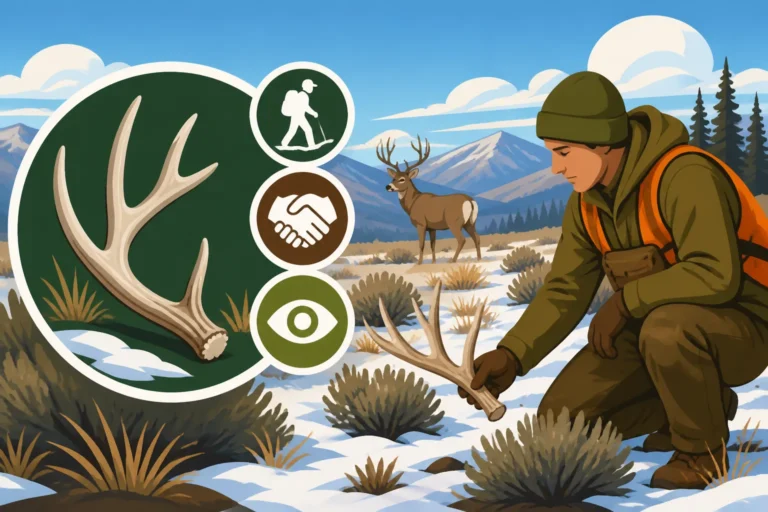
Oregon winter range closures and shed hunting regulations protect deer and elk from harmful stress during freezing weather.
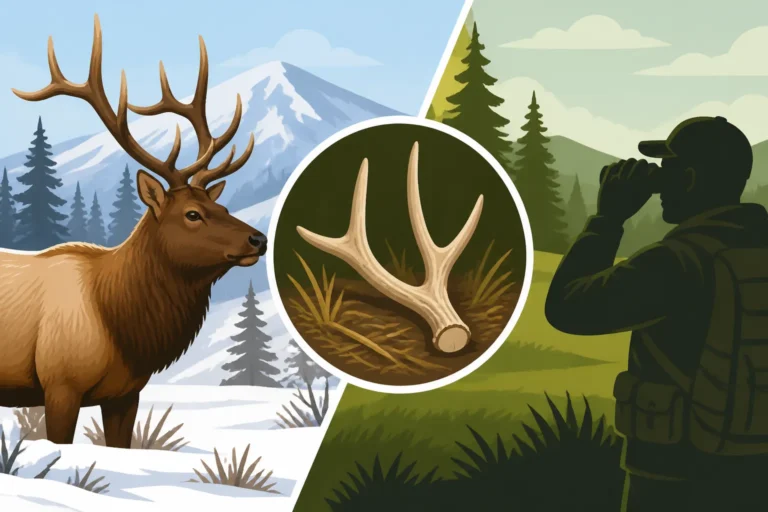
Decreasing testosterone levels and shorter winter days trigger osteoclasts to dissolve the bone connection, causing bulls to shed antlers.
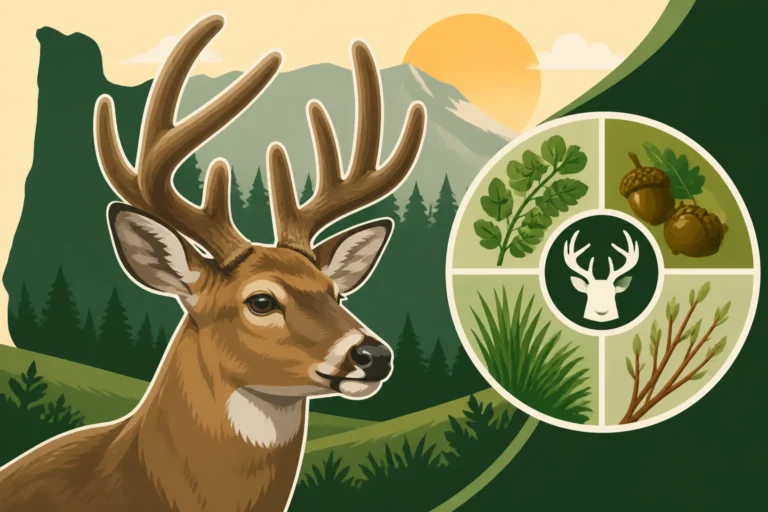
Nutrition and genetics drive Oregon deer and elk antler growth through an annual cycle of rapid bone development and hormonal triggers.
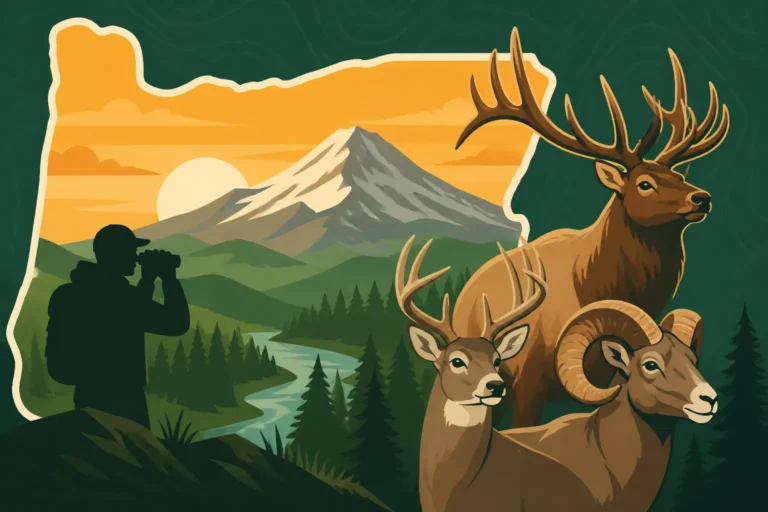
The Oregon Big Game Records Program documents exceptional trophies using Boone and Crockett and Pope and Young standards.