Sandhill Cranes in Oregon
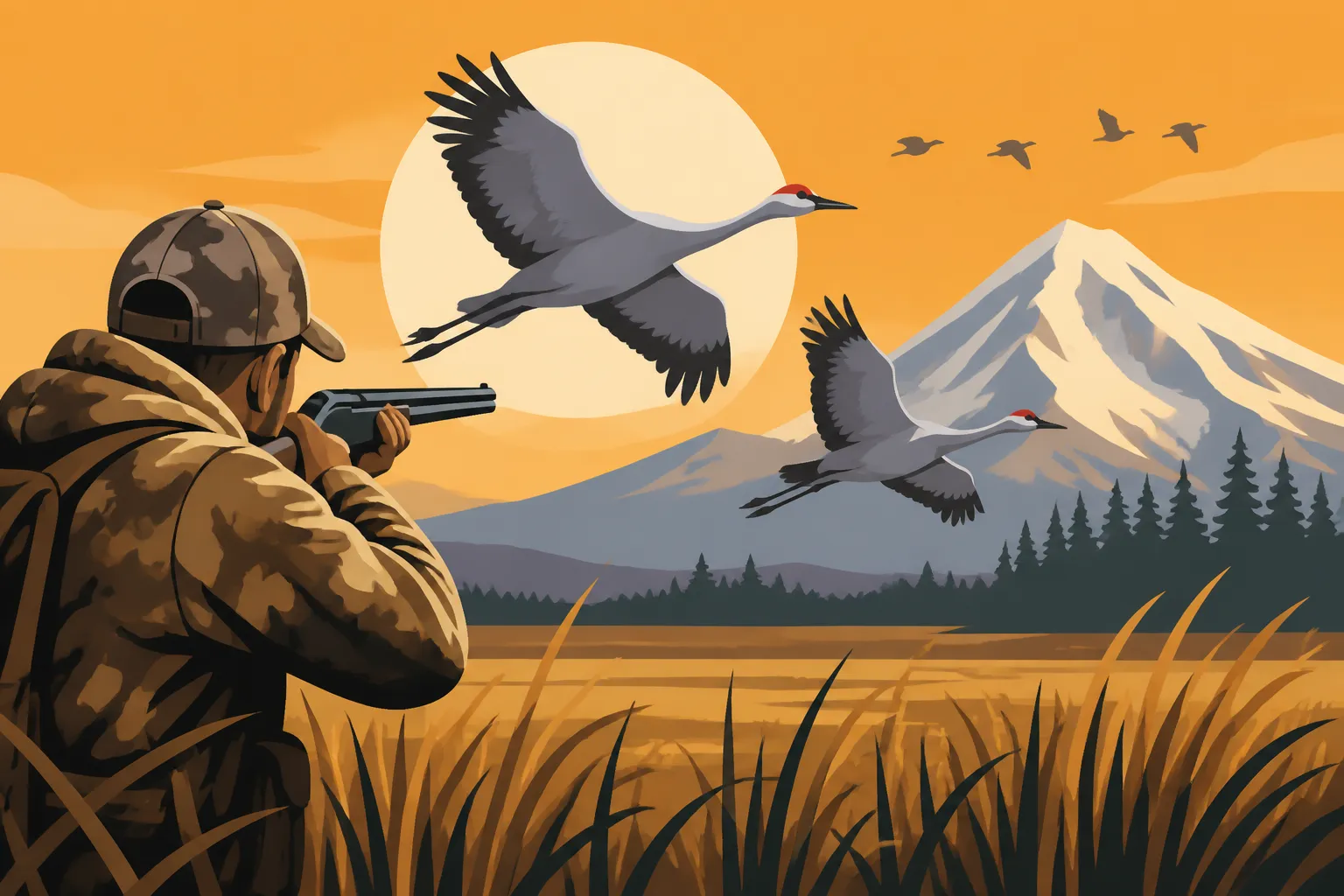
For many folks in Oregon, when you think of waterfowl or game birds, your mind often jumps to ducks and geese, maybe pheasants or grouse if you're exploring the uplands. But there's another magnificent bird, often overlooked by the casual observer, that holds a special place in our state's rich avian tapestry: the Sandhill Crane. These majestic birds, with their bugling calls and impressive wingspans, are a truly unique part of Oregon's wildlife, and for a dedicated few, they represent an exciting and challenging hunting pursuit. This guide will dive deep into the world of Sandhill Cranes in Oregon, covering their biology, preferred habitats, conservation status, and the very specific hunting opportunities available to those who draw a coveted tag.
Understanding Oregon's Sandhill Crane Populations
Sandhill cranes are truly spectacular birds, known for their elaborate courtship dances, distinctive calls that carry for miles, and impressive stature. Here in Oregon, we're fortunate to be a key part of their migration route, and for some populations, their breeding and wintering grounds. Understanding these populations is the first step in appreciating their role in our ecosystem and the challenges of managing them.
The Two Main Subspecies in Oregon
While all Sandhill Cranes share similar characteristics, there are actually several distinct subspecies across North America, and two of them are particularly relevant to Oregon. The "Lesser Sandhill Crane" is the smallest and most numerous subspecies, primarily breeding in the Arctic tundra and migrating through Oregon on its way to wintering grounds further south, notably California's Central Valley. These birds are smaller, often appearing in massive flocks, and their migration is a sight to behold.
Then we have the "Greater Sandhill Crane," which is significantly larger and, importantly, breeds right here in Oregon. These are the birds you'll see nesting in our vast eastern Oregon wetlands, raising their chicks, and forming local populations that are distinct from their northern cousins. The Greater Sandhill Crane is the focus for most of Oregon's conservation and hunting management efforts, as they represent a resident population that relies on our specific habitats for survival. Distinguishing between the two in the field can be tricky, especially during migration, but their differing sizes and behaviors offer clues to the experienced observer.
Migration Patterns and Seasonal Presence
Oregon sits squarely within the Pacific Flyway, a critical migratory route for countless bird species, including Sandhill Cranes. For Lesser Sandhill Cranes, their journey typically begins in late summer or early fall, as they depart their Arctic breeding grounds. They stage in massive numbers in places like southeastern Oregon's Malheur National Wildlife Refuge and the surrounding agricultural lands before continuing south for the winter. This staging period can see tens of thousands of cranes congregating, offering breathtaking spectacles.
Greater Sandhill Cranes, being residents, exhibit more localized movements. After breeding in spring and early summer, they too will gather in larger flocks in specific staging areas, often wetlands and adjacent crop fields, before making shorter migratory flights to wintering grounds, some staying within Oregon's warmer valleys if conditions allow. For hunters and birdwatchers alike, knowing these migration and staging timelines is crucial. Observing these patterns requires a deep understanding of local weather conditions, food availability, and traditional flyways, which dedicated resources like GoHunt often track and share with their community.
Population Trends and Monitoring Efforts
Monitoring Sandhill Crane populations is a complex but vital task. For Lesser Sandhill Cranes, population estimates are typically derived from aerial surveys of their breeding grounds and major wintering areas. Because they are so numerous and widespread, managing their population often involves coordinating efforts across multiple states and even countries. The overall health of the Pacific Flyway population of Lesser Sandhill Cranes is generally considered stable.
The Greater Sandhill Crane, however, faces more localized challenges. As a breeding population in Oregon, their numbers are influenced by habitat availability, predation, and local land use. The Oregon Department of Fish and Wildlife (ODFW) works diligently to monitor these populations through ground counts, aerial surveys, and banding efforts. The goal is to ensure sustainable numbers, which in turn informs decisions on hunting seasons and tag allocations. Factors like wetland degradation, changes in agricultural practices, and drought conditions can all impact these local populations, making ongoing monitoring incredibly important.
Where Sandhill Cranes Call Home in Oregon
While Sandhill Cranes are a charismatic species, they are also quite particular about their living arrangements. Understanding their habitat preferences is key to both conservation and successful hunting strategies. Oregon, with its diverse landscapes, offers a variety of crucial habitats for these magnificent birds.
Key Breeding and Staging Areas
When it comes to breeding, Greater Sandhill Cranes are creatures of the open wetlands. They prefer vast, undisturbed marshes with shallow water and emergent vegetation where they can build their nests out of reeds and grasses. Eastern Oregon is truly the stronghold for these breeding cranes, with areas like the Malheur National Wildlife Refuge and the expansive wetlands of the Harney Basin being prime examples. These areas provide the isolation and resources necessary for cranes to successfully raise their young, far from human disturbance and most predators.
During staging, when cranes gather in large flocks before or after migration, they broaden their habitat use. While wetlands remain important for roosting at night, agricultural fields become vital feeding grounds during the day. Areas adjacent to the traditional wetland strongholds, with irrigated farmlands growing grain crops, become magnets for thousands of cranes. This concentrated presence makes these staging areas critical points of interest for both wildlife viewers and hunters. Understanding the exact locations and timing of these congregations is often the "secret sauce" for those pursuing a tag.
Preferred Habitats and Food Sources
Sandhill Cranes are opportunistic omnivores, and their diet shifts with the seasons and available resources. In their wetland breeding grounds, they forage for a mix of aquatic insects, small amphibians, snails, and plant tubers found in the marsh muck. This high-protein diet is crucial for nesting females and growing chicks.
As they transition to staging and migration, their diet becomes more focused on grains and waste crops found in agricultural fields. They are particularly fond of corn, wheat, and barley left over after harvest. This reliance on agricultural waste makes them both beneficiaries and, at times, perceived pests by farmers. The presence of these food sources dictates where large flocks will concentrate. Without these reliable food sources, the massive migrations we observe wouldn't be possible. Hunters looking to intercept cranes will focus heavily on scouting these agricultural lands.
The Importance of Agricultural Lands for Cranes
It might seem counterintuitive, but modern agriculture, particularly the cultivation of cereal grains, has become an indispensable component of Sandhill Crane survival and migration. After the harvest, many fields retain a significant amount of waste grain, which provides a rich, readily available food source for migrating and staging cranes. These fields offer high caloric content, allowing cranes to build up fat reserves essential for their long journeys.
However, this reliance also creates potential conflicts. Cranes, while primarily feeding on waste grain, can also cause damage to newly planted crops or mature fields if their numbers are high and alternative food sources are scarce. This often leads to landowners seeking ways to mitigate damage, which can sometimes include special depredation permits or coordinated hunting seasons. Programs that incentivize farmers to leave standing grain or manage water levels in certain ways can be vital for maintaining crane populations while minimizing agricultural losses. Effective crane management truly involves balancing the needs of wildlife with the realities of farming.
Managing and Hunting Sandhill Cranes in Oregon
The presence of Sandhill Cranes, particularly the breeding Greater Sandhill Cranes, brings with it a responsibility for careful management. Their populations are not as robust as many duck or goose species, making their hunting a highly controlled and specific opportunity.
Conservation Challenges and Successes
One of the primary conservation challenges for Sandhill Cranes in Oregon is habitat loss and degradation. Wetlands, their crucial breeding grounds, are continually threatened by development, drainage for agriculture, and changes in water availability due to climate and human usage. Protecting and restoring these vital wetland ecosystems is paramount to the long-term health of Greater Sandhill Crane populations. Organizations, often supported by conservation groups, are actively involved in wetland restoration projects throughout eastern Oregon.
Another significant challenge is managing interactions with agriculture. While waste grain is a boon, active crop depredation can be an issue. Successful conservation involves working with landowners to implement strategies that both protect crops and provide for cranes, such as hazing, alternative feeding sites, or compensation programs. On the success side, decades of focused wetland conservation efforts and careful population monitoring have largely stabilized Greater Sandhill Crane numbers in Oregon, allowing for limited hunting opportunities. These birds are a testament to what thoughtful wildlife management can achieve.
The Controlled Hunt for Sandhill Cranes
Unlike general season waterfowl, hunting Sandhill Cranes in Oregon is a highly regulated and exclusive endeavor. It operates strictly as a controlled hunt, meaning you must apply for a limited number of tags through a special draw system. The number of tags offered each year is very low, often only a few hundred across the entire state, reflecting the conservation-first approach to managing these unique birds. The seasons are typically short, concentrated in specific areas where crane populations are robust enough to sustain limited harvest, often in eastern Oregon units that encompass major staging and feeding grounds.
This controlled hunt system is designed to allow a minimal harvest without negatively impacting overall population numbers, especially for the sensitive Greater Sandhill Crane subspecies. Hunters must understand that success in the draw is rare, and even if successful, the hunt itself requires considerable scouting and effort. It's truly a specialized pursuit for dedicated bird hunters. The limited availability of these tags makes them highly sought after, and many hunters apply for years before finally drawing one. Information on applying for these hunts can often be found on platforms like GoHunt, which aggregates hunting draw odds and unit data.
Obtaining a Sandhill Crane Tag in Oregon
The process of obtaining a Sandhill Crane tag in Oregon begins, as with most controlled hunts, with the Oregon Controlled Hunt Draw Explained. You'll need an Oregon hunting license and a valid migratory bird endorsement. Applications are typically submitted during the spring application period, often coinciding with the deadline for deer and elk tags. You'll apply for a specific hunt number associated with a particular unit and season dates. There's usually a small Oregon Controlled Hunt Application Fee to enter the draw.
Because tags are so limited, drawing one is largely a matter of luck, as there isn't a preference point system specifically for cranes. Each year, it's a fresh slate. If you are fortunate enough to draw a tag, you'll receive notification, and then you can purchase your tag. Remember, as with all big game and migratory bird hunts, you are subject to Oregon Mandatory Harvest Reporting and the $25 Penalty requirements, so make sure to report your results, successful or not, by the specified deadline. It's a small but crucial part of ensuring accurate data for future management decisions.
Strategies for a Successful Sandhill Crane Hunt
Drawing a Sandhill Crane tag is just the beginning; the real work starts when you head afield. These birds are intelligent, wary, and possess incredible eyesight, making them a formidable challenge for any hunter. Success often hinges on meticulous planning and execution.
Decoying and Calling Techniques
Just like duck or goose hunting, decoying is a primary strategy for Sandhill Cranes. Full-body crane decoys, which can be quite large and expensive, are often used. Spreading a large spread of decoys, often 20 or more, in an open field where cranes have been observed feeding is key. Placement is crucial: cranes land into the wind, so understanding wind direction and setting your blinds and decoys accordingly is paramount. Blinds need to be perfectly camouflaged, as cranes will spot anything out of place. This might mean digging pits, using layout blinds, or constructing natural blinds out of hay bales or field edges.
Calling is another critical component. Sandhill Crane calls mimic their distinctive "rattle" or "bugle." While not as varied as duck or goose calls, a realistic crane call can help grab the attention of distant birds and pull them closer to your decoy spread. The cadence and volume of calling need to be adapted to the birds' behavior – aggressive when they're far, more subtle as they approach. Many hunters practice extensively to master the nuances of Cow Calling Versus Bugling in Heavy Timber for elk, and similar dedication is needed for crane calls. Platforms like GoHunt often feature articles or videos from experienced crane hunters demonstrating effective calling and decoying setups.
Shotgun and Ammunition Considerations
Sandhill Cranes are large, tough birds, requiring a powerful payload to bring down cleanly and ethically. A 12-gauge shotgun is the standard choice, with 3-inch or even 3.5-inch shells loaded with large steel shot (e.g., BB, BBB, or T size) being common. Lead shot is prohibited for all migratory bird hunting, including cranes. Good quality, dense patterns are essential, so experimenting with different chokes and ammunition brands is highly recommended before the hunt. A modified or improved modified choke is often a good starting point, providing a balance of spread and density at reasonable crane distances.
Because cranes are so wary, shot distances can often be longer than for ducks or geese. While ideal shots are within 30-40 yards, you might find yourself stretching to 50 yards or more. Practicing long-range shots on clays or patterning your shotgun extensively at various distances is crucial. You want to be confident in your ability to make a clean kill shot. Remember, ensuring clean, ethical harvests is always the priority.
Respecting Regulations and Ethical Hunting
Hunting Sandhill Cranes in Oregon comes with a profound responsibility. Adherence to all regulations, beyond just having the correct tag, is critical. This includes daily bag limits, possession limits, shooting hours, and any specific zone restrictions outlined in the Oregon Game Bird Regulations pamphlet. Always identify your target positively. Cranes can be mistaken for other protected species, so know the characteristics of a Sandhill Crane well before you pull the trigger.
Ethical hunting also extends to retrieving every bird. These large birds can be tough to track, especially in dense cover or across vast fields. Having a good hunting dog, if legally permitted and well-trained for bird retrieval, can be an invaluable asset. If you don't have a dog, mark where every bird falls and systematically search until it's found. Respect for the animal, the land, and other hunters is always paramount. Ensuring the sustainability of this unique hunting opportunity relies on every hunter acting as a responsible steward.
| Sandhill Crane Subspecies in Oregon | Key Characteristics | Primary Presence in Oregon | Hunting Status in Oregon |
|---|---|---|---|
| Lesser Sandhill Crane | Smaller body size, very numerous, Arctic breeder | Migrates through in large flocks | Huntable (limited tags) |
| Greater Sandhill Crane | Larger body size, less numerous, Oregon breeder | Breeds and stages in eastern Oregon | Huntable (limited tags) |
Disclaimer
This article is for general informational purposes only and does not constitute professional advice. Laws, prices and regulations vary by location and change over time. Consult a qualified professional for guidance on your specific situation.