Rocky Mountain Bull Antler Growth in Oregon
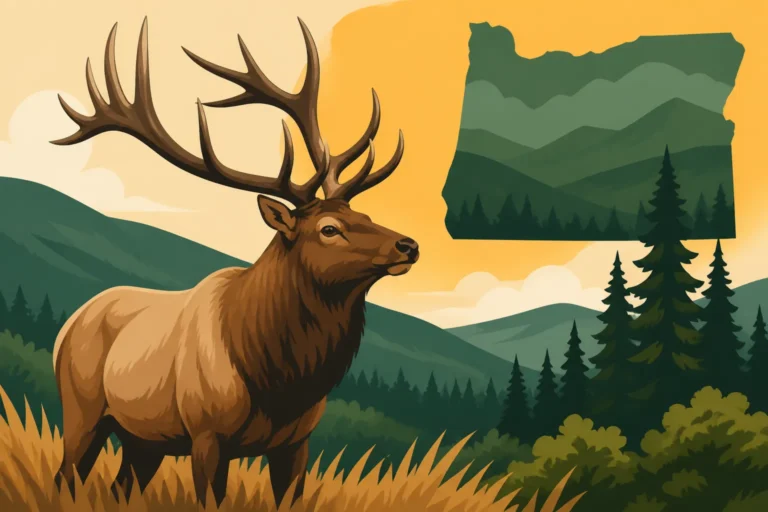
Understanding the impressive antler growth of Rocky Mountain bull elk in Oregon is a deep dive into the natural world, and for many hunters, it's a source of endless fascination and sometimes, a little frustration. You spend countless hours scouting, analyzing trail camera photos, and pouring over maps, all to catch a glimpse of those magnificent racks. But what really drives a bull's antler development, and how does Oregon's unique environment play into it? This guide will break down the intricate process, from the initial velvet fuzz to the hard, polished bone of a trophy rack, helping you better appreciate and interpret what you see in the field.
The Annual Cycle of Rocky Mountain Elk Antler Growth
The antlers of a Rocky Mountain bull elk are not permanent fixtures; they are a truly remarkable example of rapid bone growth, shed and regrown annually. It's a precise biological dance orchestrated by hormones, nutrition, and the changing seasons. Each year, around late winter or early spring, after the rigors of the rut, mature bulls will cast off their old racks, leaving behind nothing but the pedicles on their skull. This might seem counterintuitive for an animal that relies on its antlers for dominance, but it's an essential part of the cycle, allowing for even larger and more impressive growth in subsequent years.
Early Spring: Budding and Rapid Development
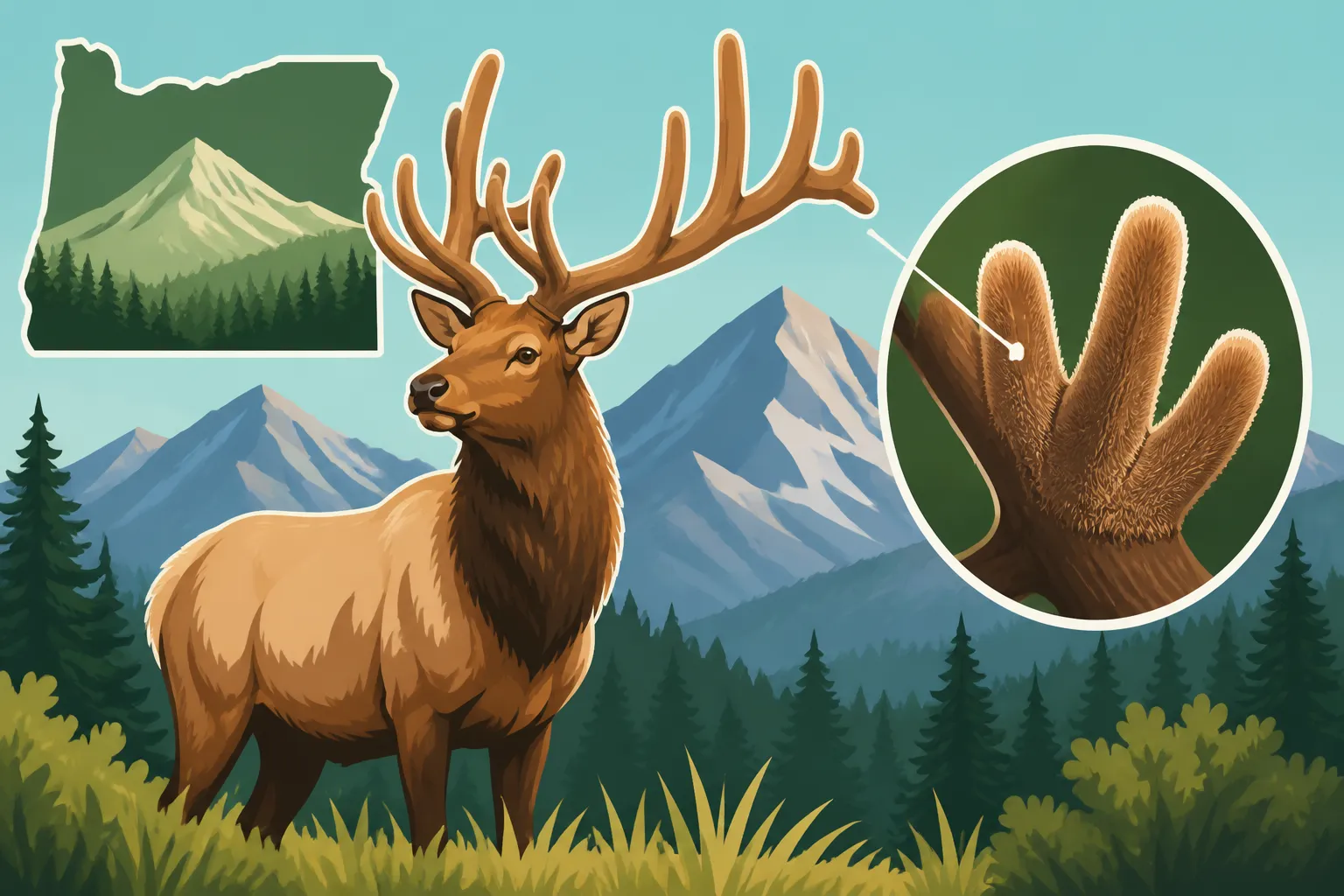
As winter's grip begins to loosen and the first hints of green appear across the Eastern Oregon landscape, a new chapter of antler growth begins. Soon after shedding their previous rack, or sometimes even before the last one drops, small, fuzzy bumps, known as pedicles, will emerge on the bull's head. These aren't just cosmetic; they're the launchpad for the next set of antlers. The spring hormones, primarily testosterone, surge through the bull's system, triggering an explosion of growth. This early stage is characterized by incredibly fast development, with antlers growing up to an inch or more a day during peak periods.
During this time, the entire antler is encased in "velvet"—a living, highly vascularized skin covered in fine hairs. This velvet is crucial; it's packed with blood vessels and nerves, acting like a nutrient delivery system, shuttling essential minerals, proteins, and vitamins to the rapidly forming bone tissue underneath. It’s during these crucial spring months that the basic shape, points, and length of the antler begin to be laid down. A healthy bull with excellent early spring nutrition will have a strong start, setting the stage for a substantial rack.
Summer: Velvet Nourishment and Mineral Deposition
As spring transitions into the long, warm days of summer, the antler growth continues, though perhaps not at the same explosive rate as the initial burst. This period is all about increasing mass and adding density to the growing bone. The velvet remains intact, diligently supplying the antlers with the building blocks they need. Bulls are often observed grazing intently in lush summer pastures, taking advantage of the abundant, nutrient-rich forage to support this energy-intensive process. Think of it like a construction project: spring lays the foundation and framework, and summer fills in the concrete and reinforcement.
This is where mineral deposition becomes incredibly important. Calcium, phosphorus, and other trace minerals are absorbed from the bull's diet and transported directly to the antlers through the velvet. If a bull has access to high-quality forage rich in these minerals, his antlers will develop greater mass, density, and strength. Conversely, a bull that struggles to find adequate nutrition during the summer, perhaps due to drought conditions or overgrazing, might see stunted growth or weaker antlers, regardless of his genetic potential. This nutritional intake is particularly vital for the main beams and the development of strong, thick bases.
Late Summer/Early Fall: Hardening and Shedding Velvet
The grand finale of the antler growth cycle occurs in late summer and early fall, leading up to the rut. As the days shorten and the internal clock of the bull shifts, hormone levels begin to change, specifically a drop in testosterone levels. This decrease signals the velvet's job is done. The blood supply to the velvet constricts, causing the velvet to dry, crack, and eventually peel away. This process can be irritating for the bull, who will rub his antlers vigorously on trees, shrubs, and even the ground to expedite its removal. This rubbing not only removes the last vestiges of velvet but also polishes the now-hardened bone, often staining it with sap and tannins from the vegetation.
The transformation is striking: from soft, fuzzy velvet to rock-hard, gleaming bone, ready for the upcoming challenges of the breeding season. The shedding of velvet is a clear sign that the rut is just around the corner, and bulls are now primed for sparring and asserting dominance. This final stage is also when the antlers reach their full potential for the year. A bull's antlers, once hard, will not grow further in size or shape until the next annual cycle begins with shedding in late winter. This understanding of the full cycle helps us appreciate the timing of the Rocky Mountain Elk Season Structure and why bulls look their best just before and during the rut.
Key Factors Influencing Antler Size and Quality
While the annual cycle is consistent, the actual size and quality of a bull's antlers can vary dramatically. It's not just a matter of luck; several critical factors work together, sometimes in concert, sometimes in opposition, to determine the final grandeur of a bull's rack. Hunters often obsess over these details, hoping to predict which areas might hold bigger bulls or what traits indicate a truly mature animal. It's a complex equation, but understanding the main variables can offer significant insight.
Genetics: The Blueprint for Rack Potential
At the heart of every impressive set of antlers lies genetics. Just like in humans, where physical traits are inherited from parents, a bull elk inherits its potential for antler growth from its sire and dam. Some bloodlines simply have the genetic coding for larger, more massive antlers with more points, greater spread, and unique characteristics like drop tines or cheaters. You might notice certain areas consistently produce bulls with similar antler patterns, which can often be attributed to a localized gene pool.
However, it's crucial to remember that genetics provide the potential, not a guarantee. A bull with excellent genetic predispositions will only reach his full antler potential if all other factors, especially nutrition and age, are also optimal. Think of it like an athlete: they might have the genes for incredible strength, but without proper training and diet, they won't reach their peak performance. This interplay makes truly understanding a bull's antler growth a multi-faceted challenge for those focused on the Oregon Big Game Records Program.
Nutrition: Fueling Growth Through Forage
If genetics is the blueprint, then nutrition is the building material. A bull's diet, particularly during the critical spring and summer growing months, directly impacts the size, mass, and overall health of his antlers. High-quality forage rich in protein, calcium, phosphorus, and other trace minerals is absolutely essential. Eastern Oregon, with its diverse landscapes ranging from high desert sagebrush to alpine meadows in the Blue Mountains, offers varied nutritional opportunities.
Consider a bull grazing in a lush, irrigated valley versus one scraping by in an overgrazed, drought-stricken area. The difference in antler development can be staggering, even between bulls of similar age and genetic background. When food is scarce or of poor quality, the bull's body prioritizes survival, directing limited resources to essential bodily functions rather than antler growth. This means that even a genetically superior bull can produce a mediocre rack if his nutritional needs aren't met. This is why areas with abundant and diverse vegetation often consistently produce larger bulls. This concept is explored further in Antler Growth and Nutrition.
Age: The Peak Years of a Bull's Antler Development
Age is arguably one of the most significant and observable factors influencing antler growth. Young bulls, typically 1.5 to 3.5 years old, will grow antlers, but they are generally smaller, thinner, and have fewer points. As a bull matures, his body allocates more resources to antler production. He reaches his prime antler-growing years, generally between 5.5 and 9.5 years old. During this period, a bull will typically produce his largest, most massive racks. His body has fully developed, and he has perfected his foraging strategies, allowing him to maximize nutrient intake.
After these peak years, typically around 10.5 years and older, a bull often enters a period of decline, sometimes referred to as "going downhill." His antlers might start to decrease in size, mass, or point count. This isn't always the case, and some bulls can maintain impressive racks into old age, but it's a general trend. Understanding a bull's age class is crucial for field judging and making ethical harvest decisions. For instance, a 3.5-year-old bull might have a respectable 5×5 rack, but a 7.5-year-old bull in the same unit might be sporting a true monster 6×6. This makes assessing a bull's age in the field a key skill for any hunter.
Regional Differences: Eastern Oregon's Unique Environment
Oregon is a state of incredible contrasts, from the wet, dense rainforests of the Coast Range to the arid, sagebrush-covered expanses of the east. These geographical differences directly impact the elk that call these regions home, particularly the Rocky Mountain elk found east of Highway 97. The environment here shapes everything from their behavior to, yes, their antler growth. If you’re planning on Eastern Oregon Hunting Units and Access, understanding these nuances is crucial.
Habitat and Forage Quality in Eastern Oregon
Eastern Oregon's habitat, characterized by vast expanses of sagebrush steppe, juniper forests, and mountain ranges like the Blues and Wallowas, presents a different set of challenges and opportunities for elk than their Roosevelt cousins to the west. While not as consistently lush as the western side of the state, many areas in Eastern Oregon boast nutrient-rich bunchgrasses, forbs, and browse species that are highly beneficial for elk. The key, however, is often the distribution and consistency of these food sources.
Seasonal migrations play a huge role here. Elk move between high-elevation summer ranges, where abundant feed helps fuel antler growth, and lower-elevation winter ranges. The quality and accessibility of these winter ranges are critical. If deep snow or poor forage conditions plague the winter months, bulls may enter the spring antler-growing season in poorer condition, which can negatively impact their rack development. Conversely, mild winters and healthy spring growth can set the stage for impressive antler growth in units like those found in the Blue Mountains Hunting in Northeast Oregon. Utilizing tools like GoHunt can help identify areas with prime habitat features and historic forage availability.
Climate Impact on Antler Growth
Climate, particularly precipitation patterns and temperature extremes, directly influences forage availability and, consequently, antler growth. Eastern Oregon experiences much more distinct seasons than Western Oregon, with hot, dry summers and cold, often snowy winters. Drought years, which are becoming more frequent, can severely reduce forage quality and quantity, stressing elk herds and diverting resources away from antler production. A bull's body will prioritize survival and reproduction over growing a massive rack if conditions are tough.
Conversely, years with ample spring and summer rains can lead to an explosion of lush forage, allowing bulls to pack on critical nutrients. A mild winter followed by a wet spring and moderate summer temperatures often correlates with an increase in overall antler quality across the herd. Hunters consistently report better antler years after favorable weather patterns. This direct link between climate and antler growth makes tracking weather patterns and long-term forecasts an integral part of understanding elk herd health and anticipating hunting prospects.
Predation and Population Density Factors
The dynamics of predation and population density also subtly influence antler growth within Eastern Oregon's Rocky Mountain elk herds. Higher predator populations, including wolves (in some areas) and cougars, can stress elk, leading to increased movement and potentially less time spent feeding optimally. While a healthy amount of predation can actually lead to a stronger, more resilient herd by culling weaker animals, excessive pressure might subtly impact overall herd health, which can, in turn, affect antler development. Oregon Wolf Pack Numbers continue to be a topic of discussion in these areas.
Furthermore, population density plays a critical role. When elk populations are at or above the carrying capacity of their habitat, competition for food resources increases significantly. This can lead to decreased nutrition for individual animals, resulting in smaller body sizes and less impressive antler growth across the board. The Oregon Department of Fish and Wildlife (ODFW) carefully manages herd numbers to maintain a healthy balance, aiming for populations that the habitat can sustainably support. ODFW's Oregon Elk Herd Numbers by Region reports offer valuable insights into these dynamics. Responsible herd management, which includes controlled hunts, helps ensure that bulls have the resources they need to reach their genetic potential for antler growth.
Interpreting Antler Characteristics for Hunters
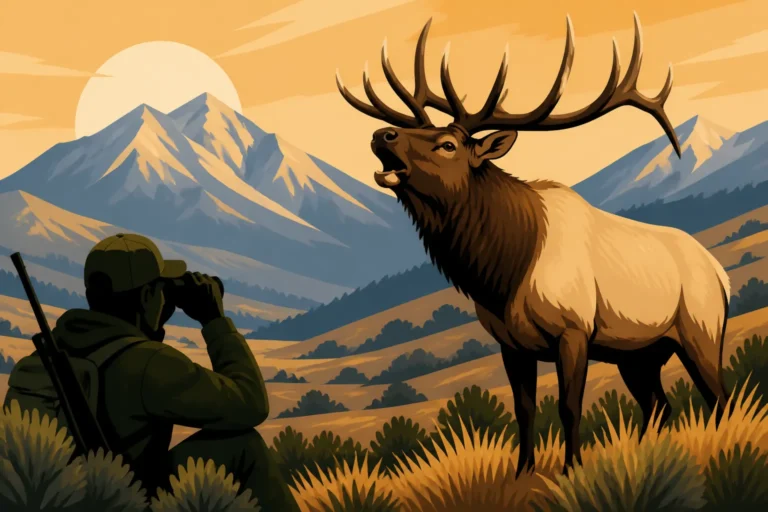
For hunters, understanding Rocky Mountain bull antler growth isn't just an academic exercise; it's a vital skill for field judging and making informed decisions during a hunt. When that adrenaline is pumping and a bull steps out, you only have seconds to assess his rack and decide if he's the one you're after. Knowing what to look for, beyond just the sheer number of points, can make all the difference.
Understanding Points, Mass, and Spread
When evaluating a bull's antlers, it’s not just about the number of points (often called tines). A truly impressive rack is a combination of several factors:
- Points (Tines): These are the individual projections from the main beam. A "6×6" bull means he has six points on each side. While more points generally mean a bigger bull, a smaller-bodied, younger bull can sometimes have a 6×6 rack that lacks mass.
- Mass: This refers to the circumference and thickness of the main beams, especially at the bases. A bull with good mass will have thick, heavy antlers, which indicates good nutrition and maturity. Thin, spindly antlers, even with many points, often belong to younger bulls or those in poor condition. You'll often hear hunters describe a bull as "heavy-horned" if he has significant mass.
- Spread: This is the width between the widest points of the antlers. A wide spread can make a bull look much larger, but it doesn't always correlate with overall score or age. Some bulls grow tall, narrow racks, while others are incredibly wide.
- Length: This refers to the length of the main beams and the individual points. Long beams and tines contribute significantly to a bull's overall aesthetic appeal and score.
All these elements combined contribute to a bull's overall score if you're interested in the record books, but more importantly, they give you a visual cue about the bull's age and health.
Field Judging Bulls by Antler Size and Age
Field judging is an art that takes years to master, but understanding antler growth patterns by age is foundational.
- Yearlings (1.5 years old): Often referred to as "spikes" or "raghorns," they typically have unbranched antlers (spikes) or small, simple forks. Very rarely will a yearling show significant branching.
- Young Bulls (2.5-4.5 years old): These bulls start to show more branching, often developing into 4×4 or 5×5 racks. The antlers will still be relatively thin, lacking the heavy mass of older bulls. Their main beams might be short or lack significant sweep.
- Mature Bulls (5.5-9.5 years old): This is the sweet spot for antler development. These bulls typically exhibit heavy, long main beams, good mass throughout, and often a 6×6 or even larger symmetrical rack. They might have unique characteristics like heavy crowns or extra points. You'll notice their antlers look proportionate to their body size, which is also large and muscular.
- Old Bulls (10.5+ years old): As mentioned, some old bulls maintain impressive racks, but others might show signs of decline. This can manifest as shorter main beams, less mass, or fewer points. Sometimes, older bulls might also develop irregular or non-symmetrical racks.
When you're out Glassing Eastern Oregon Rimrock for Mule Deer or elk, take your time to not just count points, but evaluate the thickness of the base, the length of the main beam, and the overall symmetry. Comparing these features can give you a much better gauge of the bull's age and potential.
Implications for Hunt Strategy
Your understanding of antler growth directly impacts your hunt strategy. If you're hunting for a truly mature, trophy-class bull, you'll need to focus your efforts on areas known for good nutrition, less hunting pressure, and older age structures within the herd. This might mean targeting specific units or wilderness areas where bulls have a better chance to reach their genetic and age potential. E-scouting platforms like GoHunt can be invaluable here, offering overlays for habitat, past harvest data, and topography that help you identify these prime locations.
Conversely, if your goal is simply to harvest an elk for meat, and antler size isn't the primary concern, you might focus on areas with higher elk densities, where finding any legal bull is more likely. Knowing the typical antler progression also helps you avoid passing on a younger bull that, while not a record book contender, is still a respectable animal and excellent table fare. For example, if you see a young 5×5 in an area known for strong genetics, you might think, "That's a nice bull now, but in a couple of years, he'll be truly massive." This knowledge helps inform your in-the-moment decisions.
| Bull Age Class | Typical Antler Characteristics | Average Base Circumference (inches) | Overall Rake Impression |
|---|---|---|---|
| 1.5 years | Spikes or small forks, thin beams. | 4-6 | Small, simple |
| 2.5-3.5 years | 4×4 or small 5×5, increasing length, moderate mass. | 6-8 | Developing, somewhat spindly |
| 4.5-6.5 years | Solid 5×5 or 6×6, good length, increasing mass, beginning of crowns. | 8-10 | Respectable, gaining character |
| 7.5-9.5 years | Peak development: Heavy mass, long beams, often 6×6+, deep crowns. | 10-12+ | Impressive, mature, heavy-horned |
| 10.5+ years | May maintain size or show decline: shorter points, less mass, irregular. | 9-11 | Declining or still very large |
Note: These are general averages and individual bulls will vary greatly based on genetics, nutrition, and environmental factors.
Conservation and Management of Oregon's Elk Herds
The impressive antler growth we see in Rocky Mountain bull elk is not just a testament to their biology but also to the dedicated efforts of wildlife management agencies and conservation organizations. Ensuring that Oregon's elk herds remain healthy and continue to produce magnificent bulls for future generations requires ongoing commitment and strategic planning.
ODFW's Role in Herd Health and Antler Regulations
The Oregon Department of Fish and Wildlife (ODFW) plays a paramount role in the conservation and management of elk across the state. They conduct extensive research, including aerial surveys and radio-collar studies, to monitor herd numbers, bull-to-cow ratios, and overall health. This data is critical for making informed decisions about hunting seasons, tag allocations, and specific regulations designed to promote healthy populations and quality antler growth. The ODFW monitors Oregon Elk Herd Numbers by Region meticulously.
Antler point restrictions (APRs) are a common tool used by ODFW in some units. These regulations aim to protect younger bulls (e.g., "three-point or better" rules) from harvest, allowing them to survive into their prime antler-growing years. While sometimes debated among hunters, the intent is to shift the age structure of the bull population towards older, more mature animals, which in turn can lead to larger average antler size within the herd over time. These regulations are meticulously detailed in the annual hunting regulations and are crucial for understanding which bulls are legal to harvest.
The Role of Hunters in Data Collection
Hunters are not just participants in wildlife management; they are essential partners. Through mandatory harvest reporting, hunters provide ODFW with crucial data on elk populations, success rates, and the characteristics of harvested animals. When you report your harvest, you're not just complying with a rule; you're contributing to the scientific understanding of elk herds, which directly informs future management decisions. This data helps ODFW assess the impact of previous regulations and adjust strategies to ensure sustainable populations and quality hunting opportunities. Remember the importance of Oregon Mandatory Harvest Reporting and the $25 Penalty.
Beyond mandatory reporting, many hunters voluntarily participate in shed hunting, which, when done according to Shed Hunting Rules on Oregon Winter Range, can provide additional insights into antler growth patterns and herd health. Ethical hunting practices, adherence to regulations, and a commitment to conservation are all vital for maintaining the health and vitality of Oregon's Rocky Mountain elk and their incredible antler growth. Organizations like GoHunt also play a role in democratizing access to this kind of data, allowing hunters to delve deeper into unit-specific statistics and draw odds, aiding in their own personal research and application strategies.
Disclaimer
The information provided in this guide is for general informational purposes only and is not intended as legal or professional advice. Hunting regulations and conditions can change rapidly. Always consult the most current Oregon Department of Fish and Wildlife (ODFW) regulations, maps, and advisories before planning or undertaking any hunting activity. It is the hunter's responsibility to know and follow all applicable laws.