One Penalty for Multiple Unreported Oregon Tags
It's incredibly frustrating when you've finally wrapped up a long hunting season, maybe even tagged out on a challenging bull, only to realize months later you've completely forgotten to report your harvest. Or perhaps you had several tags for various species, didn't fill them, and then the deadline slipped by. The confusion often mounts when you face that dreaded $25 penalty from ODFW, leaving you wondering if it's a one-time charge or if you'll be penalized for every single unreported tag. This guide is here to clear up that very specific headache, explaining how Oregon's mandatory harvest reporting penalty works, especially when multiple tags are involved, and how you can avoid the headache altogether.
The Imperative of Oregon's Mandatory Harvest Reporting System
Let's be real, after a demanding hunt, especially if it was successful, the last thing on your mind might be logging into a government website to fill out a form. But ODFW's mandatory harvest reporting isn't just bureaucratic red tape; it's the backbone of how they manage Oregon's diverse wildlife populations. Ignoring it can lead to more than just a minor annoyance; it can impact your ability to hunt in the future.
Why ODFW Requires You to Report Every Tag
The primary reason ODFW mandates reporting for every big game tag issued, whether filled or unfilled, is to collect vital data. This data is absolutely crucial for understanding the health of our herds, estimating population numbers, and making informed decisions about tag allocations for future seasons. Think about it: if only successful hunters reported, ODFW would get a skewed picture, potentially overestimating harvest pressure or underestimating how many tags went unfilled.
Without this comprehensive data, it's a bit like driving blind. They need to know how many animals were harvested, what species, where, and when. Just as importantly, they need to know how many hunters didn't fill their tags, which helps them assess hunting pressure and success rates. It directly influences future quotas and seasons, ensuring that we have sustainable hunting opportunities for years to come. This commitment to data-driven management is why understanding Oregon Mandatory Harvest Reporting and the $25 Penalty is so critical for every hunter.
Common Reasons Hunters Miss the Deadline
We've all been there. Life gets in the way. Maybe you had an incredibly tough hunt, came home exhausted, threw your gear in the garage, and then jumped back into work or family obligations. The reporting deadline, which can often feel far off when you purchase your tags, suddenly looms large and then, poof, it's gone. Many hunters, especially those new to Oregon or those who only hunt sporadically, simply forget or misunderstand the rules.
Some assume that if they didn't harvest an animal, there's nothing to report, which is a common misconception that leads to penalties. Others might struggle with the online e-licensing system, encounter technical glitches, or simply misplace the reminder emails. The post-hunt adrenaline dump, combined with the often-complex nature of modern life, creates a perfect storm for these oversights. It's an easy mistake to make, and one that ODFW tries to communicate, but the responsibility ultimately falls on each of us to stay on top of it.
How to Confirm Your Reporting is Complete
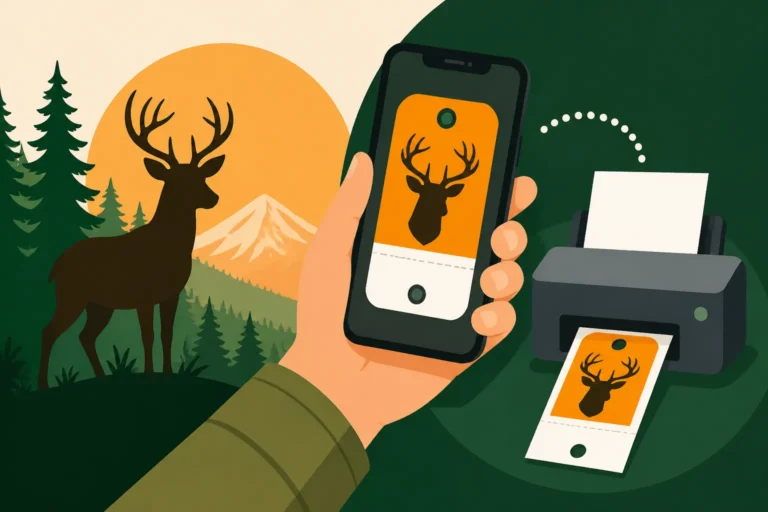
Once you've submitted your report, whether for a filled or unfilled tag, you should always receive a confirmation. This usually comes in the form of an email, but you can also log back into your ODFW e-licensing account to verify that your reports have been successfully recorded. It’s always a good idea to keep these confirmation emails, or even take a screenshot, as proof that you’ve done your part.
Think of it as closing the loop on your hunting season. Before you even start thinking about next year's draw, make it a point to go through your current year's tags and ensure everything is reported. Setting a recurring reminder on your phone or marking your calendar for the respective deadlines – like the Oregon Harvest Report Deadline in January for many big game tags or the Oregon Harvest Report Deadline in April for spring bear or other later seasons – can save you a lot of grief down the line. A few moments of diligence can prevent a future headache when you’re trying to buy that crucial tag.
Unpacking the $25 Penalty for Unreported Tags
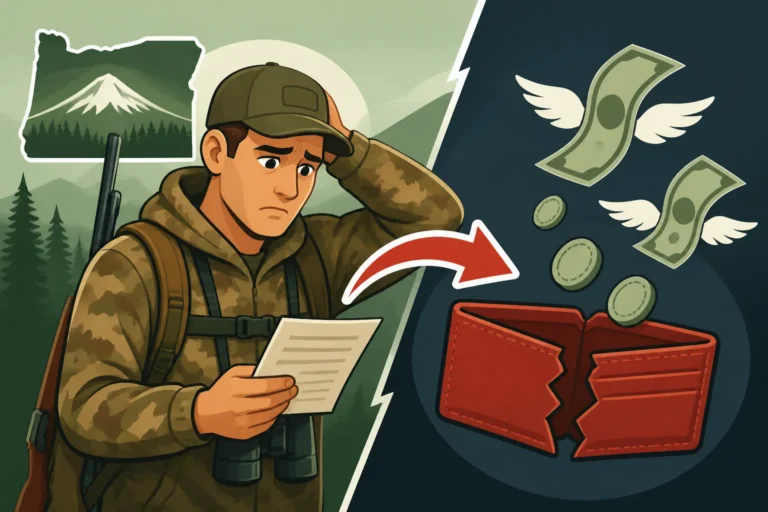
The moment you log in to buy next year's hunting license and see that pesky $25 charge pop up, it can be a real gut punch. It's often accompanied by a flash of panic, especially if you had multiple tags for the past season. The natural question that follows is, "Am I going to pay $25 for each tag I forgot to report?" Let's set the record straight on how this penalty actually works.
The Specific Cost of Non-Compliance
Let's cut right to the chase: the specific cost for failing to report your mandatory big game tags in Oregon is indeed $25. This fee is clearly outlined by ODFW and is intended to incentivize compliance with the reporting requirement. It's not about being punitive; it's about ensuring the integrity of their data collection, which as we discussed, directly impacts future hunting opportunities for everyone. This penalty, while seemingly small, can be a real nuisance, making it difficult to proceed with your license and tag purchases for the upcoming year until it's paid. It's a clear consequence for an important, albeit sometimes overlooked, obligation. For a detailed breakdown, check out What the $25 Oregon Reporting Penalty Costs You.
When the Penalty Gets Applied and What It Affects
The penalty isn't typically applied as a direct bill that gets mailed to your home immediately after the deadline. Instead, it acts more like a hold or a block on your account. When you attempt to purchase any new hunting licenses or tags for the next licensing year, the system will flag your account and require you to pay the outstanding $25 penalty before you can proceed with any new purchases. This means you can't buy your general season deer tag, apply for controlled hunts, or purchase any other annual licenses until that fee is settled.
It's a mechanism to ensure compliance before you're allowed to participate in future hunting seasons. This can be particularly frustrating if you're trying to apply for a coveted controlled hunt right before the May 15th deadline and suddenly find yourself blocked. Understanding When the Oregon Reporting Penalty Is Charged can save you from a last-minute scramble.
Is It One Penalty Per Hunter or Per Unreported Tag?
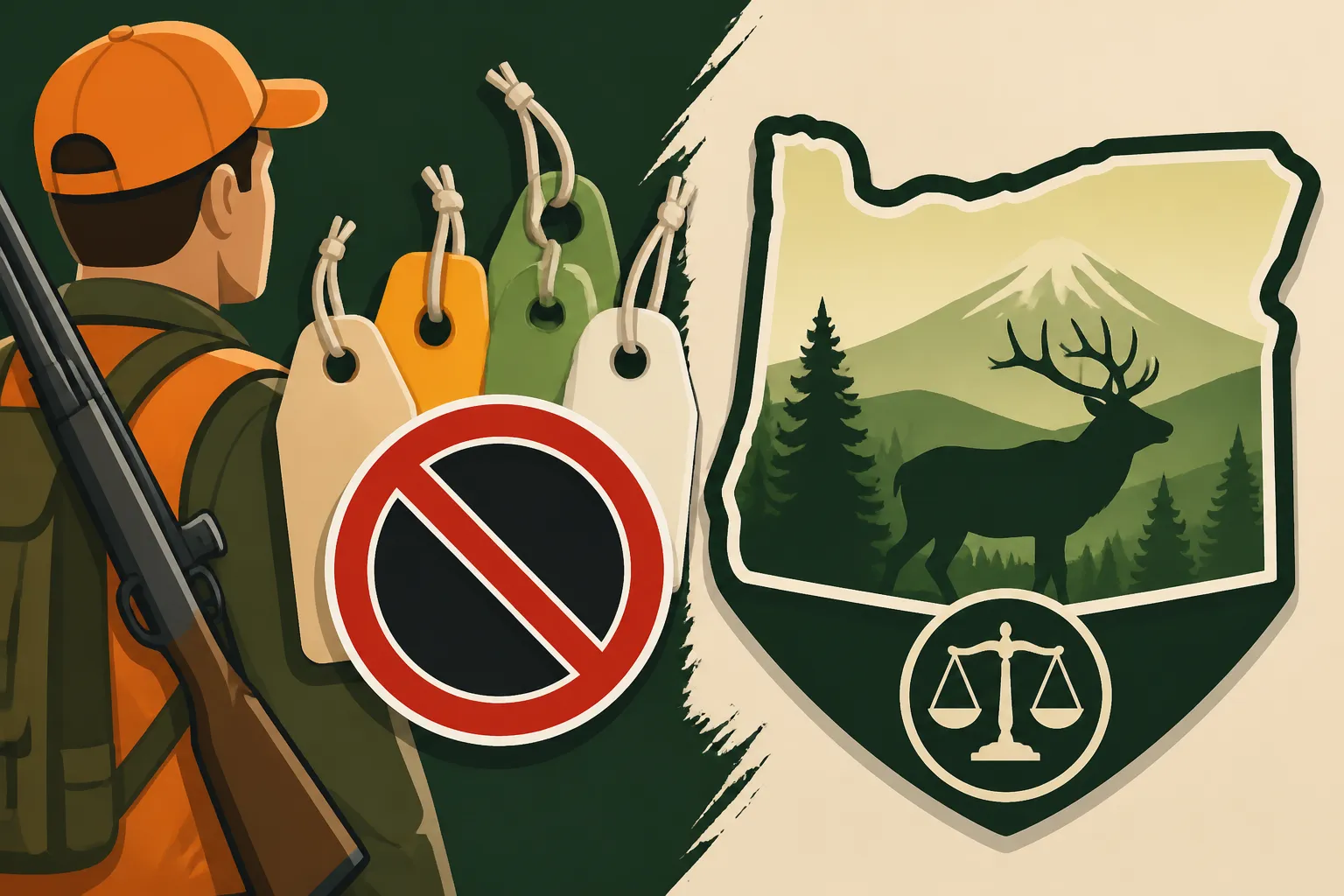
This is the absolute core of the confusion for many hunters. You had a general season deer tag, a controlled elk tag, and maybe a fall bear tag, and you forgot to report all three. Are you looking at $25 x 3 = $75? Thankfully, no. In Oregon, the $25 penalty is generally applied once per hunter, per licensing year, regardless of the number of mandatory big game tags you failed to report within that specific year.
So, if you had five different tags that required reporting, and you neglected to report any of them before their respective deadlines within the same licensing year, you would still only face a single $25 penalty on your account for that reporting period. It's a penalty for the act of non-compliance for the year, not for each individual unreported tag. This is a huge relief for many, but it doesn't diminish the importance of reporting all your tags. Many hunters, understandably, get hung up on whether they're facing a $25 fee for each tag or a single charge. While platforms like GoHunt can help organize your tag information to avoid this confusion, the ODFW system itself is pretty clear: it's a single penalty for the failure to report within a given licensing year.
To make it even clearer, let's look at a quick table illustrating this:
| Scenario | Unreported Tags in One Licensing Year | Penalty Applied |
|---|---|---|
| Sarah forgets her deer tag | 1 | $25 |
| Mike forgets his elk & bear tags | 2 | $25 |
| Lisa forgets deer, elk, & pronghorn | 3 | $25 |
| John forgets deer, elk, bear, & turkey (if mandatory) | 4 | $25 |
As you can see, regardless of the number of unreported mandatory tags, the penalty remains a flat $25 for that specific reporting cycle.
Practical Strategies to Avoid the Reporting Hassle
Avoiding the $25 penalty is far easier than dealing with the frustration of having your license purchase blocked when you're trying to apply for that dream hunt. A little planning and organization can go a long way in ensuring you stay compliant and focus on what truly matters: getting out into Oregon's incredible landscapes.
Set Up Reminders Early and Often
One of the simplest yet most effective strategies is to use modern technology to your advantage. As soon as you purchase your tags, or even better, when you get your draw results, immediately set multiple reminders on your phone or digital calendar. Don't just set one for the final deadline; set one for a month before, two weeks before, and a few days before. This creates multiple nudges, making it far less likely that the deadline will slip past unnoticed.
Consider making it a post-hunt ritual: as soon as you're home, meat in the cooler or freezer, and gear put away, make that report. It takes just a few minutes, especially for an unfilled tag, and it removes the mental burden entirely. You could even buddy up with your hunting partners; a simple text or call to remind each other can ensure everyone stays on track.
Utilize Online Tools and Resources
Oregon's e-licensing system is designed to be user-friendly, allowing you to easily report your harvest (or lack thereof) online. Familiarize yourself with the system before the pressure of a deadline. Log in periodically to check your tag status, application history, and current reporting obligations. This proactive approach ensures you know where everything stands.
Beyond the ODFW portal, many hunters find value in external tracking tools. Tools like GoHunt, or even just setting up a robust personal spreadsheet, can be invaluable for keeping track of your numerous applications, draws, and, yes, your harvest reporting obligations. It integrates well with the ODFW system, offering a consolidated view of your hunting activities. This kind of organization, particularly for hunters who pursue multiple species across different seasons, is a game-changer. It helps ensure you're on top of everything, including when and Where to Report an Oregon Hunt Online.
Understand Which Tags Are Exempt
While the rule is generally "report all big game tags," it's worth understanding if any specific tags you hold are truly exempt. For instance, predator tags (like for coyotes or bobcats) often have different reporting requirements, if any. However, for deer, elk, bear, cougar, pronghorn, bighorn sheep, and mountain goat, the mandatory reporting is almost universally in effect.
Always double-check the current Oregon Big Game Regulations pamphlet for the most up-to-date information on which species and tag types require reporting. Misinformation or assumptions can lead to penalties. The safest bet is to assume all your big game tags need reporting unless explicitly stated otherwise in the official regulations. Keeping an eye on Tags Exempt From Oregon Reporting can prevent an accidental oversight.
The Impact of Unreported Harvest Data on Wildlife Management
Beyond the personal inconvenience of a $25 fee, the broader implications of widespread non-reporting extend to the very health and future of Oregon's wildlife populations and our hunting heritage. This isn't just about administrative compliance; it's about being responsible stewards of the resource.
The Importance of Accurate Herd Data
Imagine trying to manage a business without knowing how much inventory you have or how many products you've sold. That's essentially what ODFW faces without accurate harvest reports. Every report, whether it's for a monster bull elk or an unfilled spike tag, contributes to a massive dataset. This data allows biologists to estimate population sizes, assess herd health, understand success rates in different units, and track trends over time.
For instance, if ODFW sees a consistently low success rate in a particular unit, combined with low fawn or calf recruitment, it might signal a need to reduce tag numbers or explore habitat improvements. Good data informs good decisions, and that’s true for both hunters planning their seasons—many of whom rely on data visualizations from platforms like GoHunt—and for wildlife managers balancing complex ecosystems. This continuous feedback loop is critical for sustainable hunting, and it’s why methods like How ODFW Counts Big Game and careful analysis of Reading an Oregon Big Game Statistics Report are so vital.
How Non-Reporting Can Affect Future Opportunities
If a significant number of hunters fail to report their tags, it creates gaps in ODFW's data. These gaps can lead to skewed conclusions about harvest rates and population trends. For example, if many successful hunters fail to report, ODFW might underestimate the actual harvest, potentially leading them to issue too many tags in future seasons, which could negatively impact herd numbers. Conversely, if many unsuccessful hunters don't report, ODFW might overestimate success rates, leading to tag number reductions that aren't truly necessary.
In either scenario, the lack of accurate data can lead to management decisions that don't reflect the true status of the herds, ultimately affecting future hunting opportunities for everyone. This could manifest as fewer tags available, changes in season dates, or adjustments to unit boundaries. Whether it's the long-term health of our Oregon Mule Deer Plan and Tag Numbers or the robust populations of Elk Numbers in Oregon's Blue Mountains, our collective reporting diligence directly contributes to the ability of ODFW to manage these iconic species effectively, preserving the wild spaces and the pursuit for generations to come.
Disclaimer
This guide is intended for informational purposes only and is based on general Oregon hunting regulations. Regulations can change, and it is always the hunter's responsibility to consult the most current official Oregon Department of Fish and Wildlife (ODFW) regulations pamphlet or website before participating in any hunting activity. This content should not be considered legal advice.