Once-in-a-Lifetime Tags in Oregon: Sheep and Goat
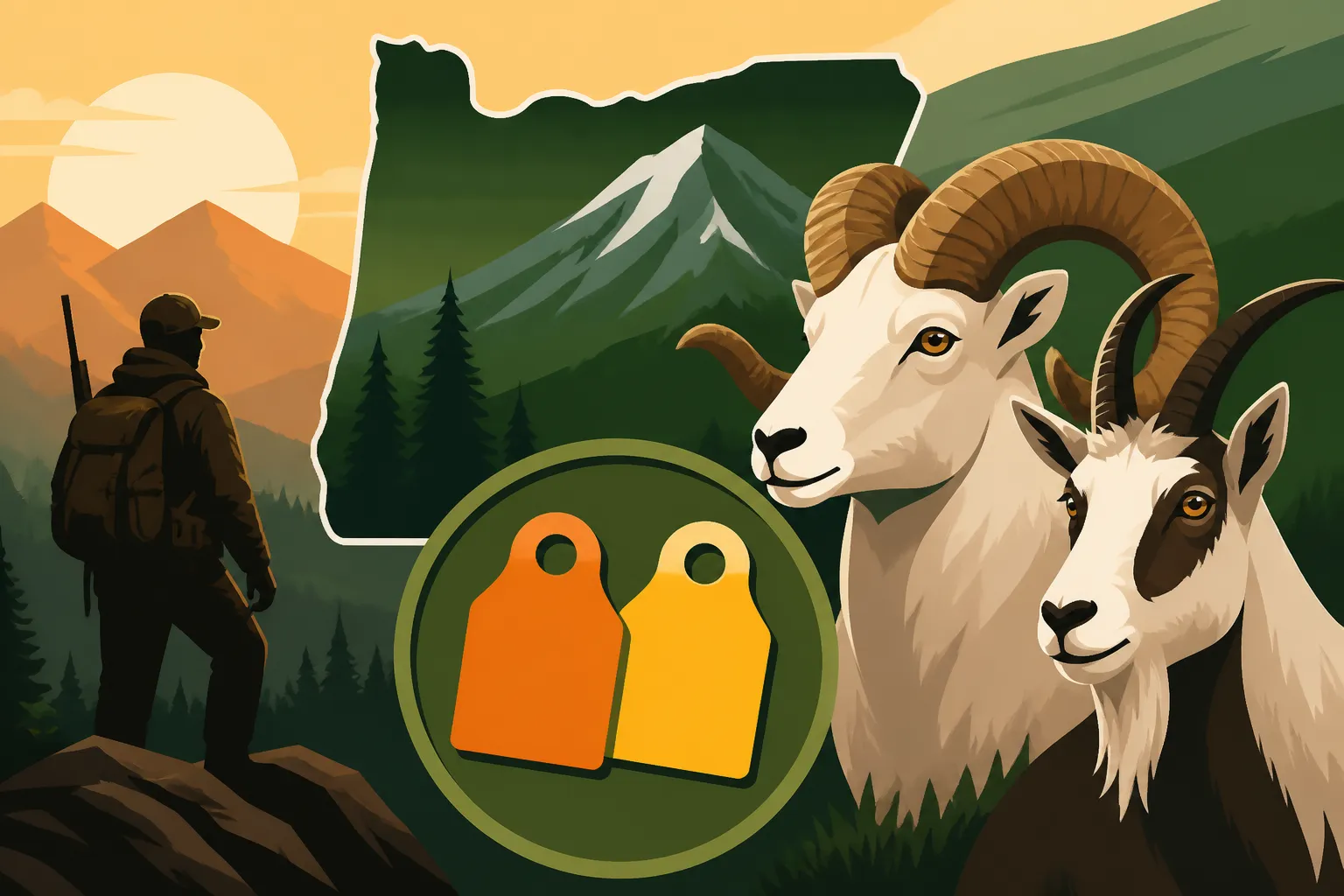
The dream of drawing a once-in-a-lifetime tag in Oregon for bighorn sheep or mountain goat can feel like chasing a ghost. Year after year, hunters pour their hopes and application fees into a system that seems to favor the impossibly lucky, leaving many feeling frustrated and confused about how it all works. This guide is here to shed light on these rarest of tags, explain the nuances of Oregon’s unique draw system for sheep and goat, and help you understand what it truly takes to pursue these magnificent animals.
Understanding Oregon's Once-in-a-Lifetime System for Sheep and Goat
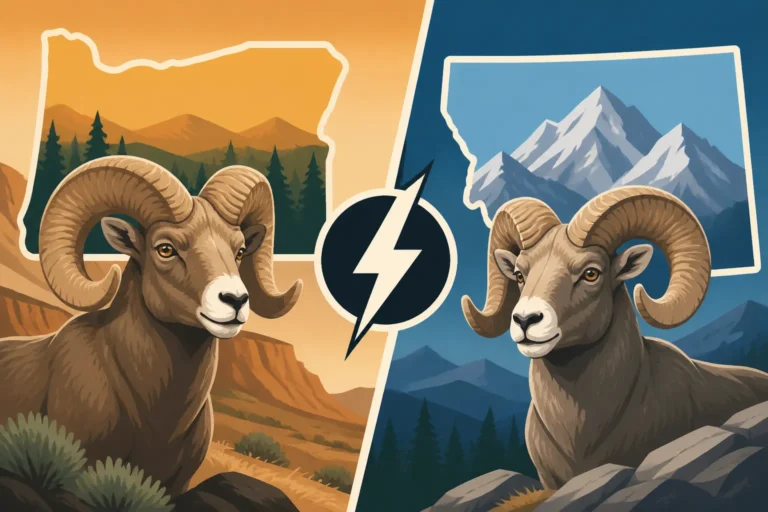
Oregon offers some of the most sought-after big game tags in the West: bighorn sheep and mountain goat. These aren't your typical deer or elk tags that you can apply for annually with preference points building up over time. Instead, they operate under a special "once-in-a-lifetime" rule, making them incredibly unique and, frankly, exceedingly difficult to draw. Many hunters will apply their entire lives and never see one of these coveted tags in their hands.
What "Once-in-a-Lifetime" Truly Means
When we talk about "once-in-a-lifetime" tags in Oregon, it’s not just a catchy phrase; it's a strict regulation. If you are fortunate enough to draw and harvest a bighorn sheep, you can never again apply for a bighorn sheep tag in Oregon. The same rule applies to mountain goats. Once you've harvested one, that's it – your opportunity to hunt that specific species in Oregon through the draw is fulfilled forever. This rule is in place to maximize the number of different hunters who get to experience these truly special hunts, given the extremely limited number of animals available for harvest. It's a way of sharing a finite and precious resource across a wider hunting community over many decades. It’s a testament to the rarity of these animals and the state's commitment to careful management.
This "once-in-a-lifetime" status is why the draw odds are so astronomically high. Imagine potentially waiting 40, 50, or even 60 years for a chance, only to realize that if you draw, that particular journey is complete. This system doesn't accumulate preference points like for deer or elk. Instead, everyone starts on a relatively equal footing each year, though there are mechanisms for those who have put in more years of applying to gain a slight advantage through what's known as "controlled hunt numbers" rather than traditional points. It’s a different beast entirely from trying to accumulate enough points for a good elk unit, and it truly emphasizes the singular nature of the opportunity.
Why These Tags Are So Coveted
The allure of bighorn sheep and mountain goat tags goes far beyond their rarity. These animals inhabit some of the most rugged, remote, and breathtaking landscapes Oregon has to offer. Chasing a bighorn ram through the scorching Hells Canyon breaks or pursuing a mountain goat up a sheer Wallowa Mountains face isn't just a hunt; it's an extreme adventure that tests every ounce of a hunter's physical and mental fortitude. It’s about the challenge, the spectacular scenery, and the sheer accomplishment of harvesting an animal in such an unforgiving environment.
Beyond the adventure, there's the prestige. A bighorn sheep or mountain goat is a true trophy, not just for its horns or hide, but for the entire experience it represents. These animals are symbols of wildness, resilience, and the untamed spirit of the high country. For many, drawing one of these tags represents the pinnacle of their hunting career, a dream they've nurtured for decades. The limited availability means only a handful of tags are issued each year – sometimes as few as one or two for an entire species across the state. This scarcity, combined with the extreme challenge and the majesty of the animals themselves, makes these tags the ultimate prize for any serious big game hunter in Oregon. It’s not just about filling a freezer; it’s about an unparalleled journey and a story that will be told for generations.
The Rare Gems: California Bighorn Sheep in Oregon
Oregon is home to California bighorn sheep, a subspecies known for its impressive curling horns and its habitat in the rocky, arid canyonlands. These majestic animals are a testament to successful reintroduction efforts, bringing them back from near extirpation in the state. Hunting them is an exercise in extreme patience, glassing, and enduring harsh conditions.
Where Oregon's Bighorns Roam
Oregon's California bighorn sheep herds are primarily found in the rugged, high-desert canyon country of Eastern Oregon. Think of the deep, basalt-rimmed river breaks and dry, sagebrush-covered hillsides where few other large game animals dare to tread with such confidence. Historically, bighorns were widespread, but habitat loss and disease severely reduced their numbers. Today, thanks to dedicated conservation efforts by ODFW and partner organizations, several robust populations thrive.
The most prominent areas for bighorns in Oregon include the remote reaches of the Snake River Unit, particularly within Hells Canyon and its tributaries. These units are synonymous with challenging terrain and incredible solitude. Other significant populations are found in units like the Lookout Mountain Unit near Baker City, and further south, parts of the Kiger and Steens Mountain units. These areas are characterized by steep, broken terrain, sparse vegetation, and extreme temperatures, making them ideal bighorn habitat but incredibly demanding for hunters. Hunters lucky enough to draw a tag for one of these areas often spend countless hours using high-quality optics to locate rams across vast expanses. For more on these incredible animals, you can read about California Bighorn Sheep in Oregon's Canyon Country.
Bighorn Ram Horn Growth Rings and Trophy Potential
A bighorn ram's horns are truly magnificent, growing in a tight curl that can complete a full circle or more. These horns are not shed annually like deer or elk antlers; instead, they grow continuously throughout the ram's life. Each year, a growth ring, or annuli, forms, allowing hunters and biologists to estimate the ram's age by counting these distinct rings. A mature ram, often 7-9 years old or more, will have thick, heavy bases and deeply curled horns that represent a lifetime of surviving in challenging conditions.
For hunters, trophy potential is often measured by horn length, circumference, and the overall symmetry of the curl. A "full curl" ram, where the tip of the horn reaches or exceeds the plane of the eye, is highly prized. Rams in Oregon can achieve impressive scores, with Boone and Crockett minimums being a significant benchmark for many. However, the true trophy lies not just in the score but in the animal's age, the arduous journey to find him, and the incredible memory of the hunt itself. The quality of rams harvested in Oregon is generally very high, reflecting both excellent genetics and careful management that allows rams to reach full maturity. This focus on older, mature rams is a key part of the conservation strategy for these valuable herds.
Conservation and Herd Health Challenges
Despite successful reintroductions and ongoing management, Oregon's bighorn sheep herds face persistent challenges, primarily related to disease. The most significant threat is pneumonia, often carried by domestic sheep, which can decimate bighorn populations. Even seemingly healthy domestic sheep can carry bacteria that are lethal to wild bighorns, leading to devastating die-offs, especially among lambs. This issue is a constant concern for wildlife managers and is a major factor in determining hunt allocations. Learning more about Bighorn Pneumonia Die-Offs in Oregon can provide context to these challenges.
Habitat degradation, predation, and limited genetic diversity in smaller, isolated herds also pose challenges. ODFW continuously monitors herd health, conducts surveys to estimate populations, and works to manage potential conflicts with domestic livestock to protect these sensitive populations. These conservation efforts are paramount, as the health of the herds directly dictates the number of tags that can be issued, if any, in a given year. The "once-in-a-lifetime" nature of these hunts underscores the fragility of these populations and the responsibility of hunters to be part of their conservation.
Reaching for the Peaks: Rocky Mountain Goats in Oregon
Oregon's mountain goats are perhaps even more elusive and inhabit even more extreme terrain than bighorn sheep. These incredibly agile animals are a relatively new addition to Oregon's huntable big game species, having been reintroduced into the Wallowa Mountains in the northeastern part of the state.
Oregon's Mountain Goat Strongholds
Oregon's mountain goat population is a fascinating story of successful reintroduction. While historically present in parts of the state, their numbers dwindled significantly. Today, the primary stronghold for Oregon's huntable mountain goats is the rugged, high-alpine wilderness of the Wallowa Mountains, specifically within the Eagle Cap Wilderness and surrounding areas. This is a land of towering granite peaks, glacial lakes, and steep scree slopes – true goat country.
These animals thrive in altitudes often above tree line, where they navigate treacherous cliffs and rocky outcrops with astonishing ease. The goats here trace their lineage back to reintroductions in the 1950s and again in the late 1990s and early 2000s, bringing animals from other western states to establish a healthy, self-sustaining population. While the Wallowas are the main area, smaller, isolated populations might exist in other high-elevation areas, but for hunting purposes, the Wallowas are truly where it's at. A hunt for a mountain goat here means facing extreme weather, high elevations, and some of the most physically demanding terrain imaginable. For insights into their population, look into Oregon Mountain Goat Herd Growth Since Reintroduction.
Telling a Billy From a Nanny Goat on the Mountain
Distinguishing between a male (billy) and a female (nanny) mountain goat at a distance can be tricky, but it’s a crucial skill for a hunter. Both sexes possess sharp, black, dagger-like horns that curve slightly backward. However, there are subtle differences to look for. Billy goats generally have thicker horns at the base, which also tend to be longer and have a more noticeable, uniform curve. Nanny goats often have thinner, sometimes straighter, or more slender horns that might curve back more abruptly at the tip.
Body size can also be an indicator; billys are typically larger and more heavily built than nannies, with broader shoulders and a more robust appearance. During the rut in late fall, mature billys may also exhibit a darker stain on their horns and forelegs from rubbing and scent marking. Behaviorally, billys are often more solitary or found in small bachelor groups, whereas nannies are more likely to be seen with kids or in larger nursery groups. Observing these subtle cues requires patience, high-quality optics, and a keen eye, especially when you're glassing from miles away in the challenging alpine environment. Being able to tell the difference correctly can make all the difference on a once-in-a-lifetime hunt.
Managing a Growing but Fragile Population
Oregon's mountain goat population, while robust in its specific strongholds, is still relatively small compared to other big game species. ODFW manages these herds carefully, focusing on population growth, herd health, and ensuring sustainable hunting opportunities. The number of tags issued each year is extremely limited, often just one or two, to ensure the long-term viability of the herds. This conservative approach is vital because mountain goats reproduce slowly, typically having one kid per year, making population recovery from any significant loss a lengthy process.
Conservation efforts often involve monitoring herd expansion, studying habitat use, and preventing potential conflicts with human recreation. Because their habitat is often in designated wilderness areas, access is limited, which inherently provides some protection, but also means that any disturbance can have a magnified effect. The goal is to allow these magnificent animals to thrive and expand their range naturally while offering highly restricted hunting opportunities for truly exceptional experiences. This careful balance reflects the fragility of these unique alpine dwellers and the profound responsibility that comes with managing such a prized species.
Navigating the Application Process for Sheep and Goat Tags
Applying for a bighorn sheep or mountain goat tag in Oregon is unlike applying for any other big game species. There are no traditional preference points that accumulate, which can be both a blessing and a curse. It means every applicant, theoretically, has a fresh chance each year, but it also means the odds remain incredibly steep.
Key Deadlines and Application Fees
The most critical aspect of applying for any controlled hunt in Oregon is to mark your calendar for the annual deadline. For bighorn sheep and mountain goat, along with most other controlled hunts, the application deadline is May 15th each year. Missing this date means waiting another year for a chance at these incredibly rare tags. This isn't a date to guess at; it's firm. You'll need to purchase your hunting license first, and then you can apply for your controlled hunt choices.
The application fee for controlled hunts in Oregon is currently $10 per application, on top of the cost of your annual hunting license. This fee is non-refundable, regardless of whether you draw a tag or not. While it might seem small, if you apply for multiple controlled hunts, these fees can add up. Ensure your application is submitted correctly through the ODFW licensing system, making absolutely certain you’ve selected the correct hunt codes for sheep and goat. Many hunters, myself included, have triple-checked their selections before hitting submit, knowing the stakes are so high for these dream tags. For a comprehensive overview of the application process, refer to Oregon's May 15 Application Deadline.
Strategizing Your Choices and Understanding the Odds
When applying for bighorn sheep and mountain goat, you'll generally have the option to make up to three choices for hunt units, just like with other controlled hunts. However, the strategy here is different because of the "once-in-a-lifetime" rule and the lack of traditional preference points. While you can apply for both a sheep and a goat tag in the same year, drawing either one means you cannot draw the other in that same year. And, as mentioned, drawing and harvesting one means you're done for that species in Oregon forever.
Many applicants use resources like GoHunt to analyze historical draw odds, though for sheep and goat, these odds are consistently minuscule. Instead of focusing on "points needed," you're looking at "applicants per tag." For example, if only one tag is issued and 5,000 people apply, your odds are 1 in 5,000. It's truly a lottery. Your strategy usually boils down to deciding which specific hunt unit (if multiple are offered for a species) you'd prefer to hunt if drawn, based on location, terrain, or historical ram/billy quality, rather than trying to game a point system. For more on general odds, see Oregon Bighorn Sheep Draw Odds for Residents and Nonresidents and Oregon Mountain Goat Draw Odds: A Look at the Numbers.
The Uniqueness of the Bighorn and Goat Draw System
Unlike deer and elk, where Oregon uses a preference point system that awards 75% of tags based on points and 25% randomly, bighorn sheep and mountain goat tags operate on a slightly different, though still primarily random, mechanism. The primary draw for these "once-in-a-lifetime" tags does not use the traditional preference point system. Instead, Oregon implements what's called a "controlled hunt number" system for sheep and goat.
Essentially, each year you apply for a sheep or goat tag and are unsuccessful, you accrue a "controlled hunt number." These numbers don't guarantee you a tag, but they do provide a slight, ever-so-minimal statistical advantage in subsequent years. ODFW runs the draw, and for every year you've applied, you get an additional entry into a specific drawing pool. It's still largely a random lottery, but someone who has applied for 20 years might have 20 "chances" compared to a first-time applicant's one "chance." This is not a point system in the traditional sense, as points don't build up to a guaranteed draw, nor do they put you into a separate "high point" pool. It's more akin to getting an extra raffle ticket for each year you play. This subtle difference is often confusing but ensures that while new applicants have a shot, long-term hopefuls aren't completely forgotten. You can dive deeper into general controlled hunt information at Oregon Controlled Hunt Draw Explained.
Improving Your Odds and Managing Expectations
Let's be real: drawing a once-in-a-lifetime bighorn sheep or mountain goat tag in Oregon is like winning the lottery. The odds are stacked against you, and it's essential to approach the application process with realistic expectations. However, understanding the numbers and being consistent in your applications are key elements of the strategy.
Oregon Bighorn Sheep Draw Odds for Residents and Nonresidents
The draw odds for Oregon bighorn sheep tags are consistently some of the lowest in the nation. For residents, it's common to see odds in the range of 1 in 1,000 to 1 in 5,000 or even higher for a single tag. Some years, with only one or two tags available across the entire state, thousands of applicants will vie for these incredibly scarce opportunities. For nonresidents, the odds are even more astronomical. Oregon has a cap on the percentage of tags nonresidents can draw, typically limiting them to around 5% of the total tags for any given species, which means for species with only one or two tags, a nonresident drawing one is exceptionally rare.
For instance, if only one bighorn tag is issued statewide, and perhaps 5,000 residents and 500 nonresidents apply, the single tag will almost certainly go to a resident due to the proportional allocation and sheer volume of resident applications. Nonresidents essentially rely on a very rare "random" draw in a pool where they represent a small fraction of the total entries. This isn't meant to discourage, but to ground the expectation. Using tools like GoHunt can help you visualize these long odds, showing that while thousands apply, only a tiny handful are successful each year. Consistency in applying every year is the only way to accrue those slight statistical advantages through the controlled hunt number system.
Oregon Mountain Goat Draw Odds: A Look at the Numbers
Similar to bighorn sheep, the draw odds for Oregon mountain goat tags are incredibly long. The state typically issues very few mountain goat tags each year, often just one or two statewide, primarily for units within the Wallowa Mountains. This makes the mountain goat draw as challenging, if not more so, than the bighorn draw. For residents, the odds hover around 1 in 1,000 to 1 in 3,000, depending on the year and the number of tags offered.
For nonresidents, drawing an Oregon mountain goat tag is an even rarer feat. Given the extremely low number of tags available, the chances of a nonresident successfully drawing are almost negligible. As with bighorns, the preference for resident applicants, combined with the 5% cap for nonresidents, means that these tags almost invariably go to Oregonians. The table below illustrates the typical extreme odds for these hunts. It's a testament to the conservative management of these fragile populations, ensuring that the harvest remains extremely low to promote herd health and growth.
| Species | Residency | Typical Tags Issued (Annual) | Estimated Draw Odds (Approx.) | Annual Application Fee | Once-in-a-Lifetime? |
|---|---|---|---|---|---|
| California Bighorn | Resident | 1-3 | 1 in 1,000 – 1 in 5,000+ | $10 | Yes |
| California Bighorn | Nonresident | 0-1 | 1 in 10,000+ | $10 | Yes |
| Mountain Goat | Resident | 1-2 | 1 in 1,000 – 1 in 3,000+ | $10 | Yes |
| Mountain Goat | Nonresident | 0 | Effectively 0 | $10 | Yes |
Note: Draw odds are highly variable year-to-year based on applicant numbers and tags issued. These are general estimates.
Beyond the Draw: What to Do If You're Unsuccessful
For the vast majority of applicants, the yearly draw results bring disappointment. It’s important to remember that this is the norm, not the exception, for bighorn sheep and mountain goat tags. Don't let it discourage you from applying again next year! Persistence is the only real "strategy" in this lottery. Each unsuccessful application (assuming you applied correctly) adds another "controlled hunt number" to your record, slightly, incrementally improving your infinitesimal odds for the future.
Beyond reapplying, consider channeling that passion into other Oregon hunting opportunities. Perhaps focus on accumulating points for a top-tier elk hunt, or explore the challenges of Archery Elk Hunting Oregon's August and September Seasons. There are also opportunities to contribute to wildlife conservation through organizations that support bighorn and goat populations, which can provide a different kind of fulfillment. Sometimes, simply learning more about these animals through research or scouting their habitat without a tag can be a rewarding experience in itself, allowing you to appreciate their beauty and resilience in their natural, rugged environments. And hey, there's always next year's application window!
Preparing for the Hunt of a Lifetime
Drawing a bighorn sheep or mountain goat tag isn't the finish line; it's the starting gun for an incredibly demanding physical and mental journey. These hunts are not for the faint of heart and require extensive preparation far beyond what most hunters are accustomed to.
Physical and Mental Conditioning for Extreme Terrain
A bighorn or mountain goat hunt in Oregon will take you to some of the most remote, steepest, and physically challenging terrain the state has to offer. Whether you're chasing bighorns in the scorching, cliff-filled canyons of Hells Canyon or pursuing goats in the thin air and treacherous scree of the Wallowa Mountains, you'll need peak physical condition. This isn't just about being able to walk; it's about being able to climb, traverse uneven ground with a heavy pack, and withstand extreme weather conditions from sweltering heat to sudden snowstorms.
Your training regimen should include intense cardio, strength training focused on your legs and core, and, crucially, hiking with a heavy pack on steep, uneven terrain. Think stair-climbers, box jumps, weighted squats, and lots of trail time with a pack mimicking the weight you'll carry. Mental toughness is equally important. These hunts involve long days, often with no game sightings, unpredictable weather, and potentially dangerous situations. The ability to stay positive, focused, and persistent when physically and mentally exhausted is paramount. Prepare to suffer, embrace the grind, and push your limits. It’s more than just a hunt; it's an expedition. For more specific training tips, consider reading Physical Training for an Oregon Elk Hunt, as the demands are quite similar.
Essential Gear for High-Altitude and Remote Hunts
Your gear selection for a once-in-a-lifetime hunt needs to be meticulous and bulletproof. Every item must be lightweight, durable, and absolutely reliable, as failure in remote terrain can have serious consequences. High-quality optics are non-negotiable. You'll need a top-tier spotting scope (80-95mm objective), powerful binoculars (10×42 or 12×50), and a sturdy tripod. You'll spend countless hours glassing, so clear, crisp glass is your best friend.
Footwear is another critical component. Invest in high-quality, broken-in mountaineering or sturdy backpacking boots with excellent ankle support and stiff soles for traversing rocky terrain. Layered clothing, including waterproof and windproof outer shells, is essential for adapting to rapidly changing mountain weather. A reliable backpack that can comfortably carry heavy loads (up to 100 pounds for meat and skull) is a must. Other critical items include a first-aid kit, water filtration system, satellite communication device (like a Garmin inReach), headlamp, navigation tools (GPS, map, compass), and lightweight, packable shelter. Consider using GoHunt's gear lists as a starting point, tailoring them to the specific demands of your unit and the forecasted weather. Don’t skimp on quality; your success and safety depend on it.
Finding Information and Scouting These Special Areas
Once you draw that coveted tag, the real work begins: intense research and scouting. These hunts take place in limited, often remote units, and local knowledge is gold. Start by pouring over maps – topographical, satellite imagery from tools like onX Hunt, and ODFW unit maps. Identify potential access points, water sources, bedding areas, and escape routes. Look for historical burn areas or recent clearcuts if they exist, as they can sometimes influence animal movement.
Contacting ODFW biologists for the specific hunt unit can be invaluable. They can offer insights into herd movements, health, and general areas to focus your efforts. Be respectful of their time and come prepared with specific questions. Physical scouting, if possible, is ideal. Even if you can only get to the fringes of the unit, understanding the terrain, vegetation, and travel routes will give you a significant advantage. If it's a wilderness hunt, familiarize yourself with rules regarding Backpack Camps in Oregon Wilderness and stock use. Remember, these animals live in unforgiving country, and understanding their patterns in that environment is crucial. The more homework you do before you set foot in the unit with a tag in hand, the higher your chances of success.
The Ethics and Responsibility of a Once-in-a-Lifetime Hunter
Drawing a bighorn sheep or mountain goat tag isn't just about the hunt; it's an immense privilege that comes with profound responsibilities. You become a steward of a precious resource and an ambassador for ethical hunting.
Conservation's Role in These Exclusive Hunts
The very existence of huntable bighorn sheep and mountain goat populations in Oregon is a testament to decades of intensive conservation work. Hunters have historically been, and continue to be, the primary funding source for wildlife management through license and tag fees, and excise taxes on hunting equipment. Your "once-in-a-lifetime" tag directly contributes to these ongoing efforts. This means approaching your hunt with a conservation mindset, recognizing that you are participating in the sustainable management of a fragile population.
This ethical framework means ensuring a clean, humane harvest, respecting the animal and its habitat, and adhering to all regulations without exception. It also means understanding that the number of tags issued is directly tied to the health and sustainability of these populations, not just hunter demand. Supporting organizations like the Oregon Chapter of the Wild Sheep Foundation or the Rocky Mountain Goat Alliance can further reinforce this commitment, as they actively fund habitat improvement, disease research, and reintroduction programs that directly benefit these species. Every hunter holding one of these tags carries the torch for responsible wildlife management.
Respecting Wildlife and Habitat in Fragile Ecosystems
Hunting bighorns and mountain goats takes you into some of Oregon's most sensitive and pristine ecosystems. These high-alpine and desert canyon environments are often fragile and slow to recover from human impact. As a hunter, it is your duty to practice strict Leave No Trace principles. Pack out everything you pack in, and perhaps even more. Avoid disturbing sensitive vegetation, minimize your impact on water sources, and be mindful of your camp setup.
Beyond your immediate impact, show utmost respect for the animals themselves. This means making every effort for a clean, ethical shot and avoiding prolonged pursuit of a wounded animal. It also involves respecting their space and not stressing them unnecessarily, especially outside of hunting season. Remember that you are a visitor in their home. The goal is not just to harvest an animal, but to do so in a way that preserves the wilderness experience for future generations and minimizes any negative impact on the local ecosystem. Being an exemplary hunter on a "once-in-a-lifetime" hunt sets a positive example for all.
Mandatory Reporting and Post-Harvest Responsibilities
After the incredible challenge of harvesting a bighorn sheep or mountain goat, your responsibilities aren't over. Oregon, like many states, has strict mandatory harvest reporting requirements, especially for these rare species. You are legally obligated to report your harvest to ODFW within a specified timeframe. This data is absolutely crucial for wildlife managers to monitor population health, track harvest success, and make informed decisions about future tag allocations. Failure to report can result in fines, penalties, and even the loss of future hunting privileges. You can read more about Oregon Mandatory Harvest Reporting and the $25 Penalty.
Beyond reporting, there are often specific requirements for the carcass itself. For bighorn sheep, ODFW often requires hunters to bring the head to a regional office for inspection and collection of biological data, such as aging the ram by counting horn annuli. This information is vital for population studies. You'll also need to properly care for your meat in what can be extremely remote and warm conditions. Understanding field dressing techniques like the Gutless Method on a Bull Elk can be adapted to ensure meat quality. If you plan for taxidermy, ensure you cape the animal correctly. These post-harvest responsibilities are just as important as the hunt itself, completing the cycle of a truly ethical and conservation-minded hunter.
Disclaimer
Please note that hunting regulations, seasons, and application procedures can change annually. It is your responsibility to consult the most current Oregon Department of Fish and Wildlife (ODFW) hunting regulations pamphlet and official ODFW website before planning and participating in any hunt. The information provided here is for general guidance and informational purposes only and should not be considered a substitute for official ODFW regulations.