Meat Processing Near Oregon Hunting Camps
You’ve just put in the hard work, made a great shot, and now you’re standing over your harvested deer or elk in the beautiful, wild landscape of Oregon. The adrenaline is still pumping, but a crucial question quickly sets in: how on earth are you going to get all this incredible meat processed, especially when you’re hours from home, or deep in the backcountry? This guide is here to walk you through the options, from finding local butchers near your hunting camp to effectively preserving your game for the journey home.
The Immediate Post-Harvest Challenge: Keeping Your Meat Fresh
It’s an exhilarating moment, but the clock starts ticking the second that animal hits the ground. Proper care of your harvest in those initial hours is paramount to ensuring you bring home delicious, untainted meat. Neglecting this step can quickly turn a successful hunt into a heartbreaking waste.
Why Field Dressing Isn't Always Enough
Field dressing, which involves promptly removing the internal organs, is the absolute first step for any hunter. It’s critical for initiating the cooling process and getting rid of bacteria that can rapidly spoil meat. However, for larger animals, especially a Roosevelt elk taken in the mild temperatures of early September, field dressing alone simply isn’t enough. You might be deep in an area where your vehicle is miles away, and even after gutting, a large carcass retains a tremendous amount of body heat. This heat, combined with ambient temperatures above 40 degrees Fahrenheit, creates a perfect breeding ground for bacteria.
Often, hunters quarter their animals in the field, breaking them down into manageable pieces to carry out. This helps with cooling, as more surface area is exposed to the air. You might hang the quarters from a tree limb overnight if temperatures allow, or place them on logs to keep air circulating underneath. But even after this, the meat is still largely unprocessed—it needs to be deboned, trimmed, and packaged properly for long-term storage. For those hunting in warmer periods, like the early archery season, the urgency is even greater. You’re racing against time and temperature to get that meat cooled. Field Dressing an Elk in Warm Early-Season Weather becomes a critical skill to master.
When DIY Processing Isn't Feasible
While many experienced hunters pride themselves on processing their own game, it's not always a practical option when you're on a multi-day hunt or far from home. Think about it:
- Space and Equipment: Do you have a clean, temperature-controlled space at your camp or motel with the necessary knives, saws, grinders, and vacuum sealer? For most hunters, the answer is a resounding no. Even a well-appointed wall tent camp might lack the sanitary conditions needed for full butchering.
- Time Constraints: After a successful hunt, you might have limited time before you need to pack up and head home. Spending another full day (or two, for an elk) carefully deboning, cutting, and packaging can eat into valuable travel time or scheduled workdays.
- Sheer Volume: Processing a whole elk or even a large mule deer by yourself is a significant undertaking. It requires physical stamina and careful attention to detail to maximize meat yield and ensure hygiene. Trying to do this on the tailgate of your truck or on a picnic table at a campground just isn't ideal.
- Learning Curve: If you're new to home butchering, the process can be overwhelming. Making proper cuts, identifying different muscle groups, and packaging for freezer longevity all take practice. While it's a rewarding skill to learn, your first attempt might not be best after a long, exhausting hunt. Many prefer to save Butchering Your Own Deer at Home for a dedicated time after the season.
These realities mean that for many hunters, especially those traveling a significant distance, relying on a professional game processor near their hunting camp is not just a convenience, but a necessity.
Navigating Oregon's Professional Game Processors
Finding a reliable game processor can be a game-changer for your hunting trip. These businesses specialize in turning your field-dressed animal into freezer-ready packages, saving you immense time and effort.
Planning Ahead: Researching Local Options
The best time to look for a game processor isn't when you've got a dead animal in the back of your truck. It's before you even leave for your hunt. Small towns scattered across Oregon, especially those close to popular hunting units, often have small, family-run meat shops that cater to hunters during the season.
Start your research by looking up towns near your planned hunting area. For example, if you're hunting elk in the Blue Mountains, towns like Enterprise, John Day, or Baker City will likely have processors. If you're after blacktails in the Coast Range, places like Tillamook, Florence, or even smaller communities might have options. Search online for "game processing near [town name]" or "wild game butcher Oregon." You can even use resources like the forums on GoHunt or BookYourHunt to ask for recommendations from other hunters who frequent those areas.
Once you have a list, it’s crucial to make phone calls. Ask about:
- Their operating hours, especially during hunting season weekends.
- Their capacity – how many animals can they take daily?
- What types of animals they process (deer, elk, bear, etc.).
- Their specific services and pricing.
- Any special requirements, such as whether meat needs to be skinned or fully deboned before drop-off.
Services Offered by Game Processors
Most reputable game processors offer a comprehensive range of services tailored to hunters:
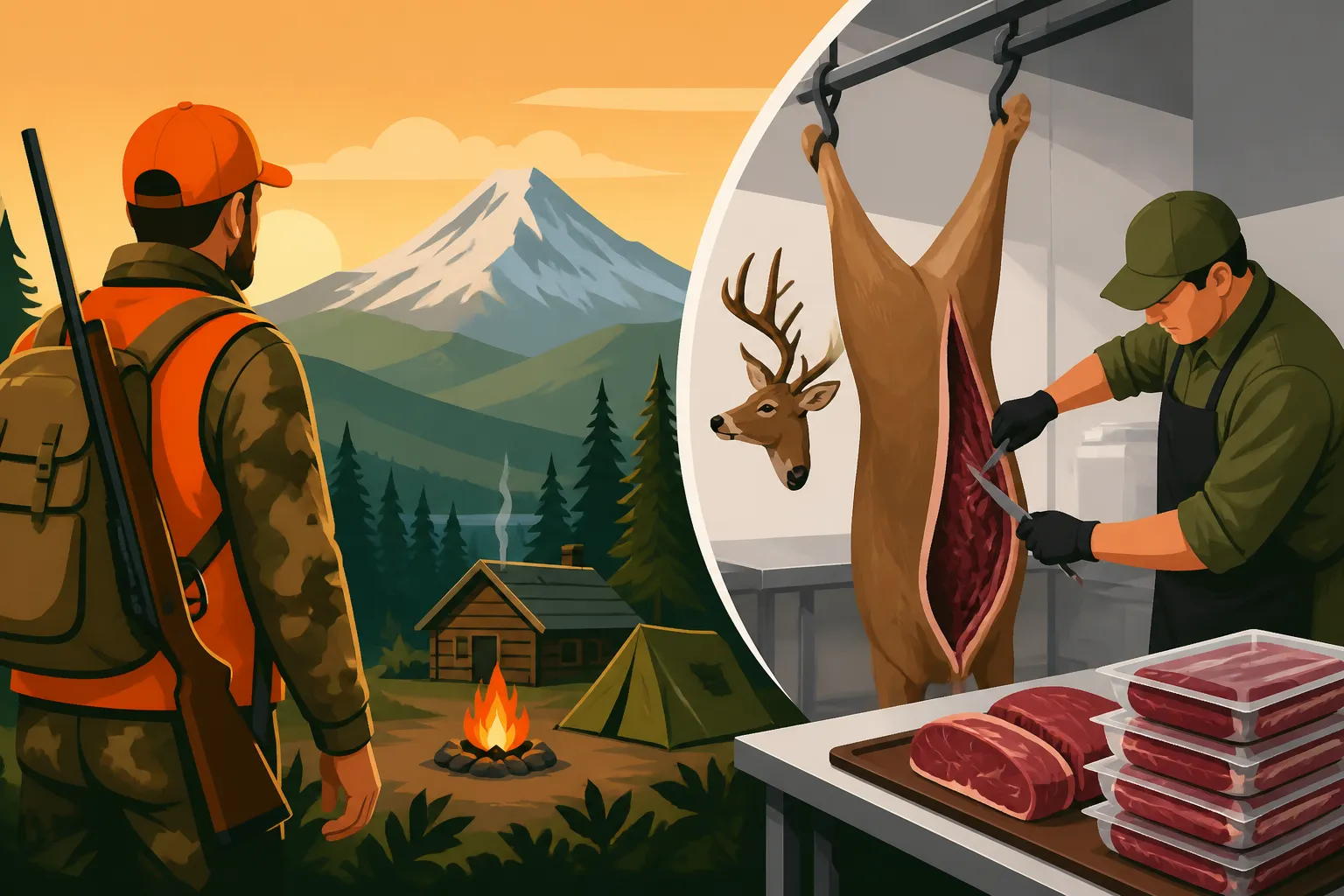
- Skinning and Initial Breakdown: Many will skin your animal for you, which can be a huge relief if you've already had a long day. They'll then break it down into primal cuts.
- Deboning and Trimming: They'll meticulously remove all bone, gristle, and silver skin, maximizing your edible yield and ensuring a clean product.
- Custom Cuts: Want steaks, roasts, or chops? They can cut your meat to your specifications. This is where you can really customize your harvest for your family's preferences.
- Grinding: A large portion of most game animals is destined for burger. Processors can grind your meat, often with added beef or pork fat if you request it, to your desired leanness.
- Sausage and Specialty Products: Many processors go beyond basic cuts, offering to make various types of sausage (breakfast, Italian, summer sausage), jerky, snack sticks, or even curing specific cuts. Be aware that these specialty items often incur additional costs.
- Packaging: Most will vacuum seal or wrap your meat in freezer paper, clearly labeling each package with the cut and weight. This is vital for protecting your meat from freezer burn for months, even a year or more.
- Freezing: After processing, the meat is rapidly frozen, typically in blast freezers, to ensure maximum freshness and to prepare it for transport.
When you drop off your animal, it's typically tagged with your information to prevent mix-ups. Clear communication about what you want is key.
Considerations for Choosing a Processor
Selecting the right processor involves more than just proximity. Here are some key factors:
-
Capacity and Turnaround Time: This is often the biggest bottleneck during peak hunting season. A small-town processor might only be able to handle a few animals a day. If you drop off an elk on opening weekend, you might not get it back for a week or more. Always ask about expected turnaround. Some processors might refuse additional animals if they are overwhelmed, especially if you haven't called ahead. Finding a Processor During Peak Season can be tough, so plan early.
-
Pricing Structure: Game processing costs vary. Most charge by the hanging weight (before deboning) or by the finished weight (after deboning and trimming). There are often extra fees for skinning, caping for a taxidermist, adding fat, or specialty products like jerky. While I can't give specific figures, expect to pay a fair amount for the professional service, often hundreds of dollars for an elk, depending on the services requested. Be sure to get a clear breakdown of costs upfront.
-
Hygiene and Facility: A clean facility is non-negotiable. While you might not get a full tour, observe the drop-off area. Does it look well-maintained? Are staff handling meat cleanly? This directly impacts the quality and safety of your food.
-
Cooler Space: After field dressing, getting your animal into a cooler is paramount. A good processor will have ample cooler space to hang your entire animal (or quarters) to properly age and chill the meat before processing. This is crucial for flavor and tenderness. Don't be afraid to ask about their cooling procedures.
Practical Strategies for Transporting and Preserving Your Harvest
Even if you use a processor, you still need a solid plan for getting that meat from the field to their door, and then from their freezer to your home freezer, especially if you've come from a distance.
Utilizing Drop Camps and Pack-In Services
For those truly adventurous souls who venture into Oregon's wilderness areas, getting a full elk out can be an epic undertaking. This is where drop camps and pack-in/pack-out services shine. These services, often provided by registered outfitters, use horses or llamas to transport your gear into remote areas and, crucially, to pack your meat out.
Imagine this scenario: you've successfully harvested a bull deep in the Eagle Cap Wilderness. Instead of making multiple grueling trips yourself, you coordinate with a packer. They meet you at a designated trailhead, pack your quartered and bagged meat onto their stock, and bring it back to civilization. Some outfitters even offer services to take your meat directly to a local processor, or provide a cooled facility at the trailhead where you can transfer it. These services require advance booking and come at a cost, but they can be invaluable for preserving your meat and your back. You can find outfitters offering these services through platforms like BookYourHunt or by checking the Oregon Marine Board's registry for licensed professionals. What It Costs to Hire a Packer With Stock is an investment that pays off in time and effort. This is often the only realistic way to handle Packing Out an Elk in Oregon's Wilderness Units.
DIY Cooling and Transport for Longer Distances
If you’re taking your meat directly home, or if you’ve picked it up from a processor and have a long drive ahead, proper cooling during transport is critical. The goal is to keep that meat as cold as possible without freezing it solid if you plan to age it further.
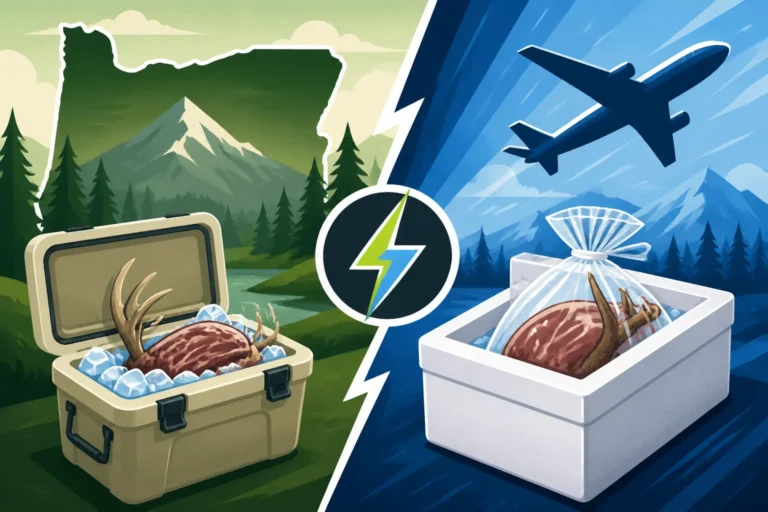
- High-Quality Coolers: Invest in good, insulated coolers. The cheaper ones won't cut it for a multi-hour or multi-day drive. You need coolers that can hold ice for an extended period.
- Plenty of Ice: Block ice lasts much longer than cubed ice. Fill your coolers, layering ice between your wrapped meat packages. Don't be stingy! For extended trips, consider dry ice, but ensure proper ventilation as it displaces oxygen.
- Drainage and Airflow: Don't let your meat sit in melted ice water. Use elevated racks or frequently drain the coolers. For larger quarters that can't fit in a cooler, consider wrapping them in game bags and covering them with tarps, then placing bags of ice on top. Ensure air can circulate around them as much as possible, perhaps in an open truck bed. Cooling Meat in a Truck Bed is an art form.
- Monitor Temperatures: If possible, use a thermometer in one of your coolers to monitor the internal temperature. Aim to keep it below 40°F, ideally closer to 34-38°F, especially if the meat is not yet frozen.
Proper preparation means that even a drive from eastern Oregon back to the Willamette Valley, or beyond, won't compromise your hard-earned harvest. Coolers, Ice and the Drive Home From Eastern Oregon can be just as important as the hunt itself.
Coordinating with Home-Based Processors
Some hunters prefer to do the final butchering at home, perhaps because they have a specific way they like their cuts, or they want to age the meat for a period. If this is your plan, you still need to ensure the meat is properly cared for from the field to your home setup.
- Pre-Chill Thoroughly: Whether you quartered it in the field or had a local processor rough-cut it for you, ensure the meat is thoroughly chilled before transport. This might mean leaving it in a game cooler with ice for a day or two.
- Cleanliness is Key: Keep the meat in clean game bags. Change bags if they become soiled. This helps protect the meat during transit.
- Avoid Contamination: Once the meat is on your truck or in your vehicle, keep it separate from other gear, dirt, and potential contaminants.
- Rapid Transfer Home: The moment you get home, transfer the meat immediately to your dedicated processing area or a clean, cool fridge. If you plan to age it, ensure your spare fridge can maintain consistent cold temperatures. Aging Game Meat in a Spare Fridge requires precision.
Remember, the quicker you can get the meat into cold storage and then processed, the better the final product will be. Even if you're not going to a commercial processor, the principles of cleanliness and rapid cooling remain universal for successful game meat handling. Don't let all that effort go to waste by letting the meat spoil. Getting Meat Out Before It Spoils should be your mantra.
No matter your preferred method, the goal is always the same: respect the animal, preserve the harvest, and enjoy the delicious wild game meat that is a true reward for your dedication as an Oregon hunter.
| Service Feature | Professional Processor Near Camp | DIY at Home After Transport | Drop Camp/Packer Service |
|---|---|---|---|
| Convenience | High – hands-off once dropped off | Low – requires significant time and effort | High – eliminates heavy packing, can include transport to processor |
| Cost | Moderate to High – fees per pound/service | Low – only equipment and time | High – specialized service, priced by animal/weight/distance |
| Time Commitment | Low – wait for pickup | High – several hours to days per animal | Low – coordinate drop-off/pickup with packer |
| Equipment Needed | None (beyond field dressing tools) | Knives, grinder, saw, vacuum sealer, tables, clean space | None (beyond field dressing tools) |
| Hygiene Control | High – professional standards | Variable – depends on home setup and skill | Initial field care is hunter's responsibility, packer ensures clean transport |
| Meat Quality/Aging | Often offers controlled aging, rapid freezing | Requires specific equipment (coolers, fridge) for aging | Ensures rapid transport to cooler/processor, preventing spoilage |
| Specialty Products | Often available (sausage, jerky, etc.) | Requires specific recipes, equipment, and skill | N/A (focus on transport) |
| Best For | Hunters far from home, limited time, large animals | Hunters with experience, equipment, and time at home | Backcountry hunts, large animals, challenging terrain |
Disclaimer
This article is for general informational purposes only and does not constitute professional advice. Laws, prices and regulations vary by location and change over time. Consult a qualified professional for guidance on your specific situation.