Tipping Guides and Packers in Oregon
The topic of tipping can often feel like walking on eggshells, especially in a specialized field like guided hunting in Oregon. Many of us worry about under-tipping, over-tipping, or doing it "wrong" altogether, which can add unnecessary stress to what should be an exciting adventure. This guide aims to clear up the confusion, providing a realistic and empathetic look at how to properly show appreciation for the hard work of your hunting guides and packers here in the Pacific Northwest.
The Unspoken Rule: Why Tipping Matters in Oregon Hunting
Tipping is a long-standing tradition in many service industries, and guided hunting is no exception. It's more than just a gesture; it's a significant part of a guide's and packer's income and a direct reflection of your satisfaction with their demanding work. When you're out chasing elk in the rugged Blue Mountains or tracking blacktail deer through the dense Coast Range, you're relying on someone else's expertise, physical endurance, and commitment to your success and safety.
The reality is that many guides and outfitters operate on slim margins, and the base fee for a hunt primarily covers the extensive logistical costs: equipment maintenance, fuel, food, insurance, permits, and often, paying their staff a base wage. Tips allow guides and packers to make a living wage commensurate with the extraordinary effort and skill they bring to the table. Ignoring this tradition can not only be perceived as disrespectful but can also impact the guide's ability to continue offering quality services.
The Hard Work Behind Every Guided Hunt
Think about what goes into a guided hunt. It's not just the days you're actually out in the field. There's the countless hours of scouting before the season even opens, locating game, understanding their patterns, and finding accessible public land or securing private land access. Your guide has likely spent weeks, if not months, preparing for your arrival, long before you even set foot in Oregon. This preparation could involve intense physical exertion, battling unforgiving weather, and dealing with unexpected challenges that arise in remote areas.
During the hunt itself, your guide is up before you, often making coffee, preparing breakfast, and getting gear ready. They are the ones navigating treacherous terrain, whether it's steep canyons in eastern Oregon or thick timber in the west. They track game, assess shot opportunities, and are often the first to get their hands dirty with field dressing. Then, after a long day, they're often the last to bed, cleaning camp, sharpening knives, and planning the strategy for the next day. This relentless pace and dedication are the backbone of a successful hunting experience, and it's why their efforts deserve recognition beyond the initial booking fee. You might find resources like BookYourHunt or GoHunt helpful in researching outfitters and getting a sense of services provided, but the personal effort of the guide on the ground is what really makes the difference.
Understanding Your Guide's and Packer's Roles
While both guides and packers are integral to a successful hunting trip, their primary roles, and therefore how you might consider tipping them, can differ. A hunting guide is your direct leader in the field. They possess the intricate knowledge of game behavior, habitat, and hunting tactics. They make critical decisions, from where to start the day to how to approach an animal. They are responsible for your safety, often providing instruction and encouragement, and sharing their deep understanding of the landscape. They put you in position to succeed, whether that means calling in a bull elk or helping you still-hunt through dense cover.
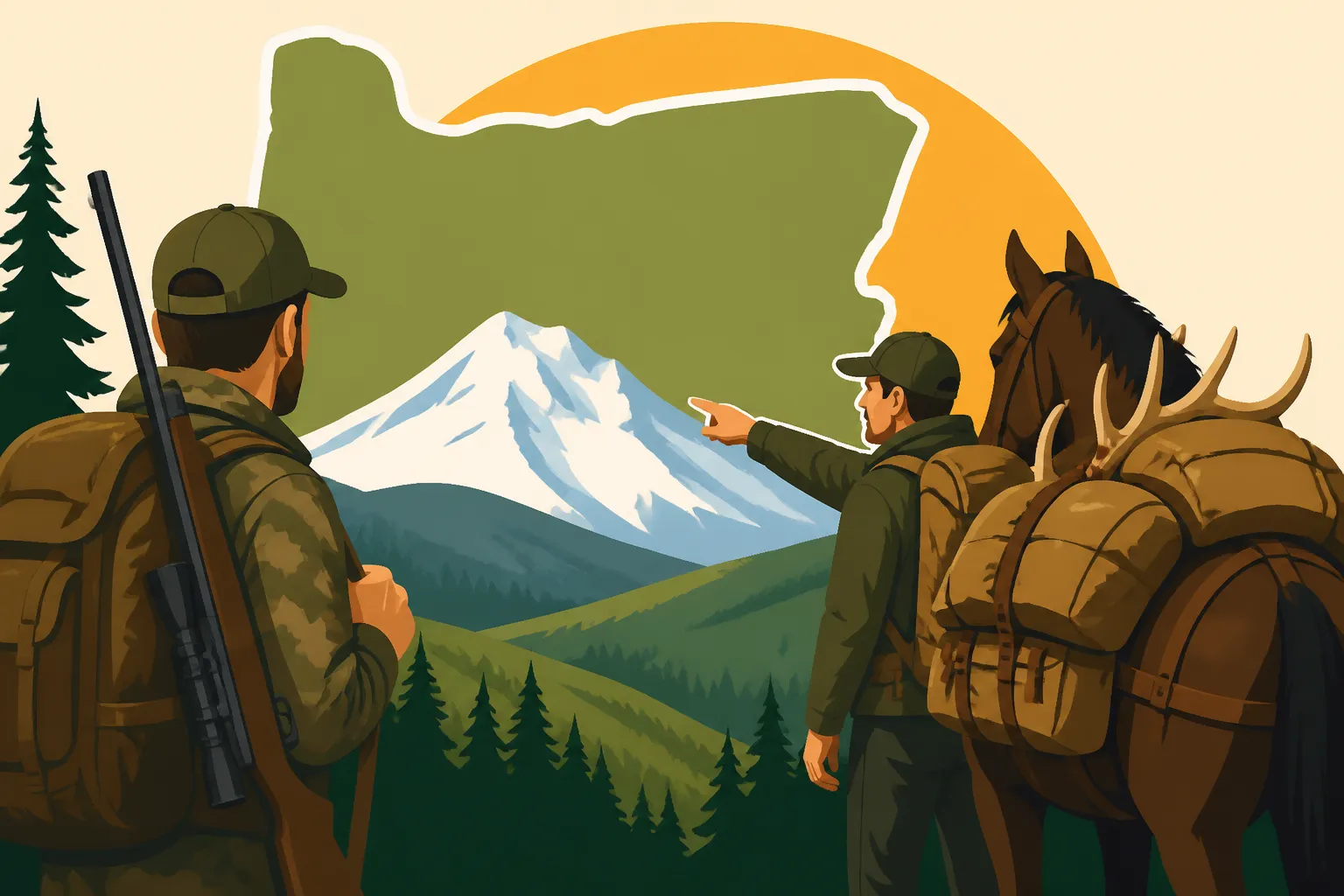
Packers, on the other hand, specialize in the arduous task of getting your harvest out of the backcountry. This often involves working with horses or llamas, navigating challenging trails, and ensuring the meat and trophy are handled properly to prevent spoilage. Pack-In and Pack-Out Service Rates can be a separate cost, but the effort involved is immense. Their work is incredibly physical and often happens behind the scenes, after the shot is fired. They ensure that all your hard work, and the guide's, doesn't go to waste. Both roles are absolutely critical, especially on multi-day backcountry hunts, and recognizing each individually, when appropriate, is a sign of a truly appreciative hunter.
How to Calculate Your Guide's Tip in Oregon
Determining the right amount to tip your hunting guide can feel like a guessing game if you're new to the world of guided hunts. However, there are some generally accepted practices that can help you show your gratitude appropriately. It's rarely about a rigid formula, but rather a blend of industry standards and your personal assessment of the service received.
Standard Tipping Ranges and What They Mean
A common guideline for tipping hunting guides in Oregon, and across much of the hunting industry, is generally 10% to 20% of the total hunt cost. For example, if your guided elk hunt cost was $5,000, a tip in the range of $500 to $1,000 would be considered appropriate. Some hunters prefer to calculate a daily rate, which might fall anywhere from $100 to $300 per day per guide. This daily rate can sometimes feel more tangible, especially if you had multiple guides working with your group or if your hunt was particularly long or challenging.
It's important to understand that these are ranges, not strict rules. A tip at the lower end of the spectrum (10% or $100/day) might be given for satisfactory service, while a tip at the higher end (20% or $300/day) is reserved for truly exceptional experiences where the guide went above and beyond your expectations. Remember, this is a service industry, and the professionalism, effort, and care your guide puts in are what you are acknowledging. Even if you're utilizing services like BookYourHunt to find outfitters, the final tipping decision is always yours based on your direct experience.
Key Factors That Influence Your Guide's Tip
While the percentage or daily rate provides a starting point, several factors should weigh into your final decision:
- Guide's Performance and Effort: This is arguably the most crucial factor. Did your guide demonstrate exceptional knowledge of the area and the game? Were they constantly working to put you in a position to succeed, even when conditions were tough? Did they maintain a positive attitude, patiently answer your questions, and ensure your safety? Did they hustle and put in long hours? A guide who works tirelessly, even if the animals aren't cooperating, deserves a solid tip.
- Hunt Success (or Lack Thereof): This is a tricky one. While it's natural to feel more generous after harvesting an animal, a good guide's efforts shouldn't be solely judged by whether you pulled the trigger. Hunting is unpredictable. If your guide gave 110% effort, found plenty of game, and you simply didn't connect due to your own missed opportunity or the fickle nature of wild animals, their dedication should still be rewarded. Conversely, if you harvested an animal but felt the guide was disengaged or didn't try hard, that should also be considered.
- Quality of Service and Hospitality: Beyond the actual hunting, how was the overall experience? Were the camp conditions comfortable, the food good, and the equipment well-maintained? Was the guide organized and communicative? A well-run operation, especially when you're spending days or a week in a remote location, significantly enhances the experience. This could involve everything from ensuring your gear is dry in Rain Gear That Actually Stays Dry conditions to keeping the camp fires stoked.
- Hunt Difficulty and Conditions: Did your guide face unusually challenging circumstances? Perhaps unseasonably warm weather made game scarce, or a severe windstorm made glassing impossible. Navigating Blowdown and Access After a Windstorm or hunting Elk Behavior After a Wildfire areas can significantly increase the physical and strategic demands on a guide. Their ability to adapt and continue striving for your success under adverse conditions speaks volumes and should be acknowledged.
- Personal Connection and Enjoyment: Sometimes, a guide just clicks with you. They become more than just a service provider; they become a companion, a teacher, and a friend in the field. If you genuinely enjoyed their company and felt a strong rapport, that personal enjoyment can certainly influence your desire to tip generously. This human element is often what makes a memorable hunt truly special.
Tipping Your Packer: A Separate, But Equal, Appreciation
While the guide often gets the most direct interaction and credit during the hunt, the packer plays an equally crucial, albeit often less glamorous, role in completing your experience, especially when dealing with large game like elk or deep backcountry hunts in Hunting Oregon's Wilderness Areas. Their work is physically demanding, skilled, and directly impacts the quality of the meat and trophy you take home.
The Indispensable Value of a Good Packer
Imagine being miles deep in Oregon's rugged mountains, having just harvested a bull elk. The adrenaline is fading, and the reality of getting hundreds of pounds of meat and antlers back to civilization sets in. This is where your packer becomes a true hero. They are experts in breaking down animals, often using the Gutless Method on a Bull Elk, quartering it effectively, and carefully preparing it for transport. Their knowledge of Getting Meat Out Before It Spoils in various conditions is invaluable, especially in warmer early-season hunts.
Beyond the field dressing, a packer's expertise with pack animals – horses, mules, or llamas – is a specialized skill. They manage the stock, load them correctly to balance weight and prevent injury, and navigate them safely over difficult terrain. This isn't just brute strength; it requires horsemanship, patience, and a deep understanding of animal behavior. Without a skilled packer, many backcountry hunts would be logistically impossible, leaving hunters with a significant challenge to get their harvest out, as covered in Quartering and Packing an Elk Alone. Their efforts ensure that your hard-won meat makes it to the cooler and eventually to your table.
Recommended Tipping for Packing Services
Because the packer's role is distinct, their tipping structure can also be a bit different from that of a guide. While they might receive a portion of the overall guide's tip, it's often more impactful and appreciated to offer a separate, direct tip to the packer or packing team.
A common way to tip packers is based on their daily rate or per animal harvested and packed out. A typical range might be $50 to $150 per day per packer, or $150 to $300 per animal packed out, depending on the size of the animal, the distance, and the difficulty of the terrain. If you're on a multi-day hunt and have a dedicated packer in camp, their continuous efforts in keeping camp running, hauling water, and assisting with various tasks should also factor into their tip.
Some outfitters include packing services as part of the overall hunt cost, and the guide might then share a portion of his or her tip with the packers. However, if you directly engaged a separate pack service or if the packers worked particularly hard on your behalf, a personal tip given directly to them ensures your appreciation is clearly understood. This is especially true if you are on a "drop camp" style hunt where the packing service is separate from your guiding. Knowing what to budget for this aspect is part of your overall hunt planning, often done using tools like GoHunt or other detailed research.
Navigating Tricky Tipping Situations
While the general guidelines for tipping are helpful, real-world hunting scenarios can sometimes present unique challenges. Knowing how to gracefully deliver your appreciation, or even how to handle situations where service didn't meet expectations, is an important part of being a respectful hunter.
When and How to Present Your Gratitude
The ideal time to present your tip is typically at the very end of the hunt, just before you depart from camp or say your final goodbyes. This allows the guide and packer to have completed all their duties and for you to have a full picture of their service. It's often best to present the tip discreetly and personally, rather than making a big show of it in front of others. A handshake, a genuine thank you, and a folded envelope with cash are a classic and much-appreciated approach.
Cash is almost always preferred. It's immediate, doesn't incur processing fees, and offers privacy. If cash isn't feasible, discuss payment options with the outfitter beforehand. Some outfitters may accept tips via check or credit card, but it's always best to clarify. Sometimes, including a heartfelt thank-you note can add a personal touch that makes the gesture even more meaningful, especially after an intense hunt, perhaps one involving Physical Training for an Oregon Elk Hunt or long hours Glassing Sage and Juniper for Eastern Oregon Mule Deer.
If you're on a group hunt, it's a good practice to discuss tipping with your hunting partners before the trip begins. This ensures everyone is on the same page and can pool their contributions for a collective tip, which one person can then present on behalf of the group. Clear communication avoids awkward moments later on.
What to Do If Service Falls Short
This is the uncomfortable part, but it's important to address. What if your experience wasn't up to par? If you genuinely feel that the guide or outfitter's service was significantly below professional standards – not just that you didn't get an animal, but actual issues with safety, effort, attitude, or agreed-upon services – it's reasonable to adjust your tip accordingly. A very low or zero tip should be a rare occurrence and typically reserved for egregious situations.
Before deciding to withhold a significant portion of a tip, consider these steps:
- Communicate: If there's an issue during the hunt, try to address it with the guide or outfitter directly and respectfully at the time. Sometimes, misunderstandings can be resolved.
- Evaluate Objectively: Distinguish between a lack of success (which often isn't the guide's fault) and a lack of effort or professionalism. Did the guide genuinely try their best but conditions were just too tough? Or were they truly negligent or unprofessional?
- Document: If you have serious concerns, make notes. This is important if you ever need to formally address issues with the outfitter or, in extreme cases, with regulatory bodies like the Oregon Marine Board Guide Registration Requirements, which oversees guide licensing.
- Adjust Thoughtfully: If you decide to reduce the tip, do so thoughtfully. For instance, instead of 15-20%, you might opt for 5-10% to acknowledge some effort, but indicate dissatisfaction. A polite, private conversation explaining your rationale can be more impactful than simply leaving no tip and fostering resentment. Remember that the reputation of the outfitter, and your own, can be impacted by how you handle these situations. Checking for Red Flags When Booking a Hunt during your initial research can sometimes help avoid these situations entirely.
Ultimately, tipping in Oregon hunting is about showing appreciation for hard work, skill, and dedication. It's an investment in the future of the guiding industry and a way to thank those who make our hunting dreams a reality, from the moment you step into their camp until you're back home with your coolers full of game, thanks to their help with Coolers, Ice and the Drive Home From Eastern Oregon.
Factors Influencing Tipping Decisions
| Factor | Impact on Tip (General Expectation) | Examples |
|---|---|---|
| Guide's Effort | High Effort = Higher Tip | Guide relentlessly scouted, hiked miles, adapted to changing conditions, stayed positive despite challenges. |
| Hunt Success | Harvest = Higher End of Range (often) | Successful harvest often leads to more generous tips, reflecting the joy of achievement. |
| No Harvest | Still Tip for Effort (lower end of range, or standard if effort was exceptional) | Guide worked hard, found game, but hunter missed shots or animals simply vanished. Effort still deserves recognition. |
| Safety & Care | Excellent Safety/Care = Higher Tip | Guide prioritized safety, handled firearms responsibly, took care of hunter's needs (food, hydration), ensured ethical hunting practices. |
| Knowledge/Skill | Exceptional Expertise = Higher Tip | Guide demonstrated deep knowledge of game behavior, calls, terrain, tracking. |
| Camp/Logistics | Smooth Operation = Higher Tip | Well-maintained camp, good food, organized gear, timely logistics for pick-up/drop-off, comfortable amenities. |
| Personality/Rapport | Good Connection = May Influence Higher Tip | Guide was enjoyable company, patient, encouraging, and made the overall experience pleasant beyond the hunt itself. |
| Poor Service | Lower Tip / Discuss with Outfitter | Guide was disengaged, unprofessional, unsafe, or failed to provide agreed-upon services. Address concerns with outfitter first before severely reducing tip. |
| Packer Effort | High Physical Effort = Higher Tip | Packer skillfully handled stock, worked hard to retrieve game from difficult terrain, took great care of meat/trophy, ensured efficient and safe transport. |
Disclaimer
This article is for general informational purposes only and does not constitute professional advice. Laws, prices and regulations vary by location and change over time. Consult a qualified professional for guidance on your specific situation.