Oregon Roads Closed to Protect Wintering Deer
It's happened to all of us: you're gearing up for a late-season hunt, a winter scouting trip, or just a quiet drive into the backcountry, only to find a familiar forest road suddenly blocked by a gate and a "Road Closed" sign. This isn't just an inconvenience; these seasonal closures are a critical part of wildlife management in Oregon, primarily to protect vulnerable wintering deer. This guide will help you understand the vital reasons behind these closures, how to identify them before you leave home, and how to respectfully navigate Oregon's varied landscape without impacting the very wildlife we cherish.
The Vital Role of Winter Range Closures for Oregon's Deer
Imagine trying to survive a harsh Oregon winter, expending precious energy just to stay warm and find enough food, only to be constantly disturbed. That's the reality for deer, especially mule deer in Eastern Oregon, during the coldest months. Their survival hinges on conserving every calorie, and even seemingly minor disturbances can have serious consequences. These road closures are a proactive measure to create sanctuaries where deer can weather the winter without constant human intrusion.
Why Deer Need Undisturbed Winter Range
During winter, deer, particularly mule deer, migrate from higher elevations to lower, often snow-free areas, known as winter range. This isn't a choice; it's a survival imperative. On this winter range, food sources are scarce, and the animals' metabolic rates slow down to conserve energy. Their bodies are working overtime just to maintain core temperature and stay alive. Every time a vehicle drives by, or a person walks through their bedding area, the deer are forced to expend valuable energy fleeing or even just standing up and watching. This repeated disturbance burns calories they simply cannot afford to lose, significantly increasing their risk of starvation, especially during prolonged cold snaps or deep snow. It's a fine line between making it to spring and succumbing to the elements, and human disturbance can tip the scales.
Think of it from their perspective: they've traveled, perhaps many miles, to reach these specific areas that offer critical forage and thermal cover. These aren't just random patches of woods; they are historically vital areas, often south-facing slopes or juniper draws that shed snow faster and offer a bit more warmth. When a road that cuts through such a crucial area is closed, it's not arbitrary. It's because wildlife managers have identified it as a lifeline for deer, allowing them to rest, feed, and escape predators without the added stress of human presence. It also ensures that the limited forage available isn't trampled or over-browsed in easily accessible areas, leaving nothing for the most vulnerable.
Impacts of Disturbance Beyond Energy Loss
The effects of human disturbance on wintering deer extend beyond just calorie expenditure. Stress itself is a major factor. Constant exposure to vehicles, ATVs, snowmobiles, or even people walking their dogs can elevate deer's heart rates, increase their vigilance, and lead to chronic stress. This stress can suppress their immune systems, making them more susceptible to disease, and even affect their reproductive success in the following year. Does that are constantly harassed might be less likely to carry their fawns to term or produce healthy offspring.
Furthermore, disturbance can push deer into less optimal habitats, where food is even scarcer or predator risk is higher. If they're repeatedly flushed from prime bedding areas, they might move into less protected terrain, making them easier prey for cougars or coyotes. These closures are an attempt to give deer the best possible chance to survive this most challenging season, ensuring healthier herds for future generations. While it can be frustrating to find your planned route inaccessible, understanding the biological urgency behind these actions can help reframe the inconvenience as a vital conservation effort.
Deciphering Oregon's Road Closure System: Maps and Resources
Navigating Oregon's road closure system can feel like trying to solve a puzzle, especially when you're used to cruising down a particular forest road. The closures aren't always consistent year to year, and the reasons can vary. However, with the right resources and a bit of planning, you can easily identify what roads are off-limits and why. The key is to be proactive and rely on official sources.
Types of Winter Closures and Their Markers
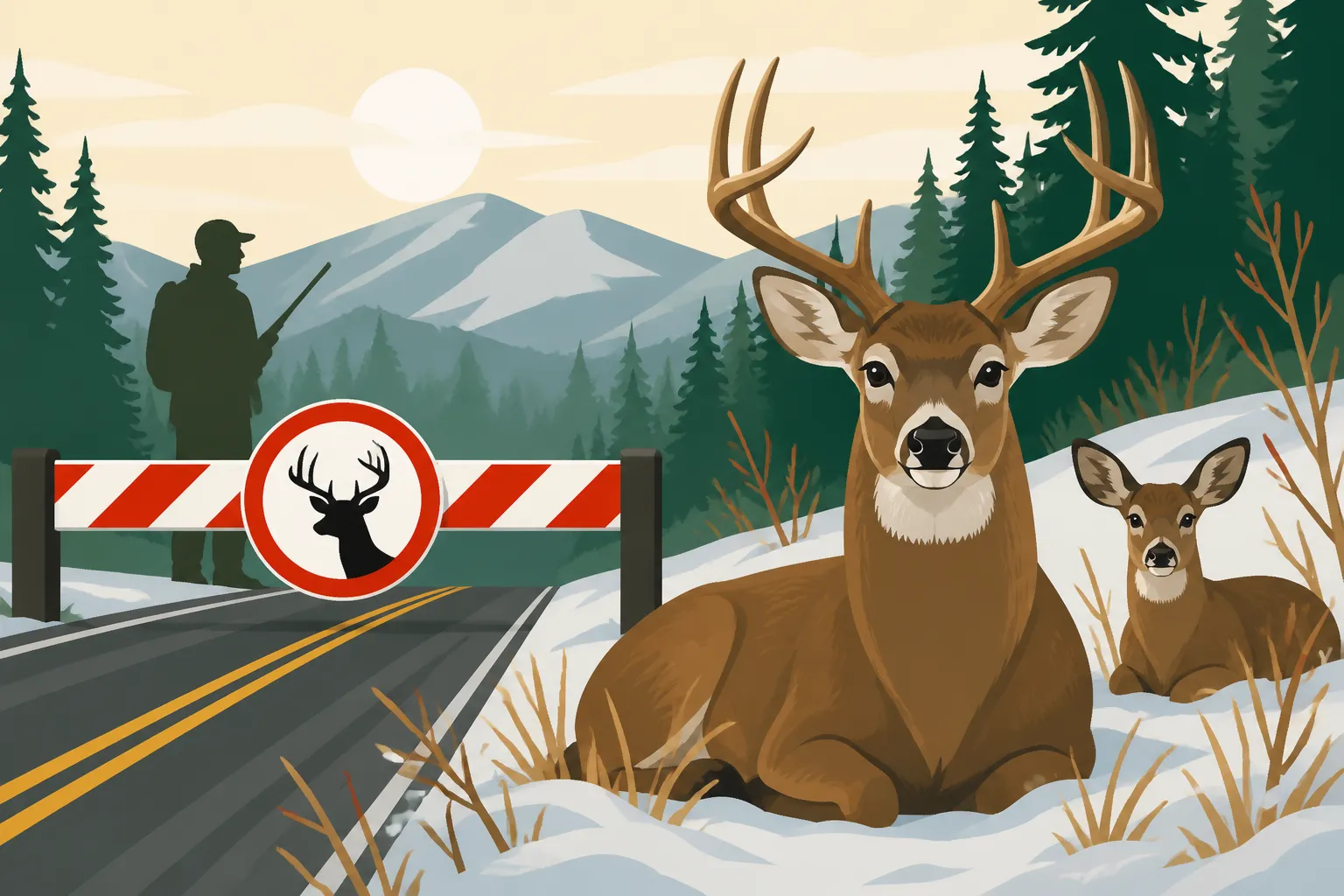
Oregon employs several types of closures, and recognizing them is the first step. The most common you'll encounter for wintering deer are seasonal closures, which typically run from December 1st to April 1st, or sometimes November 15th to April 30th, depending on the specific area and species being protected. These dates are clearly published in the hunting regulations and on land management agency websites. You'll often see these marked with physical gates, large boulders, or earthen berms blocking vehicle access, accompanied by signage stating the closure dates and purpose.
Beyond seasonal closures, you might also run into emergency closures due to extreme weather, severe snow accumulation, or other unforeseen circumstances that make conditions particularly harsh for wildlife. These can be implemented quickly and might not always follow the standard seasonal dates. It's crucial to check for these in-season changes. Additionally, some roads are permanently closed to motorized access as part of a broader travel management plan, aimed at reducing habitat fragmentation or protecting sensitive areas year-round, not just in winter. These usually have more robust, permanent gates or barriers. Finally, many Travel Management Areas (TMAs) have specific rules regarding motorized access, designating "open" roads, "closed" roads, or "limited use" roads, often depicted with different colors on specialized maps. Knowing Reading Green Roads on an Oregon Travel Management Map can be incredibly helpful here.
Here's a quick reference for common closure types:
| Closure Type | Purpose | Typical Duration | Common Signage/Markers |
|---|---|---|---|
| Seasonal Closures | Protect wintering deer/elk, prevent habitat disturbance | Nov/Dec to Apr/May | Gates, boulders, berms with "Road Closed" signs & dates |
| Emergency Closures | Respond to severe weather or extreme conditions | Variable, in-season | Temporary signs, news releases, online alerts |
| Permanent Closures | Long-term habitat protection, reduce fragmentation | Year-round | Permanent gates, "No Motorized Vehicles" signs |
| TMA Closures | Designated travel plans for specific areas | Varies by TMA/Road | Specific TMA maps, numbered posts, colored markers |
Where to Find Current Closure Information
The absolute best place to start your research is the official Oregon Department of Fish and Wildlife (ODFW) website and their annual hunting regulations pamphlet. This pamphlet, released annually, contains a wealth of information about specific unit regulations, season dates, and general rules regarding access. Look for sections on Oregon Winter Range Closures and "Travel Management Areas." ODFW often publishes maps and lists of winter range closures well in advance of the hunting seasons.
Beyond ODFW, other land management agencies are key. The U.S. Forest Service (USFS) and Bureau of Land Management (BLM) manage vast tracts of public land in Oregon. Their respective district offices and websites are invaluable resources. Many forest and BLM offices maintain interactive maps or downloadable GeoPDFs that show current road statuses, including seasonal and permanent closures. These resources are critical for hunters looking to prepare, and knowing Checking Oregon Road Closures Before You Go is essential.
Digital mapping platforms have also revolutionized how hunters and outdoor enthusiasts access this information. Tools like onX Hunt often integrate official land agency data, showing public/private land boundaries, and sometimes even road status or user-reported closures. While not always real-time for every logging road, onX Hunt provides an excellent base layer for planning and can often show the difference between an open "green road" and a closed one. Similarly, dedicated hunting information platforms like GoHunt sometimes aggregate this data or link directly to ODFW and Forest Service pages, providing another layer of convenience for pre-trip research. However, always cross-reference with the official agency sources, as conditions can change rapidly. Remember, a quick call to the local ODFW, Forest Service, or BLM office can clarify any uncertainties and save you a long, frustrating drive to a chained gate. This is especially true for any Oregon Emergency Hunt Closures that might pop up.
Planning Your Winter Adventures Around Closed Areas
It's natural to feel a pang of disappointment when your favorite hunting spot or access road is closed for the winter. However, these closures don't mean your outdoor adventures are over; they simply require a shift in strategy. With careful planning and a willingness to adapt, you can still enjoy Oregon's wild spaces and even discover new areas, all while respecting the critical needs of wintering deer.
Strategies for Working Around Closures
The first strategy is to fully embrace digital scouting. Platforms like onX Hunt are incredibly powerful for this. Before you even leave your living room, you can overlay public land boundaries with satellite imagery and identified road systems. Look for areas that offer alternative access points to legal hunting grounds, even if it means a longer walk. E-Scouting Oregon Units With Satellite Imagery allows you to identify potential parking areas, game trails, and terrain features that might concentrate deer movement on accessible public land. Pay close attention to unit boundaries, as some units might have different closure rules or less extensive winter range issues. Consider looking into Oregon's 22 Mule Deer Herd Ranges to understand the larger context of where deer typically spend their winters.
Another effective strategy is to shift your focus. If your primary big game season is over and traditional deer winter range is closed, consider pursuing other species or activities. Upland bird hunting or predator calling in lower elevation areas, where road closures might be less prevalent, can be a great way to stay active. Just be sure to check the regulations for these alternative seasons. For hunters determined to stick to big game, understanding that "closed to motorized vehicles" often means "open to foot traffic" is key. This transforms a drive-in spot into a prime opportunity for a long walk and a still-hunting approach. Be prepared for increased physical exertion, especially if you plan to pack out an animal.
Ethical Considerations and Alternative Access
Respect for wildlife and the land is paramount. When you encounter a closed gate or sign, take it seriously. Attempting to bypass a closure, whether by driving around a gate, cutting a lock, or even walking a vehicle down a "no motorized" road, is not only illegal but deeply unethical. It directly undermines the conservation efforts put in place to protect vulnerable animals and can lead to Oregon Wildlife Violation Penalties. These actions can also damage landowner relations, potentially leading to more widespread closures in the future for all recreational users, not just those who disrespect the rules. Always leave gates and fences as you found them, and never trespass.
Instead, look for alternative access points. Sometimes, a closed main artery might have feeder roads or adjacent public land that remains open for foot traffic or even limited vehicle access from a different direction. Use your digital mapping tools to scour the area for these often overlooked opportunities. Remember that winter closures are often focused on preserving specific habitat types critical to survival. This might mean that other nearby areas, while not ideal winter range, are perfectly legitimate for foot-access hunting or scouting. Always consult the official Using the Oregon Hunting Map Online for the most up-to-date information on boundaries and access. Embracing the challenge of walking further, adapting your tactics, and focusing on areas outside the most critical winter range closures is the mark of a responsible and respectful hunter.
The Repercussions of Disregarding Winter Road Closures
Ignoring road closures designed to protect wintering deer might seem like a minor offense to some, a simple shortcut to a hunting spot. However, the consequences are far-reaching, impacting not only the individual hunter but also the health of Oregon's deer herds, the reputation of the hunting community, and future public access. It's a lose-lose situation that responsible outdoor enthusiasts must actively avoid.
Legal Penalties and Enforcement
First and foremost, violating a posted road closure, especially on public lands managed by agencies like ODFW, the Forest Service, or BLM, can lead to significant legal penalties. These are not mere suggestions; they are enforceable regulations. Violations can range from citations and hefty fines to more severe consequences, depending on the nature and location of the offense. For instance, operating a motorized vehicle on a designated closed road can result in fines that easily run into the hundreds of dollars. Beyond monetary penalties, repeat offenses or egregious violations could even lead to suspension of hunting privileges or confiscation of equipment. Law enforcement, including OSP Fish and Wildlife troopers and federal agents, actively patrols these areas, especially during critical winter periods. They understand the importance of these closures and do not take violations lightly. The potential financial and legal repercussions far outweigh any perceived benefit of bypassing a closure.
Furthermore, any damage caused by driving on closed roads, such as rutting up soft ground or creating new unauthorized trails, can result in additional charges and fines for resource damage. These impacts degrade habitat and create a negative impression of hunters on public land managers and other outdoor users. It's a quick way to lose privileges and sour relationships that have been built over decades.
Biological and Ethical Impacts on Deer Herds
Beyond the legal ramifications, the biological and ethical consequences of violating winter range closures are arguably more severe. As discussed, disturbing wintering deer forces them to expend critical energy, which can lead to starvation. A single incident of driving past a "road closed" sign might seem isolated, but when multiple individuals do it, the cumulative stress on the herd becomes immense. This stress can weaken individuals, making them more susceptible to disease, and reduce their overall fitness, impacting fawn survival rates in the spring.
Ethically, the hunting community operates under a social contract with the public and wildlife managers. When hunters disregard conservation efforts like winter range closures, it erodes trust and provides ammunition for anti-hunting sentiments. It paints all hunters with the same brush, even though the vast majority are responsible and adhere to the rules. These violations can lead to further restrictions on access, shorter seasons, or even permanent closures of areas that were once accessible, impacting future generations of hunters. Maintaining access to public lands for hunting and other recreation depends heavily on the collective responsibility of all users. Respecting these closures is not just about avoiding a ticket; it's about upholding the integrity of hunting, ensuring healthy wildlife populations, and preserving our access to Oregon's magnificent landscapes.
Disclaimer
This article is for general informational purposes only and does not constitute professional advice. Laws, prices and regulations vary by location and change over time. Consult a qualified professional for guidance on your specific situation.